Lumps Worth Checking on a Samoyed
Finding an unexpected bump or lump on your beloved Samoyed can send a chill down your spine, immediately conjuring up the worst-case scenarios. Their magnificent, dense coats, while beautiful, are incredibly effective at hiding skin changes, meaning you often only discover a lump when it's already quite noticeable. This guide is here to walk you through the various types of lumps you might encounter on your Samoyed, helping you understand which ones are usually harmless and which require immediate veterinary attention, easing some of that initial worry.
The Worry of Finding a Lump on Your Fluffy Friend
It’s a tale as old as time for Samoyed owners: you’re giving your floof a deep, luxurious brush-out, running your hands through that incredible double coat, and then suddenly, there it is. A small, firm, or sometimes squishy, mass that definitely wasn’t there last week. Your heart does a little leap into your throat, and a thousand questions immediately flood your mind. Is it serious? How long has it been there? What if it's… that? This initial panic is completely normal, because our Samoyeds are family, and any sign of trouble feels deeply personal.
Why Samoyed Coats Make Lumps Tricky to Spot
Let's be real, a Samoyed's coat is a marvel of nature. It's designed to protect them from the harsh Siberian cold, and it does an amazing job. But that dense, plush undercoat and the longer, harsher guard hairs also create a formidable barrier, making it incredibly difficult to detect small changes on their skin. You can run your fingers over their body daily and still miss something until it's grown to a considerable size. It’s not like short-coated breeds where every little mosquito bite is visible. With a Samoyed, you really have to dig in, parting the hair, to truly feel what’s going on underneath. This means that by the time you feel a lump, it might have been there for a while, adding to the anxiety. Regular, thorough grooming isn't just for beauty; it's a vital health check.
When a Lump Becomes a Panic Point
That moment of discovery, especially if the lump feels hard, fixed, or rapidly growing, can instantly trigger thoughts of serious illness, particularly cancer. It’s terrifying, and it's completely valid to feel that wave of fear. Maybe you've heard stories from other dog owners, or perhaps you've even been through a scary diagnosis with a previous pet. The unknown is often the most frightening part. We want to protect our happy, smiling Samoyeds, and the thought of them being unwell, especially with something potentially life-threatening, is truly upsetting. It’s important to remember, however, that not all lumps are cause for alarm. Many are benign, but distinguishing between the two without a vet’s help is nearly impossible.
Common Benign Lumps on Samoyeds
While it's natural to jump to the worst conclusion, many lumps found on Samoyeds turn out to be completely harmless. Understanding these common benign conditions can offer a measure of relief, though a vet check is always recommended to be sure. Think of these as the usual suspects that often appear and then either go away on their own or require minimal intervention.
Fatty Tumors Lipomas
Ah, the classic lipoma! These are probably the most common lumps dog owners encounter, especially as their Samoyeds get a bit older, or if they tend to carry a little extra weight. A lipoma is simply a benign accumulation of fat cells under the skin. They typically feel soft, movable, and somewhat "squishy" – often described as feeling like a small ball of Play-Doh just beneath the surface. You can usually push them around gently. They can appear anywhere on the body but are very common on the chest, abdomen, and limbs. Most lipomas are completely innocuous, causing no pain or problems unless they grow very large and interfere with movement, or if they are in an awkward spot, like an armpit. Sometimes, vets might recommend removal if they’re getting too big or if their location is a concern, but often, they are just monitored. If your Samoyed is reaching its senior years, you might find more of these popping up. For more on caring for an older Samoyed, you might want to read our guide on Caring for a Samoyed Past Nine.
Sebaceous Cysts and Adenomas
These are another frequent type of skin growth. Sebaceous glands are small glands in the skin that produce sebum, an oily substance that lubricates the skin and hair.
- Sebaceous Cysts: These form when a sebaceous gland gets blocked, causing sebum to accumulate under the skin. They often feel firm, round, and are usually well-defined. Sometimes, they can rupture, releasing a cheesy or pasty white substance, which can be a bit stinky and messy. When this happens, they might become inflamed or infected.
- Sebaceous Adenomas: These are benign tumors of the sebaceous glands themselves. They tend to be small, firm, and often have a warty or cauliflower-like appearance. They're more common in older dogs. Both cysts and adenomas are generally not dangerous, but if they rupture, become infected, or are in a spot that gets irritated, a vet might recommend removal or treatment for infection. Keeping an eye on any new lumps is part of understanding How a Samoyed Hides Illness Behind a Smile.
Warts and Skin Tags
Just like people, dogs can get warts and skin tags.
- Warts (Viral Papillomas): These are caused by a canine papillomavirus and usually appear as small, cauliflower-like growths, often around the mouth, eyelids, or paws, especially in younger dogs or those with weaker immune systems. They are generally self-limiting and tend to disappear on their own within a few weeks or months. However, if they become irritated or are in a location that affects eating or vision, removal might be considered.
- Skin Tags (Fibromas or Acrochordons): These are benign, small, fleshy growths that often hang off the skin. They can vary in size and shape and are typically the same color as the surrounding skin. They are usually found in areas of friction, like the armpits or groin. Skin tags are completely harmless but can sometimes get caught on things or irritated, in which case they can be easily removed by a vet.
Abscesses and Infections
Not all lumps are slow-growing or internal; some can be acute and quite painful. Abscesses are pockets of pus that form under the skin, usually due to a bacterial infection. They often arise from a bite wound, a puncture, or even a foreign body like a foxtail getting lodged under the skin.
- Appearance and Feel: Abscesses tend to be warm to the touch, swollen, and can be very painful for your Samoyed. They might feel soft and fluid-filled if they're ready to burst, or firm if the infection is still contained. Your dog might also show signs of general malaise, like lethargy, fever, or loss of appetite.
- Treatment: Abscesses require prompt veterinary attention. The vet will likely drain the pus, clean the wound, and prescribe antibiotics to clear the infection. Untreated abscesses can lead to more serious systemic infections, so don't delay if you suspect one.
Malignant and Potentially Serious Lumps to Watch For
Now, let's talk about the more concerning lumps. While less common than benign growths, it's crucial to be aware of what to look for, as early detection can make a significant difference in outcomes. This is where your vigilance as a Samoyed owner truly pays off.
Mast Cell Tumors
Mast cell tumors are one of the most common forms of skin cancer in dogs, and unfortunately, Samoyeds can be susceptible, just like many other breeds. These tumors can be notoriously tricky because they can mimic almost any other skin lesion.
- Appearance: A mast cell tumor can appear as a raised, red, firm lump, or it could be soft and squishy. They can be small or large, and sometimes they even seem to change size or appearance, flaring up and then subsiding (this is due to the histamine and other chemicals mast cells release). They can be itchy, leading your Samoyed to lick or chew at them, which can cause secondary infection or irritation.
- Location: While they are often found on the skin, they can also occur internally, making them harder to detect.
- Importance of Biopsy: Because of their variable appearance, every new lump on your Samoyed should be considered a potential mast cell tumor until proven otherwise by a veterinary pathologist. A fine needle aspiration (FNA) is usually the first step to get a sample of cells for examination. If diagnosed, treatment might involve surgical removal with wide margins, and potentially chemotherapy or radiation, depending on the grade and location of the tumor. Prompt action is key.
Lymphoma
Lymphoma is a cancer of the lymphatic system, which is part of the immune system. While it can affect various organs, one of the most common ways it manifests is through enlarged lymph nodes, which can be felt as lumps.
- Key Locations: The most easily palpable lymph nodes are under the jaw (submandibular), in the armpits (axillary), in the groin (inguinal), and behind the knees (popliteal). If these feel significantly enlarged, firm, and non-painful, it's a strong indicator of a potential problem.
- Other Signs: Besides palpable lumps, a Samoyed with lymphoma might show other generalized symptoms like lethargy, weight loss, decreased appetite, and fever.
- Diagnosis and Prognosis: Diagnosis typically involves an FNA or biopsy of an enlarged lymph node. Lymphoma is a serious condition, but many forms are treatable with chemotherapy, often leading to periods of remission and improved quality of life. Understanding Which Cancers Samoyeds Get can help you be more vigilant about potential signs. You can also dive deeper into Whether a Samoyed Gets Lymphoma.
Other Cancers Samoyeds Get
Beyond mast cell tumors and lymphoma, Samoyeds, like all dogs, can develop other types of cancerous growths that might present as lumps:
- Squamous Cell Carcinoma: This skin cancer is often seen on areas with less pigment or sun exposure, but can appear anywhere. It can look like a raised, firm, often ulcerated lesion that doesn't heal.
- Fibrosarcoma: These are malignant tumors that arise from fibrous connective tissue. They are usually firm, fixed to underlying tissues, and can grow rapidly.
- Mammary Gland Tumors: While more common in unspayed females, these can occur in spayed females and rarely in males. They appear as firm lumps in the mammary tissue and can range from benign to highly malignant.
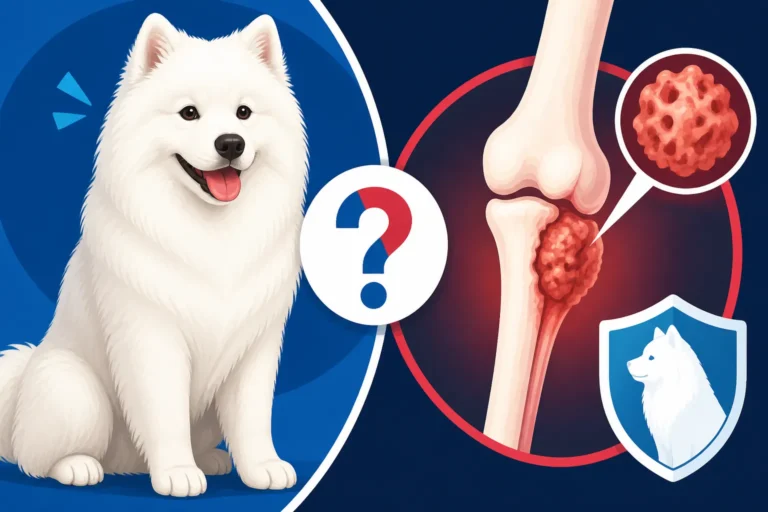
- Osteosarcoma: This aggressive bone cancer can sometimes present as a painful swelling or lump on a limb, though it's typically felt as a swelling over the bone itself rather than a skin lump. For more information on this devastating condition, you might want to look into Whether a Samoyed Gets Osteosarcoma.
Any lump that is rapidly growing, firm, fixed to underlying tissue, painful, ulcerated, or doesn't resolve on its own within a couple of weeks warrants a veterinary visit.
The Importance of Veterinary Examination and Biopsy
This is perhaps the most critical takeaway: you cannot diagnose a lump at home. Even experienced veterinarians often cannot tell if a lump is benign or malignant just by looking at it or feeling it. That's why professional examination and diagnostic testing are absolutely essential. Don't play guessing games with your Samoyed's health.
When to See the Vet for a Lump
It's always better to be safe than sorry. Here are some guidelines for when a vet visit is in order:
- Immediately: If a lump appears suddenly, grows rapidly, is painful, hot to the touch, seems to bother your Samoyed (licking, chewing), or is accompanied by other signs of illness (lethargy, fever, loss of appetite). This includes suspected abscesses.
- As soon as possible (within a few days to a week): For any new lump you discover, especially if your Samoyed is over the age of six (which is often around The Age a Samoyed Counts as a Senior), or if the lump is firm, irregular, or fixed.
- During your next routine check-up: If you find a small, soft, movable lump that doesn't seem to be changing and isn't bothering your Samoyed, you can often bring it up at your next scheduled appointment. However, if you're worried, there's no harm in calling your vet sooner for advice. Remember, a Samoyed's life span is typically The Twelve to Fourteen Years a Samoyed Lives, and regular checks are part of ensuring those years are healthy.
The Diagnostic Process: From FNA to Biopsy
Once you're at the vet's office, they'll perform a thorough physical examination, feeling the lump and assessing your Samoyed's overall health. Then, they’ll typically recommend one or more diagnostic tests:
- Fine Needle Aspiration (FNA): This is a quick, minimally invasive procedure. Your vet will use a small needle (like the one used for vaccinations) to collect a sample of cells from the lump. These cells are then spread on a slide and examined under a microscope by either your vet or a specialized veterinary pathologist. An FNA can often distinguish between fatty tumors, cysts, and some types of cancer, like mast cell tumors. It's relatively inexpensive and can provide immediate answers in many cases.
- Biopsy: If the FNA is inconclusive, or if the vet strongly suspects a malignant tumor, a biopsy might be recommended. This involves surgically removing a small piece of the lump (incisional biopsy) or the entire lump (excisional biopsy) for detailed histological examination by a pathologist. A biopsy provides a definitive diagnosis and can determine the type and grade of cancer, which is crucial for planning treatment.
- Blood work and Imaging: In some cases, especially if cancer is suspected, your vet might recommend additional tests like blood work (to check overall health and organ function), X-rays, or ultrasound to see if there's any spread of cancer or if internal organs are affected. This might be similar to the comprehensive checks suggested for issues like Whether a Samoyed Needs Yearly Kidney Bloodwork, demonstrating the thoroughness needed for serious health concerns.
Navigating Treatment Options and Costs
If a lump is diagnosed as cancerous, your vet will discuss treatment options tailored to the type, grade, and stage of the cancer. These might include surgery, chemotherapy, radiation therapy, or a combination. This can be an incredibly stressful time, not just emotionally, but financially. Veterinary treatments for cancer can be costly. This is where having pet insurance, such as a policy from Healthy Paws, can be a real lifesaver, helping to cover a significant portion of diagnostic tests, surgeries, and ongoing treatments. Many owners choose to budget for unexpected vet bills, but for major illnesses, insurance can make a huge difference in what treatment options are financially feasible. Understanding What Insuring a Samoyed Costs Monthly is a good starting point for financial planning. Another option for owners is to check with providers like Healthy Paws regarding coverage for chronic conditions or unexpected diagnoses, ensuring peace of mind.
Monitoring Lumps at Home
For those benign lumps that your vet has confirmed are nothing to worry about, or if you're waiting for a vet appointment, careful home monitoring is essential. This proactive approach ensures that if anything changes, you'll catch it early.
The "Lump Map" and Regular Checks
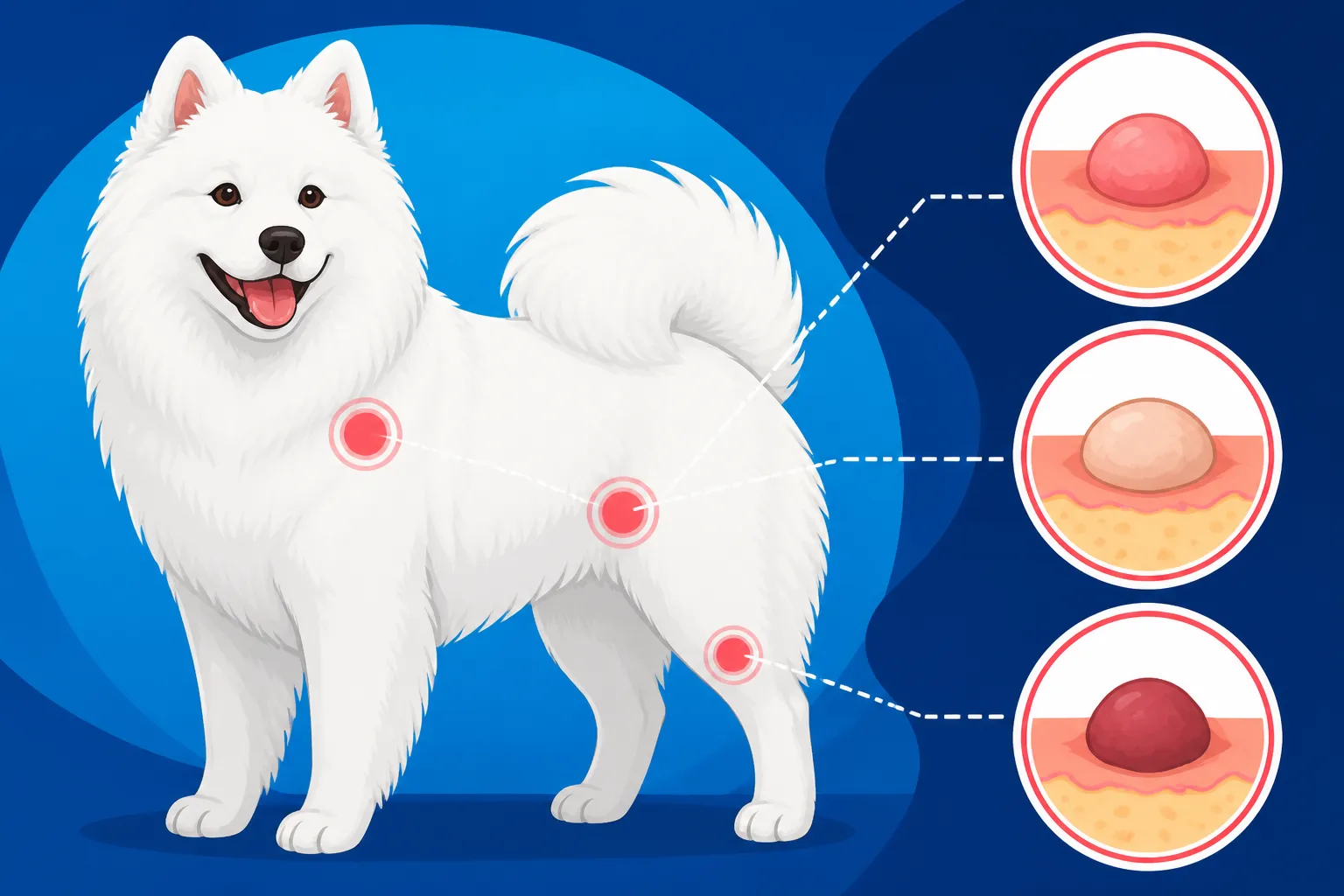
Creating a "lump map" might sound a bit over the top, but it's a fantastic tool for tracking benign growths.
- Draw a simple outline of your Samoyed's body.
- Mark the location of each identified lump. Use different colors or symbols for different types of lumps if you know them (e.g., "F" for fatty tumor, "C" for cyst).
- Note the date of discovery, size (you can measure with calipers or simply compare to a coin size), texture, and any other observations.
- Perform regular checks, ideally weekly or monthly, especially when you’re grooming your Samoyed. This involves systematically running your hands over their entire body, parting that magnificent coat section by section. Pay close attention to the areas where you've already found lumps, but also be on the lookout for new ones. You might also want to establish a routine of Whether a Samoyed Needs Yearly Thyroid Bloodwork and other general health checks to catch systemic issues like Signs a Samoyed's Thyroid Has Failed which might also affect overall skin health.
This map provides a visual and written record, making it easier to notice subtle changes over time.
What Changes to Look For
Even if a lump has been deemed benign, it’s not a "set it and forget it" situation. Lumps can change, and new lumps can appear. Here’s what you should be looking for during your regular checks:
- Changes in Size: Is the lump getting bigger? Is it growing rapidly? Rapid growth is often a red flag.
- Changes in Texture: Has a soft lump become firm? Has a movable lump become fixed to the underlying tissue?
- Changes in Color: Is the skin over the lump becoming red, inflamed, or discolored?
- Changes in Surface: Is the lump becoming ulcerated, scabby, or starting to bleed?
- New Lumps: Of course, always be vigilant for any completely new lumps, regardless of how small.
- Dog's Behavior: Is your Samoyed bothering the lump (licking, chewing, scratching)? Does it seem painful when you touch it? Is your dog generally less energetic or showing other signs of illness?
If you notice any of these changes, even in a previously diagnosed benign lump, it’s time for another visit to the vet. It’s always best to get a re-evaluation to ensure that the lump hasn't transformed or that a new, more serious issue hasn't developed. Maintaining communication with your veterinarian and potentially an insurance provider like Healthy Paws for any re-evaluation costs is always a smart approach. Don't wait if you have concerns, as addressing issues promptly is part of a responsible approach to your Samoyed's well-being.
| Lump Type | Typical Feel/Appearance | Common Locations | Urgency Level | Notes |
|---|---|---|---|---|
| Lipoma | Soft, squishy, movable, non-painful | Chest, abdomen, armpits, limbs | Low (Monitor) | Benign fatty tumor. Can grow large but rarely problematic unless interfering with movement. |
| Sebaceous Cyst | Firm, round, well-defined; may rupture (cheesy discharge) | Anywhere on skin | Low (Monitor/Vet if irritated) | Blocked oil gland. Can get infected or irritated. |
| Sebaceous Adenoma | Small, firm, warty or cauliflower-like | Anywhere on skin, common on head/face | Low (Monitor) | Benign tumor of oil gland. More common in older dogs. |
| Wart (Papilloma) | Cauliflower-like, often small, raised | Mouth, eyelids, paws (especially young dogs) | Low (Monitor) | Viral. Often self-limiting. |
| Skin Tag | Small, fleshy, hangs off skin, same color as skin | Areas of friction (armpits, groin) | Low (Monitor) | Harmless. May be removed if irritated. |
| Abscess | Warm, swollen, painful, fluid-filled or firm | Anywhere on skin, often from wounds | High (Urgent Vet) | Pockets of pus from infection. Requires drainage and antibiotics. |
| Mast Cell Tumor | Highly variable: raised, red, firm, soft, squishy; can fluctuate size | Anywhere on skin, or internally | High (Urgent Vet) | Common skin cancer. Always requires biopsy for diagnosis. Early detection is crucial. |
| Lymph Node Enlargement | Firm, non-painful, enlarged nodes | Under jaw, armpits, groin, behind knees | High (Urgent Vet) | Potential sign of lymphoma or other systemic disease. |
| Other Cancers | Highly variable: firm, fixed, rapidly growing, ulcerated | Anywhere | High (Urgent Vet) | Any rapidly changing, firm, or non-healing lump needs immediate veterinary assessment. |
Disclaimer
This article provides general information and guidance regarding lumps on Samoyeds and should not be considered a substitute for professional veterinary advice. Always consult with a qualified veterinarian for any health concerns, diagnosis, or treatment plans for your pet. Early detection and professional evaluation are crucial for managing any lumps or growths your Samoyed may develop.