Where in Russia the Samoyed Comes From
When you look at a Samoyed, with that dazzling white coat and ever-present smile, it’s easy to get lost in their fluffy charm. But have you ever stopped to wonder where this magnificent creature actually comes from? Beyond the generalized "Siberian origins," there's a much richer, more specific history tied to a remarkable region and its resilient people, shaping every aspect of the Samoyed we know and love today. This guide will take you on a journey to the Samoyed's true homeland, helping you understand the deep roots of their unique traits and boundless spirit.
Unraveling the Samoyed's Ancient Roots in the Far North
The story of the Samoyed breed isn't just a tale of a dog; it's a saga deeply interwoven with the lives of an indigenous people and the unforgiving landscape they called home. To truly understand the Samoyed, we must go back to the extreme northern reaches of Russia, a place where survival depended on an unbreakable bond between humans and their canine companions.
The Indigenous People: Nenet Origins
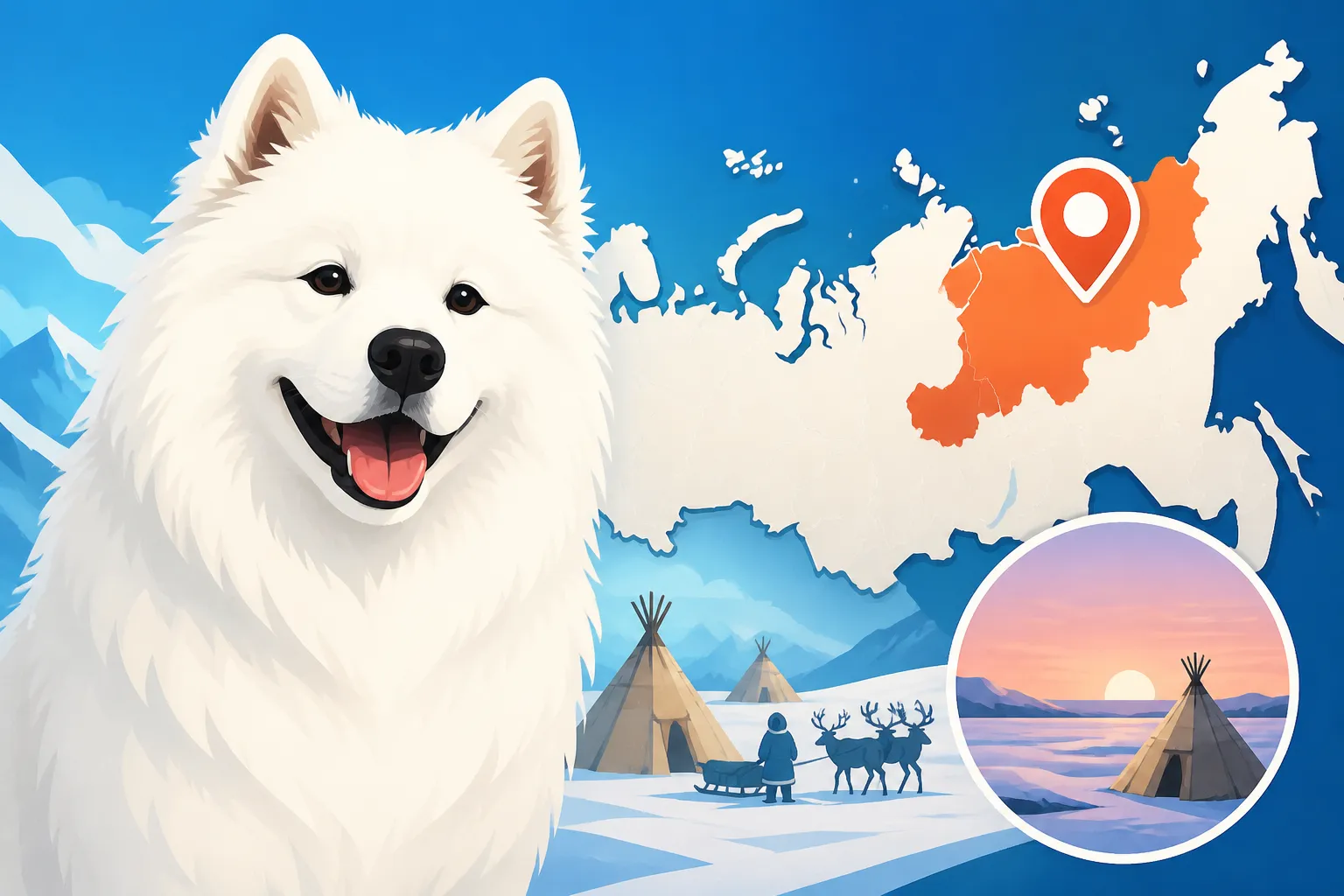
The Samoyed, as we know them, didn't just appear out of thin air. They were meticulously developed and cherished by the Nenets, a nomadic reindeer-herding people who have lived in the Arctic regions of Eurasia for thousands of years. Calling them "Samoyed" as a people is a bit of an old, colonial term, but it's what stuck for the dog breed. The Nenets themselves are incredibly proud of their heritage and their way of life, and their dogs were absolutely central to that existence. They weren't just pets; they were integral family members, collaborators in survival, and often the difference between life and death in a brutal environment.
Imagine life hundreds, even thousands, of years ago, on vast, frozen tundras. You wouldn't have fences, motorized vehicles, or even reliable shelter in the same way we do today. Your most valuable possessions were your reindeer herds, which provided everything from food and clothing to transport. Protecting these herds was paramount, and that's where the ancestors of our modern Samoyeds shone. They were multi-talented dogs, capable of everything from guarding against predators to pulling sleds. This incredible adaptability and loyalty were ingrained in them through generations of working side-by-side with the Nenets. You can learn more about What the Nenets Who Bred the Samoyed Are to understand their culture.
The Harsh Yamal Peninsula: A Cradle of Resilience
When we talk about the specific "where" in Russia, we're primarily talking about the vast and largely desolate Yamal Peninsula, stretching into the Arctic Ocean. This is a land of endless tundra, frozen rivers, and short, intense summers followed by long, dark, brutally cold winters. It's a place that demands resilience, self-reliance, and a deep understanding of the natural world. If you've ever wondered Where the Samoyed's Yamal Peninsula Is, it's truly at the edge of the world.
The climate here is not just cold; it's inhumanly cold, with temperatures often plunging to sixty degrees below zero or even lower. Dogs living in such conditions had to be built for it. Their thick, double coats, small, erect ears, and dark, almond-shaped eyes that resist snow blindness are all adaptations honed by centuries on the Yamal Peninsula. This isn't just about looking beautiful; every physical trait of a Samoyed serves a purpose in surviving such extreme conditions. It really helps you understand How Cold It Gets Where the Samoyed Came From.
Life on the Yamal meant constant movement with the reindeer herds. The dogs were expected to keep pace, navigate treacherous terrain, and perform their duties reliably, day in and day out. This constant activity and mental engagement contributed to the breed's intelligence and their need for a "job," even if that job today is mostly being a cherished family member and perhaps participating in dog sports.
Why the Specific Location Matters for the Breed's Traits
The unique environment and the close-knit relationship with the Nenet people weren't just backdrops for the Samoyed's development; they were the very forces that sculpted the breed's distinctive physical attributes and its charming, often stubborn, personality. Every characteristic we admire in a Samoyed today can be traced back to its life in the far Russian north.
Survival Skills Forged by Climate
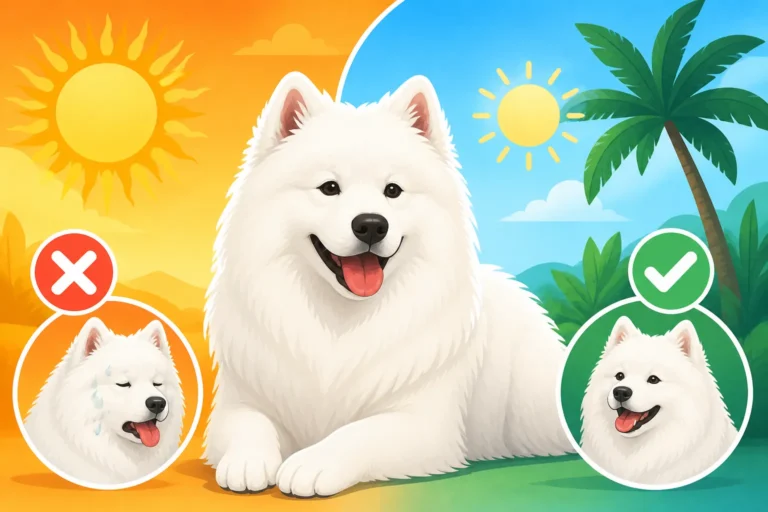
Let's talk about that legendary Samoyed coat. It’s not just for show; it's a marvel of natural engineering, directly evolved from the necessity of surviving unimaginable cold. The Samoyed's double coat—a soft, dense undercoat and longer, coarser guard hairs—is designed to trap warm air close to the body while repelling snow and ice. This is precisely How a Samoyed Survives Sixty Below. Many new owners are surprised to learn that this same coat also provides protection from heat, acting as insulation against the summer sun in their native lands, which can still get surprisingly warm, although nothing like a southern US summer! This is why you should never, ever shave your Samoyed, even if you think it'll cool them down.
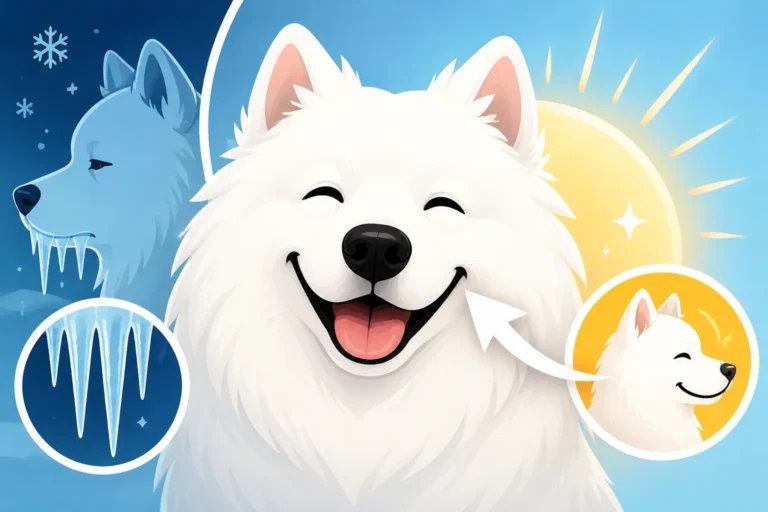
Beyond the coat, consider their "Samoyed smile." While it melts hearts, it also serves a practical purpose: preventing icicles from forming around their mouth, which could be painful and dangerous in freezing temperatures. Their dark, deep-set eyes are also protected from glare and biting winds. Even their tendency to lie in cool hollows in the summer, digging shallow beds in the earth, is a throwback to their ancestral methods of regulating body temperature on the tundra. You'll find great options for cooling mats and other summer essentials for your Samoyed at reputable pet supply stores like Chewy.
The Close Bond with Human Companions
The Samoyed's temperament is perhaps the most profound legacy of its Nenet heritage. These dogs weren't just working animals; they were literally family. They often slept inside the chum (traditional Nenet tent) with the families, especially with children, providing warmth in the freezing conditions. This is the origin of their deep desire to be near their people and why they often follow you from room to room. It was a matter of survival, and this instinct is still very much alive in them today. The Samoyed Slept in the Tent to Keep People Alive isn't just a poetic phrase; it's a historical fact that shaped their very being.
This close companionship fostered an incredibly gentle, trustworthy nature with people, especially children. They are not guard dogs; they were bred to live with their humans and other dogs, not to be aggressive towards strangers. A Samoyed would more likely greet a perceived intruder with a wagging tail and a request for ear scratches than with a territorial snarl. This inherent friendliness and lack of aggression made them ideal for their nomadic lifestyle, where they might encounter other tribes and their dogs.
The Nenets also valued intelligence and a certain degree of independence in their dogs. While they were companions, they also had to make decisions while herding reindeer or pulling a sled, especially when out of sight of their human masters. This independence is what often translates into the "stubborn" streak many Samoyed owners lovingly lament. They are intelligent dogs, but they want to know why they should do something, which can make training an interesting negotiation! You can delve deeper into What the Nenets Bred the Samoyed to Do to understand their roles.
Here’s a quick overview of how the environment shaped their traits:
| Trait | Environmental/Cultural Influence | Modern Manifestation |
|---|---|---|
| Thick Double Coat | Protection from extreme cold (-60°F) and moderate summer heat. | Requires regular grooming, prone to overheating in hot climates. |
| "Samoyed Smile" | Prevents ice from forming around the mouth in freezing temperatures. | Endearing facial expression; makes them look perpetually happy. |
| Deep-Set Dark Eyes | Protection from snow glare and wind. | Intelligent, gentle expression; less prone to eye irritation. |
| Close Human Bond | Slept inside tents for warmth, integral to family and survival. | Highly affectionate, prone to separation anxiety, "velcro dog." |
| Intelligence | Required to make decisions independently while herding/pulling. | Quick learners, but can be stubborn; excel in active sports. |
| Gentle Nature | Lived harmoniously with humans, children, and other dogs; non-aggressive. | Excellent family dogs, typically good with children and other pets. |
| Working Drive | Herded reindeer, pulled sleds, guarded herds. | Needs mental and physical stimulation; loves to "work" (e.g., pulling). |
Connecting the Ancient Past to Today's Sammy
Understanding the Samoyed's Russian origins isn't just a historical curiosity; it's key to appreciating the breed's strengths and managing their particular needs in our modern world. The lineage of these Arctic marvels directly influences everything from their grooming requirements to their exercise demands.
From Siberia to Global Recognition
It was in the late 19th and early 20th centuries that these magnificent dogs began to leave their isolated homeland. Explorers, captivated by their beauty and incredible stamina, brought Samoyeds out of Siberia and into the wider world. Figures like Ernest Kilburn Scott were instrumental in establishing the breed in England, from where they eventually made their way to North America and beyond. The Year the First Samoyed Reached England marked a pivotal moment for the breed's global journey.
These expedition dogs, like the famous Etah who accompanied Roald Amundsen to the South Pole, proved their mettle on some of the most challenging journeys in human history. How Polar Explorers Took Samoyeds Out of Siberia is a fascinating chapter in their story, showcasing their incredible endurance and loyal spirit. The Samoyed's role in these expeditions cemented their reputation as hardy, intelligent, and dedicated sled dogs, traits that were directly inherited from their Nenet working ancestors.
Today, while few Samoyeds herd reindeer, their innate desire to pull and work remains. Many Samoyed owners engage their dogs in activities like sledding, canicross, bikejoring, or even just pulling a cart in the neighborhood. Providing these outlets helps fulfill their ancient instincts and keeps them happy and well-adjusted. Just imagine your Samoyed, perhaps outfitted with a sturdy harness from Chewy, feeling that primal pull as they stride forward, a direct echo of their ancestors on the Yamal Peninsula.
Preserving the Heritage
For modern Samoyed owners, understanding this rich history isn't just about trivia; it's about responsible ownership. Their need for companionship, their impressive vocalizations (which are definitely more than just barking), their dense coat requiring diligent grooming, and their active minds all stem from their origins. When you bring a Samoyed into your home, you're not just getting a pet; you're welcoming a piece of Arctic history, a living legacy of the Nenet people and the Yamal Peninsula.
This historical context also underscores the importance of seeking out responsible breeders who understand and prioritize the breed's health and temperament. A good breeder will be able to tell you about the lineage of their dogs, often with an eye towards preserving the robust health and working characteristics that have defined the Samoyed for centuries. They understand that preserving the heritage means more than just a pretty face; it means honoring the entire package that made these dogs so invaluable to the people who first developed them.
So, the next time your Samoyed lets out a dramatic "scream" or tries to pull you down the street, remember their roots. Remember the vast, frozen plains of Russia, the resilient Nenet people, and the millennia of collaboration that forged the magnificent, smiling dog curled up at your feet. It's a heritage to be proud of and a history that deeply enriches the experience of sharing your life with a Samoyed.
Disclaimer
This article is for general informational purposes only and does not constitute professional advice. Laws, prices and regulations vary by location and change over time. Consult a qualified professional for guidance on your specific situation.