What Samoyed Owners Wish They Had Known
Oh, the Samoyed. That fluffy, smiling cloud of joy that captures hearts with just one glance! Many of us, myself included, saw that beautiful face and thought, "Yes, that's the dog for me!" But what many new Samoyed owners quickly discover is that there's a world of delightful, albeit sometimes challenging, realities hidden beneath that pristine white coat and ever-present smile. This guide dives deep into the things Samoyed owners often wish they'd known before bringing their furball home, helping you prepare for the unique joys and demands of this incredible breed.
The Reality of the Samoyed Coat and the Shedding
Let's be honest, the coat is what draws most of us in. It's magnificent, luxurious, and makes them look like a living snowdrift. What many prospective owners don't fully grasp, however, is the sheer volume of that coat and the dedication it demands. It's not just a pretty accessory; it's a full-time commitment.
The Never-Ending Snowstorm Indoors
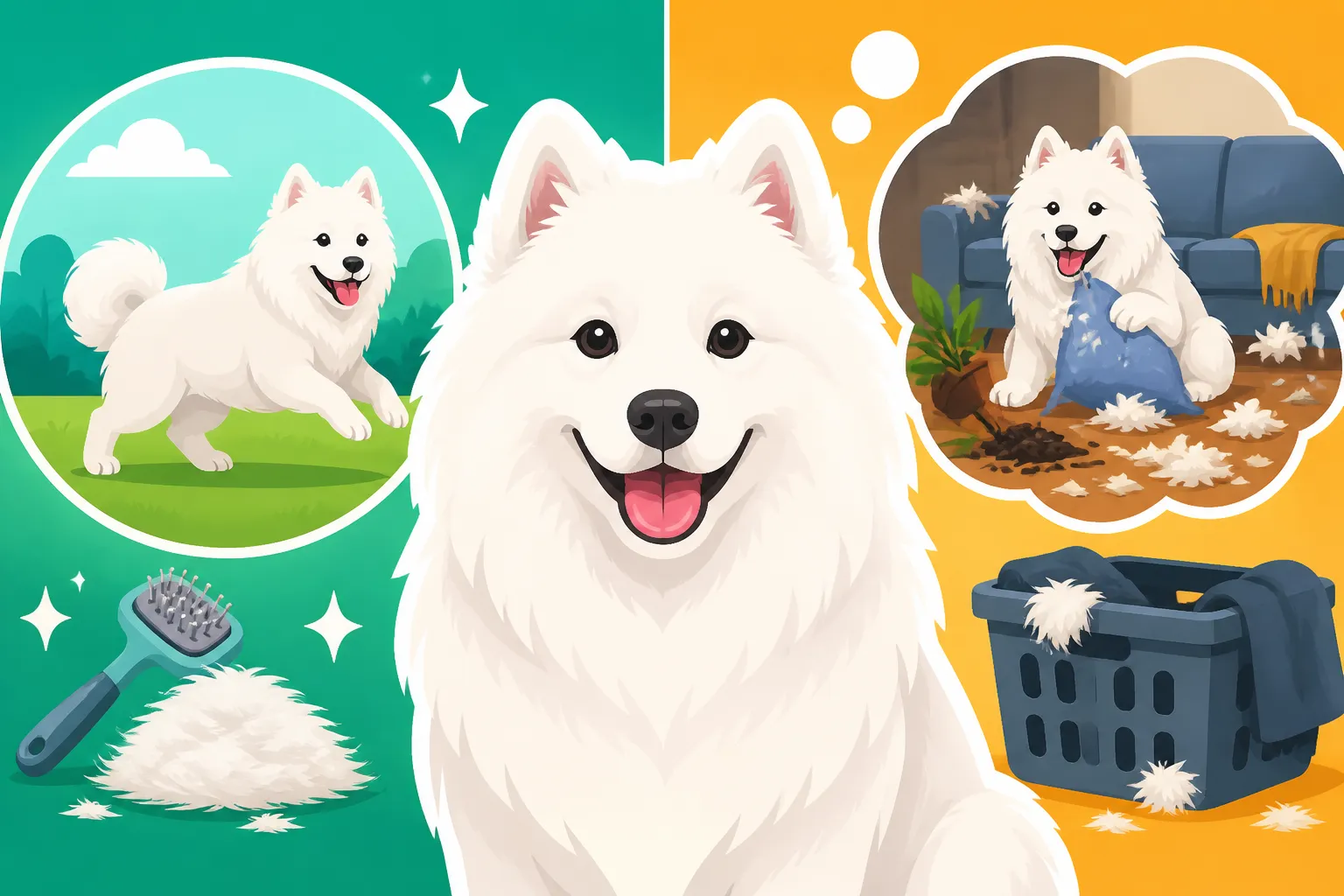
Imagine a winter wonderland, but it's always winter, and it's happening inside your home, year-round. Samoyeds shed. A lot. And when they "blow their coat," which happens typically twice a year (though sometimes it feels more frequent or constant), it's less like shedding and more like a blizzard. You'll find tumbleweeds of white fur rolling across your floors, clinging to your furniture, and even finding their way into your morning coffee. Your vacuum cleaner will become your new best friend, and you might consider investing in a heavy-duty model designed for pet hair, because your regular one just won't cut it. This isn't an exaggeration; it's a daily reality that takes some getting used to. Many owners find themselves asking What Twenty Pounds of Samoyed Undercoat Does to a House before they even realize it.
Grooming is a Full-Time Job, Not a Chore
That beautiful, fluffy coat doesn't just maintain itself. It requires consistent, thorough grooming to prevent mats, remove dead undercoat, and keep your Samoyed comfortable and healthy. Weekly brushing, often for an hour or more, is non-negotiable. During coat blows, you might find yourself brushing daily. Skipping a session means those soft undercoat hairs quickly felt together, forming painful mats that pull on their skin and can lead to skin infections. Professional grooming can be expensive, and while a skilled groomer is invaluable, the daily upkeep still falls to you. You'll need an arsenal of tools: slicker brushes, undercoat rakes, pin brushes, and a high-velocity force dryer (which, trust me, is worth the investment) to ensure their thick double coat is completely dry after a bath. Many new owners are surprised by What a Force Dryer Costs a Samoyed Owner, but it’s truly essential for proper coat care.
The Myth of the "Hypoallergenic" Samoyed
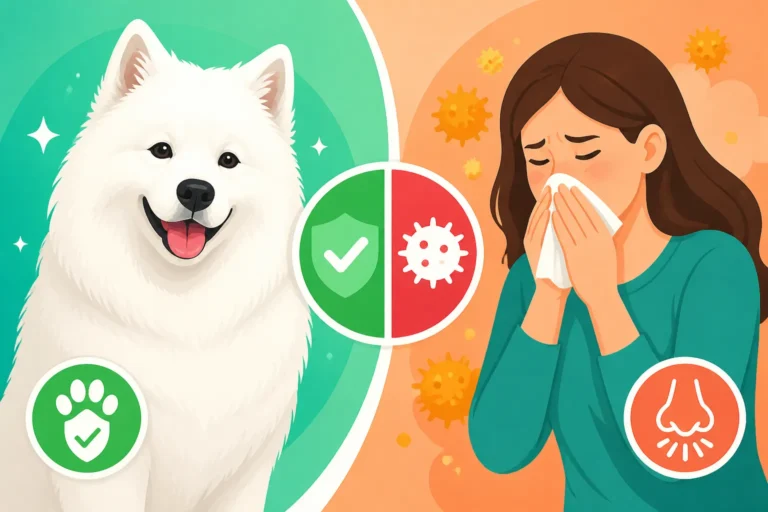
Despite their abundant fur, some people mistakenly believe Samoyeds are hypoallergenic. This couldn't be further from the truth. While some breeds may produce less dander (the actual allergen, not the hair itself), Samoyeds are not one of them. Their dense double coat, which sheds constantly, carries plenty of dander into your environment. If you or someone in your household has significant pet allergies, a Samoyed is likely not the right choice, no matter how much you love their smiling face. Living with a Samoyed means you'll always have some level of fur and dander present, and no amount of brushing or cleaning will eliminate it entirely.
The Samoyed Voice: More Than Just a Bark
Samoyeds are known for being vocal, but it's not always in the way you might expect. They are masters of communication, using a wide array of sounds that go far beyond a simple bark. This expressive nature can be endearing, but it can also be quite a surprise to the unprepared owner.
The Samoyed Scream and Its Many Meanings
If you've never heard a Samoyed "scream," you're in for a treat (or a shock, depending on your personality!). It's not a pain-filled yelp, but a high-pitched, often prolonged vocalization that sounds like a human screaming. They use it to express excitement, frustration, demand attention, or protest something they don't like. Imagine your Samoyed seeing a squirrel outside, or deciding you're taking too long to get their dinner ready – you might just hear the full force of The Samoyed Scream and Why It Is Not Barking. It's a sound that definitely gets attention, both yours and your neighbors'.
Living with a Talkative Cloud
Beyond the scream, Samoyeds "talk" a lot. They'll grumble, whine, sing, howl, and emit various "woo-woo" sounds that make them seem like they're having a full-blown conversation with you. This vocal nature is deeply ingrained in the breed. They might "talk back" when you give a command they disagree with, or express their joy with a series of happy yips and howls. It's part of their charm, but it requires patience and a good sense of humor. For some, What a Samoyed Sounds Like When It Talks is one of the most surprising things they learn about the breed, and it's certainly something to consider if you live in an apartment or close quarters.
Neighborhood Relations and the Samoyed Howl
While a Samoyed might not be a constant barker like some breeds, their howls and screams carry. A lonely Samoyed or one left with too much pent-up energy might express their feelings through prolonged howling, which can understandably cause friction with neighbors. Ensuring your Samoyed receives adequate exercise, mental stimulation, and company is crucial not just for their well-being, but also for maintaining peace with those living around you. Training a "quiet" command can be helpful, but it's an ongoing effort with such an inherently vocal breed.
An Independent Spirit: Training a Samoyed
The Samoyed is intelligent, no doubt about it. But that intelligence often comes with a healthy dose of independence and a strong will, which can make training a unique experience. They are not typically a "please the owner" breed; they are a "what's in it for me?" breed.
The "Negotiator" Mentality
Samoyeds are smart, but they're not always eager to comply just because you asked. They often have a "negotiator" mentality, weighing whether following your command is truly worth their while. This means training requires immense patience, consistency, and highly motivating rewards. What works for one dog might not work for a Samoyed, and you'll quickly learn that a firm, fair, and positive reinforcement approach is key. Punishment or harsh corrections rarely work and can damage the bond you share. Many owners find themselves grappling with Training a Samoyed That Finds Obedience Negotiable as they realize their fluffy companion has a mind of its own.
The Elusive Recall and the Call of the Wild
One of the biggest surprises for new Samoyed owners is just how unreliable their recall can be, especially off-leash. Samoyeds were bred to range, to herd reindeer over vast, open spaces. This means they have an innate instinct to explore and follow their noses. A squirrel, a blowing leaf, or an interesting scent can become an irresistible temptation, and suddenly, your perfectly trained Samoyed hears nothing but the call of the wild. This isn't a sign of disobedience; it's instinct. Because of this, most Samoyeds cannot safely be trusted off-leash in unfenced areas. A secure, tall fence and a long line for supervised outdoor time are essential.
Boredom: The Architect of Destruction
An under-exercised or under-stimulated Samoyed is a recipe for disaster. Their intelligence and energy, when not properly channeled, can lead to destructive behaviors. They might chew on furniture, dig craters in your yard (especially if they're trying to find a cool spot, a common Samoyed behavior, as described in The Digging a Samoyed Does Because It Is Hot), or even attempt to redesign your landscaping. Providing plenty of physical exercise, mental enrichment through puzzle toys, training sessions, and interactive play is crucial to keeping your Samoyed happy and your home intact. A bored Samoyed is a creative Samoyed, and their creativity rarely aligns with human interior design preferences.
Beyond the Pretty Face: High Energy and Specific Needs
While their cloud-like appearance might suggest a docile, low-key companion, the Samoyed is anything but. They are working dogs, bred for endurance, strength, and resilience in harsh conditions. This heritage means they come with significant energy levels and specific environmental needs.
The Need for a Job, Any Job
Samoyeds thrive when they have a purpose. Whether it's pulling a sled, participating in dog sports like agility or rally, going for long hikes, or even just carrying a backpack on walks, they need an outlet for their physical and mental energy. A simple walk around the block once a day is not enough for a Samoyed. They require vigorous, consistent exercise to stay healthy and well-behaved. Without a "job," they can become restless, anxious, and prone to those destructive behaviors we just discussed. Engaging them in activities like Whether a Samoyed Can Earn a Sledding Title can be incredibly rewarding for both dog and owner.
Heat Management is a Daily Battle
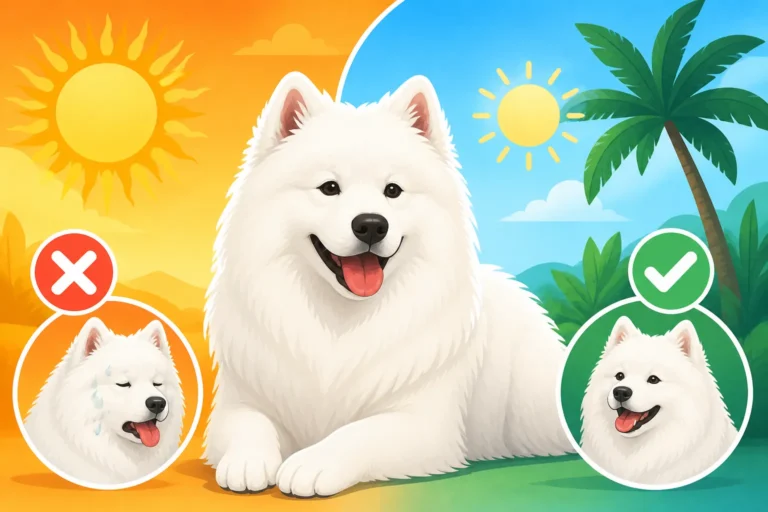
Originating from the freezing tundras of Siberia, Samoyeds are built for cold. Their dense double coat is fantastic insulation against sub-zero temperatures, but it becomes a serious challenge in warmer climates. Many owners are surprised by how quickly a Samoyed can overheat. What feels like a mild day to you can be dangerously warm for them. They need constant access to shade, fresh water, and ideally, air conditioning during hot months. Walks must be timed for early mornings or late evenings when temperatures are cooler, and vigorous exercise should be avoided in heat. Understanding A Samoyed Built for Sixty Below in an American Summer is critical for their safety and comfort.
The Social Butterfly Who Craves Company
Samoyeds were bred to live and work closely with humans, often sleeping in tents with their Nenet families. This history has instilled in them a deep desire for companionship. They are truly people-oriented dogs who thrive on being part of the family. They typically follow their owners from room to room, seeking interaction and physical proximity. This is why Why a Samoyed Wants to Be in the Room With You is such a defining trait. They don't do well when left alone for long periods and can develop separation anxiety, expressing their distress through howling, chewing, or destructive behavior. If you work long hours away from home or aren't prepared for a canine shadow, a Samoyed might struggle.
The Unexpected Costs of Ownership
Beyond the initial purchase price of a Samoyed puppy, which can be substantial from a reputable breeder, there are ongoing costs that often catch new owners by surprise. These aren't just the basics; they're breed-specific expenses that add up quickly.
The Hidden Grooming Expenses
As we touched upon, that magnificent coat comes with a price tag. If you opt for professional grooming, expect bills that are significantly higher than for short-haired breeds. A full groom, including bathing, drying, and extensive de-shedding, can be quite costly. If you choose to groom at home, you'll need to invest in quality tools – brushes, rakes, shampoos, conditioners, and especially that high-velocity dryer. These initial investments, while saving money in the long run, are still a considerable upfront cost. Even simple things like durable nail clippers or a good grooming table can add up.
Vet Bills and Breed-Specific Concerns
While Samoyeds are generally a healthy breed, like all purebreds, they have predispositions to certain conditions. Being aware of these and budgeting for potential veterinary care is crucial. Some common concerns include hip dysplasia, eye conditions like progressive retinal atrophy, and a serious kidney disease known as Samoyed Hereditary Glomerulopathy. While reputable breeders screen for these, it doesn't guarantee a lifetime free of issues. Regular vet check-ups, vaccinations, parasite prevention, and unexpected illnesses or injuries can lead to significant bills. It's wise to budget for things like special diets if issues arise, or even consider pet insurance, though be aware that insurance might not cover pre-existing conditions or certain breed-specific issues if not obtained early. Owners should always be on the lookout for How a Samoyed Hides Illness Behind a Smile.
Climate Control and Home Modifications
Living with a Samoyed often means making adjustments to your home and lifestyle. As discussed, air conditioning is almost a necessity in many parts of the world to keep them comfortable and safe from overheating. This can translate to higher electricity bills, especially in warmer months. You might also find yourself needing to upgrade your fencing (Samoyeds are intelligent escape artists who can dig, jump, and even open gates), or invest in extra-durable toys and beds from places like Chewy, because a bored Samoyed can make quick work of anything flimsy. Preparing your home for a Samoyed means thinking about their comfort and security from their unique perspective.
Here's a quick overview of some common "wish I knew" aspects for Samoyed ownership:
| Category | Common Owner Surprise / "Wish I Knew" | Impact on Owner |
|---|---|---|
| Coat & Grooming | The sheer volume of shedding, constant brushing required, the necessity of a force dryer. | Constant vacuuming, significant time commitment for grooming, potential high costs for professional grooming or investment in quality home grooming tools from retailers like Chewy. |
| Vocalization | The "Samoyed Scream," extensive talking, howling, and grumbling. | Potential for neighbor complaints, need for consistent "quiet" training, requires a high tolerance for noise, particularly when excited or demanding attention. |
| Training & Behavior | Independence, "negotiator" personality, unreliable off-leash recall, digging habits, destructive potential when bored. | Requires patience, consistent positive reinforcement, secure fencing, extensive exercise and mental stimulation, may require professional training (e.g., from a trainer recommended by your vet or found online through Chewy's network). |
| Energy & Exercise | Not a low-energy breed despite fluffy appearance, requires a "job," significant daily exercise. | Long walks/hikes, dog sports, potential for destructive behavior if under-exercised, need for an active owner. |
| Heat Tolerance | Very sensitive to heat, prone to overheating quickly. | Higher electricity bills for AC, restricted outdoor activity in warm weather, constant monitoring for signs of overheating, potentially needing cooling mats or vests. |
| Social Needs | Craves constant companionship, prone to separation anxiety. | Not suitable for owners who are away for long hours, may follow you everywhere, needs to be integrated into family life. |
| Costs | High grooming costs, potential for breed-specific health issues, increased utility bills, durable toy/bed replacements. | Requires significant financial commitment, budgeting for vet care and potential treatments (like monitoring What a Continuous Glucose Monitor Costs for a Samoyed), careful consideration of pet insurance. |
Ultimately, owning a Samoyed is a deeply rewarding experience, filled with boundless affection, playful antics, and that undeniably charming smile. But to truly enjoy life with one of these magnificent dogs, it's vital to go in with eyes wide open, understanding that their unique traits come with specific responsibilities. The more you prepare for these realities, the happier and healthier your Samoyed will be, and the more you'll cherish your fluffy companion.
Disclaimer
This article is for general informational purposes only and does not constitute professional advice. Laws, prices and regulations vary by location and change over time. Consult a qualified professional for guidance on your specific situation.