The Household a Samoyed Was Built For
It’s a common scenario: you see a gorgeous, fluffy Samoyed with that iconic smile, and you just know you want one. They look like living clouds, radiating pure joy, and it’s easy to fall head over heels for their appearance alone. But bringing a Samoyed into your life isn't just about admiring their beauty; it's about understanding the unique blueprint of a breed developed over thousands of years for a very specific way of life. This guide will help you determine if your household, and your lifestyle, truly aligns with what a Samoyed needs to thrive, ensuring both you and your future companion enjoy a long, happy life together.
Understanding the Samoyed's Ancestral Blueprint
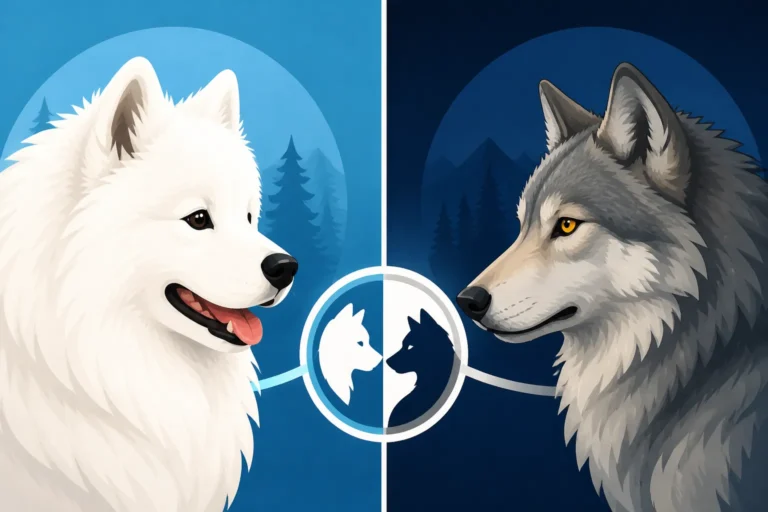
To truly understand what kind of household a Samoyed was built for, we have to travel back in time to their origins. These dogs aren't merely pets; they are living testaments to an ancient partnership between humans and canines, forged in some of the most unforgiving environments on Earth. Ignoring this history is like buying a high-performance sports car and expecting it to do well off-roading – it’s simply not what it was designed for, and you'll both end up frustrated.
The Nomadic Lifestyle and Close Human Bonds
Imagine the vast, frozen landscapes of Siberia, specifically the Yamal Peninsula. This is the homeland of the Nenets people, a nomadic tribe whose lives were intricately intertwined with their reindeer herds. The dogs that lived among them, the ancestors of our modern Samoyeds, were not kept in kennels or left to roam freely in a backyard. Instead, they were integral members of the family, sharing tents and sleeping arrangements. This close proximity wasn't just for companionship; it was a matter of survival. The dogs provided warmth, acting as furry hot water bottles in sub-zero temperatures, and in return, they received constant human interaction and protection.
This constant companionship has deeply imprinted itself on the Samoyed's psyche. They are, at their core, dogs who crave and require presence. Leaving a Samoyed alone for long stretches isn't just a minor inconvenience for them; it goes against millennia of evolutionary programming. They aren't independent loners; they are social creatures who thrive on being part of the pack, which, in a modern household, means being part of your family's daily life. They don't just tolerate human presence; they actively seek it out, often following you from room to room just to be near you. This isn't clinginess; it's just how they're wired. For more on this, check out Why a Samoyed Wants to Be in the Room With You. A household where people are frequently home, or where the Samoyed can be included in daily activities, is paramount.
A Life of Purpose: Herding and Pulling
Beyond providing warmth and companionship, the Samoyed’s ancestors had vital jobs. They were multi-talented working dogs, primarily used for herding reindeer and pulling sleds. Their intelligence, strength, and endurance were essential for the Nenets' survival. Herding reindeer across vast expanses required quick thinking, agility, and a strong work ethic. Pulling sleds, often laden with supplies or family members, demanded stamina and a willingness to work.
This history means that a modern Samoyed isn't content with just a leisurely stroll around the block. They possess an innate drive to do something. They need both physical and mental stimulation that goes far beyond what many first-time dog owners anticipate. Without a proper outlet for their energy and intelligence, these magnificent dogs can become bored, and a bored Samoyed is often a destructive Samoyed. This isn't them being "bad"; it's them trying to invent their own "job," which might involve redecorating your couch with their teeth or landscaping your yard with impressive craters. Understanding What the Nenets Bred the Samoyed to Do is key to appreciating their deep-seated need for activity.
Space Requirements: More Than Just a Yard
Many people mistakenly believe that a large dog needs a large yard, and if they have one, the dog will be content. While outdoor space is certainly a bonus, for a Samoyed, it’s far from the only, or even primary, requirement for a suitable living environment. Their needs are much more nuanced than square footage alone.
The Myth of the Backyard Dog
Let's debunk a common misconception right away: the Samoyed is not a "backyard dog." They are not meant to be left outside alone for hours on end, regardless of how large or beautiful your yard might be. As we discussed, their ancestral role was to live in close proximity to their human family. A Samoyed left isolated in a yard will often develop behavioral issues, driven by loneliness and boredom. This can manifest as incessant barking, destructive chewing, or becoming an escape artist of Olympic proportions. A robust fence is certainly necessary for their safety, as their wanderlust and prey drive are strong, but even a six-foot fence isn't always enough for a determined Samoyed who feels neglected.
Furthermore, Samoyeds are notorious diggers. This isn't just for fun; in their native climate, digging hollows in the snow helped them create insulated shelters. In warmer climates, they will dig to find cool earth. So, while a yard provides space for zoomies, it also offers ample opportunity for excavation projects if not properly managed and if their other needs aren't met. If you’re meticulously particular about your pristine lawn, a Samoyed might challenge your commitment to perfection! This is partly explained in The Digging a Samoyed Does Because It Is Hot.
Indoor Living: The Heart of the Home
For a Samoyed, the ideal "space" isn't measured in acres but in closeness to their human companions. They want to be where you are. If you're cooking in the kitchen, they want to be curled up near your feet. If you're watching TV, they'll be on the floor nearby, perhaps even draped across your lap if you allow it (and they're small enough!). This means that even if you live in an apartment, if you are actively engaging with your Samoyed and providing sufficient mental and physical exercise, they can thrive. A small space with constant human interaction is often preferable to a large estate where they are left to their own devices for most of the day.
When considering indoor living, you also need to think about their coat. Samoyeds shed, and when they "blow their coat" twice a year, it's an event. Their fluffy white fur will be everywhere. You'll find it on your clothes, your furniture, and even in your food if you're not careful. A household that embraces regular cleaning and grooming (and perhaps invests in a good vacuum from Chewy) is essential. They need soft, comfortable places to rest, preferably near the family, rather than being relegated to a distant corner of the house.
Energy Levels and Exercise Needs: Beyond a Daily Walk
This is perhaps one of the biggest eye-openers for new Samoyed owners. That beautiful, smiling face often hides a powerhouse of energy. These dogs were bred for endurance and a life of constant motion, and those instincts are still very much alive in the modern breed.
Sustained Activity for a Working Breed
A common mistake is thinking a quick walk around the block or a short romp in the yard is enough exercise for a Samoyed. It isn't. Not even close. Samoyeds need sustained, vigorous activity on a daily basis. We're talking about long walks, runs, hikes, or dedicated play sessions for at least an hour, often more, especially when they are young. Think of them as canine athletes. If you're an avid hiker, jogger, or enjoy outdoor adventures, a Samoyed could be a fantastic companion. They excel in activities like canicross, bikejoring, skijoring, and, of course, traditional sledding.
Without adequate physical exertion, a Samoyed will quickly become restless and invent its own ways to burn off energy. This can lead to destructive behaviors like chewing, digging, excessive vocalization, or even neurotic pacing. It's not malicious; it's simply a build-up of unspent energy. A household that values an active lifestyle and is committed to providing consistent, challenging exercise will have a much happier, calmer Samoyed. If your idea of daily exercise for a dog is letting them out into the yard, a Samoyed is likely not the right fit for you. Learn more about How Much Exercise a Samoyed Needs to set realistic expectations.
Mental Stimulation is Just as Crucial
Beyond physical exercise, Samoyeds are intelligent dogs who need their minds challenged. They aren't content to just lie around all day; they thrive on learning and problem-solving. This is where their "negotiable" obedience comes in – they're smart enough to understand what you want, but independent enough to decide if it's worth their while! Consistent training, puzzle toys, scent work, and other brain games are incredibly important.
A Samoyed who isn't mentally stimulated can be just as problematic as one who isn't physically exercised. They might become mischievous, trying to open cabinets, figure out how to escape their crate, or generally find ways to entertain themselves that aren't always ideal for household harmony. Enroll them in obedience classes, try agility, or teach them complex tricks. Anything that engages their sharp minds will help prevent boredom and destructive behaviors. They are truly brilliant, but their intelligence needs a positive outlet. Training a Samoyed That Finds Obedience Negotiable delves deeper into their unique approach to learning.
Climate Considerations: Built for the Cold, Not the Heat
This is a critical factor that many potential Samoyed owners in warmer climates overlook. That magnificent double coat, so perfectly designed for arctic temperatures, becomes a significant liability in hot weather.
The Realities of a Double Coat in Warm Climates
A Samoyed's coat is a marvel of natural engineering. It consists of a soft, dense undercoat that provides incredible insulation, and longer, coarser guard hairs that repel water and dirt. This combination keeps them warm in extreme cold, but it also helps to protect them from the sun's rays and even provides some insulation against heat. However, there's a limit. In prolonged high temperatures and humidity, this coat, for all its wonders, can become a heat trap. These dogs were not bred for temperate or tropical climates, and asking them to live in such conditions without significant intervention is unfair and potentially dangerous.
Signs of overheating can quickly escalate to life-threatening heatstroke. A Samoyed in a hot climate must have access to air conditioning indoors, plenty of fresh, cool water, and ample shade if they are outside even for short periods. Outdoor activities must be restricted to the coolest parts of the day, usually early morning or late evening. Never, ever shave a Samoyed in an attempt to "cool them down," as this actually compromises their natural insulation and exposes their sensitive skin to sunburn. For a deep dive into this, read A Samoyed Built for Sixty Below in an American Summer.
Adapting to Summer: Lifestyle Adjustments
If you live in a region with warm summers, your lifestyle with a Samoyed will need significant adjustments. Midday walks are out of the question. Pavement can get scorching hot, burning their paw pads, so even cooler grass can be preferable. Many Samoyed owners in hotter areas invest in cooling mats, kiddie pools (though some Samoyeds aren't big swimmers!), and ensure their home's air conditioning is always running during warm months.
Consider if your household can truly provide this. Can you afford the higher electricity bills for constant AC? Are you willing to adapt your exercise schedule to the cooler hours? Do you have a shaded yard, or are you prepared to keep your Samoyed primarily indoors during the heat of the day? This isn't just about comfort; it's about their health and safety. Understanding and implementing a robust Water, Shade and the Summer Plan for a Samoyed is non-negotiable for anyone bringing a Samoyed into a warm climate.
Social Dynamics: Family Life and Other Pets
Samoyeds are known for their gentle and friendly nature, earning them the nickname "Smiley Dog." This makes them generally good family dogs, but as with any large, active breed, there are considerations, especially regarding children and other animals.
The Samoyed with Children
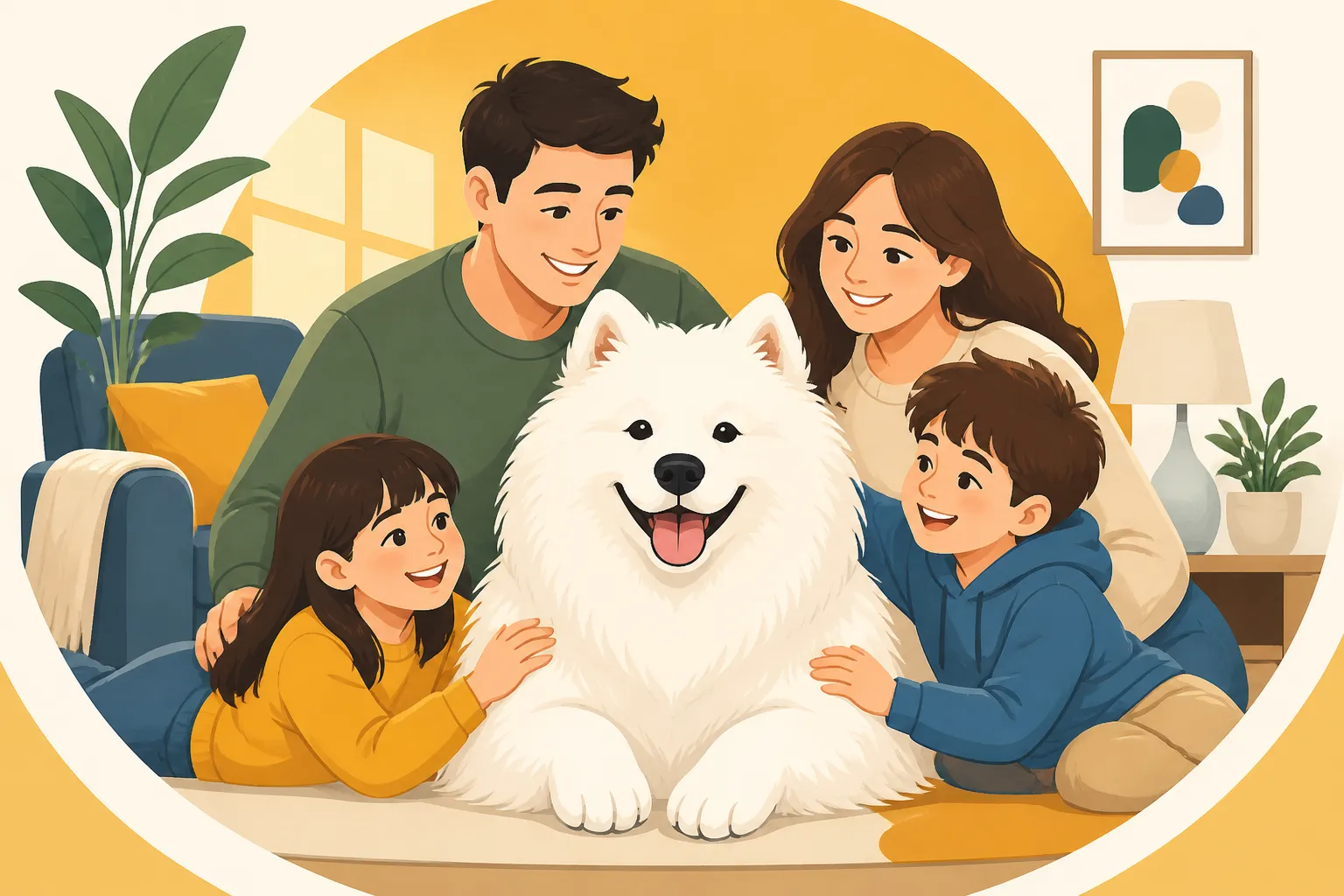
Generally, Samoyeds are wonderful with children. Their playful, gentle demeanor makes them natural companions for kids, and their thick fur makes them incredibly huggable (though teaching children proper dog etiquette is always important). Many Samoyeds seem to intuitively understand to be gentle with little ones, often engaging in soft nudges and patient interactions. However, it's crucial to remember that a Samoyed is still a large, powerful dog with an exuberance that can sometimes be overwhelming for very small children.
Supervision is always key. Children need to be taught how to interact respectfully with a dog, and the Samoyed needs a safe space to retreat if they feel overstimulated. Their herding instinct, which sometimes manifests as playful nips at heels, might be startling to a toddler, so early training and management are important. A family that is committed to teaching both children and dog how to coexist harmoniously will find the Samoyed to be a loving, devoted member of the family. A Samoyed With Children and Other Animals offers more insights into this important dynamic.
Coexisting with Other Animals
Samoyeds typically get along well with other dogs, especially if socialized from a young age. Many Samoyed owners find that their dogs enjoy the companionship of another canine, particularly if both are active and playful. Introducing a second dog should always be done carefully and gradually, but generally, Samoyeds are not known for dog-on-dog aggression.
However, their strong prey drive, a remnant of their hunting and herding days, can be a significant factor when it comes to smaller, non-canine pets. Cats, rabbits, guinea pigs, or even neighborhood squirrels can trigger this instinct. A Samoyed raised with a cat from puppyhood might learn to coexist peacefully, but even then, supervision is recommended. Introducing an adult Samoyed with an established prey drive to a cat or other small pet can be challenging and requires careful management, consistent training, and often, a dedicated integration plan. A household with small, vulnerable pets might need to consider if they can truly manage this potential challenge. It's always a good idea to research Whether a Samoyed Accepts Another Dog before expanding your furry family.
Time Commitment and Training: A Lifelong Investment
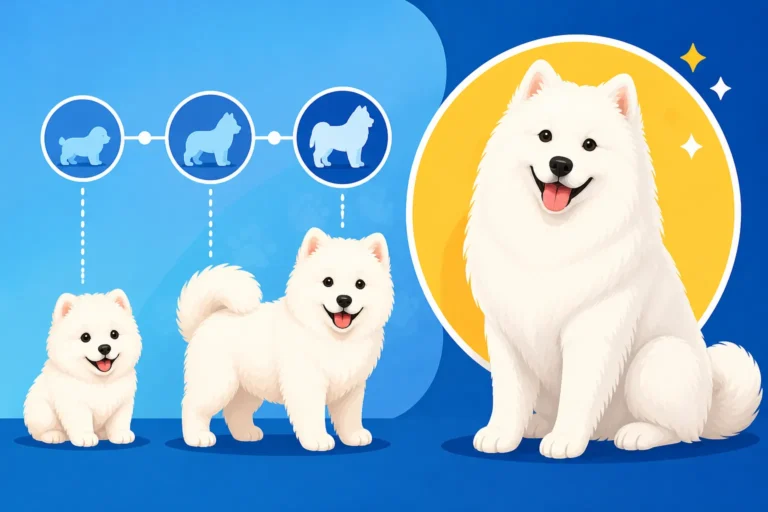
Bringing a Samoyed into your home is not a short-term commitment; it's a decision for the next 12-14 years. These dogs thrive on routine, consistency, and a significant investment of your time and effort, particularly in training and grooming.
The Vocal Nature: Managing the Samoyed Scream
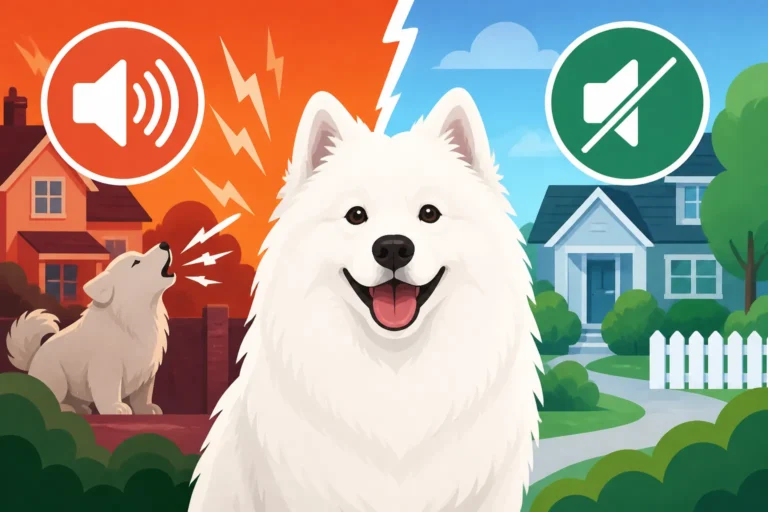
One of the most charming, yet sometimes challenging, traits of a Samoyed is their vocal repertoire. They don't just bark; they "talk." This can include a wide range of sounds: howls, grumbles, chuffs, happy yips, and the infamous "Samoyed scream" – a high-pitched, insistent vocalization often reserved for excitement, frustration, or a perceived injustice (like you daring to leave the room without them). This isn't typically aggressive, but it can be incredibly loud and persistent.
A household in a quiet neighborhood or an apartment building needs to be prepared for this. While training can help manage excessive vocalization, you'll never completely silence a Samoyed; it's part of their identity. Owners need patience, consistency, and a sense of humor. Early training to teach a "quiet" cue and ensuring their needs (exercise, attention) are met can help, but it's a lifelong management task. If you crave a truly silent household, a Samoyed might test your limits! Understanding The Samoyed Scream and Why It Is Not Barking is essential for prospective owners.
The "Negotiable" Obedience
Samoyeds are incredibly intelligent, but they are also independent thinkers. They were bred to make decisions about herding reindeer or navigating trails, not simply to blindly obey every command. This means their obedience can sometimes feel "negotiable." They know what "sit" means, but they might decide not to sit if there's a more interesting squirrel to chase or a more compelling smell to investigate. This isn't stubbornness in a negative sense; it's a remnant of their self-reliant heritage.
Therefore, a household needs to be committed to consistent, positive reinforcement training from day one, and for the duration of the dog's life. Harsh corrections are ineffective and can damage your bond with a Samoyed; they respond best to kindness, clear communication, and rewards. Puppy classes, advanced obedience, and continuing education are highly recommended. A Samoyed owner needs patience, a good sense of humor, and the understanding that while they can be highly trained, they will always retain a charming streak of independence. They are not a "push-button" dog.
Grooming and Maintenance: A Daily Ritual
Let's be realistic: that gorgeous white coat doesn't maintain itself. Samoyeds require significant grooming. This is not a wash-and-wear breed. They have a double coat that needs regular brushing – at least 2-3 times a week, and daily during their twice-yearly "coat blow" when they shed their entire undercoat. Failure to brush thoroughly and regularly will result in painful mats that can lead to skin infections and require professional shaving (which, as mentioned, is not ideal).
A household needs to be prepared for the time commitment and the tools required: slicker brushes, undercoat rakes, de-shedding tools, and a high-velocity force dryer (which can be a game-changer for drying after baths and during coat blows). You can find many of these essential grooming tools, like various brushes and shampoos, on Chewy. If you opt for professional grooming, be prepared for substantial bills. This is a non-negotiable part of Samoyed ownership, as neglected coats can quickly become a serious health issue. Understanding The Grooming Bill on Twenty Pounds of Samoyed Undercoat will give you a clear picture of what to expect.
Financial Considerations: Beyond the Purchase Price
Many people budget for the initial cost of a puppy, but often underestimate the ongoing financial commitment that comes with owning a large, purebred dog like a Samoyed. They are not a cheap breed to maintain, and a responsible household needs to be prepared for these expenses.
Ongoing Costs: Food, Vet, and Grooming
Let's break down some of the regular expenses:
- Food: Samoyeds, being active dogs, require a high-quality diet. While they are often efficient eaters for their size, the cost of premium kibble, or even fresh or raw food, adds up over a decade or more.
- Veterinary Care: Routine check-ups, vaccinations, parasite prevention, and unexpected illnesses or injuries can be costly. While generally a healthy breed, they are prone to certain genetic conditions, so regular vet visits are crucial. What Thirteen Years With a Samoyed Comes To gives a broader overview of lifetime costs.
- Grooming: As discussed, this is a significant recurring expense, whether you're buying professional services or investing in quality tools (again, Chewy is a great resource) for home grooming.
- Training & Enrichment: Classes, puzzle toys, leashes, harnesses – these are all ongoing costs for an engaged Samoyed owner.
Emergency Funds and Insurance
Beyond the routine, it's vital to have a plan for the unexpected. A Samoyed can experience sudden illness or injury, requiring emergency vet visits, specialized diagnostics, or even surgery. These costs can quickly run into thousands of dollars. A responsible household will either have a dedicated emergency fund for their pet or invest in pet insurance.
While pet insurance can be a lifesaver, it's important to understand what it covers and what it doesn't. Pre-existing conditions are typically excluded, so it's best to enroll your Samoyed when they are young and healthy. Some common Samoyed health issues, like hip dysplasia or certain eye conditions, might be covered if not pre-existing, but it's crucial to read policy details carefully. Preparing for potential health costs, like those covered in What Insuring a Samoyed With Two Known Diseases Costs, is a sign of a truly responsible owner.
Here's a quick overview of some household traits and how they align with a Samoyed's needs:
| Household Trait | Samoyed Compatibility | Explanation |
|---|---|---|
| Active Lifestyle | High | Essential. Daily vigorous exercise (running, hiking, dog sports) is non-negotiable for their physical and mental health. |
| Frequent Presence | High | Samoyeds crave companionship and being part of family activities. They do not thrive when left alone for long periods. |
| Patience & Consistency | High | Needed for training their intelligent but independent minds, managing vocalizations, and consistent grooming. |
| Commitment to Grooming | High | Their double coat requires significant, regular maintenance to prevent mats and keep them healthy. |
| Tolerance for Noise | Medium to High | They are vocal "talkers," howlers, and can "scream" when excited or frustrated. Not ideal for a desire for absolute quiet. |
| Tolerance for Shedding | High | They shed year-round, with two major "coat blows." Fur will be omnipresent. |
| Access to Cool Environment | High | Crucial in warmer climates. Air conditioning, shade, and careful management of outdoor time are vital to prevent overheating. |
| Secure Fencing | High | A strong, tall fence is a must. Their curiosity and prey drive can lead to escape attempts, and they are adept at digging. |
| Budget for Expenses | High | Beyond puppy cost, expect significant ongoing expenses for quality food, vet care, grooming, and potential emergencies. |
| Experience with Dogs | Medium | While gentle, their energy and independence can be a challenge for absolute first-time owners. Best for those willing to commit to extensive training and education. Whether a Samoyed Suits a First Time Owner explores this further. |
| Presence of Children | High | Generally excellent with children, given proper socialization and supervision, and teaching children how to interact respectfully. |
| Other Pets (especially small) | Medium to Low | Can get along with other dogs if socialized, but their prey drive can be a serious concern with cats or other small animals. |
The Ideal Samoyed Owner: Who Thrives with This Breed?
So, after considering all of this, what does the ideal Samoyed owner and household actually look like? It's someone who doesn't just see a pretty face, but understands the deep-seated needs of this remarkable breed.
Active, Engaged, and Patient Individuals
The Samoyed thrives with an owner who genuinely enjoys an active lifestyle and is eager to include their dog in it. This isn't just about going for walks; it's about making your Samoyed an integral part of your adventures, whether that's hiking, running, exploring dog parks, or participating in dog sports. They need an owner who is committed to daily exercise, rain or shine, hot or cold (with appropriate precautions for heat).
Beyond physical activity, the ideal Samoyed owner is engaged mentally. They understand that a Samoyed's intelligence needs channeling, so they're willing to commit to ongoing training, puzzle toys, and interactive play. They are patient, recognizing that their Samoyed is an independent thinker, and they embrace positive reinforcement methods, building a bond based on trust and mutual respect rather than dominance. They also have a good sense of humor and can appreciate the Samoyed's vocal "conversations" and charmingly mischievous streak.
A Flexible and Understanding Home Environment
The ideal household for a Samoyed is one that is flexible and understanding of the breed's unique quirks. It's a home where the Samoyed is considered a cherished family member, not just a pet that lives "in the background." This means:
- Time: You have the time to dedicate to their exercise, training, grooming, and companionship needs every single day.
- Space (emotional and physical): While a huge yard isn't strictly necessary, sufficient indoor space for them to be comfortable, and ample secure outdoor space for exercise and supervised play, is important. More importantly, there's emotional space for a dog that wants to be with you.
- Climate Preparedness: If you live in a warmer climate, you have made peace with the ongoing commitment to keeping your Samoyed cool and comfortable indoors, and adjusting your outdoor activities accordingly.
- Financial Readiness: You understand the financial commitment and are prepared for both routine and unexpected expenses, ensuring your Samoyed receives the best care throughout their life.
Ultimately, a Samoyed brings immense joy, a constant smile, and a unique, loving presence to the right home. They are not a low-maintenance breed, and they demand a significant investment of time, energy, and resources. But for the active, patient, and deeply committed individual or family who understands their ancestral heritage and loves their spirited nature, the Samoyed is an unparalleled companion, bringing endless fluff, fun, and frosty smiles into their lives.
Disclaimer
This article is for general informational purposes only and does not constitute professional advice. Laws, prices and regulations vary by location and change over time. Consult a qualified professional for guidance on your specific situation.