Whether a Samoyed Drinks More Than Other Dogs
It's a common observation for many Samoyed owners: you feel like your furry cloud is constantly at the water bowl, lapping away. This can lead to a nagging worry – are they drinking too much, or is this just normal for the breed? Understanding your Samoyed's hydration needs is crucial for their health, and this guide will delve into what influences their water intake, compare it to other breeds, and help you identify when their thirst might be telling you something more.
Understanding a Samoyed's Baseline Water Needs
Every dog needs water, that's a given, but the exact amount can feel like a mystery. You see your Samoyed take a long drink and wonder if that's standard for a dog their size, or if their unique physiology means they operate on a different hydration schedule. It's not just about quenching thirst; water is vital for countless bodily functions, from regulating temperature to aiding digestion and nutrient absorption.
General Guidelines for Dog Water Intake
As a rule of thumb, most dogs need about one ounce of water per pound of body weight per day. So, if your Samoyed weighs around 50 pounds, they'd typically need about 50 ounces of water daily. However, this is a very general guideline, and it's rare that any dog adheres strictly to it, let alone a Samoyed with their specific needs and environment. Think of it as a starting point, not a hard and fast rule.
Variables like age, activity level, and environmental temperature play a huge role, often throwing that baseline out the window. A lazy afternoon on a cool day will see significantly less water intake than a spirited romp in the park during warmer weather. It’s why you might feel like you're constantly refilling the bowl, especially if your Samoyed is more active or lives in a warmer climate.
It's also worth noting that dogs don't always drink consistently throughout the day. They might have periods of intense thirst, particularly after waking up, after a meal, or following a burst of activity. Trying to monitor every sip can become an obsessive task, so it’s more about understanding the overall patterns and looking for significant deviations rather than trying to hit a precise daily target.
Samoyed-Specific Factors for Baseline Needs
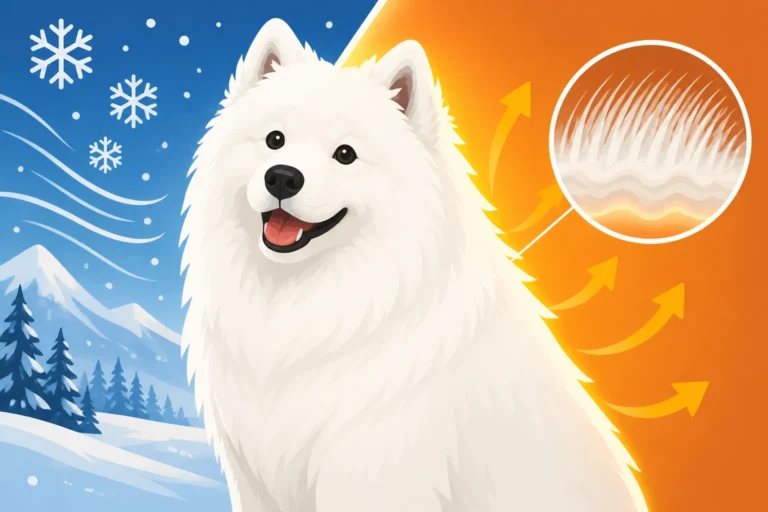
Samoyeds, with their thick double coats and energetic personalities, often have hydration needs that skew towards the higher end of the general guidelines. Their magnificent fur, while excellent for insulation against the cold, can also make them feel hotter in temperate climates, prompting them to drink more to regulate their body temperature. They are, after all, A Samoyed Built for Sixty Below in an American Summer.
A Samoyed's size and build contribute significantly to their water consumption. A healthy, active Samoyed male, weighing in around 50-65 pounds, will naturally require more water than a smaller, less active breed. Think about the sheer volume of their body that needs hydration and metabolic processes.
Furthermore, their active nature – even if they're just playing indoors – means they expend a lot of energy, which also increases their need for fluids. It's not uncommon for a Samoyed to feel warm to the touch under all that fur, even when it doesn't seem like they're doing much, making water an essential tool for cooling down.
Factors That Influence a Samoyed's Thirst Levels
Watching your Samoyed drink can be like watching a camel at an oasis sometimes, leaving you to wonder what's driving such vigorous consumption. Several factors play into how much your Samoyed actually drinks on any given day, far beyond just their baseline needs. Understanding these variables can help you distinguish normal fluctuations from concerning symptoms.
Environmental Conditions
This is perhaps the biggest influencer of your Samoyed's water intake. If you live in an area with warm temperatures or high humidity, your Samoyed will naturally drink more. Their thick double coat, designed for sub-zero temperatures, can make them feel significantly warmer than you might realize, even when you feel comfortable. Just imagine wearing a fur coat all summer long! This leads to increased panting to dissipate heat, and panting causes fluid loss, which then needs to be replenished. How Much Water a Samoyed Needs in Summer is often a lot more than you'd expect.
Even on seemingly mild days, if the sun is strong, your Samoyed can quickly overheat, increasing their need for water. It’s why having fresh, cool water readily available in multiple spots, both inside and outside, is non-negotiable. You might even consider a circulating water fountain, which many owners find on retailers like Chewy or Amazon, as some Samoyeds are enticed to drink more from moving water.
Conversely, in cooler months, you might notice a slight decrease in their water consumption. However, don't let this lull you into a false sense of security; indoor heating can dry out the air, leading to dehydration even in winter. Always ensure they have access to plenty of water, regardless of the season.
Diet and Hydration from Food
The type of food your Samoyed eats plays a surprisingly large role in their overall hydration. Dogs on a diet primarily consisting of dry kibble will naturally drink more water because their food contains very little moisture. Think about how thirsty you feel after eating a cracker versus a juicy piece of fruit – it's a similar principle for dogs.
If your Samoyed's diet includes wet food, or if you've ventured into fresh food options like those provided by companies such as Ollie, you'll likely see a decrease in their direct water intake from the bowl. These types of foods can contain up to 70-80% moisture, providing a significant portion of their daily hydration needs. This can be a great way to ensure they're getting enough fluid, especially if they're not naturally big drinkers, or if you're trying to prevent them from becoming excessively thirsty in warmer weather.
However, even with a moisture-rich diet, free access to fresh water is still paramount. It's a supplement, not a replacement, for readily available drinking water. Some owners even add a little water or low-sodium broth to their kibble to increase the moisture content, a simple trick that can make a big difference in keeping your Samoyed well-hydrated.
Exercise and Activity Levels
An active Samoyed is a happy Samoyed, but all that joyful running, playing, and exploring burns energy and leads to increased fluid loss. Whether they're engaged in a vigorous game of fetch, pulling a cart, or just enjoying a long walk, their body temperature rises, and they pant more to cool down. This panting expels moisture, which needs to be replaced.
You’ll undoubtedly notice a significant spike in their water intake immediately following exercise. This is completely normal and healthy. It's their body's way of rehydrating and restoring balance. Just like athletes need to replenish fluids, so do our canine companions, especially breeds like Samoyeds who love to move.
It's important to plan for hydration during and after activities. Carry a portable water bottle and bowl when you're out and about, and ensure a full bowl awaits them when they return home. For long periods of activity or very hot days, frequent small water breaks are better than allowing them to become parched and then gulping down a huge amount all at once, which can sometimes lead to an upset stomach.
How Samoyed Water Intake Compares to Other Breeds
It's natural to compare your Samoyed's habits to other dogs you've owned or seen, and often, Samoyed owners feel their dogs are perpetually thirsty. While the "one ounce per pound" rule provides a basic framework, it doesn't fully account for the unique characteristics that make a Samoyed, well, a Samoyed.
Breed-Specific Metabolic Rates
Different breeds have different metabolic rates, which can influence their overall energy expenditure and, consequently, their water needs. Highly active breeds, or those with genetic predispositions to certain conditions, might naturally have a higher fluid turnover. Samoyeds, being an active Northern breed, often fall into this category. Their joyful, energetic demeanor means their bodies are constantly working, demanding more fuel and more hydration to keep everything running smoothly.
This isn't to say a Samoyed has an "abnormally" high metabolic rate, but rather that their inherent drive and build contribute to a consistent need for readily available water. It's part of what makes them who they are. Their ancestors, working tirelessly in freezing conditions, relied on efficient body systems, and adequate hydration was certainly a part of that.
What might seem like excessive drinking to an owner of a more sedentary breed might be perfectly normal for a Samoyed. It's about adjusting your expectations to their breed-specific norms rather than a generalized dog standard.
Coat Type and Thermoregulation
A Samoyed's magnificent double coat is a marvel of nature, designed for extreme cold. It provides unparalleled insulation, trapping a layer of air close to the body. While fantastic for keeping them warm, in warmer climates or during periods of activity, this insulation can inadvertently trap heat, making it harder for them to cool down. Since dogs don't sweat like humans, they rely heavily on panting to cool themselves. And panting expends a lot of moisture. What a Samoyed's Double Coat Is Made Of is truly something special.
This means a Samoyed will naturally pant more than a short-haired breed in similar conditions, leading to a higher rate of water loss and, therefore, an increased need for replenishment. Their "smile" helps them pant more efficiently without drooling, but it doesn't stop the evaporative cooling process from consuming their internal water reserves.
So, while that glorious coat is a defining feature of the breed, it also makes vigilance regarding hydration crucial. You'll often see them seeking out cool spots, lying on tile floors, or digging shallow holes in the yard – all behaviors aimed at cooling down, which in turn reduces their reliance on panting and, consequently, water loss.
Comparison Table: Factors Influencing Water Intake
To illustrate how various factors can shift a Samoyed's hydration needs, consider this comparison:
| Factor | Low Impact on Water Intake | High Impact on Water Intake |
|---|---|---|
| Environmental | Cool, humid day, low activity | Hot, dry day, high humidity, sun exposure |
| Diet | High moisture wet food or fresh food (e.g., Ollie) | Dry kibble only |
| Activity Level | Sedentary day, napping indoors | Vigorous exercise, long walks, playing with other dogs |
| Health Status | Healthy, no underlying conditions | Diabetes, kidney disease, other dehydrating illnesses |
| Age | Middle-aged adult, stable health | Young puppy (higher metabolism), senior dog (organ function) |
This table highlights that it's a combination of these elements that dictates how often your Samoyed will visit their water bowl.
When to Worry: Signs of Abnormal Thirst in Your Samoyed
While it's clear Samoyeds can be enthusiastic drinkers, there's a fine line between normal, healthy hydration and excessive thirst that signals a potential problem. As an owner, it's easy to second-guess yourself, especially when you know they're a breed prone to certain health challenges. Your vigilance is your best tool here.
Recognizing Excessive Thirst (Polydipsia)
"Excessive thirst," clinically known as polydipsia, is generally defined as a dog drinking more than 100 ml of water per kilogram of body weight per day. For a 50-pound (approx. 22.7 kg) Samoyed, this would be more than 2.27 liters (or roughly 9.5 cups) of water daily, without extreme exercise or heat as a contributing factor. This is a lot of water.
However, rather than measuring every drop, look for behavioral changes. Is your Samoyed suddenly drinking much more than usual, even on a cool day after minimal activity? Are they waking you up at night to go out and drink? Are they fixated on the water bowl, acting desperate for water? Whether a Diabetic Samoyed Drinks Constantly is a common concern owners have. You might also notice a corresponding increase in urination (polyuria), which often goes hand-in-hand with polydipsia. They can't drink that much without needing to pee it out.
If your Samoyed suddenly drains their water bowl multiple times a day when they usually only empty it once, or if they start drinking from unusual sources like toilet bowls or puddles when they never used to, these are red flags. Don't dismiss these changes as "just a phase" or "they're a Samoyed, they just drink a lot."
Potential Health Concerns
Unfortunately, excessive thirst can be an early indicator of several serious health conditions. One of the most common concerns is diabetes mellitus, where the body can't properly use glucose, leading to high blood sugar and increased urination and thirst. Signs a Samoyed Has Become Diabetic often include polydipsia and polyuria. If you notice these signs, alongside sudden weight loss despite a good appetite, or cloudy eyes, it's imperative to get to the vet promptly.
Kidney disease is another major culprit. Compromised kidneys struggle to concentrate urine, leading to dilute urine and increased fluid loss, which the dog then tries to compensate for by drinking more. Whether a Samoyed Gets Ordinary Kidney Failure Too is a possibility, and hereditary conditions also exist in the breed. Conditions like Cushing's disease (overproduction of cortisol) or even certain liver problems can also manifest with increased thirst.
It can feel overwhelming to consider all these possibilities, which is precisely why quick veterinary attention is so important. A vet can run diagnostic tests to pinpoint the underlying cause and get your Samoyed the treatment they need. Early detection often leads to better outcomes.
When to Consult Your Vet
If you observe a consistent and unexplained increase in your Samoyed's water intake, especially if it's accompanied by other symptoms like changes in appetite, urination frequency, lethargy, or weight changes, it's time to call your veterinarian. Don't delay. What seems like a minor annoyance could be an early warning sign of something far more serious.
Your vet will likely perform a thorough physical exam and recommend a basic blood panel (including glucose and kidney values) and a urinalysis. These simple tests can provide a wealth of information and help rule out or diagnose many common conditions. Whether a Samoyed Needs Yearly Kidney Bloodwork is a good question to discuss with your vet as well, especially for this breed.
It’s always better to be proactive than to wait until symptoms become severe. Take notes on how much your Samoyed is drinking, when, and any other symptoms you've noticed. This information will be invaluable to your vet in making an accurate diagnosis. Remember, you know your Samoyed best, and your instincts are usually right when something feels off.
Disclaimer
This article is for general informational purposes only and does not constitute professional advice. Laws, prices and regulations vary by location and change over time. Consult a qualified professional for guidance on your specific situation.