Whether Cornstarch Cleans a Samoyed’s Coat
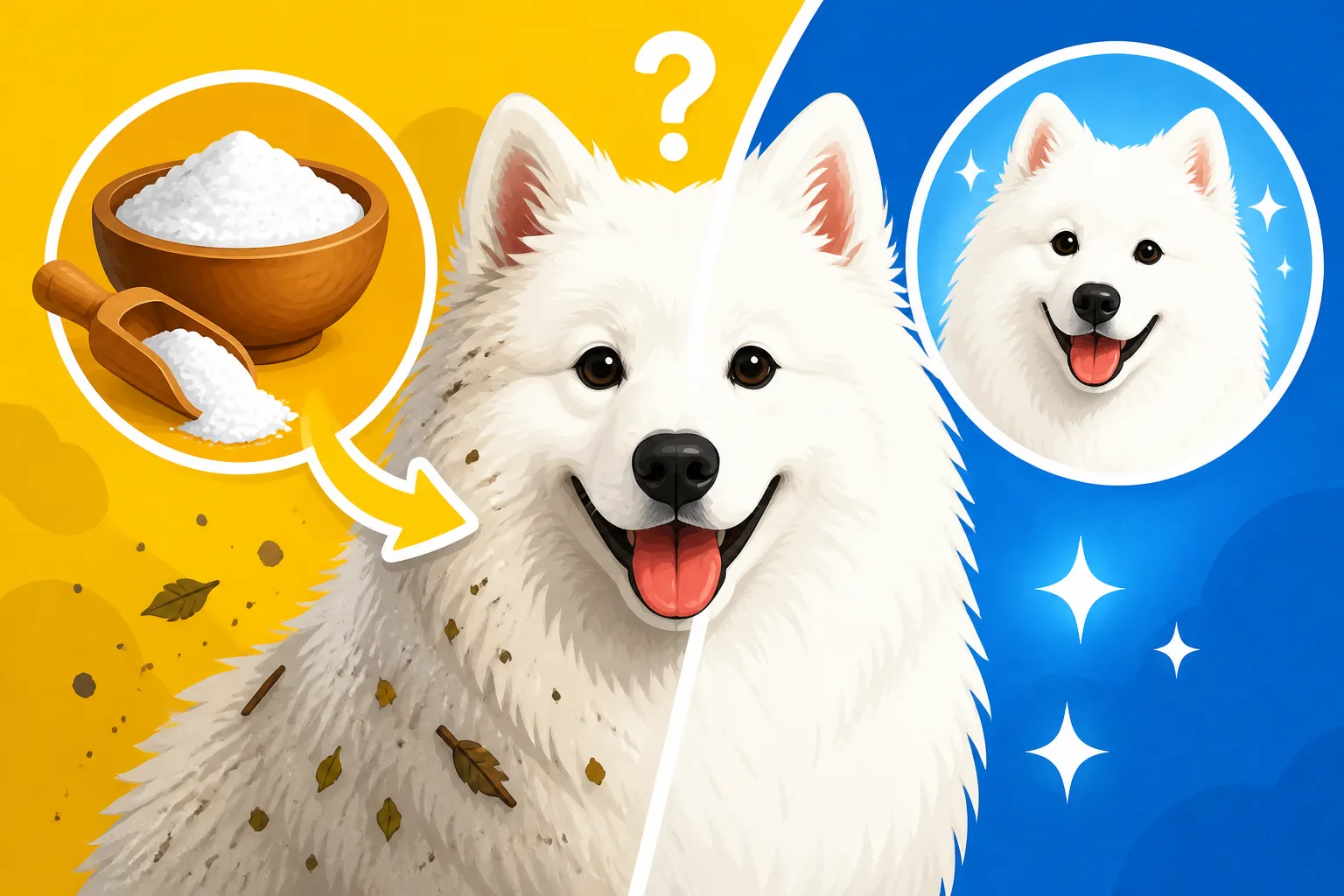
Keeping a Samoyed's glorious white coat pristine feels like a never-ending quest, doesn't it? One minute they're sparkling, the next they've found a mud puddle or decided to roll in something unspeakable. When you're faced with a sudden stain or a general dinginess but the thought of a full bath sends shivers down your spine, it's natural to eye household remedies. Many Samoyed parents wonder if a simple kitchen staple, like cornstarch, can really do the trick for a quick coat refresh. This guide will delve into whether cornstarch is a viable solution for cleaning your Samoyed's coat, exploring its potential benefits, significant drawbacks, and much better alternatives for maintaining that iconic fluff.
The Allure of a Dry Clean for a Samoyed's Coat
Oh, the joy of a truly clean Samoyed! Their brilliant white fur, like freshly fallen snow, is one of their most defining and beloved characteristics. But let's be real: maintaining that pristine look can feel like a full-time job. Our fluffy friends seem to have a magnetic attraction to dirt, mud, and anything else that can instantly transform their snowy splendor into a mottled mess. It's no wonder we're constantly searching for shortcuts and easy fixes.
The Battle Against Stains and Grime
If you live with a Samoyed, you understand this struggle deeply. It's a daily dance with dirt. Whether it's a romp in the park that ends with mud splatters up to their ears, an adventurous sniff in the backyard that results in grass stains, or simply the unavoidable yellowing around their mouth from food or urine stains on their hind legs, their coat is a magnet for the world's messes. And let's not forget the curious ways they manage to get dirty in seemingly clean environments! You wipe down their paws, only to discover later they've somehow acquired a mystery smudge on their shoulder. It feels like you're constantly fighting an uphill battle against the elements, and frankly, it can be exhausting. The sheer volume of their double coat means that any dirt seems to multiply and cling with surprising tenacity.
Why Waterless Solutions are So Tempting
The idea of a waterless bath, a quick spray or sprinkle that magically cleans and refreshes, is incredibly appealing for any Samoyed owner. Think about the epic saga that is a full Samoyed bath: the wrestling into the tub, the endless rinsing to get through that thick undercoat, the soaking wet dog shaking water everywhere, and then the monumental task of drying. Drying a Samoyed properly isn't just about towel-drying; it requires serious equipment, like a high-velocity force dryer, to get down to the skin and prevent mats, hot spots, and damp dog smell. This process can take hours, turning a simple grooming session into a major household event.
Knowing this, who wouldn't want a simpler way? A product that could absorb odors or lift minor stains without the whole production of a wet bath sounds like a dream come true. It’s about saving time, energy, and your sanity, especially when you just need to spiff them up for a quick outing or unexpected visitors. We just want our Samoyeds to look and feel clean without the immense effort involved in a full wash, and that desire makes us open to trying all sorts of alternatives, even those we might not fully understand.
How Cornstarch Might Work as a Spot Cleaner
The concept of using cornstarch as a dry cleaning agent for a Samoyed's coat isn't entirely pulled out of thin air. It stems from the understanding of cornstarch's inherent properties, which on the surface, seem to align with what you'd want in a dry cleaner: absorption.
The Absorbent Properties of Cornstarch
At its core, cornstarch is a fantastic absorbent. Think about its culinary uses: it thickens sauces by soaking up moisture, or it's dusted on foods to absorb excess oil before frying. This same principle is what makes people consider it for dry-cleaning applications. When applied to hair or fur, cornstarch has the ability to absorb oils, grease, and some superficial moisture.
Imagine your Samoyed has a bit of greasy grime on their leg from a particularly enthusiastic roll, or perhaps some damp, slightly muddy paw prints that have dried but left a dull residue. The idea is that the fine particles of cornstarch, when worked into the affected area, would bind to these oily substances and dry particles. It essentially acts like a microscopic sponge, pulling the unwanted elements out of the fur. This absorption is meant to refresh the coat by removing the things that make it look dull or feel greasy. It’s not about cleaning in the traditional sense, but more about blotting away the visible signs of dirt or oil.
Application and Expected Results
If you were to hypothetically use cornstarch on your Samoyed's coat, the process would typically involve a few steps. First, you'd want to identify the specific area that needs attention – usually a localized spot rather than the entire dog. You might sprinkle a small amount of cornstarch directly onto the soiled area. The key here is small amounts, as you don't want to overdo it and create a bigger powdery mess.
Next, you would gently work the cornstarch into the fur with your fingers, getting it down to the base of the hairs where the oils and dirt tend to accumulate. After a few minutes, allowing the cornstarch time to absorb the grime, you would then brush it out. The goal is to completely remove all the cornstarch, taking the absorbed dirt and oils with it. The expectation is that the brushed-out area would appear brighter, less greasy, and potentially smell a little fresher, offering a temporary aesthetic improvement. It’s definitely not a deep clean, more like a surface-level refresh, similar to how human dry shampoo might perk up your hair between washes. This quick fix is often pursued when you're desperate for a quick turnaround and don't have the hours for a full bath and dry.
The Realities and Potential Downsides of Using Cornstarch on a Samoyed
While the idea of a quick cornstarch clean is tempting, especially given the monumental effort of bathing a Samoyed, it’s crucial to understand that it’s not a miracle solution and comes with significant drawbacks. What seems like a harmless kitchen staple can actually cause more trouble than it's worth when applied to your Samoyed's magnificent double coat.
Limited Effectiveness on Deep Dirt and Stains
Let’s be clear: cornstarch is not a true cleaning agent. It doesn't break down dirt or kill bacteria like a shampoo does. Its function is purely absorbent. This means it's only effective for very superficial, usually oily or slightly damp, grime. Imagine your Samoyed has decided to roll in a particularly muddy patch after a rain shower – cornstarch simply won't cut it. It won't remove embedded dirt, dried-on urine stains that have actually discolored the hair, or deep-seated odors.
For example, if your Samoyed has the common issue of yellowing fur around their mouth or on their hindquarters from urine, cornstarch will do very little. Those are actual stains, often caused by natural oils reacting with bodily fluids, and require a proper wash with a dog-specific shampoo, possibly even a whitening or brightening formula, to address them. Cornstarch will not restore the brilliant white color to a truly stained area; it might just mask it with a chalky appearance temporarily. You might find some relief with products designed for Spot Cleaning a Samoyed Instead of Bathing It for these minor mishaps, but cornstarch isn't one of them.
The Risk of Skin Irritation and Residue Buildup
This is where cornstarch can become genuinely problematic for a Samoyed. Their thick, dense double coat is a marvel of insulation and protection, but it also creates a unique environment. If cornstarch isn't meticulously, completely brushed out, it can linger deep within the undercoat. This leftover powder can then become a breeding ground for yeast and bacteria, especially in warm, slightly humid conditions. Imagine a pet dog who loves to splash in the kiddie pool or gets caught in a summer rain shower – that dampness combined with residual cornstarch is an invitation for skin issues.
Moreover, cornstarch itself can be quite drying. While it absorbs oil, it doesn't differentiate between excess oil and the natural oils that are vital for healthy skin and coat. Repeated use or incomplete removal can lead to dry, flaky skin, itching, and potential irritation. For a breed already prone to certain skin sensitivities, this is a risk you really don't want to take. Proper brushing, as detailed in guides like How Often a Samoyed Needs Brushing, is essential for their coat health, and adding cornstarch just complicates the process.
Ingesting Cornstarch and Other Concerns
Beyond skin and coat health, there’s the issue of ingestion. Samoyeds are notorious for licking themselves, especially when something new is applied to their fur. While cornstarch is generally considered non-toxic in small amounts, consistent ingestion from grooming could potentially lead to mild digestive upset. More importantly, leaving cornstarch in the coat can change its texture. Instead of soft, fluffy, and clean, the fur might feel stiff, chalky, or even look dull. It can also make brushing more difficult, as the fine powder might create a drag or make the coat feel "gummy" if it interacts with any moisture. It detracts from the natural beauty and feel of a properly cared-for Samoyed coat, which is usually quite resilient and self-cleaning in many respects, as discussed in How a Samoyed's Coat Sheds Dirt on Its Own.
To truly appreciate the effort that goes into maintaining that gorgeous coat, consider that for a What a Full Groom on a Samoyed Costs it's not just about getting the dirt out, but about maintaining coat health.
| Feature | Cornstarch (DIY dry clean) | Dog-Specific Dry Shampoo/Spot Cleaner |
|---|---|---|
| Primary Action | Absorbs oils & moisture | Cleans, deodorizes, conditions |
| Effectiveness | Superficial grime, temporary | Targets stains, neutralizes odor |
| Residue Risk | High if not thoroughly brushed | Low, designed to dissipate or dry clear |
| Skin Safety | Potential drying/irritation | Formulated for pet skin & fur |
| Ingestion Risk | Moderate (non-toxic, but undesirable) | Low (pet-safe ingredients) |
| Cost | Very low | Moderate, but effective |
| Coat Feel | Can be chalky/dull | Leaves coat soft, fresh |
Better Alternatives for Keeping That Samoyed Sparkle
Instead of reaching for the cornstarch, which is really more of a temporary cover-up than a cleaning solution, there are far better and safer ways to maintain your Samoyed's magnificent white coat. The key lies in a combination of consistent preventative care, targeted solutions, and knowing when to call in the professionals.
Regular Brushing and Grooming Routines
The absolute best defense against a dirty Samoyed coat is a diligent brushing routine. This isn't just about making them look pretty; it's vital for their skin and coat health. Daily brushing, or at least several times a week, especially during their infamous "coat blow" seasons, will prevent mats, remove loose fur, and, critically, brush out much of the superficial dirt and debris that accumulates. A high-quality undercoat rake and a slicker brush are your best friends here. By regularly removing shed undercoat and surface grime, you prevent dirt from becoming embedded and forming stubborn stains. It's astonishing how much dirt can simply fall out of a dry Samoyed's coat with a good brush, a testament to How a Samoyed's Coat Sheds Dirt on Its Own. Consistent brushing also distributes natural oils, keeping the coat healthy and vibrant. If you're wondering How Often a Samoyed Needs Brushing, the answer is: often!
Targeted Spot Cleaning and Professional Products
For those inevitable minor mishaps between full baths, turn to products specifically formulated for dogs. These are designed to be safe for canine skin and fur, and often include ingredients that actually clean and deodorize, rather than just absorb.
- Dog-Safe Dry Shampoos: Brands like Earthbath or Bio-Groom offer waterless shampoos that use ingredients like oatmeal or baking soda to gently cleanse and neutralize odors without the need for water. These are usually sprays or foams that you work into the coat and then brush out. They are designed to dissipate cleanly and not leave irritating residue. You can often find a good selection on Chewy or Amazon.
- Paw Cleaners: For muddy paws, a dedicated paw cleaner or a simple wet cloth with warm water can work wonders. Some products even come with silicone scrubbers to make the job easier.
- Pet Wipes: Keep a stash of large, durable pet wipes handy. These are excellent for wiping away minor stains around the mouth, on the legs, or after a potty break. Look for hypoallergenic, fragrance-free options to avoid irritation.
These products are a far cry from cornstarch. They're formulated with your dog's unique skin and coat pH in mind, minimizing the risk of irritation or residue buildup. Always read the labels and choose reputable brands.
Strategic Bathing and Professional Grooming
While dry solutions are great for quick touch-ups, a full bath is sometimes unavoidable and indeed necessary for deep cleaning and coat health. The trick is to make these baths as efficient and effective as possible. When you do bathe your Samoyed, ensure you're using a dog-specific shampoo that is gentle and thorough. For white coats, there are brightening shampoos that can help. Guides like Which Shampoo Keeps a Samoyed White can offer good recommendations.
The most critical step in bathing a Samoyed isn't the washing, it's the drying. You absolutely must get their double coat dry down to the skin. This requires a high-velocity force dryer, not just towels or a human hairdryer. Improper drying is a recipe for skin issues, matting, and that dreaded "wet dog" smell. If you don't have a force dryer at home (and frankly, a good one is an investment, as outlined in What a Force Dryer Costs a Samoyed Owner), or if the thought of tackling a full Samoyed bath on your own feels overwhelming, don't hesitate to seek out a professional groomer. They have the expertise, equipment, and products to get your Samoyed sparkling clean and thoroughly dry, minimizing stress for both you and your furry friend. They can also advise you on proper coat care specific to your dog. Learning Drying a Samoyed to the Skin is a game-changer for at-home bathing.
Remember, a Samoyed's coat is designed to be relatively low-maintenance in terms of odor and self-shedding dirt, as mentioned in Why a Samoyed Barely Smells at All. Embrace regular, proper grooming and targeted pet-safe products, and you'll keep that stunning white coat in top condition without resorting to risky kitchen remedies.
Disclaimer
This article is for general informational purposes only and does not constitute professional advice. Laws, prices and regulations vary by location and change over time. Consult a qualified professional for guidance on your specific situation.