Whether a Samoyed Male Inherits the Gene From His Mother
It can be incredibly confusing and heartbreaking to navigate the world of genetic diseases in our beloved Samoyeds, especially when you're trying to understand how serious conditions like Samoyed Hereditary Glomerulopathy (SHG) are passed down. The idea that a seemingly healthy mother could pass a fatal kidney disease to her male puppies is a deeply concerning thought for any prospective owner or dedicated breeder. This guide aims to clear up that confusion, specifically addressing whether a Samoyed male inherits the SHG gene from his mother and why her genetic status is so critically important.
Understanding Samoyed Hereditary Glomerulopathy Inheritance
The journey to understanding Samoyed Hereditary Glomerulopathy, often abbreviated as SHG, starts with a dive into genetics. This isn't just a random health issue; it's a specific genetic condition with a very clear, albeit often misunderstood, pattern of inheritance. Knowing this pattern is crucial for anyone involved with Samoyeds, from the largest breeding kennel to the smallest family bringing home a new puppy. The implications for the health and lifespan of male Samoyeds, in particular, are profound. This knowledge empowers us to make better decisions for the breed's future.
The X-Linked Recessive Nature of SHG
Samoyed Hereditary Glomerulopathy is an X-linked recessive disorder. What does that mouthful mean for your fluffy friend? Well, it all comes down to chromosomes, those tiny structures within every cell that carry genetic information. Dogs, like humans, have sex chromosomes: females have two X chromosomes (XX), and males have one X and one Y chromosome (XY). The gene responsible for SHG, known as COL4A5, is located on the X chromosome. This single fact dramatically changes how the disease manifests and how it's passed down through generations.
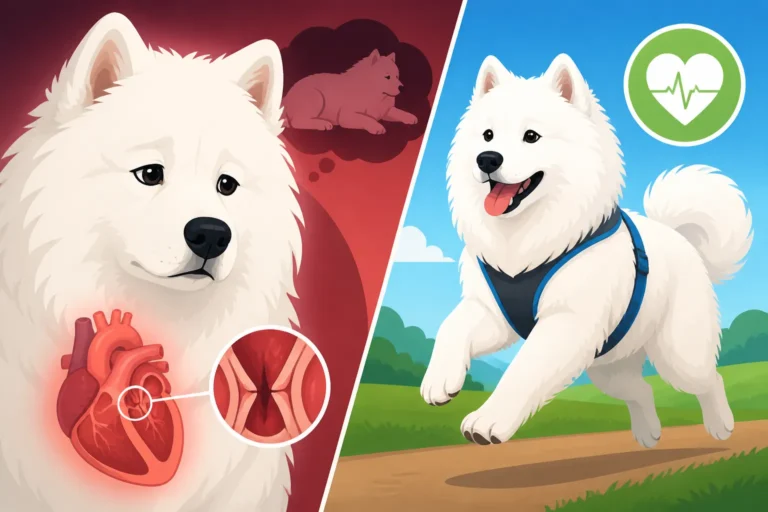
For a male Samoyed, inheriting an affected X chromosome from his mother means he will develop SHG. Because males only have one X chromosome, there's no "backup" healthy gene on a second X chromosome to compensate for the faulty one. It's a simple, stark reality: if his mother carries the gene and he inherits that specific X, he's affected. This explains why the disease so devastatingly targets male Samoyeds, often leading to kidney failure and death before they even reach fifteen months of age. The situation is truly unfair, watching these vibrant puppies decline so rapidly.
Why Fathers Don't Pass the SHG Gene to Sons
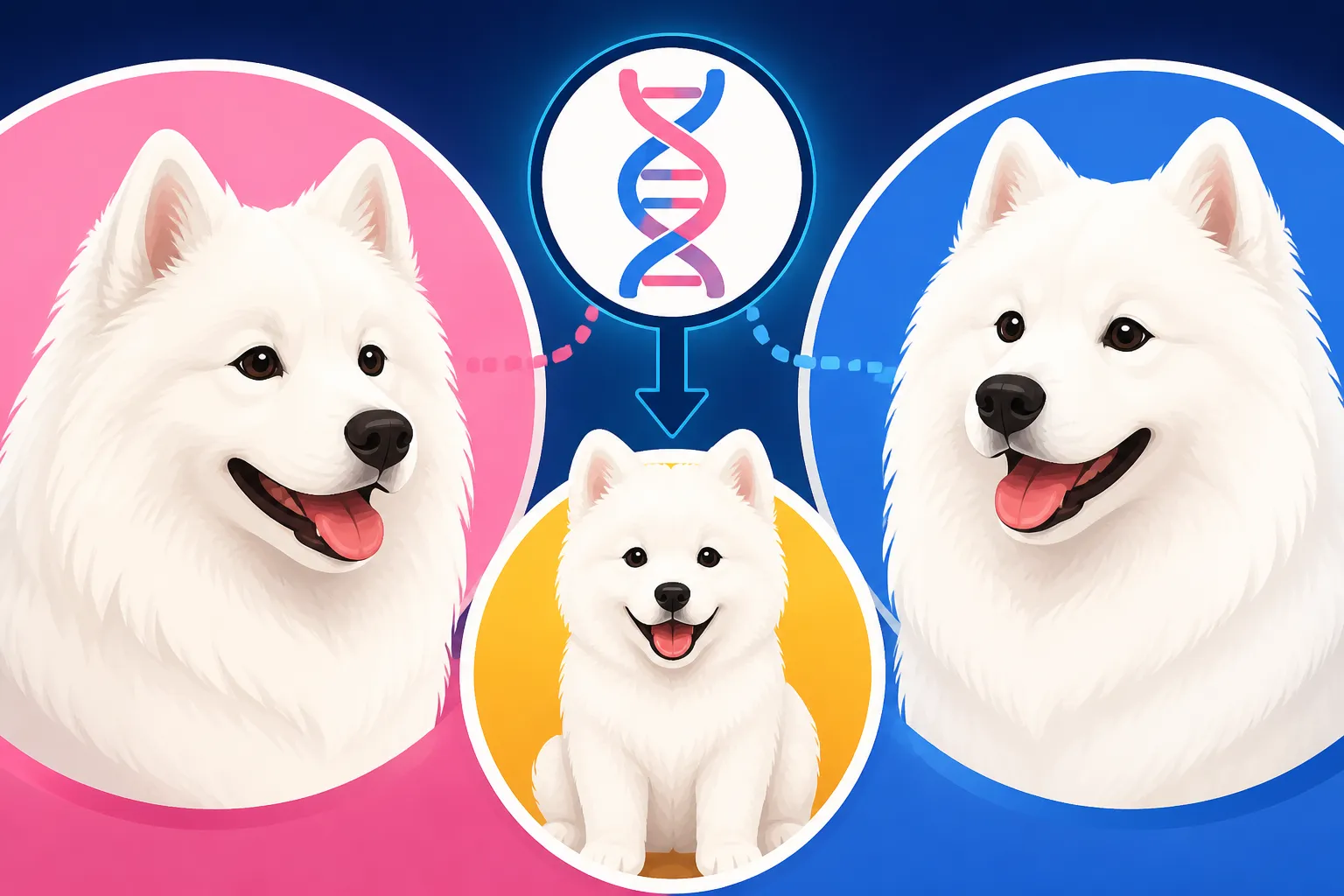
This is a common point of confusion, and it's essential to clarify: a male Samoyed cannot inherit the SHG gene from his father. This goes back to those sex chromosomes. When a male dog reproduces, he passes his Y chromosome to all his sons and his X chromosome to all his daughters. Since the SHG gene is located on the X chromosome, a father only ever passes his X chromosome to his female offspring. Therefore, if a male Samoyed is affected with SHG, the fault lies squarely with the X chromosome he received from his mother.
This genetic reality underscores why knowing the mother's genetic status is paramount. While a father's genetic health is always important for overall breed soundness, when it comes to the COL4A5 gene and SHG, his contribution to his sons' risk is precisely zero. This doesn't mean we ignore the health of the father, of course, but it highlights the specific maternal link for this particular disease. It's a key piece of the puzzle when you're considering a Samoyed puppy, especially a male, and trying to assess his future health prospects.
The Impact of a Carrier Mother on Her Male Offspring
Understanding that the mother is the crucial link for passing SHG to her sons can bring a mix of clarity and anxiety. It means that even a female Samoyed who appears perfectly healthy can be carrying a ticking time bomb for her male puppies. This concept of a "carrier" is central to X-linked recessive inheritance and is what makes this condition so challenging for breeders and owners alike. It's not always obvious who carries the gene, which is why testing has become such a vital tool.
The 50% Chance for Each Male Puppy
If a female Samoyed is a carrier for SHG (meaning she has one affected X chromosome and one healthy X chromosome), then every single male puppy she produces has a 50% chance of inheriting the affected X chromosome. This isn't a 50% chance for the litter as a whole; it's a 50% chance for each individual male puppy. You could have a litter of five male puppies from a carrier mother, and theoretically, all five could inherit the affected gene, or none of them could, or any combination in between. It's a genetic coin toss for every single boy.
This statistic can be incredibly disheartening for breeders who unknowingly breed a carrier female. Imagine the heartbreak of watching half of your male puppies, often the most outgoing and playful, begin to show the devastating signs of kidney disease. It's why diligent breeders go to such lengths to identify carrier females and make responsible breeding decisions. The goal is always to minimize the risk of producing affected males, thereby protecting the health and well-being of the breed.
Why Carrier Females Show Milder or No Symptoms
One of the reasons SHG can be so insidious is that carrier females often show very mild symptoms, or sometimes no symptoms at all, making them difficult to identify without genetic testing. As mentioned, females have two X chromosomes. In each cell of a female's body, one of the X chromosomes is randomly "inactivated" in a process called X-inactivation or Lyonization. This means that a carrier female will have a mix of cells, some using the healthy X chromosome and some using the affected X chromosome.
Because of this genetic mosaicism, the healthy X chromosome can often compensate for the faulty one, preventing the carrier female from developing the severe kidney disease seen in affected males. While they might show some very subtle signs of kidney issues later in life, such as mild protein loss in their urine, it's rarely life-threatening for them. This contrast between the carrier female's relatively robust health and her affected son's fatal illness highlights the cruel nature of X-linked recessive inheritance. It also explains why it's so easy for the gene to persist undetected in breeding lines without specific genetic screening. If you're wondering how these carrier females stay so healthy, you might find more insights in our article on "Why a Carrier Female Samoyed Stays Mild".
Essential Testing and Responsible Breeding Practices
Given the devastating impact of Samoyed Hereditary Glomerulopathy, particularly on male puppies, proactive measures are not just recommended, they are absolutely essential. This isn't about blaming anyone; it's about empowering owners and breeders with the knowledge and tools to safeguard the future of the Samoyed breed. Responsible breeding practices, underpinned by thorough genetic testing, are the cornerstone of preventing this tragic disease from continuing to affect these wonderful dogs.
The Importance of DNA Testing for Both Parents
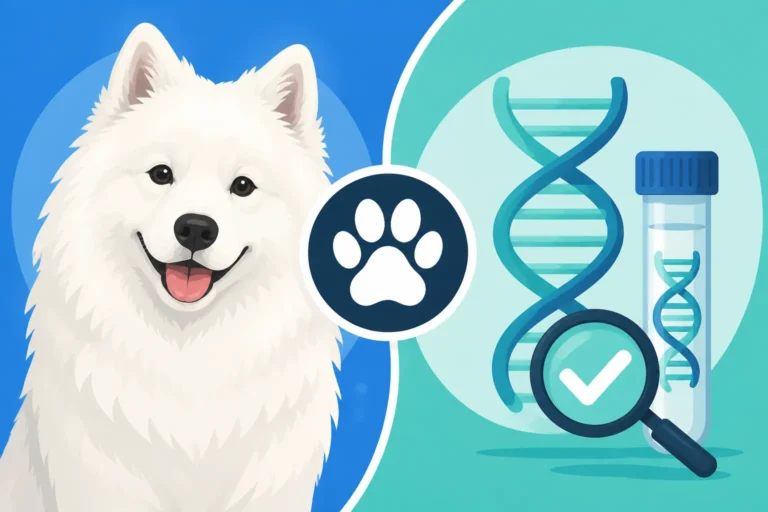
The good news is that we don't have to guess anymore. There's a highly reliable DNA test available that can definitively identify whether a Samoyed carries the COL4A5 gene responsible for SHG. Reputable laboratories like OptiGen offer specific tests for this condition. This test can tell you if a dog is clear (meaning they don't carry the gene), a carrier (meaning they carry one copy of the gene), or affected (meaning they have two copies of the gene if female, or one if male, and will develop the disease). Every Samoyed owner considering breeding, or even just buying a puppy, should insist on seeing the results of this test for both parents.
This is not a "nice-to-have" test; it's a critical piece of information. Asking about "The COL4A5 Test Every Samoyed Buyer Should Ask About" isn't just a smart move, it's a necessary one to ensure you're getting a puppy with the best possible start in life. The results from "The DNA Test That Finds the Samoyed Kidney Gene" are invaluable for making informed decisions about breeding pairs, ensuring that no affected male puppies are produced.
Making Informed Decisions for Future Generations
Once genetic test results are in hand, breeders can make truly informed and responsible decisions. The goal for any ethical breeder is to avoid producing affected puppies. This means never breeding a carrier female to an affected male (which is a theoretical risk as affected males die young), and ideally, avoiding breeding carrier females altogether, or at the very least, only breeding them to clear males and then testing all female offspring to identify and retain only clear daughters for future breeding. This strategy ensures the problematic gene is gradually phased out of the breeding pool.
This kind of careful genetic planning is how "How a Samoyed Breeder Avoids Producing Affected Males" becomes a reality. It's a long-term commitment, but one that is absolutely vital for the health of the breed. For potential puppy owners, demanding to see these test results is your right. It shows you that the breeder is committed to the health of their puppies and not just the aesthetics. It also provides a level of peace of mind regarding a condition that can have devastating financial and emotional costs. Planning for your Samoyed's future health, especially with conditions like SHG, is crucial, and that includes considering pet insurance. Many owners find that reputable providers like Healthy Paws can offer peace of mind, though it's always wise to check their policies regarding inherited conditions and pre-existing diagnoses before your Samoyed puppy develops any symptoms.
What Happens if a Male Samoyed Inherits the Gene
Despite the best efforts of responsible breeders, sometimes an affected male Samoyed is born. Perhaps the mother's carrier status was unknown, or testing was not yet available. If a male Samoyed does inherit the gene for Samoyed Hereditary Glomerulopathy, the prognosis is unfortunately grim. It's a condition that progresses relentlessly, stealing away their health and vitality far too soon. Understanding this progression is crucial for owners, allowing them to provide the best possible palliative care and make compassionate decisions when the time comes.
The Progression of Samoyed Hereditary Glomerulopathy
The journey for a male Samoyed affected by SHG is tragically predictable. The disease typically begins to manifest between three and six months of age, with progressive kidney damage. The key underlying problem is a defect in the collagen of the kidney's filtering units, the glomeruli, which leads to them becoming "leaky." This means they start losing essential proteins from the blood into the urine. Initially, owners might not notice much, but as the disease advances, you might start seeing "Signs a Samoyed Is Losing Protein in Its Urine", such as increased thirst and urination, and eventually, weight loss and lethargy.
As the kidney damage becomes more severe, the symptoms intensify. The dog's appetite might decrease, they might become nauseous, and their coat can lose its luster. This rapid decline is what makes "The Kidney Disease That Kills Samoyed Males Before Fifteen Months" so devastating. The kidneys are essential for filtering waste products from the blood, and as they fail, toxins build up, leading to kidney failure. It's a progressive, relentless march that often culminates in kidney failure and death before the dog reaches 15 months of age, a heartbreakingly short lifespan for a breed known for its longevity. For more details, you can read about "The Age a Samoyed Male First Shows Kidney Signs" and "How Fast a Samoyed Male Declines".
Management and Care for Affected Males
If a male Samoyed is diagnosed with SHG, the focus shifts to supportive care to manage the symptoms and maintain his quality of life for as long as possible. Unfortunately, there is no cure for SHG. Treatment aims to slow the progression of kidney damage and alleviate discomfort. This often involves specific medications, such as ACE inhibitors, which can help reduce protein loss through the kidneys and potentially slow the rate of decline. Dietary changes are also critical, with veterinarians often recommending a prescription renal diet that is lower in protein, phosphorus, and sodium to reduce the workload on the failing kidneys. Our article on "Whether a Renal Diet Extends an Affected Samoyed's Life" delves deeper into this.
Regular veterinary check-ups are paramount, including blood tests to monitor kidney function (BUN, creatinine) and urine tests to measure protein levels (urine protein:creatinine ratio). While it's a difficult journey, providing a comfortable, stress-free environment, ensuring adequate hydration, and addressing any secondary issues like nausea or anemia can make a significant difference in their day-to-day well-being. It's important to remember that while "Whether an Affected Samoyed Can Be Treated" is a common question, the treatments are palliative, not curative, focusing on comfort rather than a reversal of the disease. Pet insurance plans like Healthy Paws often cover diagnostics and ongoing care for such conditions if they are not pre-existing, making financial planning a bit easier for owners facing these tough realities.
Understanding SHG Inheritance at a Glance
To summarize the complex inheritance pattern of Samoyed Hereditary Glomerulopathy, here's a table outlining the genetic possibilities when a carrier female is bred to a clear male. This scenario is the most common way the gene is unknowingly passed through generations.
| Parent 1 (Mother) | Parent 2 (Father) | Male Offspring Outcome | Female Offspring Outcome |
|---|---|---|---|
| Carrier (X*X) | Clear (XY) | 50% Affected (X*Y) | 50% Carrier (X*X) |
| 50% Clear (XY) | 50% Clear (XX) |
Note: X represents an X chromosome carrying the SHG gene.*
This table clearly illustrates why the mother's carrier status is so pivotal for her male offspring. It also shows how the gene can continue to be passed on through carrier daughters, even if no affected males are produced in a particular litter. This highlights the ongoing need for genetic testing and responsible breeding practices across the board.
Disclaimer
The information provided in this article is for educational and informational purposes only and does not constitute veterinary advice. Always consult with a qualified veterinarian for any health concerns or before making any decisions about your Samoyed's health care or breeding plans. Genetic testing should always be performed by reputable laboratories, and results interpreted by veterinary professionals.