How a Samoyed Breeder Avoids Producing Affected Males
It’s absolutely heartbreaking to imagine bringing home a beautiful Samoyed puppy, full of life and promise, only to discover it carries a genetic time bomb that will cut its life tragically short. This specific pain point, the crushing reality of Samoyed Hereditary Glomerulopathy (SHG), is a fear many prospective owners live with, and for good reason. This guide is dedicated to shedding light on how truly responsible Samoyed breeders are actively working to prevent this devastating disease, ensuring the health and longevity of our beloved "Smiling Sammies."
Understanding Samoyed Hereditary Glomerulopathy
Samoyed Hereditary Glomerulopathy, often abbreviated as SHG, is a severe, X-linked inherited kidney disease that predominantly affects male Samoyeds. It's a condition that strikes at the very core of what makes these dogs so wonderful—their vitality and joy—and replaces it with a progressive, often fatal illness. When you talk to someone who has experienced it, the grief is palpable. It’s not just a medical condition; it’s a family tragedy.
The Devastating Impact on Males
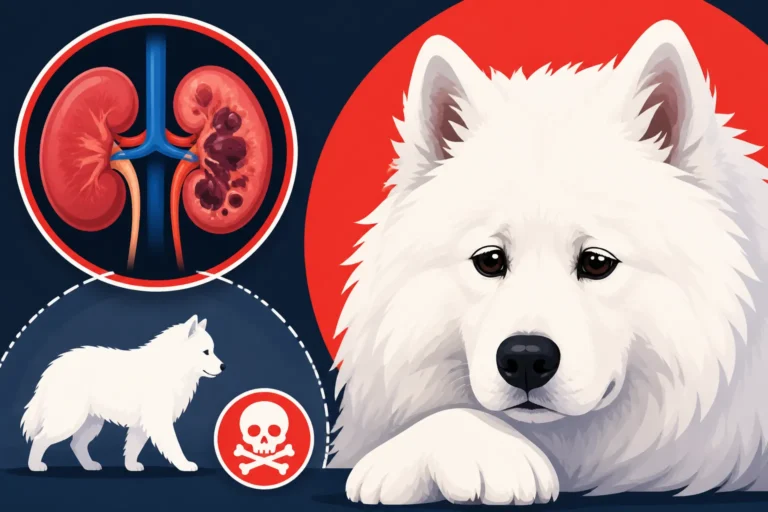
For male Samoyeds who inherit the gene for SHG, the prognosis is grim. These boys begin to show signs of kidney failure, typically between 3 and 15 months of age. Initially, symptoms can be subtle, like increased thirst or changes in appetite, making them easy to miss in an otherwise playful puppy. However, as the disease progresses, the kidneys' ability to filter waste products from the blood rapidly deteriorates. This leads to a build-up of toxins, causing lethargy, weight loss, vomiting, and a general decline in health. Tragically, most affected males succumb to kidney failure before they reach two years of age, often much sooner. It’s a rapid decline that leaves owners feeling helpless and devastated, watching their cherished companion fade away. Understanding The Kidney Disease That Kills Samoyed Males Before Fifteen Months is crucial for any owner or breeder.
Why Carrier Females Remain Mild
One of the unique, yet confusing, aspects of SHG is its X-linked inheritance pattern, which means it manifests differently in females. Female Samoyeds can be carriers of the SHG gene without developing the severe, early-onset kidney disease that affects males. Because females have two X chromosomes, if they inherit one normal gene and one affected gene, the normal gene typically compensates. This doesn't mean they are entirely unaffected; carrier females may exhibit mild, often subclinical, signs of kidney dysfunction later in life, usually after the age of four or five, if at all. However, they don't experience the aggressive, life-ending kidney failure seen in their male counterparts. This distinction is vital for breeders because it means a seemingly healthy female can still pass the deadly gene to her male offspring. This phenomenon is why Why a Carrier Female Samoyed Stays Mild is such an important topic for discussion among Samoyed enthusiasts.
The Genetics Behind Samoyed Hereditary Glomerulopathy
To truly grasp how breeders prevent SHG, we need to dive a little into the genetics. This isn't just academic; it's the fundamental knowledge that empowers breeders to make informed, responsible decisions for the health of the entire breed. It's about understanding the blueprint that dictates health or heartbreak.
The Role of the X Chromosome
SHG is an X-linked recessive disorder. In simple terms, this means the gene responsible for the disease is located on the X chromosome. All dogs, like humans, have sex chromosomes: females have two X chromosomes (XX), and males have one X and one Y chromosome (XY). When a male inherits an X chromosome with the SHG gene, he has no second X chromosome to provide a healthy, compensating gene. Therefore, he will be affected by the disease. Females, on the other hand, have that second X chromosome. If one X carries the faulty gene and the other carries a normal gene, the normal gene usually takes over, and the female becomes a carrier but remains largely healthy. This fundamental difference in sex chromosome composition is Why Samoyed Hereditary Glomerulopathy Only Devastates the Boys.
Understanding Carrier vs. Affected Status
This genetic setup creates three primary statuses related to SHG:
- Clear/Normal: Dogs (both male and female) who do not carry the gene on either X chromosome. They cannot develop SHG or pass it on.
- Carrier Female: Females who have one X chromosome with the SHG gene and one normal X chromosome. They typically do not develop severe disease but can pass the gene to half of their offspring.
- Affected Male: Males who have the SHG gene on their single X chromosome. They will develop severe, early-onset kidney disease.
It’s important to note that a male cannot be a "carrier" in the same way a female can, because if he carries the gene on his only X chromosome, he is affected. This understanding forms the bedrock of responsible breeding strategies aimed at eradicating SHG.
Why a Samoyed Male Inherits the Gene From His Mother
This is where it gets critical for breeders. Because males only have one X chromosome, and that X chromosome always comes from their mother, a male Samoyed must inherit the SHG gene from his mother to be affected. He cannot inherit it from his father, as his father only contributes the Y chromosome that makes him male. This means that if a breeder wants to prevent producing affected males, they must focus intently on the genetic status of the female parent. This pivotal fact is why Whether a Samoyed Male Inherits the Gene From His Mother is such a direct and important question for any prospective Samoyed owner.
The Essential DNA Test: COL4A5
In the past, predicting and preventing SHG was a heartbreaking guessing game, relying on observing clinical signs and tracking pedigrees. But thankfully, science has provided a definitive tool: the COL4A5 DNA test. This test is a game-changer and an absolute non-negotiable for any reputable Samoyed breeder.
What the COL4A5 Test Reveals
The COL4A5 DNA test directly identifies the presence or absence of the specific genetic mutation on the X chromosome that causes Samoyed Hereditary Glomerulopathy. It tells a breeder definitively if a dog is clear, a carrier, or, in the case of males, affected. This isn't a probability; it's a certainty. Knowing this information for every potential breeding animal allows breeders to make fully informed decisions, eliminating the guesswork and the tragic outcomes. This test is so crucial that it is often highlighted as The COL4A5 Test Every Samoyed Buyer Should Ask About. It helps breeders understand Why Collagen Failure Destroys a Samoyed's Kidney, providing a clearer picture of the disease mechanism.
How the Test Works in Practice
The COL4A5 test is a simple and non-invasive procedure. It typically involves collecting a buccal swab (a cheek swab) from the dog. The swab collects cells that contain the dog's DNA. This sample is then sent to a specialized veterinary genetics laboratory for analysis. Within a few weeks, the lab provides a report detailing the dog's genetic status regarding SHG: "Clear," "Carrier," or "Affected." This ease of testing means there is truly no excuse for any breeder not to screen their breeding stock. The results are permanent and only need to be obtained once in a dog's lifetime.
Which Lab Runs the Samoyed Kidney Test
Several reputable veterinary genetic testing laboratories offer the COL4A5 test for Samoyeds. A prominent example includes the Veterinary Genetics Laboratory (VGL) at the University of California, Davis, which has been instrumental in canine genetic research and testing. Other labs like Embark Veterinary also offer comprehensive genetic panels that include the COL4A5 mutation. Breeders often choose labs based on their reputation, turnaround time, and the comprehensiveness of their panels. It's a question every prospective puppy buyer should ask: Which Lab Runs the Samoyed Kidney Test for the parents of their potential puppy.
Responsible Breeding Practices with SHG Testing
Armed with the knowledge from genetic testing, responsible breeders employ specific strategies to ensure they never produce affected male Samoyed puppies. This isn't just about avoiding a problem; it's about actively promoting the health and longevity of the breed.
Screening All Breeding Stock
The cornerstone of preventing SHG is comprehensive health testing of all potential breeding dogs. This means both males and females intended for breeding should be tested for the COL4A5 gene. A responsible breeder will test their females to identify carriers, even though these females may appear completely healthy themselves. They will also test their males to ensure they are clear, as an affected male would obviously never be bred. This proactive approach ensures that breeders have a complete genetic picture of their breeding pool. Many discerning owners consider it essential that Whether a Samoyed Puppy Should Be Tested Before Purchase for this gene, or at least that the parents are tested.
Strategic Mating Decisions
Once the genetic status of prospective parents is known, breeders can make strategic mating decisions to avoid producing affected males.
Here's a breakdown of mating possibilities and outcomes:
| Female Status | Male Status | Possible Male Offspring | Possible Female Offspring | Recommendation |
|---|---|---|---|---|
| Clear | Clear | Clear | Clear | Ideal mating, no SHG risk |
| Clear | Affected | Affected | Carrier | Never do this! (Male should not be bred) |
| Carrier | Clear | 50% Clear, 50% Affected | 50% Clear, 50% Carrier | Acceptable if offspring are tested and affected males are not used for breeding and affected puppies are removed from the breeding pool. |
| Carrier | Affected | 50% Affected, 50% Affected | 50% Carrier, 50% Affected | Never do this! (Male should not be bred) |
As the table clearly shows, the only scenario where affected males are produced is if the mother is a carrier or affected. Since affected males are never bred (and shouldn't be), the focus is on the carrier female. A breeder can ethically breed a carrier female, but only if she is bred to a clear male. In such a mating, half of the male puppies will be clear, and half will be affected. Similarly, half of the female puppies will be clear, and half will be carriers. This means every single puppy from such a litter must be individually tested before placement, and any affected male puppies identified must be placed in companion homes with a full understanding of their health prognosis, or, sadly, responsibly euthanized to prevent suffering. Reputable breeders would never knowingly sell an affected male puppy to an unsuspecting family.
Educating Prospective Owners
A responsible breeder doesn't just test and breed; they educate. They are transparent about their health testing protocols and willing to share the results of all health clearances, including the COL4A5 test. This includes showing the actual results for both parents. They will explain the genetics of SHG, the importance of the test, and what it means for the puppy you are considering. They understand that transparency builds trust and helps prospective owners make truly informed decisions. This commitment often extends to discussing the long-term health plan for a puppy and recommending pet insurance options. While insurance providers like Healthy Paws can help manage unexpected veterinary costs, particularly for complex conditions, a responsible breeder aims to mitigate those risks upfront through thorough testing. Providing this level of information is a hallmark of an ethical breeding program.
Navigating Complex Breeding Decisions
Even with the COL4A5 test, breeding responsibly isn't always straightforward. Breeders face intricate decisions, especially regarding carrier females, that require careful consideration of individual dogs, genetic diversity, and the overall health of the Samoyed breed.
Dealing with Carrier Females
The question of whether a carrier female Samoyed should be bred is one that responsible breeders grapple with. While breeding a carrier female to a clear male does produce affected males (which then need to be identified and handled ethically), completely removing all carrier females from the breeding pool presents its own challenges. The Samoyed breed, like many purebreds, has a relatively limited gene pool. Ruthlessly eliminating all carriers, especially those from valuable or unique lines, could inadvertently narrow the gene pool further, potentially leading to an increase in other genetic problems or a loss of desirable traits.
Therefore, many responsible breeders practice "controlled breeding" with carrier females. This means:
- Strictly breeding them only to clear males.
- Testing every single puppy in the litter to identify affected males and carrier females.
- Placing affected males in loving pet homes with full disclosure about their prognosis and potential lifespan, or making the difficult decision to humanely euthanize.
- Carefully selecting which carrier females to keep for future breeding, if any, ensuring they are only bred to clear males and only if they possess exceptional qualities that outweigh the risk of passing on the gene. This careful management is why Whether a Carrier Samoyed Female Should Be Bred is a nuanced discussion, not a simple yes or no.
Maintaining Genetic Diversity
The balance between eradicating a specific disease and maintaining overall genetic diversity is delicate. If breeders were to simply remove all carriers from the gene pool without careful consideration, the long-term health of the Samoyed breed could suffer from reduced genetic variation, making them more susceptible to other diseases or less adaptable to environmental changes. Therefore, responsible breeders strive for a balanced approach: utilize genetic testing to make informed mating decisions that avoid producing affected individuals, while also preserving as much genetic diversity as possible. This means understanding How Common Hereditary Glomerulopathy Is in Samoyeds and the broader implications of breeding decisions. Pet insurance from reputable providers such as Healthy Paws can give owners peace of mind, knowing they have a safety net for unexpected medical needs, especially when navigating these complex genetic considerations.
The Age a Samoyed Breeder Avoids Producing Affected Males
The critical window for avoiding affected males begins even before conception. A breeder must ensure both parents are tested for the COL4A5 gene. If a female is a carrier, a male must be clear. This decision-making process happens months, even years, before a puppy is born. The DNA test for the parents is often done when the dogs are young, sometimes even as puppies themselves, to plan their future breeding careers. For males, if they are clear, they can be considered for breeding. If they are affected, they should never be bred. For females, if they are clear, they can be bred to any clear male. If they are carriers, they must only be bred to clear males, and their offspring must be tested. This vigilance is a continuous effort throughout a breeder's program.
Supporting the Future of the Samoyed Breed
Preventing SHG is a collective effort, not just the responsibility of a few dedicated breeders. It involves transparency, collaboration, and continuous advocacy within the Samoyed community to ensure the breed's health for generations to come.
The Importance of Transparency
Transparency is key to the progress of any breed health initiative. Responsible breeders openly share their health testing results, including those for SHG, with prospective puppy buyers and other breeders. They understand that hiding or downplaying carrier status does a disservice to the breed and to future generations of Samoyed owners. This openness allows for accurate pedigree analysis, helps new breeders learn from experienced mentors, and builds trust within the community. It also allows puppy buyers to feel confident in their purchase, knowing that their chosen breeder prioritizes health above all else. A health guarantee is often part of this transparent process, offering an additional layer of assurance to new families.
Collaboration Among Breeders
The fight against genetic diseases like SHG is strengthened by collaboration. Breeders who work together, sharing information, experiences, and even genetic lines, can make faster progress than those who operate in isolation. This can involve discussing breeding plans, sharing insights on specific dogs, and collectively utilizing genetic testing services. Breed clubs, like the Samoyed Club of America, play a vital role in facilitating this collaboration, often compiling health data and promoting best practices. This shared commitment to the breed's well-being helps ensure that SHG becomes an increasingly rare occurrence, and that the beautiful traits that make Samoyeds so special are preserved.
Advocacy for Health Testing
Finally, advocating for widespread health testing is crucial. This means encouraging all Samoyed owners and breeders to understand the importance of the COL4A5 test and to demand it for any breeding pair. It also involves supporting research into Samoyed health and educating the broader public about responsible pet ownership. When prospective owners understand the significance of health testing, they empower good breeders by seeking them out and shy away from those who cut corners. This demand creates a positive feedback loop, encouraging more breeders to adhere to high standards of health testing. While pet insurance options, like those from Healthy Paws, provide a safety net for unexpected illnesses, proactive health testing remains the most powerful tool for ensuring the future health of our beloved Samoyeds. This collective advocacy is essential for the long-term vitality of the breed and to ensure that The DNA Test That Finds the Samoyed Kidney Gene is widely adopted and utilized.
Disclaimer
This article is for general informational purposes only and does not constitute professional advice. Laws, prices and regulations vary by location and change over time. Consult a qualified professional for guidance on your specific situation.