Whether a Samoyed Is Sensitive to Anesthesia
The thought of your fluffy Samoyed undergoing any procedure that requires anesthesia can send a shiver down your spine. We all adore our Samoyeds for their boundless energy and happy smiles, but when it comes to medical interventions, a common fear surfaces: "Is my Samoyed more sensitive to anesthesia, and what can I do to keep them safe?" This guide is here to unravel those worries, providing comprehensive, realistic insights into how Samoyeds typically handle anesthesia and the crucial steps you and your veterinarian can take to ensure the smoothest, safest experience possible for your beloved companion.
Understanding Anesthesia Risks for Your Samoyed
Every time a beloved pet undergoes general anesthesia, a knot forms in our stomachs. It's an entirely natural reaction, rooted in the understanding that any medical procedure carries inherent risks. While modern veterinary anesthesia is incredibly safe compared to decades past, it’s never entirely without potential complications. For us Samoyed parents, that concern can be amplified by whispers or anecdotal stories about certain breeds reacting differently, leading us to wonder if our fluffy cloud dogs fall into that category.
General Anesthetic Concerns in Any Dog
Before we dive into Samoyed specifics, let's acknowledge the common risks associated with general anesthesia for any dog. These are the things your veterinary team meticulously works to prevent. They include:
- Adverse Reactions to Drugs: Just like people, dogs can have unpredictable reactions to anesthetic agents, ranging from mild allergies to more severe anaphylaxis. This is why a thorough patient history is so vital.
- Respiratory Depression: Anesthesia can slow breathing, leading to insufficient oxygen intake or carbon dioxide expulsion. Vets use ventilators and constant monitoring to prevent this.
- Cardiovascular Issues: Blood pressure can drop, heart rate can become irregular, or the heart's pumping efficiency might be compromised. This is especially critical in dogs with pre-existing heart conditions.
- Hypothermia: Anesthesia can interfere with a dog's ability to regulate its body temperature, leading to a drop in core temperature during longer procedures. This slows recovery and can lead to other complications.
- Prolonged Recovery: Some dogs simply take longer to wake up, which can be worrying for owners. This can be influenced by the type of drugs used, the duration of the procedure, and the individual dog's metabolism.
- Organ Damage: While rare, severe drops in blood pressure or oxygen supply can potentially damage vital organs like the kidneys or liver.
These general risks are why a skilled veterinary team, equipped with monitoring equipment and emergency protocols, is so indispensable. They're on high alert, constantly adjusting and responding to your dog's physiological needs.
Breed-Specific Considerations for Samoyeds
So, do Samoyeds have extra sensitivities? The good news is, by and large, Samoyeds are not considered a "high-risk" breed for anesthesia in the same way, for example, a brachycephalic (short-nosed) breed like a Bulldog might be. You won't typically find them listed alongside breeds with known anesthetic sensitivities like Greyhounds (due to lean body mass and drug metabolism) or Doberman Pinschers (due to potential Von Willebrand's disease or cardiomyopathy).
However, "not high-risk" doesn't mean "no considerations." Samoyeds, like all breeds, have their unique physiological traits that warrant attention. Their thick, insulating double coat, for instance, is a major factor in temperature regulation, which becomes critical during and after anesthesia. Their typically stoic nature, while admirable, can also mask early signs of discomfort or complications post-procedure, making vigilant monitoring at home all the more important. Additionally, certain genetic predispositions within the breed mean vets should be extra mindful of particular organ systems during pre-anesthetic screening.
Samoyed Physiology and Anesthesia Sensitivity
Understanding your Samoyed's unique physical characteristics and potential health predispositions is key to minimizing anesthetic risks. It’s not about finding a major flaw, but about being proactive and informed partners with your vet.
Temperature Regulation Challenges
This is perhaps the biggest and most obvious consideration for our Samoyeds. Their glorious, dense double coat, designed to protect them from the brutal cold of Siberia, can become both a blessing and a challenge under anesthesia.
- Hypothermia During Surgery: While operating, dogs are often lying still on a cool table, and their body's natural heat regulation is suppressed by anesthetic drugs. For a Samoyed, their coat can offer some insulation, but it can also make it harder for the veterinary team to detect a core body temperature drop without active monitoring. Preventing hypothermia is vital because it can delay recovery, impair blood clotting, and stress the cardiovascular system. Your vet will likely use warming blankets, forced-air warming systems (like a Bair Hugger), or even warmed intravenous fluids to maintain your Samoyed’s temperature during the procedure.
- Overheating During Recovery: Conversely, after the procedure, as your Samoyed starts to wake up, their thick coat combined with the residual effects of anesthesia affecting their ability to pant effectively (their primary cooling mechanism) can lead to overheating, especially in a warmer recovery room. It's a delicate balance. The veterinary team will be diligent in monitoring their temperature, but once they come home, it's crucial for you to be aware of Signs a Samoyed Is Overheating and how to manage their environment. Remember that Why a Samoyed's Coat Insulates Against Heat as Well as Cold means it's incredibly efficient, so it can quickly trap heat if not managed carefully.
Cardiovascular and Respiratory Health
While Samoyeds are not broadly known for specific widespread cardiovascular or respiratory vulnerabilities that complicate anesthesia, a thorough check is always necessary.
- Heart Health: Before any anesthetic event, your vet will listen carefully to your Samoyed's heart. This is standard practice for all breeds. However, it's worth noting that Samoyeds can, like many breeds, be susceptible to conditions such as Aortic Stenosis in a Samoyed. A heart murmur, which is an abnormal sound heard with a stethoscope, doesn't always indicate severe disease, but it warrants further investigation, such as an echocardiogram, to determine its significance before anesthesia. This is particularly important for young pups, making the knowledge of What a Samoyed Puppy's Heart Should Be Listened To critical even for routine spay/neuter.
- Respiratory Function: Samoyeds have a strong respiratory system suited for endurance. However, any dog, especially one undergoing anesthesia, needs clear airways and healthy lungs. Your vet will assess their breathing sounds and effort. While not a brachycephalic breed, their sometimes robust neck and chest can sometimes influence how easily an endotracheal tube is placed, but this is usually a minor consideration for an experienced vet.
Kidney Health and Drug Metabolism
The kidneys play a crucial role in filtering waste products and metabolizing drugs from the body. Healthy kidney function is paramount for safe anesthesia and recovery.
- Samoyed Hereditary Glomerulopathy (SHG): This is a serious, X-linked inherited kidney disease primarily affecting male Samoyeds, though carrier females can show milder signs. Males typically show signs of kidney failure and die before 15 months of age. If you have a male Samoyed, especially a young one, it's absolutely vital to discuss this with your vet. Even if your male Samoyed seems healthy, knowing What Samoyed Hereditary Glomerulopathy Does to the Kidneys and its prevalence should prompt a conversation about specific pre-anesthetic kidney evaluations.
- General Kidney Function: For all Samoyeds, regardless of sex or age, pre-anesthetic bloodwork includes kidney values (BUN, creatinine, SDMA). Abnormalities here could indicate compromised kidney function, which means the body might not be able to clear anesthetic drugs as efficiently, potentially leading to prolonged effects or increased toxicity. This is why Whether a Samoyed Needs Yearly Kidney Bloodwork is a wise preventative measure, helping to establish baseline values and detect problems early. If kidney disease is present, your vet will choose anesthetic drugs that are less reliant on renal excretion and provide IV fluid support to help protect the kidneys. Whether an Affected Samoyed Male Can Be Neutered Safely would depend heavily on the stage of kidney disease, requiring extremely careful assessment.
Essential Pre-Anesthetic Protocols for Samoyeds
The real magic to safe anesthesia lies not just in the drugs themselves, but in the meticulous planning and preparation before your Samoyed even sets a paw in the operating room. This is where you, your vet, and potentially pet insurance like Healthy Paws, work as a team.
Comprehensive Health Screening
Before any anesthetic procedure, a thorough assessment is non-negotiable. This isn't just a formality; it's a critical step to identify any underlying conditions that could increase anesthetic risk and allow the veterinary team to mitigate those risks.
- Bloodwork and Urinalysis: This is the cornerstone of pre-anesthetic screening. A complete blood count (CBC) checks for anemia, infection, and clotting ability. A chemistry panel assesses organ function, including the liver and kidneys, and blood glucose levels. A urinalysis provides further insight into kidney function, hydration status, and can detect urinary tract infections. It’s absolutely crucial to insist on Whether a Samoyed Needs Pre Anesthetic Bloodwork every single time, even for routine procedures.
- Cardiovascular Evaluation: Beyond listening to the heart, your vet might recommend additional tests if any abnormalities are detected or if your Samoyed is considered high-risk due to age or breed predisposition. This could include an electrocardiogram (ECG) to assess heart rhythm, or even chest X-rays to evaluate heart size and lung health.
- Communication is Key: Be completely honest with your vet about your Samoyed’s history. Have they ever had a cough? Do they seem to drink more water than usual? Have they had any unexplained weight loss? Remember, How a Samoyed Hides Illness Behind a Smile is a real phenomenon; their perpetually happy expressions can make it difficult to spot subtle signs of illness. You are their best advocate, and sharing every observation, no matter how small, can provide critical clues. This is also where having a pet insurance plan, such as through Healthy Paws, can give you peace of mind, knowing that you're covered for the diagnostic tests needed to ensure the safest possible procedure.
Tailored Anesthetic Plan
Once all the health information is gathered, your veterinary team won't just use a one-size-fits-all approach. They'll craft an anesthetic plan specifically for your Samoyed.
- Individualized Drug Choices: Based on your Samoyed’s age, health status, and the specific procedure, your vet will select a combination of anesthetic agents. Some drugs are gentler on the kidneys, others on the heart. Some have shorter durations of action, allowing for quicker recovery. For instance, an older Samoyed approaching The Age a Samoyed Counts as a Senior might require different drug protocols than a young, healthy puppy being spayed or neutered. Caring for an Old Samoyed often involves more careful anesthetic planning.
- Pain Management: A comprehensive plan includes pre-emptive pain relief, often starting before the procedure even begins. This not only makes your Samoyed more comfortable but can also reduce the overall amount of anesthetic drugs needed.
- Fluid Support: Intravenous fluids are almost always administered during anesthesia. They help maintain blood pressure, ensure good organ perfusion, and aid in the excretion of anesthetic drugs. This is particularly beneficial for kidney health.
Communication with Your Vet
Never hesitate to ask questions. You have every right to understand what will happen to your Samoyed.
- Pre-Anesthetic Consultation: Ask about the specific drugs they plan to use, what monitoring equipment will be employed, and who will be monitoring your Samoyed throughout the procedure.
- Risks and Benefits: Discuss the specific risks identified for your Samoyed and how they plan to mitigate them. It’s a good idea to confirm if your vet is comfortable and experienced with anesthetizing breeds like Samoyeds, especially if they are a rarer breed in your specific area.
- Cost and Coverage: Understanding the costs involved, including all pre-anesthetic diagnostics and post-operative care, is important. This is another area where a robust pet insurance policy from a provider like Healthy Paws can be invaluable, covering unexpected complications or extensive monitoring.
Monitoring and Post-Anesthetic Care
The care doesn't stop once the drugs are administered. Continuous monitoring during the procedure and vigilant care during recovery are paramount to a safe outcome.
Intensive Monitoring During the Procedure
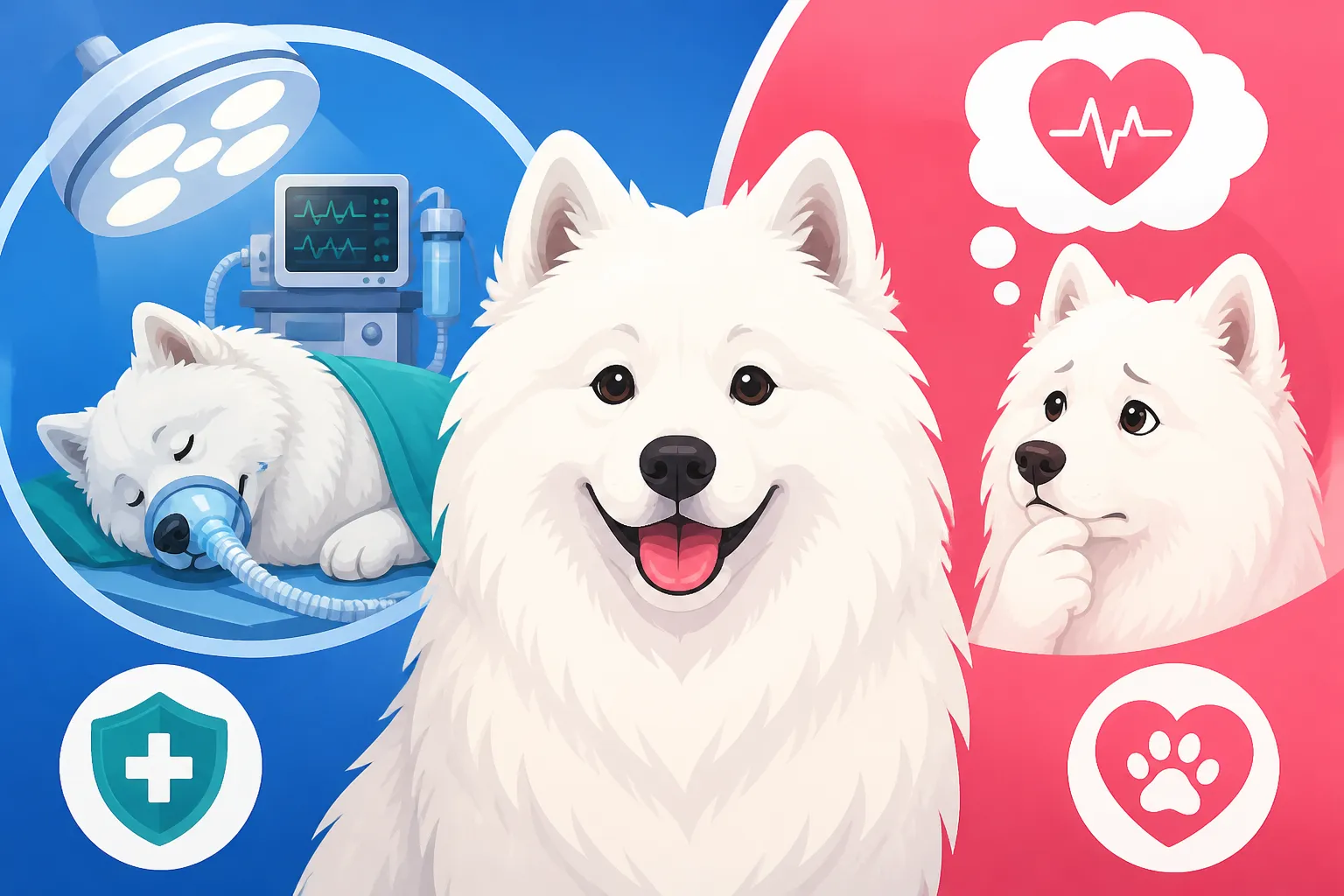
During anesthesia, your Samoyed will have a dedicated veterinary technician whose sole job is to monitor them continuously. This isn't just an occasional glance; it's a constant vigilance using both their senses and specialized equipment.
- Heart Rate and Rhythm: An ECG machine tracks electrical activity of the heart.
- Blood Pressure: Regular blood pressure readings ensure vital organs are receiving adequate blood flow.
- Oxygen Saturation: A pulse oximeter measures the percentage of oxygen in the blood.
- Carbon Dioxide Levels: A capnograph measures the CO2 your Samoyed breathes out, giving insight into ventilation and metabolism.
- Body Temperature: Rectal or esophageal probes provide continuous temperature readings, critical for preventing hypothermia (or overheating in recovery).
- Respiratory Rate and Depth: The technician will observe breathing patterns and may manually assist with breathing if needed.
This array of equipment and constant human oversight allows the veterinary team to make immediate adjustments to anesthetic depth, fluid rates, and warming measures, ensuring your Samoyed remains stable throughout the procedure.
Careful Recovery and Temperature Management
Recovery is a critical phase, and for Samoyeds, temperature management remains a top priority.
- Gradual Awakening: Your Samoyed will be moved to a warm, quiet recovery area where they can gradually wake up under supervision. The thick coat that keeps them warm in the Arctic can unfortunately make them prone to overheating once they start moving and metabolizing drugs, especially if the recovery room is warm.
- Continued Monitoring: The veterinary team will continue to monitor their vital signs, especially their temperature, until they are fully awake and stable. They might use cooling pads, fans, or even briefly wet the coat with lukewarm water if there's a risk of hyperthermia. Remembering Why a Samoyed's Coat Insulates Against Heat as Well as Cold is key here; the coat's efficiency means it can quickly trap heat when not needed.
- Comfort and Pain Relief: Ensuring your Samoyed is comfortable and pain-free is a priority. They will receive additional pain medication as needed, helping them recover more calmly.
At-Home Recovery
Once your Samoyed comes home, the responsibility shifts to you, albeit with clear instructions from your vet.
- Warm, Quiet Space: Provide a cozy, quiet place for them to rest away from drafts or excessive heat. Avoid rowdy children or other pets for the first 24 hours.
- Restricted Activity: Depending on the procedure, your Samoyed will likely need restricted activity. This means no jumping, running, or excessive stair climbing.
- Medication Administration: Follow your vet's instructions for any prescribed medications, especially pain relief or antibiotics, to the letter. If you have pet insurance through Healthy Paws, make sure you understand what post-operative medications are covered.
- Monitoring for Complications: Watch for any signs of complications: excessive lethargy, vomiting, diarrhea, difficulty breathing, limping, or refusal to eat or drink. Don't hesitate to call your vet if anything concerns you. Even subtle changes in behavior could be significant. If you suspect an issue, contacting your vet immediately is crucial.
Anesthesia Considerations: General vs. Samoyed Specific
To help visualize the considerations, here's a quick comparison.
| Aspect | General Anesthesia for Any Dog | Samoyed-Specific Considerations |
|---|---|---|
| Drug Sensitivity | Varies by individual and breed (e.g., Greyhounds, Collies). | Generally not considered unusually sensitive, but careful drug selection is always important. |
| Temperature | Risk of hypothermia during surgery (standard warming protocols). | High risk of hypothermia during surgery, as well as high risk of overheating during recovery due to dense double coat. Active warming/cooling essential. |
| Cardiovascular | Pre-screening for murmurs, arrhythmias. | Standard pre-screening, but be mindful of breed predispositions like Aortic Stenosis in a Samoyed. Thorough heart auscultation is vital. |
| Respiratory | Airway management (intubation), monitoring breathing. | Generally robust, but ensure clear airways. Dense coat may make chest auscultation slightly harder; experienced vets can navigate this. |
| Kidney Function | Pre-anesthetic bloodwork (BUN, creatinine, SDMA) is standard. | Critical emphasis on kidney function due to Samoyed Hereditary Glomerulopathy (SHG), especially in males. Thorough kidney screening and careful drug choices are paramount. Whether a Samoyed Needs Yearly Kidney Bloodwork is highly recommended. |
| Recovery Behavior | May be groggy, disoriented; pain management is key. | Can be stoic, potentially masking discomfort or early signs of complications. Owners must be extra vigilant at home. |
| Post-Op Environment | Quiet, comfortable, easy access to water. | Must be temperature-controlled to prevent overheating. Avoid direct sunlight or warm rooms. Be aware of Signs a Samoyed Is Overheating. |
| Insurance | Valuable for unexpected complications and diagnostics. | Highly recommended for covering extensive diagnostics, specialized monitoring, and potential management of breed-specific conditions like SHG. Healthy Paws is one option. |
In conclusion, while Samoyeds don't generally carry an "anesthetic sensitivity" label in the same way some other breeds do, their dense coat and the breed-specific concern of Samoyed Hereditary Glomerulopathy for males mean that diligent attention to detail in pre-anesthetic screening, intra-operative monitoring (especially temperature), and post-operative care is absolutely vital. With a proactive approach and open communication with your trusted veterinarian, your Samoyed can navigate anesthesia safely and recover beautifully.
Disclaimer
The information provided in this guide is for general informational purposes only and does not constitute veterinary medical advice. Always consult with a qualified and licensed veterinarian for any medical concerns or before making any decisions about your Samoyed's health or treatment. Individual outcomes may vary.