Whether a Samoyed Suits an Apartment Building
Many prospective Samoyed owners dream of that fluffy, smiling face, but quickly hit a wall of doubt if they live in an apartment. The common belief is that these beautiful, active dogs need sprawling yards and endless outdoor space, leading to a lot of frustration and worry for those of us living in smaller dwellings. This guide is here to tell you that while apartment living with a Samoyed certainly comes with unique challenges, it is absolutely achievable with the right understanding, commitment, and strategies, and we'll walk you through how to make it work.
The Myth vs. Reality of Samoyed Space Needs
It’s a tale as old as time: big dog, big yard. This notion has been ingrained in us, leading many to believe that breeds like Samoyeds, with their substantial size and Arctic heritage, are simply not meant for apartment living. The truth, however, is often far more nuanced than this simplistic equation suggests, and it’s important to separate fact from widely held, but often inaccurate, beliefs.
Dispelling the "Big Dog, Big Yard" Stereotype
The idea that a large dog requires a large yard for its happiness and well-being is one of the most persistent myths in dog ownership. While a yard can certainly be a convenience, it’s rarely a necessity for many breeds, including the Samoyed. A yard, left to its own devices, often becomes little more than a giant potty area and an outdoor kennel. Dogs, especially intelligent and social ones like Samoyeds, need interaction and purpose, not just space. An unengaged dog in a huge yard can be just as bored, destructive, or vocal as one in a small apartment. Think about it: how many times have you seen a large dog with a huge yard that still paces the fence line, desperate for a walk or some quality time with its human? The space itself is not the solution to their needs.
What truly matters is the quality of exercise and mental stimulation, along with consistent training and companionship. A Samoyed cooped up alone in a massive yard for eight hours a day might be physically present in a large space, but they are mentally and emotionally starved. Conversely, a Samoyed living in a modest apartment but receiving two long, engaging walks, daily training sessions, and plenty of interactive playtime with their family will be far happier and better adjusted. The stereotype ignores the critical components of a dog’s well-being in favor of a superficial measure of space.
Understanding a Samoyed's Indoor Demeanor
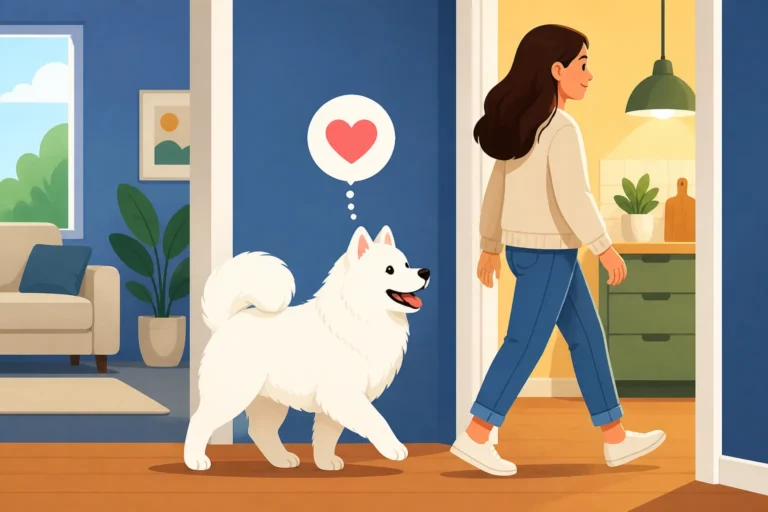
One of the most surprising revelations for many new Samoyed owners is just how calm and cuddly these dogs can be indoors, provided their outdoor needs are met. When they've had proper exercise and mental engagement, Samoyeds are often described as "rugs" or "shadows," content to sprawl near their favorite people. They thrive on being part of the family unit, and for many, that means being right in the middle of the action, even if the action is just you watching TV. Their deep connection to their human family means they actually prefer to be wherever you are, rather than isolated in a yard. This desire to be near their people is a strong argument for apartment living, as they naturally integrate into shared living spaces.
The key to unlocking this calm indoor demeanor is a robust daily routine that addresses their innate needs. Without sufficient physical outlets, mental challenges, and social interaction, any Samoyed, regardless of living situation, can become restless, destructive, or overly vocal. They aren't going to "self-exercise" just because there's more square footage. Instead, a well-exercised Samoyed will happily curl up on a comfy dog bed or cool tile floor for hours, often following you from room to room just to be in your presence. This makes them surprisingly well-suited to apartment interiors, as long as you're committed to providing their essential outdoor activities.
Navigating the Samoyed's Vocal Nature in an Apartment
Ah, the Samoyed chorus! If there's one thing almost guaranteed to raise an eyebrow from potential apartment neighbors, it's the thought of a vocal dog. Samoyeds are notorious for their extensive vocabulary, which goes far beyond a simple bark. Understanding this trait and proactively managing it is paramount to harmonious apartment living with one of these beautiful dogs.
Deciphering the Samoyed's Symphony of Sounds
Samoyeds don't just bark; they communicate. They howl, yodel, "woo-woo," grumble, whine, and engage in a full-blown conversation with you, the mailman, the squirrel outside, or sometimes, seemingly, themselves. This isn't aggressive barking in most cases; it's a form of expression, deeply rooted in their sled dog and herding heritage. They were bred to work closely with humans and other dogs, communicating needs and warnings. Their vocalizations are a core part of their charm to many owners, but in an apartment building, it can quickly become a source of contention.
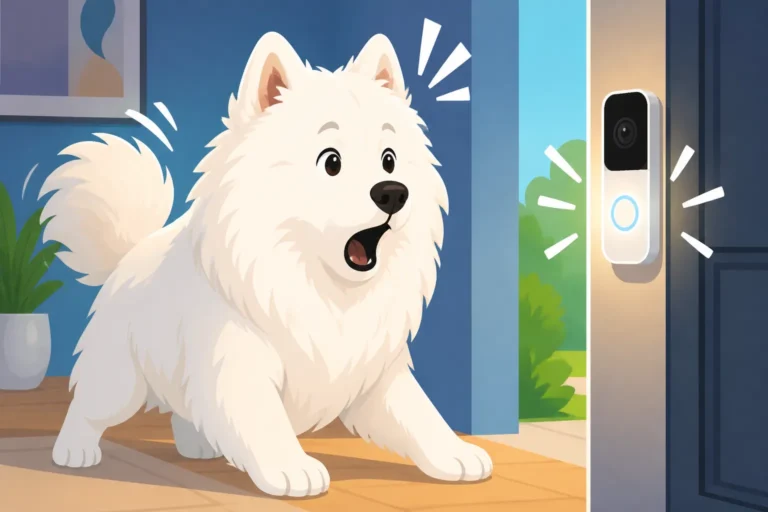
Consider the classic Samoyed "scream" or "talk." This isn't just a loud bark; it's often a sustained, high-pitched vocalization of excitement, frustration, or simply acknowledging your presence. It's a happy sound to them, but to a neighbor trying to work from home or put a baby down for a nap, it's just noise. They might vocalize when someone walks by the door, when they hear another dog in the hallway, or when they're particularly enthusiastic about dinner. Understanding why your Samoyed is vocalizing is the first step in addressing it. Are they bored? Over-excited? Feeling anxious? The answer often dictates the appropriate management strategy. What a Samoyed Sounds Like When It Talks gives you a deeper dive into their unique verbal repertoire.
Strategies for Managing Barking and Howling
Successfully managing a Samoyed's vocalizations in an apartment requires a multi-faceted approach, combining training, environmental management, and consistent routines. The goal isn't necessarily to silence them entirely – that's often unrealistic and unkind to a naturally vocal breed – but rather to teach them when and where it's appropriate to express themselves, and when quiet is required.
One crucial strategy is teaching a "quiet" cue from an early age. This involves rewarding silence after a vocal outburst, gradually extending the duration of quiet. This is where online training resources, like those offered by BAXTER & Bella, can be incredibly helpful, providing structured lessons on impulse control and quiet commands from the comfort of your living room. Desensitization to common apartment noises is also vital. Start by playing recordings of hallway sounds, doorbells, or neighborly chatter at low volumes, gradually increasing the intensity as your Samoyed learns to ignore them. For dogs that get agitated by passersby outside your door, consider using frosted window film or a visual barrier to block their line of sight.
Mental and physical exercise play a huge role too. A tired Samoyed is generally a quieter Samoyed. Boredom and pent-up energy are massive triggers for excessive vocalization. Ensure they're getting ample walks, playtime, and puzzle toys to keep their minds occupied. When you leave, consider leaving on a radio or white noise machine to mask external sounds and provide some auditory comfort. Consistency is key – every family member must be on board with the training protocol. And remember, sometimes the best solution is simply managing expectations with your neighbors proactively. A friendly note with your contact information, assuring them you're working on it, can go a long way. If you’re worried about noise levels, check out How Loud a Samoyed Gets for more insights.
Meeting High-Energy Demands Without a Backyard
The common fear about Samoyeds in apartments revolves around their energy levels. It’s true, these dogs were bred for working, for pulling sleds and herding reindeer across vast, snowy landscapes. This doesn’t mean they need a sprawling estate, but it does mean their exercise and mental stimulation needs are non-negotiable and must be met outside the confines of your apartment walls.
Maximizing Outdoor Exercise Opportunities
Since your Samoyed won't have a yard to zoom around in, you become their primary source of physical activity. This means a firm commitment to daily walks, runs, or play sessions, regardless of the weather. For an adult Samoyed, we're talking at least 1-2 hours of dedicated, vigorous exercise daily, often broken into multiple outings. This isn't just a quick potty break around the block; this is brisk walking, jogging, or active play at a dog park. How Much Exercise a Samoyed Needs is a great resource to understand the specifics.
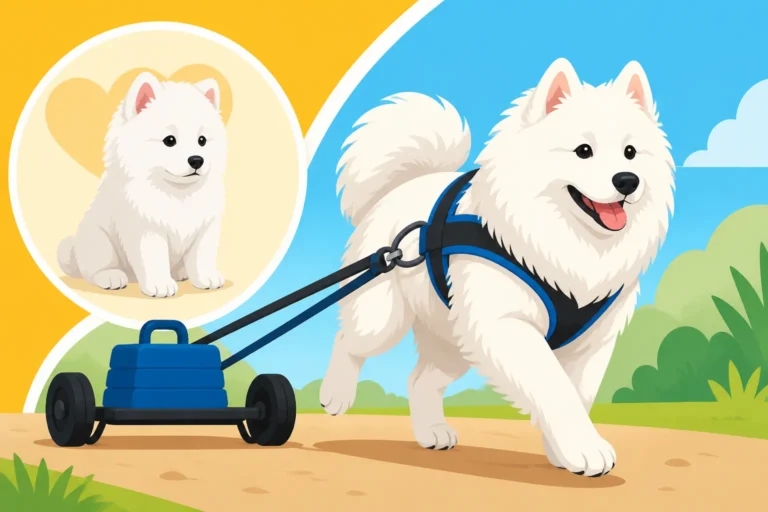
Think creatively about exercise. Can you incorporate a morning jog with your Samoyed? Explore local trails on weekends? Find a dog-friendly park where they can safely run and play fetch? Urban environments often have fantastic hidden gems for dog owners – just be mindful of leash laws and crowded spaces. Some cities even offer doggie daycare options or professional dog walkers, which can be invaluable on days when your schedule is tight. During hot weather, adjust exercise times to early mornings or late evenings to protect their thick coats. Remember, Samoyeds adore being outdoors, especially in cooler temperatures, so embrace it as part of your routine. The Age a Samoyed Can Start Sledding can even inspire ideas for active pursuits.
Engaging Your Samoyed Indoors with Mental Games
Physical exercise is only half the battle; mental stimulation is equally, if not more, important for a breed as intelligent as the Samoyed. A tired body but a bored mind can lead to destructive behaviors, excessive vocalization, or general restlessness, all of which are amplified in a smaller living space. This is where puzzle toys, training, and indoor games become your best friends.
Invest in a variety of interactive toys. Snuffle mats, Kongs stuffed with frozen treats, and puzzle feeders can keep your Samoyed engaged for significant periods. Rotate these toys to keep them novel and exciting. Regular, short training sessions throughout the day, even just 5-10 minutes at a time, can be incredibly enriching. Work on basic obedience cues, teach new tricks, or practice advanced manners. This not only tires their brain but also strengthens your bond. Online courses, like those from BAXTER & Bella, offer structured programs for teaching new skills and reinforcing good behavior, perfect for owners who want to maximize their training efforts from home. Hide-and-seek with treats or toys, gentle tug-of-war, or even just having them follow you around as you do chores (many Samoyeds are happy to be your "shadow" as described in Why a Samoyed Follows You From Room to Room) can provide valuable mental engagement.
The Importance of Outdoor Adventures
While indoor games are fantastic for mental enrichment, they can never fully replace the sensory richness of outdoor adventures. Samoyeds thrive on new sights, sounds, and smells. Regular excursions beyond the immediate neighborhood are crucial for their overall well-being. This might mean weekend trips to hiking trails, visits to a friend’s fenced yard, or exploring different dog parks. These "adventures" are not just about physical exertion; they are vital for sensory input, reducing boredom, and preventing kennel blindness.
Think of it as exposing your Samoyed to the world. Letting them sniff extensively on walks, exploring new terrains, and interacting appropriately with other dogs (if well-socialized) fulfills their innate curiosity and need for exploration. These outings allow them to use their natural instincts – to sniff, to explore, to observe. For many Samoyeds, simply being out in nature, even on a long leash walk, is profoundly satisfying. These experiences contribute to a more well-rounded, adaptable dog, which is especially important for an apartment dweller who may otherwise experience a more limited world.
The Samoyed's Deep Need for Companionship
Samoyeds are quintessential companion dogs. They were bred to live and work alongside their human families, even sleeping in the tents with them for warmth and protection. This history has instilled in them an incredibly strong desire for companionship, making them highly prone to loneliness and separation anxiety if not managed correctly, especially in an apartment setting.
Why Alone Time Is a Challenge for Samoyeds
Because Samoyeds are so bonded to their families, being left alone can be a genuine struggle for them. They're not independent "backyard dogs" who are content to entertain themselves for hours on end. Instead, they crave human interaction and thrive on being part of the daily rhythm of the household. This intense desire for companionship means that prolonged periods of solitude can quickly lead to distress, boredom, and behavioral problems.
When a Samoyed is left alone for too long, they might channel their anxiety or boredom into destructive chewing, incessant vocalization, or even house-soiling. They don't do this out of spite, but rather out of genuine distress or a lack of appropriate outlets for their energy and intelligence. Owners might find chewed furniture, scratched doors, or a very loud complaint from their fluffy friend upon returning home. This isn't a flaw in the dog's character but a direct result of their breed-specific need for connection. Understanding this is key to successfully integrating a Samoyed into an apartment lifestyle. How Many Hours a Samoyed Can Be Left delves deeper into these challenges.
Preventing and Addressing Separation Anxiety
Successfully managing a Samoyed's alone time in an apartment hinges on proactive prevention and, if necessary, thoughtful intervention for separation anxiety. This is arguably one of the biggest behavioral challenges for apartment-dwelling Samoyed owners. The good news is that with a solid plan, many Samoyeds can learn to cope happily with reasonable periods of solitude.
Start by gradually acclimatizing your Samoyed to being alone. Begin with very short durations, just a few minutes, and slowly increase the time. Make departures and arrivals low-key, avoiding big emotional goodbyes or excited greetings. Provide high-value, long-lasting distractions, like a frozen Kong, a bully stick, or a puzzle toy before you leave. These can help create a positive association with your absence. Ensure your dog is well-exercised and has had a potty break immediately before you depart. This means no quick walk and then leaving; give them a proper physical and mental workout.
Consider using a crate, properly introduced and made into a safe haven, for periods when you're away. Many Samoyeds appreciate the den-like security it offers. For some, a calming supplement or diffuser might help ease mild anxiety. If your Samoyed displays severe separation anxiety (excessive drooling, frantic barking, destructive behavior, escape attempts), seeking guidance from a professional dog trainer or veterinary behaviorist is crucial. They can help develop a tailored plan that may include behavior modification techniques or, in some cases, medication. Remember, a Samoyed needs to feel secure and content when you're not there. You can learn more about this by reading Separation Anxiety in a Samoyed.
Essential Adjustments for Apartment Samoyed Owners
Bringing a Samoyed into an apartment requires more than just training; it also necessitates thoughtful preparation of your living space and a commitment to a well-structured daily routine. These adjustments are vital for both your dog's happiness and the peaceful coexistence with your neighbors.
Creating a Comfortable and Safe Indoor Environment
Your apartment might be small, but it needs to be a sanctuary for your Samoyed. This means considering their physical needs within the space. A comfortable, supportive dog bed is essential, preferably in a quiet corner or a spot where they can still feel part of the family without being in the main traffic flow. Many Samoyeds also appreciate a cooler surface, so a cooling mat or access to a tiled floor can be a lifesaver, especially if you live in a warmer climate. On Amazon, you can find a wide array of orthopedic beds and cooling mats designed to keep large breeds comfortable.
Because Samoyeds are naturally curious and sometimes prone to mischief (especially puppies), apartment-proofing is crucial. Secure garbage cans, put away valuable items, and ensure any toxic plants or chemicals are out of reach. Consider a sturdy dog gate to create safe zones, like keeping them out of the kitchen during meal prep. While Samoyeds aren’t typically known for destructive chewing if their needs are met, accidents happen, particularly with young dogs. Providing appropriate chew toys is also vital. Remember, a Samoyed's double coat means shedding, so a good vacuum cleaner (and frequent brushing!) will be your best friend.
Building a Successful Daily Routine
Consistency and predictability are paramount for any dog, but especially for an apartment-dwelling Samoyed. A solid daily routine helps them understand what to expect, reducing anxiety and promoting good behavior. This routine should encompass feeding times, potty breaks, exercise, training, and alone time.
Here’s an example of a potential daily structure:
| Time Slot | Activity | Purpose |
|---|---|---|
| Early Morning | Potty break, vigorous walk/jog (45-60 min), breakfast, short training session | Physical exertion, mental stimulation, fulfills prey drive, positive start to day |
| Mid-Morning | Quiet time, puzzle toy/Kongs, short outdoor break | Engagement while you work, independent play |
| Lunchtime | Potty break, short walk/play (15-20 min) | Stretch legs, relieve bladder, light social interaction |
| Afternoon | Quiet time, nap, chew toy | Rest and relaxation, self-soothing |
| Late Afternoon | Potty break, longer walk/dog park (45-60 min), dinner | Major exercise, socialization, decompression |
| Evening | Family time, training games, grooming, final potty break | Bond with family, mental work, hygiene, prepare for rest |
This structured approach ensures all aspects of your Samoyed's well-being are addressed. The consistency helps them feel secure, knowing when they'll get their next walk or meal. It also aids in house-training and sets expectations for quiet times. Flexibility is important for real life, of course, but striving for a general rhythm will make a huge difference in your Samoyed's adjustment to apartment living. You might find some excellent training tips for establishing routines from online puppy courses that cater to all breeds, like those found through BAXTER & Bella. Thinking about how a Samoyed fits into your life from day one is covered in The First Year With a Samoyed Puppy.
Life in a High-Rise: Specific Considerations for City Samoyeds
Living in a high-rise or dense urban environment with a Samoyed adds a few extra layers of consideration. While the core needs remain the same, the logistics of meeting them become more pronounced. These specific challenges require extra foresight and planning from dedicated owners.
Navigating Shared Spaces and Elevators
In an apartment building, you'll inevitably share common areas like hallways, lobbies, and elevators with neighbors, other pets, and delivery people. Your Samoyed needs to be exceptionally well-mannered and calm in these situations. Early and consistent socialization is key, exposing your puppy to a wide variety of sights, sounds, and people. A calm, neutral demeanor around strangers and other dogs is not just polite; it's essential for peace of mind.
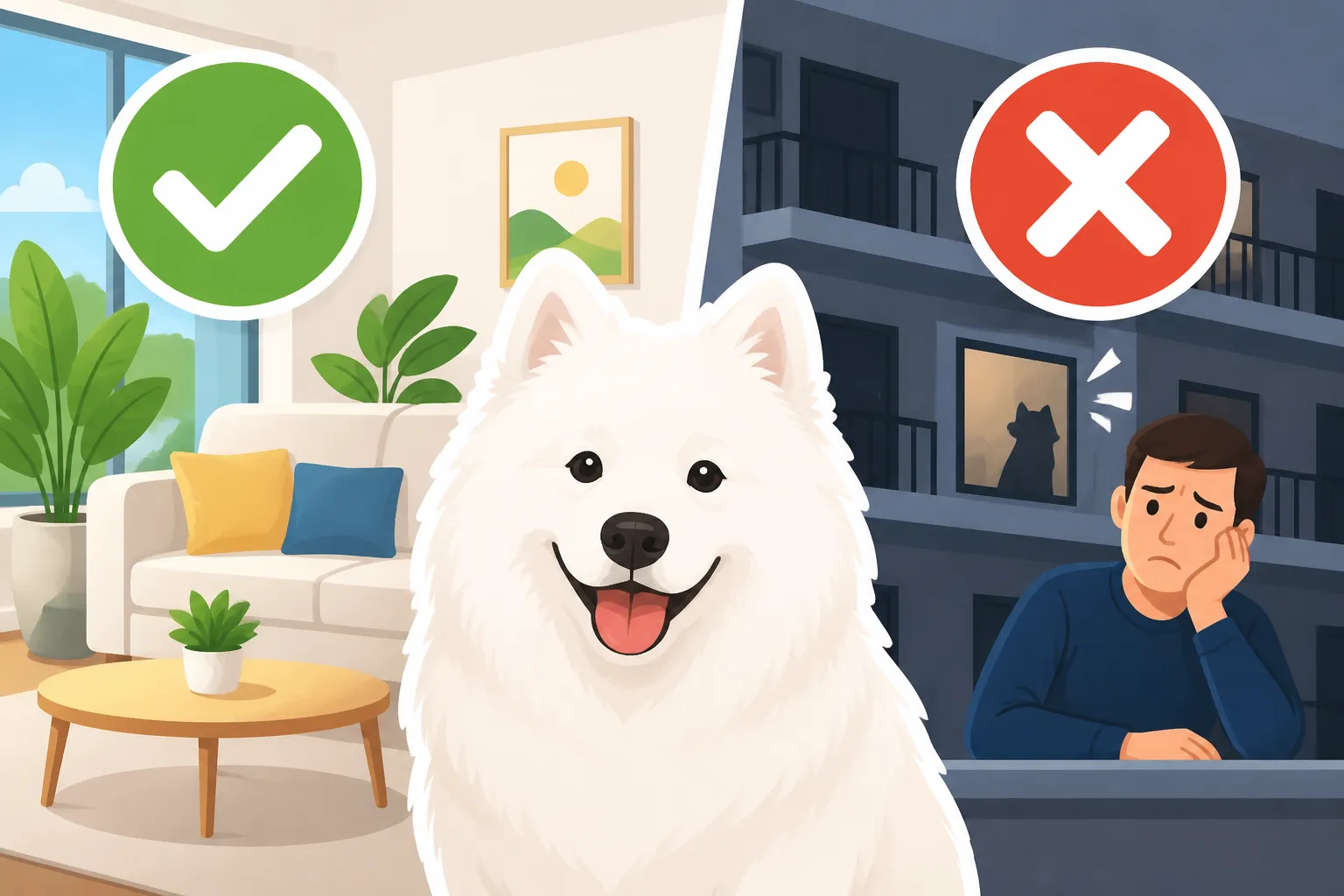
Elevators, in particular, can be a challenge. They are confined spaces where your Samoyed will be in close quarters with others. Training your dog to sit patiently and quietly, ignoring other occupants, is paramount. Always ensure your Samoyed is on a short leash and under control. This is not the place for them to practice their enthusiastic "Samoyed scream." For safety, always wait until people and other dogs have cleared the elevator before you step in or out. Understanding Whether a Samoyed Suits an Apartment Building means truly considering these daily interactions.
Adapting to Urban Noises and Stimuli
City life is a symphony of constant, often jarring, noises: sirens, traffic, construction, yelling, and a myriad of unfamiliar smells. While some dogs find this overwhelming, Samoyeds, with proper early exposure, can often adapt well. However, it requires intentional effort on your part to help them become resilient to these stimuli.
Start exposure early and gradually. Take your puppy on short, positive outings to busy areas, allowing them to observe without being overwhelmed. Reward calm behavior. Consider sound machines or white noise in your apartment to mask some external sounds, especially during quiet times or when you’re out. The goal isn't to make them oblivious, but to teach them that most urban sounds are just background noise and not something to react to. This minimizes stress for your dog and reduces the likelihood of barking or anxiety-driven behaviors that could disrupt neighbors.
Managing Waste and Hygiene in Public
Without a private yard, all your Samoyed's potty breaks will happen in public spaces. This means being a responsible pet owner is non-negotiable. Always carry plenty of waste bags and clean up immediately and thoroughly. Familiarize yourself with designated dog relief areas in your building or neighborhood. Consistency in potty training, taking your Samoyed out regularly (especially after waking, eating, and playing), will help prevent accidents indoors.
Additionally, urban environments can be tough on a Samoyed's pristine white coat. Pavement grime, pollution, and general city dust can quickly diminish their fluffy appeal. Regular brushing will be more important than ever to remove dirt and prevent matting. You may also find yourself doing more frequent "spot cleans" or foot washes after walks. While Keeping a Samoyed White Without Bathing It Every Week is achievable, city life might test this rule with a bit more frequency for paw and leg cleaning.
Why a Samoyed Can Thrive in an Apartment (If You're the Right Owner)
So, can a Samoyed truly thrive in an apartment? Absolutely, but it depends far more on the owner's lifestyle, commitment, and understanding of the breed than on the square footage of their home. A well-adjusted Samoyed in an apartment is a testament to dedicated ownership, not a fluke.
The Dedicated Owner Makes the Difference
The success of a Samoyed in an apartment boils down to you, the owner. If you are someone who embraces an active lifestyle, enjoys being outdoors, and is committed to consistent training and mental enrichment, your Samoyed will flourish. This means being willing to go out for walks and adventures in all weather, dedicating time daily to training and play, and prioritizing their social needs. You become their personal park, their trainer, and their constant companion. This level of dedication might seem daunting, but for those who are prepared, it's a deeply rewarding experience.
An apartment-dwelling Samoyed needs an owner who views these activities not as chores, but as integral parts of their shared life. They need someone who understands that a Samoyed's "job" in an apartment is to be a beloved family member, and that job comes with the responsibility of ensuring all their physical, mental, and emotional needs are consistently met. This commitment is often far more impactful than the size of one's home. It truly is about providing The Household a Samoyed Was Built For regardless of where that household is physically located.
The Pros and Cons of Apartment Life for a Samoyed
Let's lay it out clearly. Living in an apartment with a Samoyed isn't for everyone, and it comes with both unique advantages and disadvantages.
| Feature | Pros for Apartment Living | Cons for Apartment Living |
|---|---|---|
| Companionship | Maximizes time spent with family, fosters strong bond. | Prone to separation anxiety if not managed effectively. |
| Indoor Space | Samoyeds are often calm indoors when exercised. | Limited space for zoomies, can feel cramped if bored. |
| Exercise | Forces owner to be highly active outdoors with dog. | Requires significant daily time commitment for walks/runs. |
| Mental Stim. | Encourages creative indoor games and consistent training. | Boredom leads to destructive behaviors and vocalization. |
| Vocalization | Can train for quiet cues; builds tolerance to urban sounds. | Potential for neighbor complaints due to barking/howling. |
| Socialization | Constant exposure to diverse people/sounds in common areas. | Requires excellent manners around strangers and other dogs. |
| Weather | Easier to keep cool indoors in hot weather. | No private yard for quick potty breaks in bad weather. |
| Cost | Potentially lower housing costs than a large house. | Higher potential costs for dog walkers/daycare/cleaning. |
| Flexibility | Easier to travel with a well-trained, adaptable dog. | Less freedom for spontaneous outdoor play. |
Ultimately, the decision to bring a Samoyed into an apartment shouldn't be based on the square footage alone. It should be based on a realistic assessment of your lifestyle, your commitment to the breed's specific needs, and your willingness to put in the effort required. With dedication, a Samoyed can absolutely be a happy, well-adjusted apartment dweller, bringing that signature smile and fluffy joy into your compact home. If you are prepared for the commitment, there's no reason why a loving apartment cannot be the perfect home for your Samoyed.
Disclaimer
This article is for general informational purposes only and does not constitute professional advice. Laws, prices and regulations vary by location and change over time. Consult a qualified professional for guidance on your specific situation.