Whether a Samoyed Accepts Another Dog
It's a common dilemma for Samoyed owners: you adore your fluffy companion, but the thought of adding another dog to the mix brings a swirl of excitement and apprehension. Will they be best friends, or will your serene household turn into a frosty battlefield? This guide aims to tackle that very real concern, exploring the nuances of Samoyed social behavior and offering practical advice for integrating another canine into your life, ensuring harmony for everyone involved.
Understanding the Samoyed's Social Dynamic
Samoyeds are truly unique dogs, bred for centuries not just to herd reindeer and pull sleds, but also to live intimately with their human families, often sleeping inside the tents for warmth. This history has profoundly shaped their social dynamics, making them inherently sociable, but also quite particular in some ways. Understanding this foundation is key to predicting how your Samoyed might react to a new canine family member.
The Samoyed's Innate Temperament Towards Other Dogs
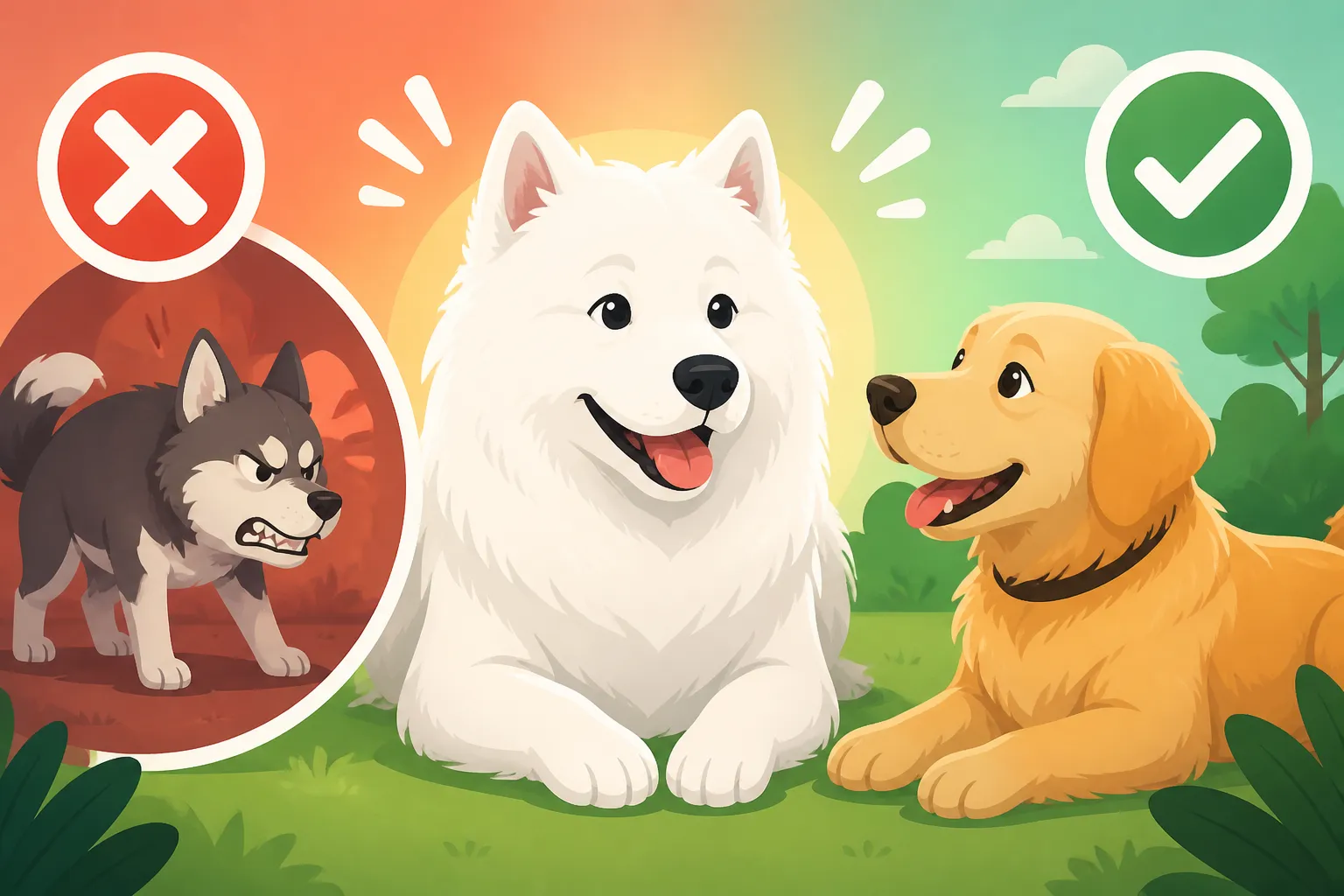
Generally speaking, Samoyeds are known for their friendly, outgoing, and relatively non-aggressive nature. They're often described as "people dogs" who thrive on interaction, and this extends to other canines in many cases. They don't typically possess the sharp territorial instincts or strong prey drive that can make introducing a new dog particularly challenging with other breeds. Instead, they often approach new dogs with a curious, playful demeanor, embodying their famous "Samoyed smile." However, "friendly" doesn't automatically mean "accepting of every dog," particularly within their own home space. They can be incredibly social at the dog park, greeting every dog with a wagging tail, but the rules change when it comes to their personal turf and resources.
Their natural tendency is to seek connection, and they often enjoy the company of other dogs, especially those who can match their playful energy. Many Samoyed owners find that their dog thrives with a canine companion, offering both mental and physical stimulation that a human alone sometimes can't provide. You might have seen your Samoyed at the park, engaging in boisterous wrestling matches or chasing games, completely unfazed by the chaos. This is a testament to their generally tolerant nature.
Their History as Pack Animals
The ancestral role of the Samoyed involved working in packs, whether herding reindeer or pulling sleds, and sharing close quarters with their human families. This history means they often understand and operate within a canine social structure. They are rarely loners by nature, preferring company and often feeling most secure when part of a group. This pack instinct can be a huge advantage when introducing a second dog, as they are often pre-disposed to forming bonds and understanding social cues. They aren't generally dogs that insist on being the sole ruler of the roost, though individual personalities certainly vary.
However, "pack animal" doesn't mean they'll instantly welcome any new dog into their inner circle. It means they understand the concept of a pack and are capable of integrating a new member, provided the introduction is handled thoughtfully. Their history implies a certain level of social intelligence and adaptability. For instance, in a working team, each dog had a role, and harmony was essential for survival. This historical context suggests a capacity for cooperative living, which can be a strong foundation for a multi-dog household. Their ability to coexist peacefully in tight spaces, like a tent, also speaks volumes about their tolerance.
Individual Personality Varies
While the general Samoyed temperament is a fantastic starting point, it's crucial to remember that every dog is an individual. Just like people, Samoyeds have distinct personalities, quirks, and past experiences that shape their reactions. You might have a Samoyed who is an absolute social butterfly, delighted by every new dog it meets, or one who is a bit more reserved, preferring the company of a select few. Some might be incredibly tolerant of puppies, while others find their boundless energy annoying.
Factors like early socialization, genetics, and even specific traumatic experiences can all play a role. A Samoyed who had a bad experience with another dog as a puppy might be more wary or even fearful of new canine introductions. Similarly, an intact male Samoyed might react differently to another intact male than he would to a spayed female. Your Samoyed's unique personality will be the biggest determinant of how successful a new dog integration will be. Spending time observing How a Samoyed Behaves With Other Dogs in various settings can give you valuable insights into their specific social preferences. Don't assume that because your friend's Samoyed adores other dogs, yours automatically will too. It's about knowing your Samoyed.
Factors Influencing Acceptance
Bringing a new dog into a home with an existing Samoyed isn't just about the Samoyed; it's about the dynamic between both dogs, and several factors can significantly influence how well they'll accept each other. Thinking about these elements beforehand can help you make the best decision for your family.
Age and Life Stage Differences
The age and maturity level of both your resident Samoyed and the prospective new dog are huge considerations.
Introducing a puppy to an adult Samoyed can go one of two ways. Many adult Samoyeds, especially older, well-socialized ones, can be incredibly patient and nurturing with puppies. They might take on a mentor role, teaching the puppy manners and tolerating a lot of playful nipping and endless energy. This can be a beautiful dynamic, as the puppy learns from the older dog, and the older dog might even find a renewed sense of playfulness. However, a very senior Samoyed, or one who is less tolerant of high energy, might find a puppy's incessant demands overwhelming and stressful. A constant barrage of puppy energy can quickly lead to irritation, which might manifest as snapping or avoidance. For instance, an older Samoyed that enjoys quiet naps by the door might not appreciate a puppy constantly attempting to play tug with its tail.
Conversely, introducing an adult dog to a Samoyed might involve a different set of challenges. Two adult dogs might be quicker to establish a pecking order, which can sometimes involve initial tension. However, if both dogs are well-socialized and have calm temperaments, they might simply assess each other, establish boundaries, and settle into a routine more quickly. The key is compatibility in energy levels and play styles. A high-energy Samoyed might be frustrated by a more sedate new companion, or vice versa. When considering How Two Samoyeds Get Along, age differences are particularly important. A young, boisterous Samoyed might need a companion that can keep up without getting overwhelmed, and a new older dog might need a quieter, more respectful friend.
Gender Dynamics and Neutering Status
The gender and neutering status of both your Samoyed and the potential new dog are often significant in determining compatibility. The general wisdom in multi-dog households often suggests that a male-female pairing tends to be the most harmonious, as it avoids same-sex aggression issues that can sometimes arise.
If you have an intact male Samoyed, introducing another intact male can be a recipe for disaster in some cases. Intact males, driven by hormones and territorial instincts, may view each other as rivals, leading to fights over resources, attention, and perceived status. Even if your Samoyed is typically friendly, these underlying biological drives can surface with another intact male. Similarly, two intact females can also experience friction, though it's often more subtle and involves complex social dynamics rather than outright aggression.
Introducing a spayed female to an intact male Samoyed (or vice versa) often creates a more stable dynamic. The lack of hormonal drives can reduce competition and allow for a more natural formation of a social bond. If both dogs are spayed or neutered, this significantly lowers the risk of hormonal aggression and allows their individual personalities and learned social skills to take precedence. This is why many rescues and breeders have strict spay/neuter policies for adopted pets—it genuinely promotes smoother transitions and fewer behavioral problems in multi-dog homes. Always consider the potential hormonal influences when planning for a new addition.
Prior Socialization and Experiences
A Samoyed's previous experiences and level of socialization are critical predictors of how they'll react to a new dog. A well-socialized Samoyed, one that has been exposed to a wide variety of dogs, people, and environments from a young age, is far more likely to accept a new canine companion gracefully. They understand canine body language, know how to greet politely, and have learned appropriate play behavior. This kind of extensive exposure helps them become resilient and adaptable, less likely to be fearful or aggressive when encountering the unfamiliar.
Conversely, a Samoyed with limited socialization might struggle. If their only experience with other dogs has been brief, on-leash greetings, or if they've had negative encounters, they might approach a new housemate with fear, defensiveness, or even aggression. They simply haven't learned the nuanced social skills needed for harmonious cohabitation. Imagine a dog who has always been the only furry focus of attention suddenly having to share their toys, their bed, and your lap. Even a friendly Samoyed might exhibit some resource guarding or jealousy if they haven't learned to share or if their boundaries haven't been consistently reinforced in a positive way. Before bringing a new dog home, it's wise to assess your Samoyed's current social skills and comfort level with other dogs. If they show signs of anxiety or aggression around other dogs, consulting with a professional trainer beforehand can be invaluable. Whether a Samoyed Suits a Multi Dog Household often hinges on this very point.
Introducing a New Dog to Your Samoyed
The introduction process is not a moment, but a series of carefully managed steps designed to set both dogs up for success. Rushing this crucial stage can create lasting negative associations, so patience and vigilance are your best friends here.
The Neutral Territory First Meeting
The very first meeting between your Samoyed and the potential new dog should always happen on neutral territory. This means a place where neither dog feels ownership, reducing any immediate territorial instincts. A local park, a friend's yard they've never visited, or even a wide, open field are ideal. Avoid meeting in your home or even right outside your home, as your Samoyed will perceive this as their domain.
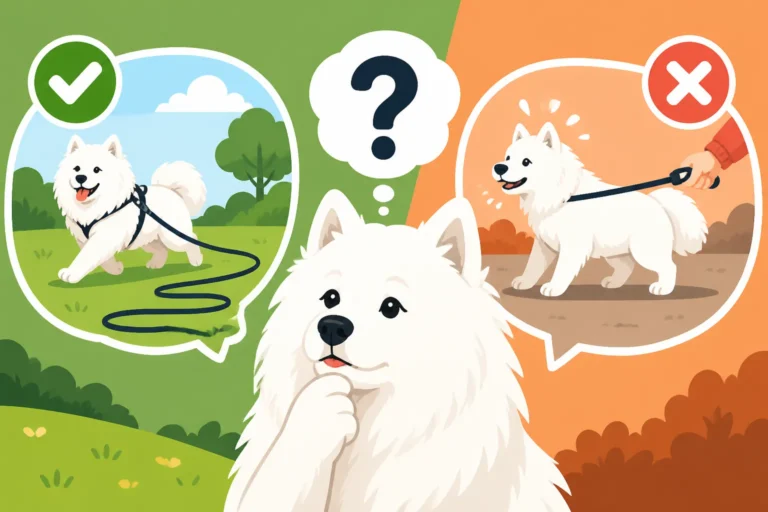
Both dogs should be on separate leashes, handled by separate people who are calm and confident. Start by walking them parallel to each other at a comfortable distance, allowing them to acclimate to each other's presence without direct interaction. As they seem relaxed, you can gradually decrease the distance, allowing them to sniff each other's rear ends if they choose. Keep interactions brief and positive. Look for relaxed body language: loose tails, soft eyes, sniffing. Avoid tension, stiff bodies, or staring. If either dog shows signs of stress (tail tucked, lip licking, yawning excessively, trying to pull away, growling), calmly increase the distance. End the meeting on a positive note, even if it's just a short, uneventful walk. The goal isn't to force instant friendship, but to create a positive first impression that a new dog means good things. This initial neutral meeting is crucial for reducing stress and laying a foundation for future interactions.
Supervised Interactions and Short Sessions
Once initial neutral meetings have gone well, and both dogs appear comfortable, you can move to supervised interactions in a more controlled environment, like your backyard or even inside the house. However, these sessions should still be short, positive, and heavily supervised. Keep both dogs on leashes initially, even if they're just walking around the yard together. This gives you immediate control if things get too excited or tense.
Gradually allow for off-leash play, but interrupt frequently. Short bursts of play followed by a calm break can prevent over-arousal and potential squabbles. Engage them in separate activities sometimes, like parallel training sessions using treats. BAXTER & Bella, for instance, offers fantastic online puppy training resources that emphasize positive reinforcement, which can be invaluable when trying to manage two dogs in a training scenario without creating competition. Always keep an eye out for signs of stress or over-stimulation. A Samoyed might express discomfort through subtle shifts in body language before escalating to a growl or snap. If play gets too rough or one dog is clearly overwhelming the other, separate them calmly. The goal is to build positive associations, so always end the session before either dog becomes agitated or tired of the other's company.
Creating Separate Spaces and Resources
Even after successful introductions, it's vital to provide each dog with their own distinct space and resources. This isn't just about preventing fights; it's about giving them a sense of security and a place to retreat when they need peace and quiet. This separate space could be a crate in a quiet room, a dog bed behind a baby gate, or a designated area where they can eat without feeling pressured.
Feed them separately to avoid any resource guarding issues around food. This might mean feeding them in different rooms or at least several feet apart with barriers in between. Provide separate water bowls, toys, and sleeping areas. While they might choose to share toys or beds eventually, having their own ensures they don't have to. This is especially important for Samoyeds, who, while generally good-natured, can become protective of high-value items if they feel threatened. Imagine a beloved chew toy or a favorite sleeping spot – these are not things to be left to chance. Using baby gates or even exercise pens, easily found on platforms like Amazon, can be incredibly effective in creating these safe, separate zones within your home during the adjustment period. This allows the dogs to exist together without constantly being in each other's personal space, reducing potential friction.
Common Challenges and Solutions
Even with the best planning, integrating a new dog can present challenges. Samoyeds, with their distinct personalities, might throw a few curveballs. Knowing what to watch for and how to address it calmly and consistently can make all the difference.
Managing Resource Guarding Tendencies
While Samoyeds are generally amiable, resource guarding can still crop up, especially when a new dog enters the picture. This isn't necessarily aggression; it's a dog's instinct to protect valuable items (food, toys, resting spots, even human attention) from perceived threats. It might manifest as a stiff body, a low growl, a quick snap, or even just eating faster when another dog approaches.
The key to managing resource guarding is prevention and positive reinforcement. As mentioned, feed dogs separately. Collect high-value toys when you can't actively supervise. If a Samoyed is guarding a favorite bone, for example, don't let the new dog near it unsupervised. Instead, teach a "trade" command: offer an even higher-value treat in exchange for the guarded item, then return the item. This teaches them that giving something up results in something better. Ensure both dogs feel they have plenty of resources. Providing multiple beds, toys, and chew items can reduce the feeling of scarcity. Never punish a dog for growling, as growling is a warning; if you suppress it, the next step might be a bite without warning. Instead, identify the trigger and manage the environment to prevent the situation. You might find that The Samoyed That Wakes the Neighbors is the least of your worries if resource guarding isn't addressed quickly.
Addressing Jealousy and Attention Seeking
Samoyeds thrive on human attention and companionship. When a new dog arrives, it's natural for your resident Samoyed to feel a pang of jealousy or to start attention-seeking behaviors. This could look like nudging you away when you're petting the new dog, pawing at you incessantly, or even a sudden increase in vocalizations like the famous Samoyed "scream" or insistent "talking." They're essentially asking, "What about me?"
The solution here is consistent, fair, and proactive attention management. Make a conscious effort to give your resident Samoyed ample one-on-one time. Continue their routine walks, training sessions, and cuddle times. When you interact with the new dog, include your Samoyed if appropriate. For example, give both dogs a treat simultaneously, or pet them both at the same time. Never reward pushy, attention-seeking behavior. If your Samoyed paws at you while you're petting the new dog, calmly ignore them until they settle, then reward their calm behavior. Teach them that polite requests for attention are rewarded. A strong foundation in obedience training, perhaps utilizing resources like BAXTER & Bella's training programs, can help your Samoyed understand boundaries and expectations, making it easier to manage their responses to a new family member.
When Play Becomes Too Rough
Samoyeds are known for their playful, often boisterous nature. They love to wrestle, chase, and engage in rough-and-tumble games. This can be fantastic if the new dog shares a similar play style and energy level. However, issues arise if one dog plays too roughly for the other, or if play escalates beyond healthy interaction into genuine aggression or bullying. You might notice one dog constantly pinning the other, ignoring "off" signals, or vocalizing in distress rather than play.
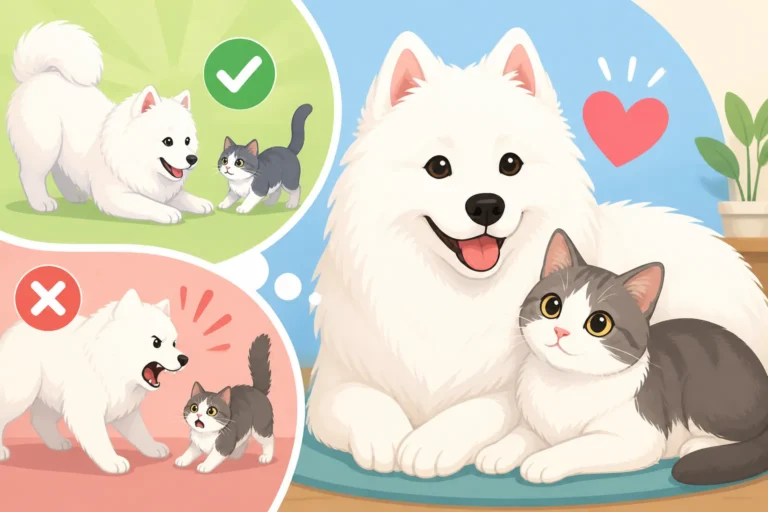
Supervision is paramount. Learn to recognize the difference between healthy, reciprocal play and uncomfortable interactions. Healthy play involves bowing, taking turns, self-handicapping (a larger dog lowering itself to a smaller dog's level), and frequent pauses. If one dog is consistently trying to escape, hiding, or growling in a non-playful way, it's time to intervene. Separate them calmly before things escalate. Redirect their energy with individual walks or separate play sessions. Teach a "break" or "enough" command to interrupt play. If your Samoyed is the one being too rough, provide outlets for their energy, such as structured walks or mental games, so they're not relying solely on the new dog for stimulation. Sometimes, a well-placed baby gate or putting away certain toys can help prevent over-arousal. Remember, How Much Exercise a Samoyed Needs is substantial, and a well-exercised Samoyed is often a calmer Samoyed, less likely to resort to overly rough play out of boredom or pent-up energy.
The Benefits of a Multi-Dog Household with Samoyeds
Despite the challenges, many Samoyed owners find that adding a second dog enriches their lives and their Samoyed's life immensely. When done right, a multi-dog household can be a source of joy, companionship, and endless entertainment.
Companionship and Reduced Loneliness
One of the most significant benefits of a multi-dog household, especially for a highly social breed like the Samoyed, is the constant companionship they offer each other. Samoyeds are deeply bonded to their families and don't do well with extended periods of isolation. If you work long hours or have a busy schedule, a second dog can provide invaluable company for your Samoyed, reducing feelings of loneliness and boredom.
This can be particularly beneficial in preventing separation anxiety. While a second dog isn't a cure-all for severe separation anxiety, having a canine companion can often mitigate milder cases. Instead of waiting alone for you, they have a friend to nap with, play with, and simply "be" with. This constant presence can contribute significantly to their overall emotional well-being. For a breed that was historically kept in close proximity to humans and other dogs, having a packmate fulfills a deep-seated need for connection and belonging. This intrinsic need is why many owners considering Whether a Samoyed Can Be Left Alone eventually look into a second dog.
Increased Exercise and Mental Stimulation
Let's face it: keeping up with a Samoyed's energy levels can be a full-time job. They are active dogs that require consistent physical and mental stimulation. With a second dog, a lot of that exercise and mental engagement can happen organically. Dogs often motivate each other to play, chase, and wrestle in ways that humans sometimes can't.
Watching two Samoyeds engage in a game of chase around the yard or wrestle playfully in the living room is not only entertaining but also a great way for them to burn off energy. They keep each other sharp with their social interactions and problem-solving during play. This mutual stimulation can lead to calmer, happier dogs who are less prone to destructive behaviors born out of boredom. A bored Samoyed might decide that What a Bored Samoyed Does to a House involves redecorating with your couch stuffing! When they have a playmate, they're more likely to engage in appropriate doggy activities, leaving your furniture intact. This can be a huge relief for owners trying to meet the high demands of an active Samoyed.
Learning from Each Other
Dogs are incredibly observant, and they learn a great deal from watching each other. In a multi-dog household, this can be a huge advantage. A new puppy, for instance, can learn house manners, appropriate play, and even basic obedience cues by observing a well-behaved adult Samoyed. They see where to potty, how to walk politely on a leash (sometimes!), and how to interact with humans.
Conversely, a well-behaved adult Samoyed might also learn to be more tolerant, patient, or even rediscover its playful side with a younger companion. A shy or fearful dog might gain confidence by observing a bolder, more outgoing housemate navigate the world. This social learning isn't just about good habits; it's about building social intelligence and adaptability. The presence of another dog provides constant feedback and opportunities for social refinement. It's a dynamic classroom where both students benefit immensely from the presence of the other, often reinforcing positive behaviors and making training, even for a breed like the Samoyed who might find Training a Samoyed That Finds Obedience Negotiable, a little smoother.
When a Second Dog Might Not Be Right
While the benefits of a multi-dog household can be immense, it's crucial to acknowledge that it's not the right fit for every family or every Samoyed. There are times when adding another dog could create more stress than joy.
Persistent Aggression or Fear
If your resident Samoyed exhibits persistent aggression towards other dogs, either generally or in specific situations, bringing another dog into the home is a significant risk. This isn't just about superficial growling; it's about deep-seated behavioral issues that need professional intervention before considering another pet. This aggression could stem from fear, territoriality, past trauma, or simply poor socialization. Placing another dog in this environment could lead to injury for one or both animals, severe stress, and a breakdown of trust within your household.
Similarly, if your Samoyed is profoundly fearful of other dogs, forcing them to live with one could be detrimental to their mental health. While some shy dogs can learn to accept a very calm, tolerant companion, a truly fearful dog will likely be in a constant state of anxiety. Signs like cowering, shaking, excessive lip-licking, or constant avoidance whenever another dog is present are red flags. These behaviors are not something to "train out" by exposure; they require careful, positive counter-conditioning with a qualified professional. Ignoring these signs can lead to escalating fear-based aggression, which is much harder to resolve. Your Samoyed's well-being should always come first.
Stress and Behavioral Regressions
The introduction of a new dog, even a well-managed one, is inherently stressful for the resident dog. If your Samoyed reacts to this stress with severe behavioral regressions, it might be a sign that a second dog isn't appropriate at this time. Behavioral regressions could include house-soiling (urinating or defecating indoors despite being house-trained), destructive chewing, increased vocalizations like continuous screaming or howling, loss of appetite, or self-mutilation (like excessive licking or chewing paws).
These are not "bad" behaviors; they are outward signs of internal distress. If your Samoyed, who was previously a perfectly behaved companion, suddenly starts exhibiting multiple stress-related behaviors that don't resolve after a reasonable adjustment period (which can be weeks to months), it means they're struggling to cope. Forcing them to endure a situation that causes them such profound stress is unfair. Sometimes, the added energy or presence of another dog can push an already sensitive Samoyed over the edge. It's important to monitor their overall well-being and be honest about whether the situation is improving or simply causing chronic stress.
Owner Capacity and Lifestyle
Finally, and crucially, adding a second dog doubles your responsibility and demands. Before bringing home another furry friend, you need to realistically assess your own capacity and lifestyle. Can you truly afford two dogs, considering food, vet bills, grooming (especially for another Samoyed with The Grooming Bill on Twenty Pounds of Samoyed Undercoat!), and potential emergency costs? Do you have enough time for training, exercise, and individual attention for both dogs? This means two sets of walks, two sets of training sessions, and ensuring each dog feels loved and seen as an individual.
Do you have adequate space in your home and yard for two dogs to live comfortably and have their own safe zones? Will you be able to manage two dogs on walks, especially if one is reactive or strong-willed? The Full Cost of Thirteen Years With a Samoyed is a significant financial and time commitment; doubling that needs serious consideration. If your current lifestyle is already stretched thin, adding another dog will likely lead to burnout for you and potentially neglected needs for one or both dogs. It's an act of love to recognize your limits and ensure that the dogs you do have receive the best possible care, rather than overextending yourself.
When considering if a second dog is right for your Samoyed, it's about thoughtful planning, understanding your current dog's individual needs, and being honest about your own capabilities. With careful introduction and continued effort, many Samoyed households blossom into joyful, multi-dog families.
| Factor | Introducing a Puppy | Introducing an Adult Dog |
|---|---|---|
| Energy Level Match | Puppy may be overwhelming initially | Can be a better match for adult Samoyeds |
| Training Needs | Significant puppy training required | May come with existing training or habits |
| Socialization | Puppy learns from older dog, easier to mold | May have ingrained behaviors, good or bad |
| Resource Guarding Risk | Lower if managed well from start | Can be higher if history is unknown |
| "Pack" Integration | Often accepted as a subordinate more easily | May challenge hierarchy, require more patience |
| Initial Supervision | High, to prevent puppy being overwhelmed or annoying the adult | High, to manage initial power dynamics |
Disclaimer
This article is for general informational purposes only and does not constitute professional advice. Laws, prices and regulations vary by location and change over time. Consult a qualified professional for guidance on your specific situation.