When a Samoyed’s Panting Means Trouble
That deep, open-mouthed panting from your Samoyed can be so endearing, a clear sign of a good run, a rousing game of fetch, or even just pure excitement to see you after a short absence. But as Samoyed owners, we know there's a fine line. Sometimes, that panting can switch from happy and normal to something far more concerning, leaving us with a knot in our stomach, wondering if our beloved furry cloud is actually in distress. This guide is all about helping you understand the difference, recognizing when your Samoyed's panting might be a red flag, and knowing exactly what steps to take.
Understanding Normal Samoyed Panting
Samoyeds are majestic creatures built for cold climates, boasting that incredible double coat that serves as both a heater and, surprisingly, an air conditioner. Because of this unique physiology, their normal panting patterns might look different from other breeds. It's crucial to establish a baseline for what’s typical for your Samoyed.
Regulating Body Temperature
One of the primary reasons dogs pant is to regulate their body temperature. Unlike humans, who sweat profusely, dogs mainly cool themselves through evaporative cooling from their tongue, mouth, and upper respiratory tract. This is a perfectly normal, healthy response to being warm.
When your Samoyed has been active—running around the yard, playing with toys, or enjoying a brisk walk—they're generating internal heat. Panting is their body's efficient way of dissipating that heat. You'll notice their tongue might be slightly extended, and their breathing will be shallow and rapid. This kind of panting usually subsides fairly quickly once they rest in a cooler spot, grab a drink of water, and calm down. It's their internal thermostat working precisely as intended, helping them stay comfortable even on a slightly warmer day. Just remember, their thick coat means they're always working a bit harder to stay cool than a short-haired dog, so a noticeable pant after even mild exertion isn't necessarily a cause for alarm.
Excitement and Play Panting
Beyond temperature regulation, Samoyeds also pant out of pure joy and excitement. Imagine you're coming home after a long day, and your Sammy greets you with a flurry of tail wags, happy grumbles, and a wide, open-mouthed smile – often accompanied by panting. This isn't because they're hot; it's an emotional response.
This type of panting is usually short-lived and directly tied to the exciting event. It might happen during a particularly engaging play session with a favorite toy, during a lively romp with another dog, or when they anticipate a walk or a treat. Their eyes will be bright, their body language loose and happy, and the panting will ease once the initial surge of excitement passes. It’s a normal part of their expressive nature, a visible sign of their exuberance. You'll often find this kind of panting accompanied by their characteristic vocalizations – happy little "woo-woos" or grumbles that are definitely not sounds of distress.
Stress or Anxiety Panting
Panting can also be a sign of stress or anxiety in Samoyeds. While they are generally happy-go-lucky dogs, they can certainly experience moments of worry, just like us. This kind of panting might not be linked to heat or physical exertion.
Think about situations like a trip to the vet, a loud thunderstorm, fireworks, or even being left alone if they're not used to it. In these instances, you might observe rapid, shallow panting even if the environment is cool. This panting is usually accompanied by other tell-tale signs of anxiety, such as pacing, drooling, lip-licking, yawning excessively, trembling, a tucked tail, or wide, "whale eyes" showing the whites around the iris. It's their body’s way of coping with an uncomfortable situation, a physiological response to stress hormones. If you notice this pattern, your focus should be on identifying the stressor and helping your Samoyed feel safe and secure, rather than immediately assuming heatstroke. Creating a calm, quiet space, perhaps with a comforting blanket or a familiar scent, can often help alleviate this kind of panting.
Signs Your Samoyed's Panting is a Red Flag
While some panting is normal, there are definite signs that indicate your Samoyed's panting is not just typical breed behavior, but a serious warning that something is wrong. Knowing these red flags can be life-saving.
Excessive or Unrelenting Panting
Normal panting, even after exercise, should eventually slow down and return to a regular breathing rhythm as your Samoyed rests and cools off. If your Samoyed's panting is relentless, doesn't diminish after moving to a cool environment, or seems disproportionate to their activity level, it's time to pay close attention.
Imagine bringing your Samoyed in from a short walk on a warm, but not scorching, day. You offer them water, they lie down on the cool tile, and twenty minutes later, they're still panting heavily, almost as if they've run a marathon. This kind of continuous, heavy panting, especially if it feels more frantic or strained than usual, is a major red flag. It suggests their body is struggling to cool down or cope with an underlying issue. It's like their internal cooling system has gone into overdrive and can't switch off. This unrelenting panting can quickly lead to more severe problems if not addressed. You might also notice that the rhythm of their panting is much faster and shallower than their typical excited pant.
Changes in Breathing Sound or Pattern
The sound and pattern of your Samoyed's breathing during panting can also give you critical clues. Normal panting should be relatively quiet, a quick "ha-ha-ha" sound. Any deviation from this can signal trouble.
If the panting becomes labored, raspy, gurgly, or unusually loud, it’s a concern. You might hear wheezing, gasping, or a deep, guttural sound that indicates difficulty moving air. This isn't just about being warm; it could point to a respiratory obstruction, fluid in the lungs, or an issue with their heart. Sometimes, the pattern itself changes, becoming uneven, or punctuated by long pauses followed by rapid, shallow breaths. Their chest might visibly heave more than usual, showing that they are putting significant effort into each breath. This is particularly alarming because Samoyeds, with their thick coats, can sometimes hide other symptoms, but labored breathing is hard to miss. If you notice this, it’s not a moment for "wait and see"; it's a call-your-vet-now situation. The Twelve to Fourteen Years a Samoyed Lives depends heavily on quick action in emergencies.
Associated Symptoms of Distress
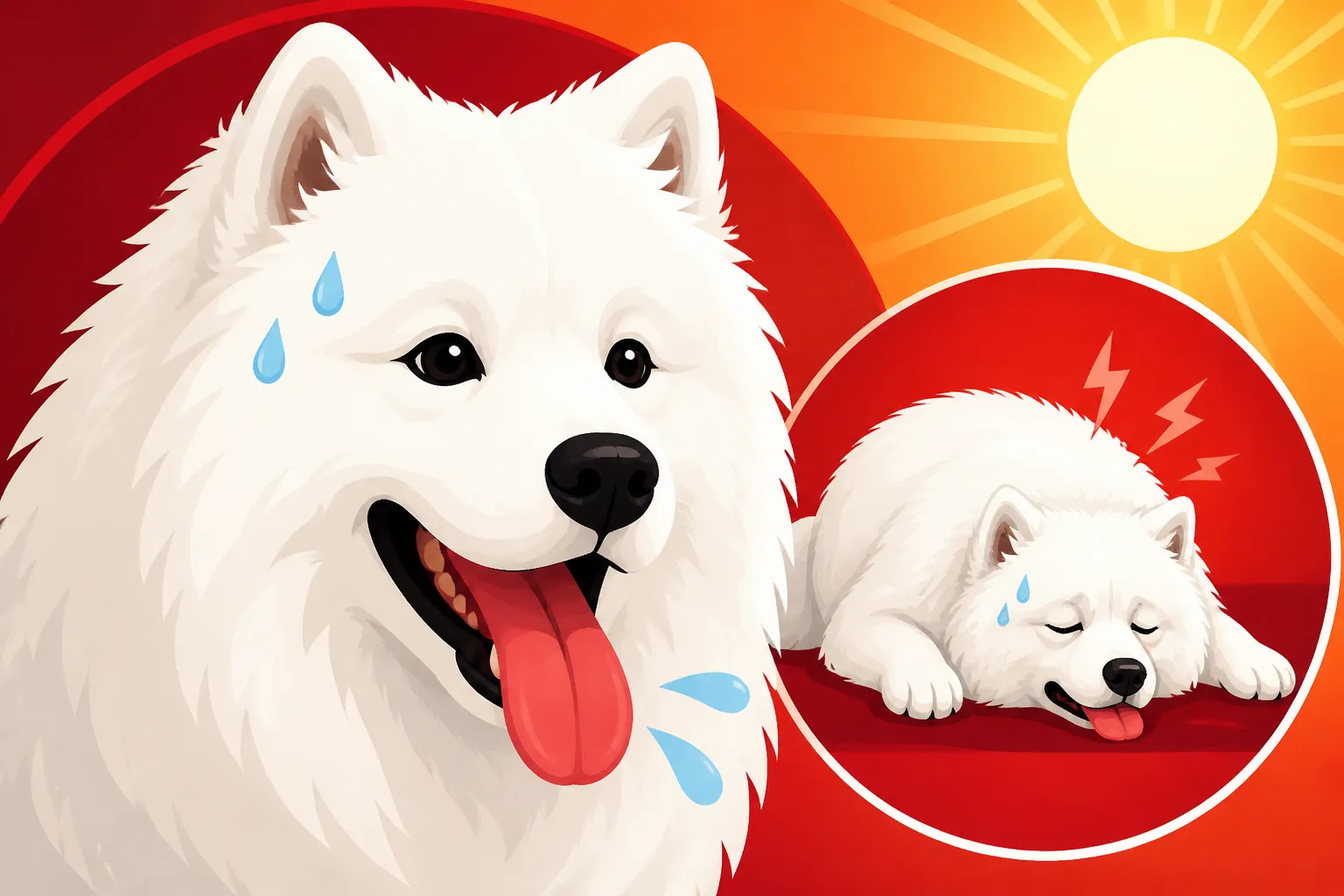
Panting alone can be concerning, but when it's accompanied by other physical symptoms, it’s almost certainly a sign of a serious problem, most commonly heatstroke in Samoyeds. These additional signs are critical indicators that your Samoyed is in significant distress.
Look for a combination of these symptoms:
- Excessive drooling: Not just a little slobber, but thick, ropey saliva dripping from their mouth.
- Bright red or very pale gums: Healthy gums are usually pink. Red gums can indicate overheating, while very pale gums might suggest shock.
- Glassy or wide eyes: Their gaze might seem unfocused or panicked.
- Weakness or stumbling: They may struggle to stand, walk unsteadily, or even collapse.
- Vomiting or diarrhea: Their digestive system can be affected by severe heat stress.
- Elevated body temperature: If you have a rectal thermometer and know how to use it safely, a temperature above 104°F (40°C) is an emergency.
- Rapid heart rate: You might feel their pulse racing.
- Disorientation or confusion: They might not respond to their name or familiar commands.
- Seizures: In the most severe cases, heatstroke can lead to neurological issues.
Any combination of these symptoms with excessive panting means your Samoyed is likely experiencing heatstroke, which is a life-threatening emergency. Signs a Samoyed Is Overheating often overlap with these severe indicators.
Immediate Actions When Your Samoyed is Overheating
If you suspect your Samoyed is overheating and their panting has become a red flag, immediate action is crucial. Every minute counts in preventing irreversible damage.
Moving to a Cooler Environment
The very first and most critical step is to get your Samoyed out of the heat source immediately. This seems obvious, but panic can sometimes cloud judgment.
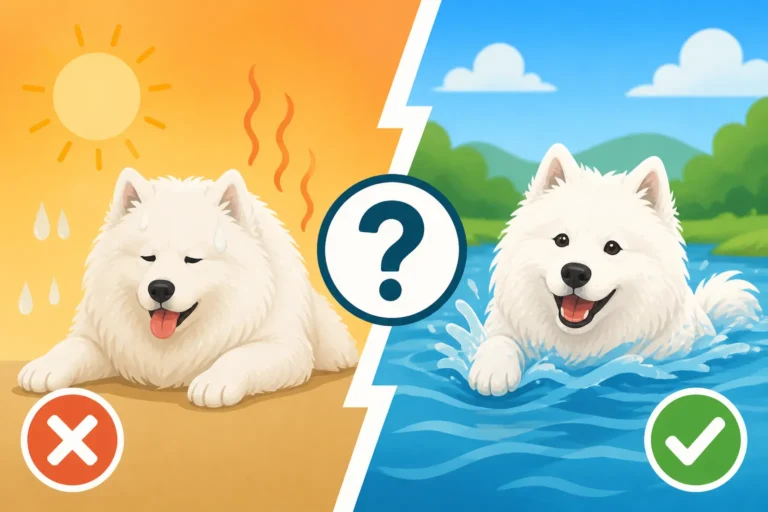
If they were outside, bring them indoors to an air-conditioned space. If you don't have AC, move them to the coolest, shadiest part of your home, perhaps a tiled floor in the bathroom or kitchen. Even a garage with a fan can be better than direct sun. Don't waste time trying to figure out if it's definitely heatstroke; act as if it is. Get them into that cool spot. This initial move stops the progression of heat absorption and allows their body a chance to start shedding some of that excess warmth. If you're out on a walk, head for the nearest patch of dense shade, even if it means cutting the walk short and carrying them a bit. Remember, Samoyeds are built for colder climates, and even what feels like a mild day to you can be too much for them. The Temperature at Which a Samoyed Should Stay Indoors is often lower than people assume.
Providing Water and Cooling Aids
Once your Samoyed is in a cooler spot, the next step is to actively help them cool down. This involves offering water and applying external cooling.
Offer them small amounts of cool (not ice-cold) water to drink. Don't let them gulp down a huge amount at once, as this can lead to vomiting or bloat. If they refuse to drink, don't force it. The focus then shifts to external cooling. You'll want to gently wet their fur, concentrating on areas where heat dissipates quickly: their belly, paws, inner thighs, and neck. Use cool tap water, never ice water, as extreme cold can constrict blood vessels and paradoxically hinder cooling by preventing heat exchange. You can use wet towels draped over them, or even a garden hose on a gentle setting if you're outside and it's readily available. A cooling mat, perhaps one from Amazon or Chewy, can also be a godsend in these situations, providing a cool surface for them to lie on. Focus on getting the skin cool, not just the outer layer of their dense coat. How a Samoyed Should Be Cooled Down offers more detailed methods.
When to Seek Veterinary Help
Even if your Samoyed appears to be recovering from overheating, it is absolutely vital to contact your veterinarian immediately. Heatstroke can have delayed and serious consequences, affecting organs like the kidneys, liver, and brain, even after the dog seems to have cooled down externally.
Describe all the symptoms you observed and the steps you've taken. Your vet will advise you on whether to bring them in immediately or monitor them closely. In most suspected heatstroke cases, an immediate vet visit is recommended to assess for internal damage and provide supportive care like IV fluids, oxygen, and medications to protect organs. Don't wait until things get worse; prompt professional intervention can be the difference between a full recovery and severe complications or even death. Whether Heat Kills More Samoyeds Than Disease is a stark reminder of the gravity of this situation, emphasizing that heatstroke is a genuine killer.
Preventative Measures to Keep Your Samoyed Cool
The best way to deal with a Samoyed whose panting means trouble is to prevent them from getting into that trouble in the first place. Proactive measures are key, especially if you live in a warmer climate.
Adjusting Exercise Routines
Samoyeds are active dogs that thrive on exercise, but their exercise routine needs serious modification when the weather gets warm. Pushing them too hard in high temperatures is a direct route to overheating.
During warmer months, shift walks and playtime to the coolest parts of the day: early mornings and late evenings. Avoid midday sun entirely, even if it "doesn't feel that hot" to you. Pavement and asphalt can retain immense heat, burning their paw pads and radiating heat back up into their bodies, intensifying their struggle to cool down. Consider shorter, more frequent walks instead of one long one. If your Samoyed loves to play, choose indoor activities or shaded areas on grass. Remember, they have a magnificent coat designed for arctic conditions, so their perception of "hot" is much different than ours. If you notice your Samoyed Refuses to Walk in Heat, listen to them – they are telling you they've had enough.
Creating a Cool Home Environment
Your Samoyed's indoor environment is just as important as outdoor considerations. A cool home provides a sanctuary where they can truly rest and recover.
Air conditioning is often not a luxury but a necessity for Samoyed owners in warm climates. Keep your AC running at a comfortable temperature, even if it means a higher energy bill. If AC isn't an option, strategically placed fans can help create air circulation, especially if you can get cross-ventilation. Provide elevated dog beds, which allow air to circulate underneath, or cooling mats (many great options are available from retailers like Chewy or Amazon). Make sure they have access to cool, shaded spots throughout the house. Think about tiled floors, which often stay cooler than carpets. During peak heat, consider closing blinds or curtains to block direct sunlight that can heat up rooms. Whether a Samoyed Needs Air Conditioning is a question many owners face, and for most, the answer is a resounding yes.
Considering Hydration and Diet
Proper hydration and a well-managed diet play a significant role in your Samoyed's overall health and their ability to cope with heat.
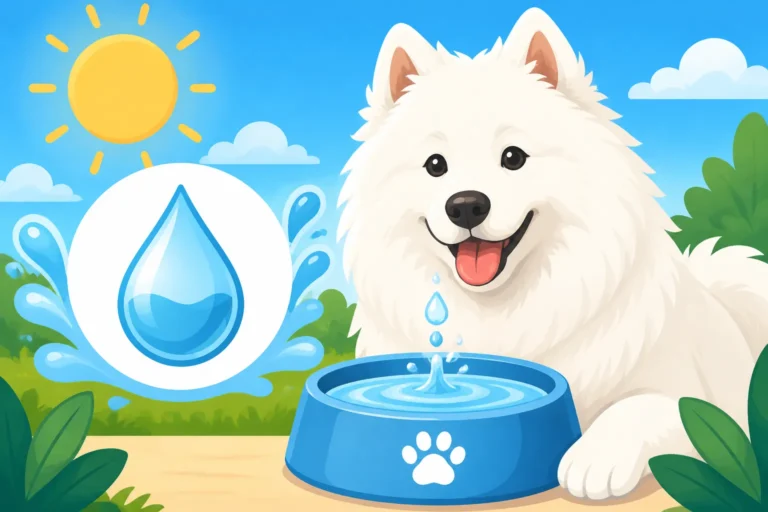
Always ensure your Samoyed has access to fresh, cool water. This means multiple water bowls strategically placed around the house and always having water on hand when you're out. Consider adding ice cubes to their water bowl on warmer days or investing in a dog fountain to encourage more drinking. Some owners even offer frozen treats or ice blocks with dog-safe fruits and veggies inside to boost hydration. While specialized diets aren't typically for heat prevention, a balanced diet keeps their overall system robust. If your dog is on a fresh food diet, like one from Ollie, ensuring they get enough moisture through their food can also contribute to overall hydration. Monitoring their water intake is a good habit, as increased thirst can also be a subtle sign of other underlying health issues. Water, Shade and the Summer Plan for a Samoyed is about more than just a pool; it's about a holistic approach to summer care.
| Symptom | Normal Panting (Usually) | Concerning Panting (Red Flag) |
|---|---|---|
| Activity Level | After exercise, excitement, short-lived | Unrelenting, disproportionate to activity, persists after cooling |
| Body Language | Relaxed, happy, alert, responsive | Stiff, anxious, disoriented, wobbly, collapsing |
| Sound | Quiet, regular "ha-ha-ha" | Labored, raspy, gurgly, wheezing, loud, strained |
| Gums | Pink and moist | Bright red, dark, or very pale |
| Drooling | Minimal or none | Excessive, thick, ropey |
| Other Symptoms | None | Vomiting, diarrhea, weakness, seizures, collapse, unresponsiveness |
| Recovery Time | Quickly reduces after rest/cooling | Does not improve, worsens, or returns quickly |
Disclaimer
This article is for general informational purposes only and does not constitute professional advice. Laws, prices and regulations vary by location and change over time. Consult a qualified professional for guidance on your specific situation.