Why a Samoyed’s White Coat Shows Every Stain
Oh, the sheer joy of a fluffy, pristine white Samoyed bounding through the snow! It’s a vision, isn't it? But then, reality hits, often literally, in the form of a mud puddle, a runny eye, or a messy meal. Suddenly, that glorious white coat becomes a billboard for every single speck of dirt, every tear stain, every stray crumb. It’s incredibly frustrating to invest time and love into keeping your Samoyed looking their best, only for their signature white coat to instantly betray every minor mishap. This guide is all about peeling back the layers on why that brilliant white shows every single stain, and more importantly, how you can proactively manage and tackle those inevitable discolorations, keeping your Sammy looking closer to that snow angel ideal.
The Unavoidable Truth: White Coats and Visible Stains
Let's be real: owning a Samoyed means embracing the color white, and with it, the challenge of keeping it white. It’s a bit like buying a brand new white sofa – you know what you’re signing up for. But understanding why that white is such a magnet for visible stains can help us approach the problem with a bit more patience and strategy. It’s not just bad luck; it’s science, and a little bit of breed-specific magic.
The Bright Canvas Effect
Think of your Samoyed's beautiful white coat as a blank canvas. Any pigment, no matter how small or light, is going to show up like a giant smudge. Unlike dogs with darker or multi-colored coats, where dirt and minor discolorations can blend in or be camouflaged by different shades, white offers absolutely nowhere to hide. A tiny speck of mud that would be invisible on a black Labrador or a brown German Shepherd pops out immediately on a Samoyed's pristine fluff. This isn't a flaw in their coat; it's simply the nature of the color white. It reflects light, making even the faintest tint or discoloration stand out vividly against the bright backdrop. It's a double-edged sword: stunningly beautiful when clean, but mercilessly revealing when not.
How Samoyed Coat Texture Contributes
Beyond just the color, the unique texture and composition of a Samoyed's double coat also play a significant role in how stains appear and cling. Their coat isn't just fluffy; it's densely packed, with a soft, woolly undercoat and coarser, straight guard hairs. This combination, which makes them so perfectly insulated for freezing temperatures, also creates a complex surface for dirt and moisture to interact with.
The coarser guard hairs, while somewhat dirt-repellent, can still trap particles. But it's that incredibly thick, soft undercoat that really soaks up moisture and grime, holding onto it like a sponge. When a Samoyed rolls in wet grass or dirt, the moisture and pigments are absorbed into this undercoat. As it dries, the particles remain, staining the individual hairs. Plus, the sheer volume of fur means there are more surfaces for dirt to attach to. Imagine trying to clean a single strand of hair versus a whole plush carpet; your Samoyed's coat is definitely in the "plush carpet" category. This dense texture also means that once a stain sets in, it’s not just on the surface; it’s woven deep into the fibers, making it harder to simply brush out. It’s a testament to the ingenious design of What a Samoyed's Double Coat Is Made Of, but also a challenge for us keeping them spotless!
Top Culprits Behind Your Samoyed's Stains
Now that we understand why white shows stains, let's get into the nitty-gritty of what causes them. It’s often a combination of external factors from their environment and internal ones stemming from their own bodies. Knowing the enemy is half the battle, right?
Environmental Factors: Mud, Grass, and Grime
This category is probably the most obvious and, let's be honest, the most frequent cause of despair for Samoyed owners.
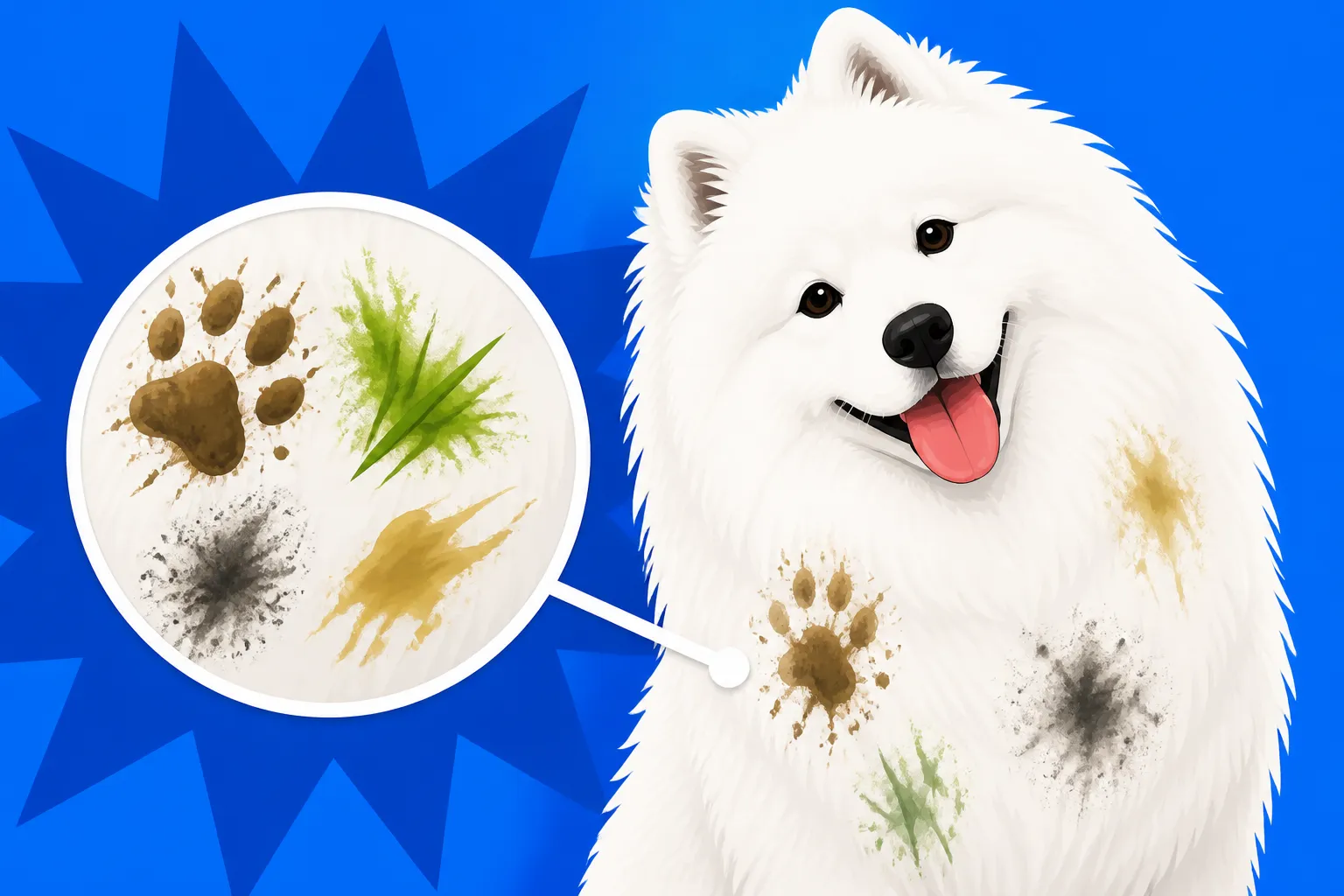
- Mud: Oh, glorious mud! To a Samoyed, a mud puddle isn't a hazard; it's an invitation. Whether it's a quick splash through a rainy park or a full-body roll in a freshly watered garden bed, mud is the ultimate coat disrupter. The fine particles of soil, often rich in minerals, cling to the fur and, once dried, leave behind a dull, brownish, or grayish stain. The frustrating part is that it often feels like they seek out the muddiest spots, despite your best efforts to guide them away. The good news is that How a Samoyed's Coat Sheds Dirt on Its Own can sometimes work its magic once the mud is completely dry, turning a brown dog back into a white one with a good brush. But fresh mud? That’s a whole different story.
- Grass Stains: Ever noticed green tinges on their paws or belly after a romp in the park? That's chlorophyll, the green pigment in plants, doing its thing. Grass stains might not be as dramatic as mud, but they're insidious. They can sneak in around the paw pads, chest, and lower legs, especially if your Samoyed loves to flop down and wiggle in the fresh cuttings. These stains are particularly tough because plant pigments can be quite tenacious.
- General Grime and Dust: Even if your Samoyed isn't actively rolling in mud, everyday dust, pollen, and urban grime floating in the air can settle into their dense coat. Over time, this accumulation leads to a dull, dingy appearance, turning that pristine white into an off-white or even yellowish hue. It’s the slow creep of discoloration that you might not notice day-to-day, but becomes glaringly obvious when you compare them to an old photo.
Saliva, Tears, and Body Oils: The Internal Stains
Not all stains come from outside. Our Samoyeds themselves, with all their lovely doggy habits, can be sources of discoloration.
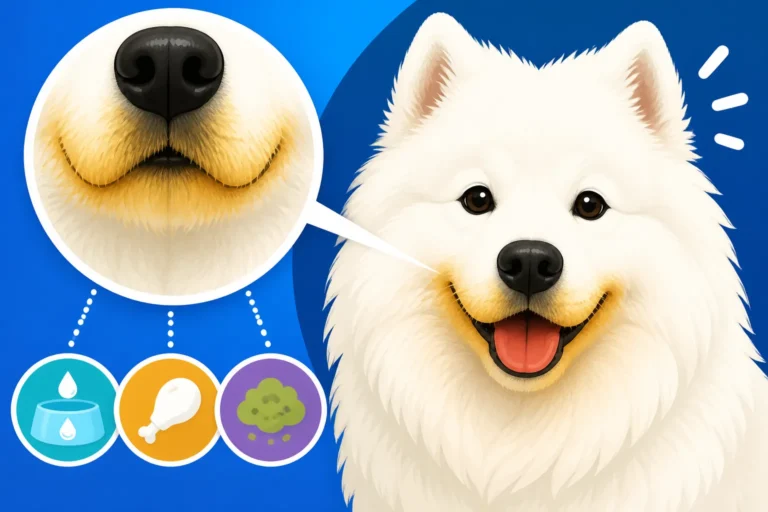
- Tear Stains: These are the bane of many light-colored breeds, and Samoyeds are no exception. The reddish-brown streaks that appear beneath their eyes are caused by porphyrins, iron-containing molecules excreted in tears. When these porphyrins are exposed to light and air, they oxidize, creating that telltale reddish-brown color. Factors like genetics, diet, allergies, blocked tear ducts, or even irritation from hair around the eyes can contribute to excessive tearing. While Whether a Samoyed's Face Stains From Tears is a common concern, consistent gentle cleaning can help mitigate it.
- Saliva Stains: Your Samoyed's happy, panting smile, while adorable, can leave its mark. Constant licking of paws, bellies, or legs, often due to allergies, boredom, or simply self-grooming, deposits saliva onto the coat. Like tears, saliva contains porphyrins and yeast, which, when exposed to air, can cause reddish-brown or pinkish discoloration. This is especially prevalent around the mouth (often called "beard stain"), on the paws from habitual licking, or on the lower legs and belly if they are prone to licking those areas. Whether a Samoyed's Beard Stains From Food is a very real problem, especially if they have sloppy eating habits!
- Body Oils and Sebum: Dogs naturally produce oils (sebum) to keep their skin and coat healthy. However, over time, these oils can accumulate, particularly in areas of friction or where the coat is especially dense, like behind the ears, on the chest, or around the tail. These natural oils pick up dust and dirt, leading to a greasy, yellowish discoloration that can be quite stubborn to remove. An aging coat can also sometimes show this more prominently, so How a Samoyed's Coat Changes With Age can certainly be a factor.
Food and Treat Related Discoloration
What goes in often comes out, or at least, gets smeared on the coat. Food and treats are surprisingly frequent culprits for staining.
- Kibble and Wet Food Residue: If your Samoyed is a messy eater (and let's be honest, many are, especially with that fluffy beard!), pieces of kibble or smears of wet food can get caught in the fur around their mouth and chest. Even if you don't notice it immediately, the oils and dyes from the food can slowly but surely tint the white fur, creating unsightly yellow or orange patches. This is particularly true for kibbles with artificial colors or rich, oily coatings.
- Colored Treats and Chews: Those bright red dental chews or vibrant orange sweet potato treats? They might be delicious, but they are notorious for leaving tell-tale streaks on a white coat. If your Samoyed holds a chew between their paws or lets it rest against their chest, the dyes can transfer directly to the fur. Even natural treats like bully sticks can leave a yellowish residue. It's a trade-off between a happy dog and a clean coat!
Proactive Strategies to Keep That Coat Pearly White
Knowing the causes is great, but what can we actually do about it? The good news is that a consistent, proactive approach can make a huge difference in maintaining that glorious Samoyed white. It’s all about prevention and regular maintenance.
The Power of Regular Grooming and Brushing
This is probably the single most important defense against stains. A well-maintained coat is less likely to hold onto dirt and grime.
- Daily Brushing: I know, I know, it sounds like a lot, but even a quick 10-15 minute brush down daily can work wonders. This isn't just about removing loose fur (though that's a huge benefit, especially during a When a Samoyed Blows Its Coat!). Daily brushing helps to dislodge loose dirt and dust before it has a chance to settle and stain. It also distributes natural oils, which can help create a slight barrier against new dirt, and prevents mats, which are notorious for trapping grime. Focus on areas prone to staining: under the chin, around the mouth, the chest, legs, and belly. A good quality slicker brush and an undercoat rake are your best friends here. You can find excellent options on Chewy, from brands like Chris Christensen or Furminator, which are designed to penetrate that dense undercoat.
- Targeted Cleaning After Outings: Did your Samoyed just have a joyous romp in the park? Don't wait until bath time! Keep a towel and perhaps some waterless shampoo or pet-safe wipes by the door. Immediately wipe down their paws, legs, and belly after coming inside. For muddy paws, a quick rinse in a shallow basin of water can prevent the mud from drying and staining. This little habit saves so much heartache later. Spot Cleaning a Samoyed Instead of Bathing It is a lifesaver for those everyday incidents.
Dietary Considerations for a Brighter Coat
Believe it or not, what goes into your Samoyed's belly can impact the cleanliness of their outer coat.
- Quality Food Matters: A high-quality diet that supports overall health can contribute to a healthier coat, which in turn might be more resistant to staining. Look for foods with good protein sources and healthy fats like Omega-3s. Some owners report that switching to a fresh food diet, like those offered by Ollie, or a high-quality kibble with fewer artificial ingredients, can help reduce tear and saliva staining over time by addressing potential allergies or sensitivities. While it's not a magic bullet, a healthy gut often translates to healthier skin and coat. You might also find that How Much Food a Samoyed Eats Monthly becomes a less stained affair if the food isn't full of artificial dyes.
- Minimizing Staining Treats: This can be a tough one because who wants to deny their Sammy a treat? But be mindful of the color of treats and chews. Opt for natural, uncolored options when possible. If your Samoyed loves a particular colored chew, consider supervising them or offering it on a washable mat to minimize contact with their fur. Always wipe their mouth and beard area after giving a treat to remove any residue before it can set.
Environmental Management and Quick Clean-Ups
Sometimes, it's about managing their environment and being ready for anything.
- Puddle and Mud Avoidance (as much as possible): This is easier said than done with a Samoyed's love for exploration! But being aware of common mud traps in your walking routes can help. If you know a certain area is perpetually muddy, try to steer them away or choose an alternative path. If an unavoidable puddle appears, a quick "leave it" or "this way" can sometimes divert them.
- Designated "Messy Zones": For eating and drinking, consider setting up a "messy zone" with washable mats or even an elevated feeder that helps reduce dribbling onto their chest. Some Samoyed owners even put bibs on their dogs during meal times, especially for puppies or particularly sloppy eaters. You can find a variety of feeder options and mats on Amazon or Chewy to create a practical eating space.
- Immediate Action for Accidents: The faster you address a fresh stain, the easier it is to remove. Keep a spray bottle of diluted pet-safe shampoo or a specialized stain remover handy. Don't let a small spot of mud dry and set; tackle it right away. This applies to any liquid or substance that gets on their coat.
Tackling Stains When They Happen: Cleaning Solutions
Despite all our best efforts, stains will happen. It's an inevitable part of living with a white, fluffy dog. But don't despair! There are effective ways to tackle existing stains and restore that snowy brilliance.
Spot Cleaning for Immediate Results
For those everyday mishaps, a full bath isn't always practical or necessary. Spot cleaning is your best friend.
- Waterless Shampoos and Foaming Cleansers: These products are fantastic for quick clean-ups between baths. Simply apply to the stained area, work it into the fur, and then towel dry or brush out. They lift dirt and grime without needing a full rinse. Brands like Bio-Groom or Earthbath offer excellent waterless options that are gentle on their skin and coat. Keep one by the door or in your car for adventures!
- Pet-Safe Wipes: For minor marks, dirty paws, or fresh tear/saliva stains, pet-safe grooming wipes are incredibly convenient. They are pre-moistened and can quickly remove superficial dirt before it sets. Again, look for brands specifically designed for pets to ensure they are free of harsh chemicals or fragrances that could irritate your Samoyed's sensitive skin.
- Cornstarch for Dried Mud: This is an old groomer's trick! For completely dry mud or dirt, sprinkle a generous amount of plain cornstarch onto the stained area. Let it sit for a few minutes to absorb the oils and moisture, then brush it out thoroughly. The cornstarch helps to lift the dirt particles and makes them easier to remove. Just make sure the coat is truly dry, as cornstarch on wet fur can clump and create a bigger mess. Whether Cornstarch Cleans a Samoyed's Coat is a common question, and yes, for certain types of dry stains, it's surprisingly effective.
Deep Cleaning and Bathing Techniques
When spot cleaning just isn't enough, it's time for a proper bath. But bathing a Samoyed isn't like bathing a short-haired dog; it's an event!
- Pre-Bath Brushing is Crucial: Before any water touches your Samoyed, brush them thoroughly. Seriously. This step cannot be skipped. Removing all loose hair and tangles before bathing prevents mats from forming when the coat gets wet, and allows the shampoo to penetrate properly. How Often a Samoyed Needs Brushing is significant, but before a bath, it's mandatory.
- Using Whitening Shampoos: There are many shampoos formulated specifically for white coats. These often contain optical brighteners or gentle bluing agents (like a very diluted indigo) that neutralize yellow tones and make the white appear brighter. Always read the instructions carefully and ensure they are pet-safe. Avoid products designed for humans, as they can be too harsh. Some popular choices available on Chewy or Amazon include brands like Chris Christensen White on White or Isle of Dogs Coature No.10 Evening Primrose Oil Shampoo. Remember, Whether a Whitening Shampoo Damages a Samoyed's Coat is a valid concern, so choose reputable brands and always rinse thoroughly.
- Thorough Rinsing and Drying: This is perhaps the most important part of bathing a Samoyed. Any shampoo residue left behind can actually attract dirt and cause skin irritation. Rinse, rinse, and rinse again until the water runs completely clear from their undercoat. Then comes the drying! A high-velocity force dryer is a game-changer for Samoyeds. It blows water out of the coat, significantly reducing drying time and helping to fluff the coat and remove any remaining loose undercoat. Drying a Samoyed to the Skin is essential to prevent hot spots and matting. If you don't have a force dryer, be prepared for a long session with towels and a regular blow dryer on a cool setting.
Professional Grooming and Specialized Products
Sometimes, despite our best efforts, stubborn stains persist, or we simply don't have the time or equipment for a full Samoyed spa day.
- Professional Grooming: Don't hesitate to bring in the pros! A professional groomer has the tools, experience, and specialized products to tackle even the most ingrained stains. They can perform a full deshedding, deep clean, and thorough dry that will leave your Samoyed looking like a cloud. They understand the unique challenges of the Samoyed coat and can advise on the best products and techniques. The What a Full Groom on a Samoyed Costs might seem like an investment, but it's worth it for a truly pristine finish.
- Stain Removers for Specific Issues: For particularly stubborn tear or saliva stains, there are specific products designed to break down those porphyrin compounds. These often come as pastes or liquids that are applied directly to the stained area. Brands like Eye Envy or Angels’ Eyes can be found on Chewy or Amazon. However, use these with caution, especially around the eyes, and always follow the manufacturer's instructions to avoid irritation. It's worth consulting your vet if tear or saliva staining is severe, as there might be an underlying health issue at play.
Maintaining the Pristine Samoyed Glow
Keeping your Samoyed's coat sparkling white is an ongoing journey, not a destination. It’s a testament to their playful spirit that they'll inevitably find new ways to get delightfully dirty. But with the right tools, consistent effort, and a realistic understanding of their unique coat, you can significantly reduce the visibility and severity of stains. It's about enjoying your fluffy companion, embracing their happy, often messy, personality, and having a good strategy in place for those inevitable moments when their white coat decides to tell the story of their latest adventure. By combining proactive measures with effective cleaning techniques, you can keep that Samoyed smile (and coat!) shining brightly.
| Stain Type | Primary Cause | Proactive Measures | Cleaning Solutions |
|---|---|---|---|
| Mud/Grime | Environmental dirt, dust, wet soil | Daily brushing, post-outing wipe-downs, avoid puddles | Waterless shampoo, pet wipes, cornstarch (dry), whitening shampoo |
| Grass | Chlorophyll from plants | Limit rolling in fresh grass, wipe paws/belly | Pet wipes, targeted shampooing |
| Tear Stains | Porphyrins in tears, allergies | Regular eye cleaning, address allergies/irritation, quality diet | Tear stain removers, gentle pet wipes, specialized shampoos |
| Saliva Stains | Porphyrins/yeast in saliva, licking | Consistent oral hygiene, discourage excessive licking, clean after treats | Saliva stain removers, gentle pet wipes, specialized shampoos |
| Food Stains | Food/treat residue, artificial dyes | Use feeding mats, wipe beard after meals, uncolored treats | Pet wipes, targeted shampooing, professional grooming |
| Body Oils | Natural sebum accumulation | Regular thorough brushing, appropriate bathing | Degreasing shampoo, whitening shampoo, professional grooming |
Disclaimer
This article is for general informational purposes only and does not constitute professional advice. Laws, prices and regulations vary by location and change over time. Consult a qualified professional for guidance on your specific situation.