Which Lab Runs the Samoyed Kidney Test
Finding out if your beloved Samoyed is at risk for serious genetic health conditions can be incredibly stressful, especially when you're wading through conflicting information trying to figure out where to even begin. One of the most critical concerns for Samoyed owners and prospective puppy buyers is hereditary kidney disease. This guide is here to clarify which reputable laboratories offer the essential genetic testing needed to protect your furry family member.
Understanding Samoyed Hereditary Glomerulopathy (SHG)
It's a heartbreaking reality that some Samoyed males are born with a genetic predisposition to a severe kidney disease known as Samoyed Hereditary Glomerulopathy, or SHG. This isn't just any kidney issue; it's a specific, progressive condition that can tragically shorten their lives, often before they even reach two years old. Imagine the shock and devastation of watching a vibrant young puppy suddenly decline. It’s a truly difficult scenario that no Samoyed owner wants to face. This disease is X-linked, meaning males are primarily and severely affected, while carrier females usually only show mild or no symptoms, but can pass the gene to their offspring.
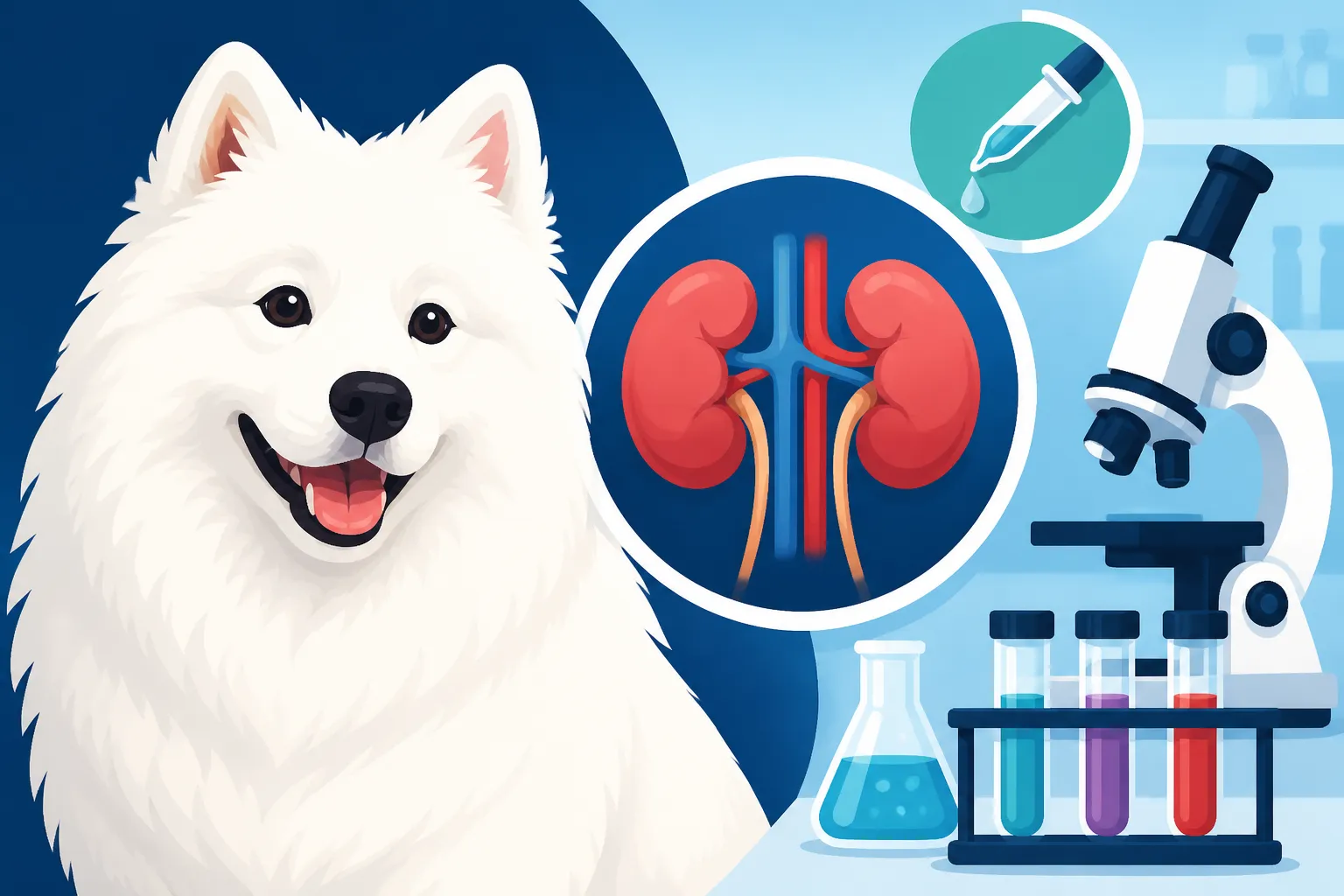
The underlying cause of SHG is a mutation in the COL4A5 gene, which plays a crucial role in forming type IV collagen. This specific type of collagen is a vital component of the kidney's filtering units, called glomeruli. When this collagen is faulty, the glomeruli can't do their job properly, leading to protein leakage into the urine and, eventually, kidney failure. Knowing that there's a specific gene responsible means we have the power to test for it and make informed decisions, whether you're a responsible breeder striving to eliminate it from your lines or a future puppy parent seeking a healthy companion. This is why a test like The COL4A5 Test Every Samoyed Buyer Should Ask About is so vital.
The urgency of this testing can't be overstated. While we often think of kidney disease as something that affects older dogs, SHG strikes young Samoyed males. Symptoms can begin to show themselves as early as 3-6 months of age, progressing rapidly. This leaves a very narrow window for intervention once clinical signs are present. Preventing its occurrence through genetic screening is truly the best approach. Breeders have a profound responsibility to understand The Health Tests Both Samoyed Parents Should Have to ensure they are not inadvertently contributing to this genetic problem.
The Key Laboratory for Samoyed Kidney Testing
When it comes to highly specific, validated genetic tests for breed-specific conditions like Samoyed Hereditary Glomerulopathy, one institution consistently stands out for its reliability and direct involvement in genetic research: the Veterinary Genetics Laboratory (VGL) at the University of California, Davis (UC Davis). This lab is often considered the gold standard for many canine genetic health tests, including the one for SHG. They've been at the forefront of identifying and developing tests for genetic diseases across numerous breeds, providing essential tools for breeders and pet owners alike.
UC Davis VGL offers a dedicated test for the COL4A5 mutation responsible for Samoyed Hereditary Glomerulopathy. This isn't just a generic dog DNA panel that might incidentally cover some conditions; it's a specialized test developed specifically to target the known genetic marker for SHG in Samoyeds. This precision is absolutely critical when dealing with a condition as severe and breed-specific as this kidney disease. When you're looking for answers and peace of mind, going to a lab with a proven track record and specific expertise is paramount. You might wonder if A Samoyed Owner Can Order the Kidney Test directly, and in many cases, yes, you can.
While other commercial genetic testing companies like Embark or Wisdom Panel offer comprehensive breed panels that might include hundreds of genetic markers, it's essential to verify if their panels include the specific COL4A5 mutation for Samoyed Hereditary Glomerulopathy with the same level of diagnostic accuracy and reporting detail as a specialized lab like UC Davis VGL. For such a critical, life-limiting condition, always confirm the exact test being performed. Responsible breeders often rely on these specialized labs because they provide results that are widely accepted within the breed community and by canine health organizations. The importance of genetic testing is a conversation that prospective owners should have with breeders, asking Whether a Samoyed Puppy Should Be Tested Before Purchase to safeguard their future.
How to Get Your Samoyed Tested
The process of getting your Samoyed tested for SHG, or any genetic condition, is surprisingly straightforward, but it requires careful attention to detail to ensure accurate results. You don't want to go through the effort and expense only to find your sample was insufficient or contaminated.
Initiating the Test Order
First, you'll typically visit the UC Davis VGL website and navigate to their canine genetic testing section. There, you'll find the specific test for "Samoyed Hereditary Glomerulopathy (COL4A5)." You'll place your order online, which usually involves selecting the test, providing your dog's information (name, breed, date of birth, registration numbers if applicable), and paying the fee. The cost for these specialized tests can vary, so it's always good to check their current pricing. This is part of What the Samoyed Hereditary Nephritis Test Costs, and it's a crucial investment.
Once your order is placed, the lab will send you a DNA collection kit. This kit generally contains sterile cheek swabs, instructions, and return envelopes. It's incredibly important to follow these instructions precisely. Using the swabs incorrectly, contaminating them, or not collecting enough cellular material can lead to inconclusive results, delays, and the need for re-testing, which can be frustrating and costly. Remember, the goal is to get a clear, definitive answer as efficiently as possible.
Collecting and Submitting the Sample
The most common method for DNA collection for this test is a buccal swab (cheek swab). This is a non-invasive and generally stress-free process for your Samoyed. You'll gently rub the sterile swabs on the inside of your dog's cheek and under their tongue for a specified amount of time, ensuring you collect plenty of cheek cells. It's crucial that your dog hasn't eaten, nursed, or had anything in its mouth for at least 30-60 minutes before swabbing, as food particles can contaminate the sample and interfere with the DNA extraction. Some labs may also accept blood samples, which would need to be drawn by a veterinarian. Blood samples are generally considered to yield higher quality DNA, but cheek swabs are sufficient if collected correctly.
Once you've collected the sample, allow the swabs to air dry completely before packaging them according to the kit's instructions. This prevents mold growth and preserves the DNA. Fill out all accompanying paperwork carefully and accurately, ensuring your dog's details match the online order. Then, package everything in the provided return envelope and mail it back to UC Davis VGL. Shipping typically needs to be done via a trackable service to ensure it reaches the lab safely. Results usually take several weeks, but the specific turnaround time will be provided by the lab.
Interpreting Test Results and Planning for the Future
Receiving the results of a genetic test can be a moment of anxiety and anticipation, especially for a condition like SHG. Understanding what the results mean is crucial for making informed decisions about your Samoyed's health and, if you're a breeder, for planning future litters.
Understanding the Possible Outcomes
For the COL4A5 test, your Samoyed's results will typically fall into one of three categories:
- Clear/Normal: This means your Samoyed does not carry the COL4A5 mutation and is not at risk for developing SHG due to this specific genetic cause. They also cannot pass the mutation to their offspring. This is the ideal result for any Samoyed owner and breeder.
- Carrier: This applies to female Samoyeds. A carrier female has one copy of the mutated gene and one normal copy. She typically will not develop severe SHG symptoms, if any, and usually lives a normal lifespan, though some may exhibit very mild, subclinical signs of kidney changes later in life. However, a carrier female can pass the mutated gene to her offspring. Each puppy she produces has a 50% chance of inheriting the mutated gene. If she has male offspring, they would be affected if they inherited the single mutated X chromosome. If she has female offspring, they would be carriers if they inherited the mutated X chromosome.
- Affected: This applies to male Samoyeds who have inherited the single mutated X chromosome. An affected male will develop SHG, typically with severe and progressive kidney failure, often leading to a greatly shortened lifespan. Affected males should not be bred, and early diagnosis allows owners to work with their veterinarians to manage the disease as best as possible, though there is no cure. Learning that your male Samoyed is affected can be devastating, prompting questions about management and quality of life, like Whether an Affected Samoyed Male Can Be Neutered Safely.
Actionable Steps Based on Results
If your Samoyed tests Clear, congratulations! You have peace of mind regarding this specific genetic disease. For breeders, this dog is a valuable asset for maintaining healthy lines.
If you have a Carrier female, the decisions become more complex. Responsible breeding dictates that a carrier female should only be bred to a clear male. This ensures that none of her male offspring will be affected, and any female offspring inheriting the mutation will only be carriers. All puppies from such a breeding should still be tested to identify carriers for future breeding decisions. This is part of the ongoing effort to ensure Whether a Samoyed Breeder Must Test Every Female to eventually eradicate this disease from the breed.
If your male Samoyed tests Affected, it's a tough pill to swallow. The first step is to consult immediately with your veterinarian. They can guide you on monitoring his kidney function, suggest dietary modifications, and discuss supportive care to manage symptoms and maximize his quality of life for as long as possible. Unfortunately, The Kidney Disease That Kills Samoyed Males Before Fifteen Months highlights the grim reality, but early detection can still make a difference in how his short life is managed. This also becomes a critical consideration for pet insurance. While Healthy Paws, like most insurers, has limitations regarding pre-existing conditions, knowing the genetic status before symptoms appear is vital. If a dog is identified as affected before policy inception and symptoms manifest later, coverage could be complicated. However, if enrolled with Healthy Paws as a puppy and then diagnosed, some aspects of care might be covered, depending on the specific policy details and when the test was performed versus policy start.
A summary table of common genetic testing labs for Samoyeds:
| Lab Name | Primary Focus for Samoyeds | Key Advantages | Potential Considerations |
|---|---|---|---|
| UC Davis VGL | Specific COL4A5 test for Samoyed Hereditary Glomerulopathy | Gold standard, highly reputable, specific breed research | May require separate tests for other conditions |
| Embark Veterinary | Comprehensive panel (over 200 genetic conditions, includes SHG) | Very broad screening, detailed breed traits, health insights | Cost might be higher for just one specific test; SHG test needs verification of accuracy against VGL |
| Wisdom Panel | Broad genetic health screening, breed identification | Good for general health overview and ancestry | Verify specific COL4A5 inclusion and detail of report for SHG |
It's always recommended to discuss genetic testing options with your breeder and veterinarian. They can help you determine the most appropriate tests for your specific Samoyed and guide you through the process. For instance, understanding How Common Hereditary Glomerulopathy Is in Samoyeds can further emphasize the importance of choosing the right lab. When considering insurance for your Samoyed, checking if providers like Healthy Paws would cover diagnostics or treatment related to a potential genetic condition identified after policy enrollment, but before clinical signs, is a conversation worth having with their customer service.
Ultimately, arming yourself with knowledge and utilizing these genetic tools provides the best chance to ensure the health and longevity of your beloved Samoyed. It allows breeders to make responsible choices for the future of the breed, and for owners to be proactive in their dog's care, hopefully avoiding much heartache down the line.
Disclaimer
The information provided in this article is for general informational purposes only and does not constitute veterinary advice. Always consult with a qualified veterinarian for any health concerns or before making any decisions about your pet's medical care. Genetic testing results should be interpreted in consultation with a veterinarian or a veterinary genetic counselor.