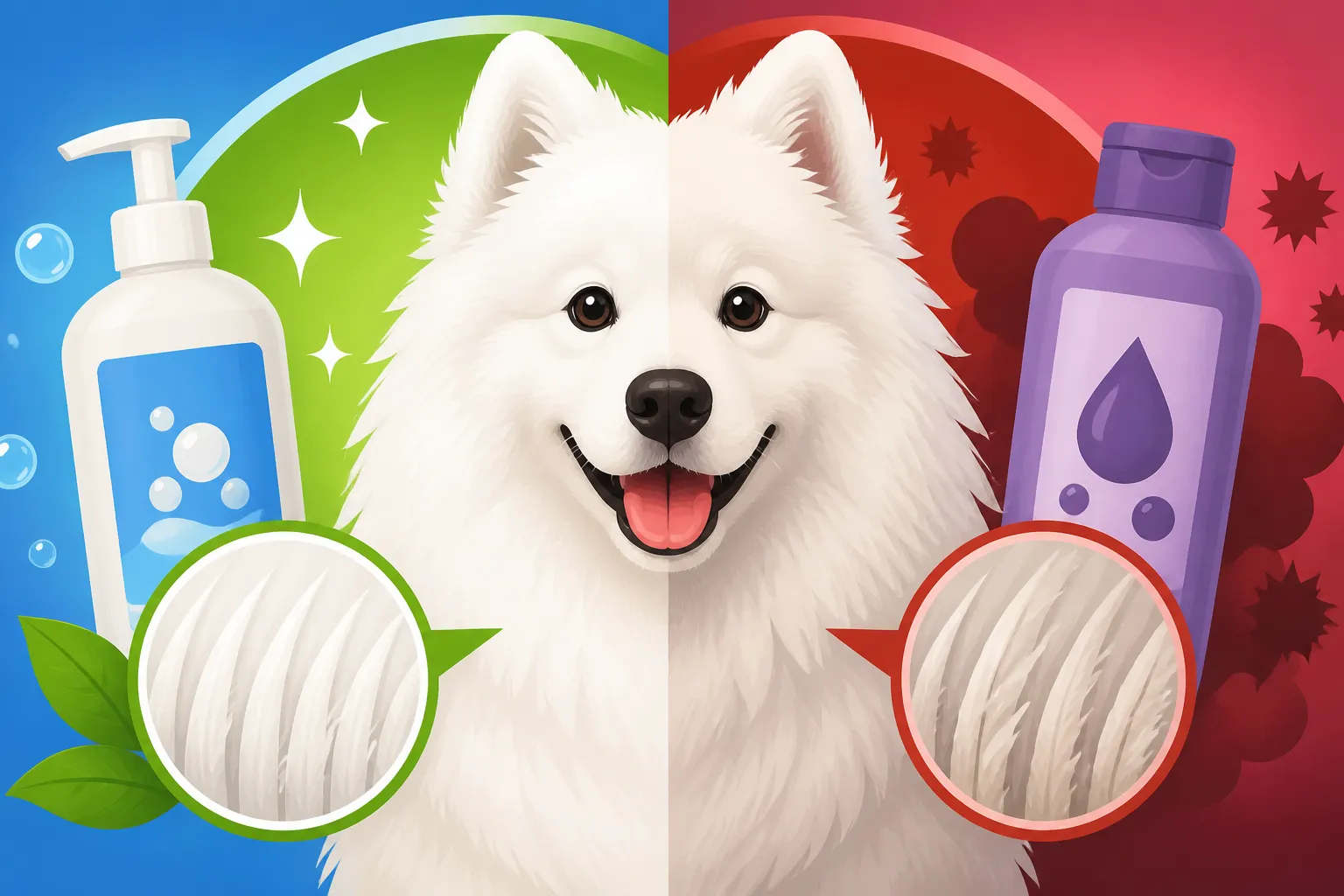
Whether a Whitening Shampoo Damages a Samoyed’s Coat
Oh, the quest for that pristine, snow-white Samoyed coat! It's a desire every Samoyed owner can deeply relate to. We all want our fluffy companions to look their absolute best, sparkling white as if they've just frolicked through fresh powder. But when you start eyeing those "whitening" shampoos, a valid concern often bubbles up: are these products truly safe for your Samoyed's unique and delicate coat, or could they actually cause damage in the long run? It’s a very common worry, and this guide is here to walk you through the truth about these shampoos and how to keep your Samoyed looking brilliant without compromise.
The Allure and Concern of Whitening Shampoos for Samoyeds
There's no denying the visual impact of a truly dazzling white Samoyed. It's part of their iconic charm, that glorious cloud of pristine fur. Naturally, we want to maintain that beauty, and sometimes, the world (and our Samoyeds) conspires against us. Mud puddles, grass stains, food drool, and even just everyday dust can make that beautiful white coat look less than stellar.
Why We Reach for Whitening Products
Let's be honest, who hasn't stared at a muddy paw or a grass-stained chest on their Samoyed and wished for a magic eraser? The desire for a brilliant white coat is strong. For those who show their Samoyeds, a gleaming white coat is often a requirement in the ring, where every detail counts. Even for pet owners, there's a certain pride in having a dog that looks impeccably clean. We associate that bright white with peak health and meticulous care, and when stains start to creep in, it can feel like we're falling short. We see products advertised as "whitening" and it sounds like the perfect solution to combat those inevitable blemishes.
What Whitening Shampoos Promise and How They Work
Most whitening shampoos aren't actually bleaching your dog's hair, thankfully. That would be far too harsh! Instead, many rely on optical tricks. Think about how purple shampoo works for human blond hair: it neutralizes yellow tones. Many dog whitening shampoos contain blue or purple pigments that act similarly. These pigments counteract the yellowing that can occur in a white coat, making it appear brighter and whiter to the eye. Some might also contain very mild detergents designed to lift and remove surface stains more effectively than a standard shampoo.
Another common ingredient you might find are "optical brighteners." These are chemicals that absorb ultraviolet light and re-emit it as visible blue light, making the coat appear brighter and more luminous. While this sounds great in theory, the mechanism of how these products interact with your Samoyed’s specific coat type and skin can be where the concerns arise.
Potential Risks and Downsides to a Samoyed's Delicate Coat
While the idea of a sparkling white Samoyed is appealing, it's crucial to understand the unique characteristics of their coat and skin. Samoyeds have a magnificent double coat that is nothing short of an engineering marvel. It's designed to protect them from extreme cold and, surprisingly, even heat. This coat has specific needs, and not all shampoos, especially those formulated for "whitening," are created equal or suitable for it.
Stripping Natural Oils and Causing Dryness
A Samoyed's coat is naturally rich in oils that keep their fur healthy, water-resistant, and resilient. These natural oils are vital for the coat's insulating properties and for maintaining the integrity of both the harsh outer guard hairs and the soft, dense undercoat. When a shampoo is too harsh, or if it contains strong degreasing agents, it can strip away these essential oils. This leads to a dry, brittle coat that is more prone to breakage, matting, and even dullness – the exact opposite of what you're trying to achieve!
Imagine washing your own hair with harsh dish soap every day; it would quickly become dry and damaged. The same principle applies to your Samoyed. Over time, stripping these oils can compromise the coat's natural protective barrier, leaving it less able to shed dirt and water, and more susceptible to environmental damage. Why a Samoyed's Double Coat Is Made Of explains just how important that structure is.
Irritation and Skin Sensitivity
Samoyeds can have sensitive skin, tucked beneath all that glorious fur. Products with strong fragrances, harsh detergents, or optical brighteners can sometimes cause irritation. This might manifest as redness, itching, excessive licking, or even lead to dreaded hot spots if your dog becomes uncomfortable and starts chewing at their skin. Even if a whitening shampoo claims to be "gentle," its pH balance or specific ingredients might not agree with your individual Samoyed. Every dog is different, and what works for one might cause problems for another. You might notice your Samoyed scratching more after a bath, or developing small red bumps – these are clear signs that the product is too harsh for their skin. This is particularly concerning given how easily skin issues can go unnoticed under such a thick coat.
Altering Coat Texture and Integrity
The goal of a healthy Samoyed coat is a soft, dense undercoat protected by long, harsh guard hairs. These guard hairs repel dirt and water. Harsh chemicals found in some whitening shampoos can actually damage the cuticle of these guard hairs, making them more porous, less able to shed dirt, and potentially altering their natural texture. Instead of a strong, resilient coat, you might end up with fur that feels dry, frizzy, or even "gummy" when wet. This damage can also lead to increased shedding and slower regrowth, ultimately undermining the health and beauty of that magnificent fluff. The integrity of the coat is paramount for a Samoyed's well-being and appearance, and risking that for a temporary "whiter" look isn't worth it.
Unnatural Tones and Uneven Results
Remember those blue and purple pigments we talked about? While they're designed to neutralize yellow, if left on too long, not rinsed thoroughly enough, or if applied unevenly, they can leave your Samoyed with an actual bluish or purplish tint. This is especially true on areas with existing biscuit markings, where the color can intensify, or on lighter, more porous fur. I've heard countless stories from owners who ended up with a distinctly lavender-hued dog after using a whitening shampoo! It's a frustrating experience when you're aiming for snow-white, not pastel. Achieving an even application and perfect rinse on a thick Samoyed coat is challenging enough without the added worry of tinting.
Safer Alternatives for Maintaining a Samoyed's Brilliant White Coat
The good news is that you don't need harsh chemicals or risky "whitening" agents to keep your Samoyed looking stunningly white. The secrets lie in consistent, proper care practices that work with their natural coat, not against it. It's about maintaining health and cleanliness from the inside out, and the outside in.
The Power of Regular, Thorough Brushing
This is, hands down, the most crucial step in maintaining a Samoyed's pristine coat. Daily, or at least every other day, thorough brushing is your best friend. Brushing does so much more than just remove loose hair. It helps to:
- Remove Dirt and Debris: Dirt, dust, and tiny bits of grass get trapped in the thick undercoat. Regular brushing physically removes these particles before they have a chance to stain or dull the coat.
- Prevent Matting: Mats trap even more dirt and can pull on the skin, causing discomfort and potential skin infections. Brushing prevents these from forming.
- Distribute Natural Oils: Brushing helps spread those vital natural oils from the skin throughout the coat, keeping it healthy, shiny, and naturally resistant to dirt and moisture.
- Stimulate Circulation: A good brush down can also improve skin health and promote healthy hair growth.
Invest in the right tools: a good quality slicker brush, an undercoat rake, and a metal comb are essential. Focus on line brushing, working in sections to ensure you reach down to the skin. This diligence will make a world of difference. For a deeper dive, check out How Often a Samoyed Needs Brushing.
Strategic Bathing with Gentle Shampoos
While daily brushing is key, occasional bathing is also necessary. The trick is to use the right shampoo and proper technique. Instead of reaching for aggressive whitening formulas, opt for high-quality, gentle shampoos specifically designed for dogs. Look for formulas that are tearless, pH-balanced for canine skin, and free from harsh dyes or strong perfumes.
Here's how to bathe strategically:
- Brush First: Always, always brush your Samoyed thoroughly before bathing. Mats get tighter and harder to remove when wet.
- Dilute Shampoo: Many professional groomers dilute shampoo to ensure it distributes evenly and rinses out easily.
- Lather and Rinse Thoroughly: Work the shampoo deep into the coat, ensuring you reach the skin. The rinsing part is even more critical. Any shampoo residue left behind can cause skin irritation and attract more dirt. Rinse until the water runs completely clear and you feel no slipperiness in the fur. This might take longer than you expect! Refer to Drying a Samoyed to the Skin for more on post-bath care.
- Consider a Whitening Conditioner (with caution): If you absolutely feel the need for a "whitening" boost, some conditioners or rinses use optical brighteners or purple pigments in a less concentrated form. These are often easier to rinse out and less likely to strip oils. Always patch test first and rinse meticulously.
- Spot Cleaning: For localized stains, often a full bath isn't needed. A targeted spot clean with a gentle shampoo or even just warm water can do the trick.
For specific recommendations on maintaining that beautiful white, I highly recommend reading Which Shampoo Keeps a Samoyed White.
Tackling Stubborn Stains Naturally
Sometimes, even with the best care, stains happen. Here’s how to tackle them without resorting to harsh chemicals:
- Tear Stains: These are common around the eyes. Keeping the area clean and dry is paramount. Wipe daily with a damp cloth. Some owners use specific wipes designed for tear stains, or a tiny bit of cornstarch applied lightly and brushed out once dry can absorb moisture and brighten the area. If tear stains are excessive, consult your vet to rule out underlying issues like blocked tear ducts or allergies. More on this in Why a Samoyed's Face Stains From Tears.
- Beard Stains: Drooling and food can stain the fur around the mouth. Wiping after meals, especially if your Samoyed eats wet food, helps immensely. A gentle, pet-safe facial wash can be used for persistent staining. Whether a Samoyed's Beard Stains From Food delves into this.
- Potty Stains (yellowing around vulva/sheath): Again, keeping the area clean and dry is key. A quick rinse with plain water and gentle drying after potty breaks can prevent yellowing. For existing stains, a paste of baking soda and water (used sparingly and rinsed thoroughly) can sometimes help, but always test on a small, inconspicuous area first.
- Mud and Grass Stains: The beauty of a Samoyed's coat is that once dried, much of the mud can simply be brushed out! Allow the mud to dry completely, then brush vigorously. For grass stains, a little cornstarch worked into the dry stain, left for a few minutes, then brushed out can sometimes lift the color.
The Role of Diet and Hydration in Coat Health
What goes in, shows on the outside. A healthy, lustrous coat is a direct reflection of your Samoyed's internal health.
- High-Quality Diet: Feed a balanced, high-quality diet appropriate for your Samoyed's age, activity level, and health status. Look for foods with healthy fats (like Omega-3 and Omega-6 fatty acids), which are crucial for skin and coat health. A dull, dry coat can sometimes be a sign of a nutritional deficiency.
- Plenty of Fresh Water: Hydration is essential for overall health, including skin and coat. Ensure your Samoyed always has access to fresh, clean water.
- Supplements: Some owners find that adding a fish oil supplement (like salmon oil) to their Samoyed's diet can improve coat shine and reduce dryness. Always discuss supplements with your veterinarian first.
By focusing on these preventative and natural care methods, you'll find that your Samoyed's coat maintains its natural brilliance, health, and beauty without the need for potentially damaging whitening products. You might be surprised to learn that Why a Samoyed Barely Smells at All is often due to a healthy, well-maintained coat, rather than aggressive bathing.
When to Consider Professional Help or Specific Products
Sometimes, despite your best efforts, you might feel like you're losing the battle against dullness or stubborn stains. This is where a professional groomer can be an invaluable resource, or where a more nuanced approach to product selection comes into play.
Consulting a Professional Groomer
A professional groomer experienced with double-coated breeds like Samoyeds can be a true lifesaver. They have specialized knowledge, tools, and products that might not be readily available to the average owner.
- Expertise in Products and Techniques: Groomers often know which gentle, high-quality shampoos and conditioners work best for Samoyeds without stripping their oils or causing irritation. They can also recommend specific spot treatments.
- Thorough Bathing and Drying: They have powerful dryers that can get a Samoyed's dense coat completely dry down to the skin, which is crucial for preventing skin issues and mats.
- Stain Management: Professional groomers are often skilled at safely and effectively minimizing tough stains using techniques that preserve coat health.
- Education: A good groomer can also provide personalized advice on at-home care, brushing techniques, and product recommendations tailored to your Samoyed's specific coat type and needs.
If you’re wondering about costs, you might find our article on What a Full Groom on a Samoyed Costs helpful in budgeting for this valuable service.
Understanding Product Labels and Ingredients
When you are choosing any shampoo or grooming product for your Samoyed, it’s essential to be an informed consumer. Don't just look for "whitening" on the label; scrutinize the ingredient list.
- What to Look For: Opt for shampoos that list natural, gentle ingredients like oatmeal, aloe vera, and vitamins. Look for pH-balanced formulas. Products that specifically state "no sulfates," "no parabens," or "hypoallergenic" are often a safer bet for sensitive skin. Many excellent options can be found on sites like Chewy or Amazon, offering a wide range of reviews and ingredient lists to compare.
- What to Potentially Avoid: Be wary of products with harsh chemicals, strong artificial fragrances, or dyes. If an ingredient sounds like something you wouldn't want on your own skin or hair, it's probably not ideal for your Samoyed either.
- Patch Test: Even with a supposedly gentle product, always perform a patch test on a small, inconspicuous area of your Samoyed's skin (like the belly or inner thigh) a day or two before a full bath. Watch for any redness, itching, or irritation.
Spot Treatments vs. Full-Body Whitening
For most Samoyed owners, particularly those not in the show ring, spot treatments are a far better approach than full-body whitening shampoos.
- Targeted Approach: Instead of subjecting the entire coat to a product, you can focus on the specific stained areas. This minimizes the risk of stripping natural oils from healthy fur and reduces the chance of skin irritation over a large surface area.
- Less Intensive: Spot treatments can be gentler, often involving a bit of diluted regular shampoo, a pet-safe stain remover, or even just cornstarch as discussed above.
- When a Full Whitening Bath Might Be Considered: If your Samoyed is consistently muddy or yellowed all over, and you're preparing for a special event like a dog show, a full-body whitening shampoo might be considered, but only under careful guidance from an experienced groomer or breeder, using a product they specifically recommend, and ensuring meticulous rinsing and conditioning afterward. Even then, it should be an infrequent occurrence, not a regular part of your grooming routine. Remember, How a Samoyed's Coat Changes With Age means their needs might also evolve.
Ultimately, the radiant white coat of a Samoyed is best maintained through consistent care, excellent nutrition, and gentle, appropriate grooming practices. While the allure of a quick fix from a "whitening" shampoo is understandable, the potential risks to your Samoyed's unique and vital coat often outweigh the benefits. Embrace the brush, bath strategically with mild products from reputable brands, and don't hesitate to seek advice from a professional groomer to keep your Sammy looking like a fresh snowball, naturally.
Disclaimer
This article is for general informational purposes only and does not constitute professional advice. Laws, prices and regulations vary by location and change over time. Consult a qualified professional for guidance on your specific situation.