Whether a Samoyed Needs a Low Fat Diet
It's completely normal to feel a bit overwhelmed when it comes to your Samoyed's diet, especially with so much conflicting information out there about what's "healthy" and what's not. Many of us have been told that fat is bad, full stop, and that a low-fat diet is automatically better for our beloved companions. However, the truth for our fluffy Samoyed friends is a little more nuanced than a simple yes or no. This guide is here to cut through the confusion and help you understand when, if ever, a low-fat diet is genuinely necessary for your Samoyed, and how to approach it wisely.
Understanding Fat in Your Samoyed's Diet: It's Not Always the Enemy
Let's get one thing straight: fat isn't inherently evil for your Samoyed. In fact, it's absolutely vital for their health and well-being. The challenge lies in understanding the right kind of fat, the right amount of fat, and when health conditions might shift the balance toward needing a lower-fat approach. For the average, healthy Samoyed, a balanced diet includes a healthy level of dietary fat.
The Essential Role of Healthy Fats for Samoyeds
Think of fat as concentrated energy, and our active Samoyeds definitely need energy! They are dogs built for working in harsh, cold environments, even if their biggest job today is charming everyone they meet. Healthy fats provide a dense calorie source that helps fuel their playful zoomies, their pulling instinct, and even just their daily walks. Without enough fat, they might struggle to maintain their energy levels, leading to lethargy and a lack of their usual joyful spark.
Beyond just energy, fats are crucial for absorbing fat-soluble vitamins, specifically Vitamins A, D, E, and K. These vitamins are absolutely essential for everything from vision and bone health to immune function and blood clotting. If your Samoyed's diet is too low in fat, even if these vitamins are present in their food, their body won't be able to utilize them effectively, potentially leading to deficiencies over time. It's like having all the ingredients for a delicious meal, but no way to cook it!
And let's not forget that magnificent Samoyed coat! That thick, luxurious double coat, designed to insulate them from extreme cold, relies heavily on healthy fats for its integrity and shine. Essential fatty acids, particularly Omega-3 and Omega-6, play a huge role in maintaining healthy skin and a beautiful, soft coat. A deficiency in these fats can lead to dry, flaky skin, dull fur, and even excessive shedding. You know how much fur a Samoyed already produces; we don't need any more than necessary! Providing adequate, healthy fats can help keep their skin supple and their coat gleaming white.
When "Low-Fat" Becomes a Misconception
The idea that "low-fat" is always healthier is a human dietary trend that often gets incorrectly applied to our canine companions. For a healthy Samoyed without any specific medical conditions, a diet that's too low in fat can actually be detrimental. It can lead to insufficient calorie intake, nutrient deficiencies, and a lack of satiety, meaning your Samoyed might feel hungry all the time even after eating, which is no fun for anyone.
Many commercial dog foods, especially those labeled "light" or "senior," will have reduced fat content. While these can be appropriate in specific circumstances, they shouldn't be the default choice for a vibrant, healthy Samoyed unless a veterinarian explicitly recommends it. It’s about finding the right balance for your individual dog, not just following a blanket trend. What works for a sedentary senior Bichon Frise probably won't be ideal for an active, young Samoyed.
Moreover, simply reducing fat isn't always the answer if you're trying to manage your Samoyed's weight. Sometimes, owners mistakenly cut fat but then overcompensate with high-carbohydrate fillers, which can lead to other issues. A truly balanced approach considers all macronutrients – protein, fat, and carbohydrates – and focuses on high-quality ingredients rather than just singling out one component. Remember, our Samoyeds are built sturdy, but they can definitely gain weight easily if not managed well. Why a Samoyed Owner Must Watch Its Weight Closely
Specific Health Concerns That Might Warrant a Low-Fat Approach
While healthy Samoyeds thrive on a balanced diet that includes a good amount of fat, there are absolutely specific health issues where a veterinarian might recommend a low-fat diet. These recommendations are usually made for very specific medical reasons, not as a general health hack.
Pancreatitis: The Primary Culprit for Low-Fat Recommendations
This is probably the most common reason a veterinarian would suggest a low-fat diet for a Samoyed. Pancreatitis is an inflammation of the pancreas, a vital organ that produces enzymes for digestion and hormones like insulin. When the pancreas becomes inflamed, it can start digesting itself, leading to severe pain, vomiting, diarrhea, loss of appetite, and lethargy. It's an incredibly serious and painful condition that no owner wants their dog to experience.
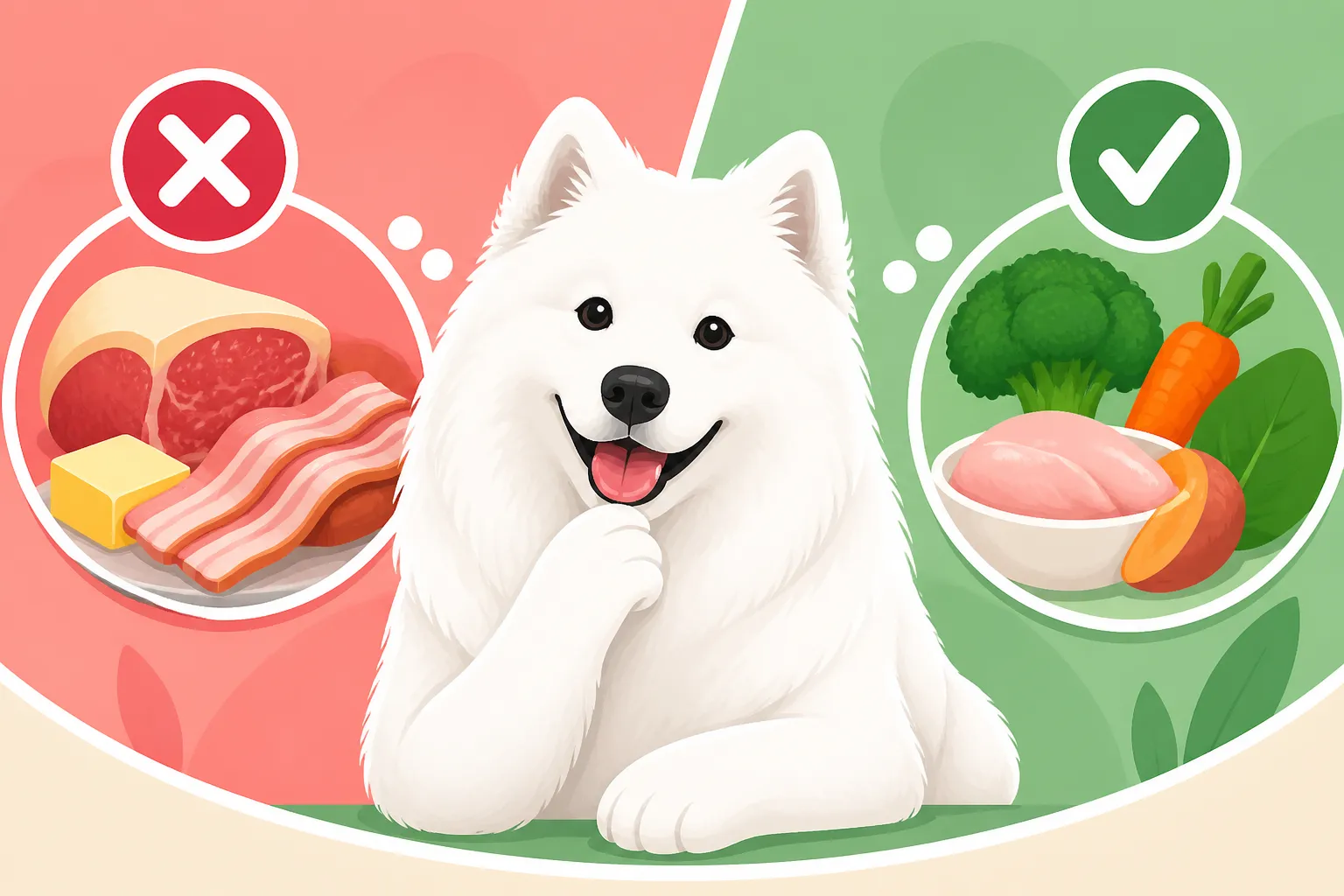
Fat, especially a sudden intake of a high-fat meal (like a fatty piece of steak, bacon grease, or even some rich table scraps), is a well-known trigger for pancreatitis. When a dog eats a lot of fat, the pancreas has to work overtime to produce digestive enzymes. In a dog prone to pancreatitis, this overstimulation can tip it into an inflammatory state. Why Pancreatitis Precedes Samoyed Diabetes This is why dogs recovering from pancreatitis, or those with a history of recurrent episodes, are almost always placed on a strict low-fat diet, sometimes for the rest of their lives.
For these dogs, a low-fat diet helps to reduce the workload on the pancreas, preventing further inflammation and allowing the organ to heal and function more smoothly. It’s not about completely eliminating fat, as some healthy fats are still needed for bodily functions, but about severely restricting the overall fat content to a therapeutic level. Your vet will specify the exact fat percentage needed, and often, this means a prescription diet formulated specifically for pancreatic health.
Managing Weight and Preventing Diabetes
Another major reason for considering a reduced-fat diet, though not necessarily a severely low-fat one, is weight management. Samoyeds, with their thick coats, can sometimes hide weight gain until it's quite advanced. It's easy to miss those extra pounds until you feel their ribs. Being overweight or obese puts a tremendous strain on a dog's joints, heart, and other organs, and significantly increases their risk for a whole host of health problems, including diabetes. Whether an Overweight Samoyed Is More Likely to Get Diabetes
While obesity is about more than just fat intake (total calorie consumption from all sources is the main culprit), reducing dietary fat is often a key component of a weight-loss plan. Fat is calorie-dense, so a lower-fat food often means fewer calories per serving, making it easier to manage portion sizes without your dog feeling deprived. It's about finding that sweet spot where they get enough nutrition and feel full, but aren't consuming excess calories.
If your Samoyed has been diagnosed as overweight or obese, your veterinarian will likely recommend a structured weight loss program. This almost always includes a change in diet, often to a specifically formulated "weight management" or "light" dog food, which typically has a lower fat and calorie count, along with increased fiber to help them feel full. Combined with a consistent exercise routine, this approach can help your Samoyed shed those extra pounds and reduce their risk of developing serious conditions like diabetes. Signs a Samoyed Is Overweight
Other Less Common Conditions
While pancreatitis and obesity are the big ones, there are a few other less common conditions where a vet might consider a low-fat diet. These include certain types of gastrointestinal issues, such as some forms of inflammatory bowel disease (IBD), where fat might exacerbate digestive upset. In very rare cases of severe malabsorption or lymphatic issues, specific fat restrictions might also be part of a complex therapeutic plan.
It's important to stress that these are specific medical interventions, not general recommendations. For instance, if your Samoyed developed Whether a Samoyed Gets Ordinary Kidney Failure Too, the dietary changes would primarily focus on protein and phosphorus, with fat content being a secondary consideration, often based on individual tolerance and caloric needs. Always, always, consult your veterinarian for an accurate diagnosis and a tailored dietary plan. Self-diagnosing and putting your dog on a restrictive diet without professional guidance can lead to nutritional deficiencies and worsen underlying conditions.
Navigating Diet Changes: When and How to Implement a Low-Fat Regimen
Making significant changes to your Samoyed's diet, especially moving to a low-fat regimen, is not something to take lightly. It should always be a carefully considered step, guided by veterinary expertise, to ensure your beloved companion receives all the nutrients they need while addressing any specific health concerns.
The Importance of Veterinary Consultation
This cannot be stressed enough: never put your Samoyed on a low-fat diet without consulting your veterinarian first. They are the experts who can properly diagnose any underlying health issues that might warrant such a change. Your vet will conduct a thorough examination, which may include blood tests (like a chemistry panel to check pancreatic enzymes) and other diagnostics to determine the root cause of any symptoms your Samoyed is experiencing.
If a low-fat diet is indeed recommended, your vet will provide specific guidelines on the fat content percentage and may even prescribe a therapeutic diet. These prescription diets, like those from Royal Canin, Hill's Prescription Diet, or Purina Pro Plan Veterinary Diets, are scientifically formulated to provide complete and balanced nutrition while adhering to strict fat limitations. Trying to create a homemade low-fat diet or simply picking a "light" commercial food off the shelf without professional guidance can be risky, potentially leading to nutrient imbalances or not adequately addressing the medical issue at hand (see Whether a Diabetic Samoyed Needs a Prescription Diet). Your vet will also advise on how long the diet should be maintained and what to look for in terms of improvement or any adverse reactions.
What a "Low-Fat" Diet Truly Means for Your Samoyed
When your vet talks about a low-fat diet, they're generally referring to foods with a fat content ranging from about 7% to 10% on a dry matter basis. For a truly ultra-low-fat diet, often prescribed for severe pancreatitis, this number can drop even lower, sometimes to 3-5%. It's crucial to understand that these percentages are usually for dry kibble; wet food calculations will look different.
To figure out the dry matter basis, you need to know the 'as fed' percentage on the label and the moisture content. For example, if a kibble has 12% fat and 10% moisture, it means 90% dry matter. So, 12% fat / 0.90 dry matter = 13.3% fat on a dry matter basis. It's a bit of math, but it's important for accuracy. Your vet or vet tech can help you with these calculations to ensure you're picking the right food.
Beyond just the percentage, consider the source of the fat. Healthy fats like omega-3s from fish oil are beneficial, even in a restricted diet, in appropriate amounts. However, high levels of saturated fats from animal sources might be more problematic for conditions like pancreatitis. Always read the ingredient list carefully and look for foods with digestible protein sources and moderate fiber.
Finding Appropriate Food Options
Once your veterinarian has given you a clear directive, it’s time to source the right food. Often, this means starting with a prescription diet. These specialized foods are generally available directly through your vet's office or through authorized online pet pharmacies like Chewy or your vet's online store, requiring a prescription. They're designed for therapeutic purposes and undergo rigorous testing to ensure they meet the specific nutritional needs for dogs with particular health conditions.
If your Samoyed's condition isn't severe enough for a prescription diet, or if they're transitioning off one, your vet might recommend certain over-the-counter options. When looking at commercial dog foods, scan the nutritional analysis panel for the crude fat percentage. Look for whole, identifiable ingredients at the top of the list, such as lean meats (chicken breast, turkey), and avoid foods with excessive animal fats, rendered fats, or vague "animal fat" listings early in the ingredient list. Some brands, like Purina Pro Plan or Hill's Science Diet, offer non-prescription formulas aimed at weight management that can have appropriately reduced fat content.
Remember, a sudden switch to a new diet can upset your Samoyed's stomach. Always transition new food gradually over 7-10 days, mixing increasing amounts of the new food with decreasing amounts of the old. This helps their digestive system adjust smoothly and reduces the risk of tummy troubles. It's a marathon, not a sprint, when it comes to diet changes.
Maintaining Balance: Life Beyond the Low-Fat Label
Even if your Samoyed is on a specific low-fat diet for medical reasons, managing their overall intake is crucial. It’s not just about the kibble in their bowl; everything that goes into their mouth counts. A low-fat diet is a cornerstone, but it needs to be supported by mindful choices in treats, supplements, and lifestyle.
Treats, Table Scraps, and Supplements
This is where many well-intentioned owners unknowingly derail a low-fat diet. Those seemingly innocent treats, a little bite of your dinner, or even certain supplements can significantly add to the overall fat intake, undoing the benefits of their specialized food. Imagine your Samoyed needs to stay under 10% fat for the day, and then you give them a few pieces of cheese or a greasy bully stick – suddenly, their daily fat intake skyrockets.
For Samoyeds on a low-fat regimen, treats need to be carefully chosen. Opt for very lean options like plain, cooked chicken breast (skin removed), air-popped popcorn (no butter or salt), carrots, green beans, or specialized low-fat dog treats. Brands like Greenies or certain dental chews often have surprisingly high-fat content, so always check the label. If you're buying online from a retailer like Amazon, make sure to read the nutritional information closely before clicking "add to cart." It’s best to discuss appropriate treat options with your vet, especially for dogs with pancreatitis history. Whether a Samoyed Should Avoid Table Scraps Entirely
Table scraps are almost always a no-go for dogs requiring a low-fat diet. Even lean cuts of meat can have hidden fats, and many human foods are prepared with oils or butter that are too rich for a sensitive digestive system. Supplements also need scrutiny; some joint supplements or skin and coat supplements are oil-based and can add significant fat. If your Samoyed needs supplements, choose water-based options or those specifically formulated for low-fat diets, again, with veterinary approval.
Exercise and Overall Lifestyle
Diet is only one part of the equation for a healthy Samoyed, even a Samoyed on a restricted diet. Regular exercise is paramount, especially if the low-fat diet is part of a weight management plan. Our Samoyeds are active dogs; they need to move! Daily walks, playtime in the yard, or even canine sports like Whether a Samoyed Can Do Agility or Whether a Samoyed Can Earn a Sledding Title can help burn calories, build muscle, and support overall well-being.
The amount and intensity of exercise might need to be adjusted based on your Samoyed's specific health condition. For example, a dog recovering from a severe pancreatitis flare-up might need very gentle, short walks initially, while a Samoyed losing weight might need longer, more vigorous activity. Always follow your vet's recommendations for exercise, ensuring it complements their dietary changes without overstressing their system. A consistent exercise routine, along with portion control and the right food, is the most effective way to help your Samoyed maintain a healthy weight and overall vitality. Getting Weight Off a Samoyed
Furthermore, don't underestimate the power of mental stimulation. A bored Samoyed can sometimes become a destructive Samoyed, or one that constantly begs for food. Puzzle toys, training sessions, and new experiences keep their minds engaged, which can indirectly help with dietary compliance by reducing boredom-related snacking or anxiety. Remember, a happy Samoyed is a well-rounded Samoyed, and that includes both their physical and mental health.
Disclaimer
This article is for general informational purposes only and does not constitute professional advice. Laws, prices and regulations vary by location and change over time. Consult a qualified professional for guidance on your specific situation.