Why the Name Samoyed Is Contested
Have you ever paused to consider the origins of a name, particularly one as evocative as "Samoyed"? It's easy to fall into the trap of simply accepting what we're told, especially when a name has been around for generations. But for our beloved fluffy companions, the story behind their breed name is far more complex and, frankly, carries a problematic history that many Samoyed owners and enthusiasts are striving to acknowledge and address. This guide delves into why the name "Samoyed" is contested, exploring its historical roots, its unfortunate connotations, and the ongoing efforts to promote more respectful terminology when referring to the indigenous peoples with whom these magnificent dogs originated.
Understanding the Historical Roots of the Samoyed Name
When we talk about the "Samoyed" dog, we're really talking about a breed that arose from a deep, symbiotic relationship with various indigenous nomadic peoples of Siberia. It wasn't just a pet; it was a partner in survival, essential for hunting, herding reindeer, and providing warmth in brutal Arctic conditions. But the name we commonly use today, "Samoyed," doesn't actually come from these people themselves.
The Indigenous Peoples Behind the Name
The dogs that would eventually become known to the Western world as Samoyeds were inextricably linked to several distinct indigenous groups who inhabited vast swathes of Arctic Eurasia. The most prominent among these were the Nenets, but also the Enets, Nganasan, and Selkup peoples. These groups, often collectively referred to by outsiders as "Samoyedic peoples," shared linguistic roots and a unique way of life centered around reindeer husbandry and hunting in some of the harshest environments on Earth.
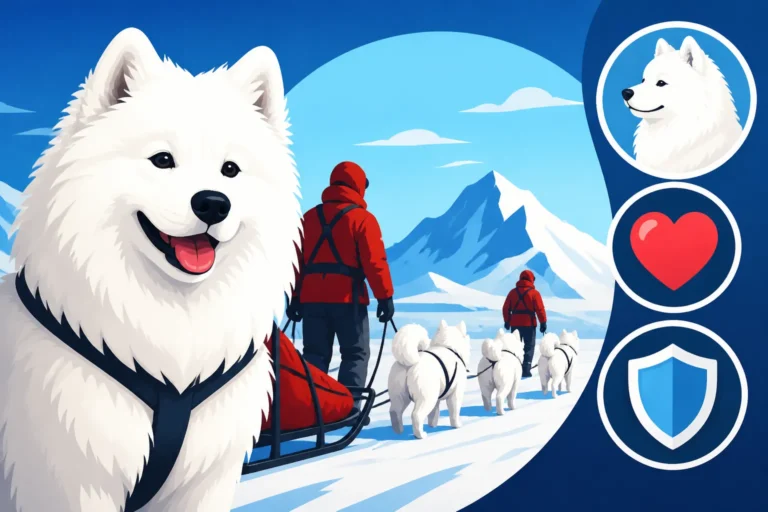
Imagine life in the Yamal Peninsula, a desolate, ice-swept landscape where temperatures could plunge to sixty below. Here, these indigenous communities lived in harmony with nature, their entire existence reliant on their deep knowledge of the land and the animals they coexisted with. Their dogs were not merely companions; they were vital members of the family and the workforce. The dogs herded vast numbers of semi-wild reindeer, protecting them from predators like wolves. They also pulled sleds laden with belongings and helped with hunting. At night, these dogs would even share the family's choom (a type of teepee-like tent), curling up close to provide essential warmth, a tradition that gave rise to the phrase The Samoyed Slept in the Tent to Keep People Alive. This close bond forged a breed perfectly adapted to the cold, intelligent, and deeply devoted to its human family. You can learn more about their history in The Nenets of the Yamal Peninsula Bred the Samoyed.
The Term "Samoyed" and Its European Introduction
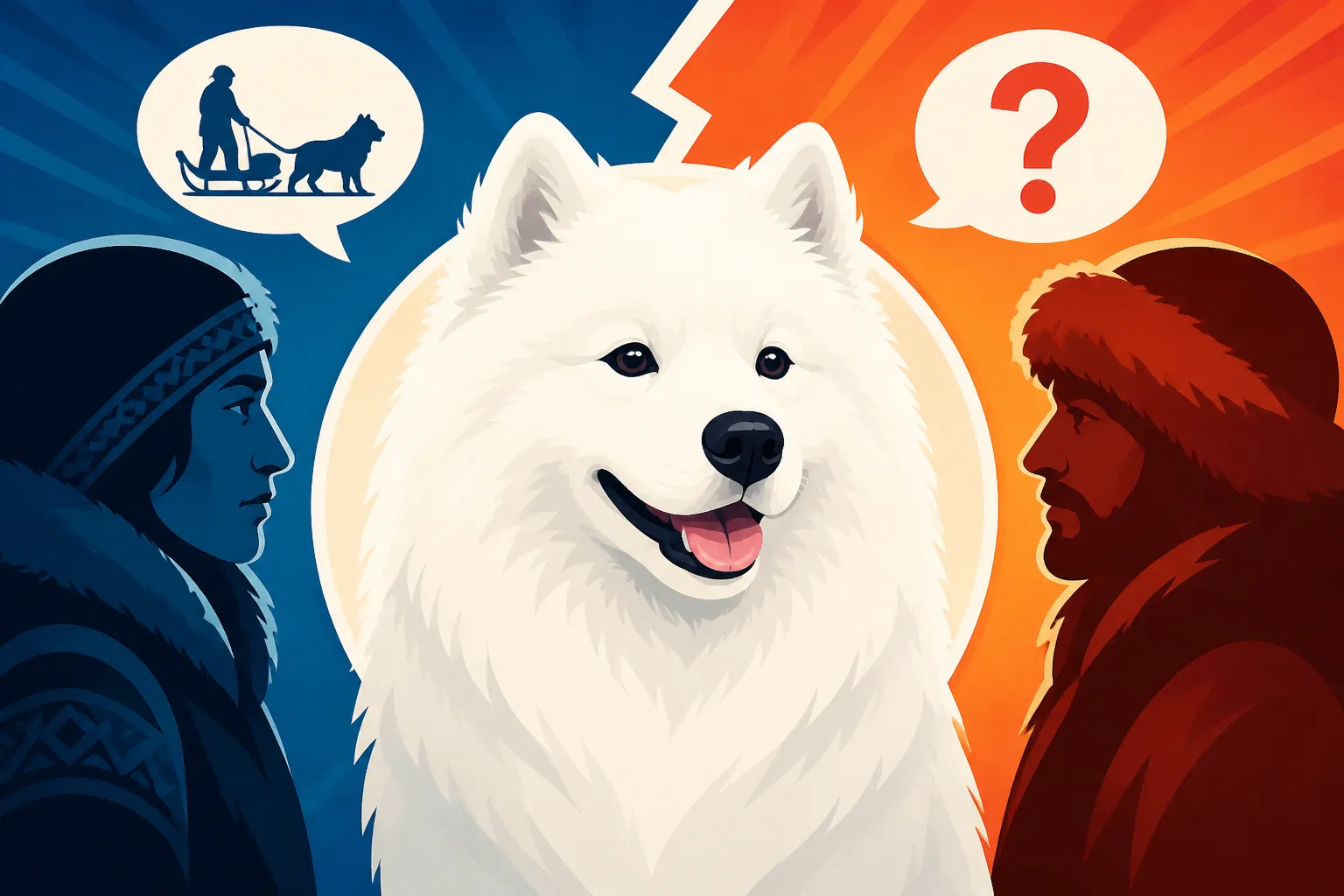
The term "Samoyed" itself isn't what these indigenous groups called themselves or their dogs. It was a name applied to them by Russian and later European explorers and ethnographers, largely starting in the 16th century. When Europeans first ventured into these remote northern territories, they encountered various indigenous groups and, rather than learning and using their self-designations, often grouped them under a single, overarching, and somewhat exotic-sounding label.
The word "Samoyed" is believed to be derived from the Russian "samoyed," which itself has complex and debated etymological roots. It's thought to have originated from an older term meaning something like "self-eaters" or "self-consumers," possibly a misinterpretation of a self-designation or perhaps a derogatory term used by neighboring groups. Early explorers, not understanding the nuances of these cultures or languages, simply adopted and propagated this external label. As these beautiful, fluffy dogs began to be brought back to Europe, notably by polar explorers like Ernest Kilburn Scott in the late 19th and early 20th centuries, the name "Samoyed" was already firmly attached to the people they came from. It became the default identifier for the dogs, solidifying its place in Western dog fancy, even as the true history and the problematic nature of the name were largely overlooked. You can explore how these dogs made their way to the Western world in How Polar Explorers Took Samoyeds Out of Siberia.
Why the Term "Samoyed" Became Problematic
The adoption of the name "Samoyed" for the dog breed, while historically rooted, carries significant baggage because of its origins and the deeply disrespectful connotations it held for the indigenous peoples it was meant to describe. This isn't just a matter of semantics; it speaks to a broader history of colonialism and misrepresentation.
The Derogatory Connotations and Misinterpretations
The primary reason the name "Samoyed" is contested lies in its perceived derogatory meaning. As mentioned, the most widely accepted etymology among scholars suggests a derivation from an old Russian term that translates roughly to "self-eater" or "cannibal." Imagine being labeled with such a term by outsiders – it's dehumanizing and profoundly offensive. While historical linguistics can be tricky and interpretations vary, the prevailing understanding among many indigenous rights advocates and cultural experts is that this term was either a grave misunderstanding of an indigenous self-designation or a derogatory slur used by others.
This misinterpretation effectively stripped the diverse "Samoyedic peoples" of their individual identities, lumping them into a single, inaccurately named group. It perpetuated stereotypes and contributed to a narrative that failed to recognize their rich cultures, languages, and unique relationships with their environment and their dogs. The people themselves, such as the Nenets, have their own names for themselves and their dogs, names that reflect respect and an intrinsic understanding of their bond. It’s a painful reminder of how external forces have historically dictated identity, rather than respecting self-determination. For example, What Yamal Means in the Samoyed's Homeland provides a deeper look into the cultural context.
Advocating for More Respectful Nomenclature
In recent decades, there has been a significant push, driven by indigenous communities and their allies, to correct these historical inaccuracies and use respectful, self-chosen terminology. This movement emphasizes the importance of acknowledging the distinct identities of groups like the Nenets, Enets, Nganasan, and Selkup, rather than the outdated and potentially offensive umbrella term "Samoyed."
For the dog world, this means a growing awareness among conscientious breeders, owners, and enthusiasts about the problematic nature of the breed's name. While completely changing the name of a globally recognized dog breed like the Samoyed is a monumental task – and perhaps impractical given its deep entrenchment in kennel clubs and public perception – the advocacy isn't necessarily about eradicating the breed name entirely. Instead, it's about education and conscious language. It’s about understanding the history, recognizing the true names of the indigenous groups (like Who the Nenets Who Bred the Samoyed Are), and using those names with respect when referring to the people, while also acknowledging the breed's historical ties to them. It’s about knowing that when you search for "Samoyed dog food" on Chewy, you're using a common, recognized term for the dog, but when you discuss the people from whom these dogs originated, you use their proper names.
The Enduring Breed Name and Future Considerations
The discussion around the contested name of the Samoyed breed highlights a fascinating tension: the practical reality of an established name versus the ethical imperative for cultural sensitivity and historical accuracy. It's a dialogue that requires thoughtfulness and a willingness to learn.
The Breed's Established Identity Versus Ethical Concerns
Let's be realistic: the name "Samoyed" is deeply, profoundly entrenched. It's the official name recognized by major kennel clubs worldwide, from the American Kennel Club to the Fédération Cynologique Internationale. It's the name under which these dogs have competed, been bred, and gained global popularity for well over a century. When you're looking for Samoyed-specific gear, perhaps a new winter coat or a sturdy chew toy on Chewy, the search term "Samoyed" is universally recognized. This widespread recognition makes an official name change incredibly difficult, if not impossible, in practical terms. Breeders have worked for generations to refine and standardize the breed under this name, and its identity is now intrinsically linked to it.
However, the ethical concerns remain valid and important. For many, retaining a breed name that stems from a potentially derogatory term for an indigenous people feels uncomfortable and disrespectful. The challenge lies in navigating this duality: how do we honor the history and cultural origins of these dogs while acknowledging and moving past the problematic aspects of their naming by outsiders? It's a continuous balancing act, striving to celebrate the magnificent dogs without perpetuating historical injustice toward the people who bred them. The conversation around Whether the Samoyed Should Be Called the Bjelkier touches on some of these alternative considerations for the name.
Educating Owners and Promoting Awareness
For Samoyed owners, enthusiasts, and anyone interested in the breed, the path forward involves education and conscious advocacy. It's about understanding that the beautiful white dog smiling up at you has a heritage richer and more complex than its commonly accepted name suggests. We have a responsibility to learn the true origins of our dogs and the stories of the peoples who created them.
Here are some ways you can contribute to this awareness:
- Learn the History: Educate yourself about the Nenets, Enets, Nganasan, and Selkup peoples. Understand their cultures, their historical relationship with their dogs, and why the term "Samoyed" is problematic when applied to them. Dive into topics like How Old the Samoyed Breed Really Is or What the Nenets Bred the Samoyed to Do to deepen your knowledge.
- Use Respectful Language: When referring to the indigenous communities, consciously use their proper names (Nenets, Enets, etc.) rather than the generic and potentially offensive "Samoyed peoples."
- Share Knowledge Thoughtfully: Engage in conversations with other Samoyed owners and the public about this topic. Share the history and the reasons behind the contested name in a respectful, informative way. The goal isn't to shame, but to enlighten.
- Support Indigenous Communities: Look for opportunities to learn about and support contemporary indigenous cultures of the Arctic regions. Many organizations work to preserve indigenous languages, traditions, and rights.
- Recognize the Distinction: Understand that while the breed name "Samoyed" is unlikely to change due to its established nature, your personal commitment to using respectful language for the people is crucial. Even if you’re browsing for specialized training treats or durable bedding on Chewy, the breed category will almost always be listed as "Samoyed," reflecting its widespread acceptance within the pet industry. However, your knowledge empowers you to speak more accurately about the human origins of the breed.
By embracing this nuanced understanding, we can continue to celebrate our Samoyeds while also honoring the true legacy of the indigenous peoples who were their original guardians and developers. This makes our appreciation for the breed even deeper, rooted in respect and historical truth. You might also find it interesting to learn about The Year the First Samoyed Reached England to see how the breed was introduced to the wider world under this name.
| Term | Application | Connotation | Preferred Usage Today (for people) |
|---|---|---|---|
| Samoyed (Dog Breed) | Refers to the specific dog breed. | Neutral, widely recognized in dog fancy. | Continues to be the established breed name. |
| Samoyedic Peoples | Historical (and often external) term for indigenous groups. | Potentially derogatory, imprecise. | Use specific group names (Nenets, Enets, Nganasan, Selkup). |
| Nenets | Specific indigenous group. | Self-designation, respectful, accurate. | Preferred when referring to the people. |
| Enets, Nganasan, Selkup | Other specific indigenous groups. | Self-designation, respectful, accurate. | Preferred when referring to these peoples. |
Disclaimer
This article is for general informational purposes only and does not constitute professional advice. Laws, prices and regulations vary by location and change over time. Consult a qualified professional for guidance on your specific situation.