Whether a Samoyed Owner Can Order the Kidney Test
It's truly heartbreaking to imagine your beloved Samoyed, a picture of health and joy, facing a debilitating genetic illness that could cut their life short. Samoyed Hereditary Glomerulopathy (SHG) is one such concern that weighs heavily on many owners' minds, particularly when considering the longevity and well-being of their fluffy companions. You might be wondering if there's anything you, as an owner, can do proactively to understand your dog's genetic risk. This comprehensive guide will walk you through whether a Samoyed owner can directly order the specific DNA kidney test and what that process entails.
The Reality of Samoyed Hereditary Glomerulopathy
For anyone who loves a Samoyed, the thought of a debilitating genetic disease is terrifying. Samoyed Hereditary Glomerulopathy, often abbreviated as SHG, is a serious inherited kidney disease specific to our breed. It's an X-linked dominant condition, meaning it’s tied to the X chromosome, and it primarily devastates male Samoyeds, usually before they even reach two years of age. Females, while typically carriers, can also exhibit milder, later-onset symptoms. This disease essentially causes the kidneys to progressively fail, unable to filter waste from the blood, leading to a build-up of toxins and eventual death.
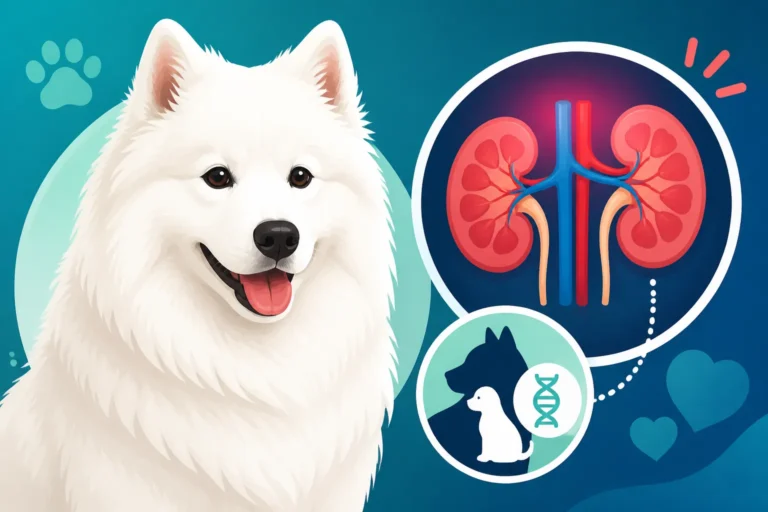
The scientific community has identified the specific mutation responsible for SHG in the COL4A5 gene. This gene is crucial for producing a type of collagen that forms the delicate filtering membranes in the kidneys. When this collagen is faulty, as it is in affected Samoyeds, these membranes become leaky, leading to excessive protein loss in the urine, and ultimately, kidney failure. Understanding this genetic basis is why a specific DNA test exists, offering a way to identify affected dogs and carriers, ideally preventing the disease from being passed on to future generations. Breeders, especially, rely on this test to make informed decisions about their breeding stock, as you can read more about in The COL4A5 Test Every Samoyed Buyer Should Ask About.
Historically, this disease has been a significant challenge within the breed, causing immense grief for owners who watched their vibrant puppies decline far too soon. The progression in affected males is typically rapid and relentless. For a long time, the diagnosis often came too late, when symptoms like lethargy, increased thirst, and weight loss were already pronounced. This is precisely why the advent of a reliable genetic test has been a game-changer, shifting the focus from reaction to prevention and early awareness.
Accessing the Samoyed Kidney Test as an Owner
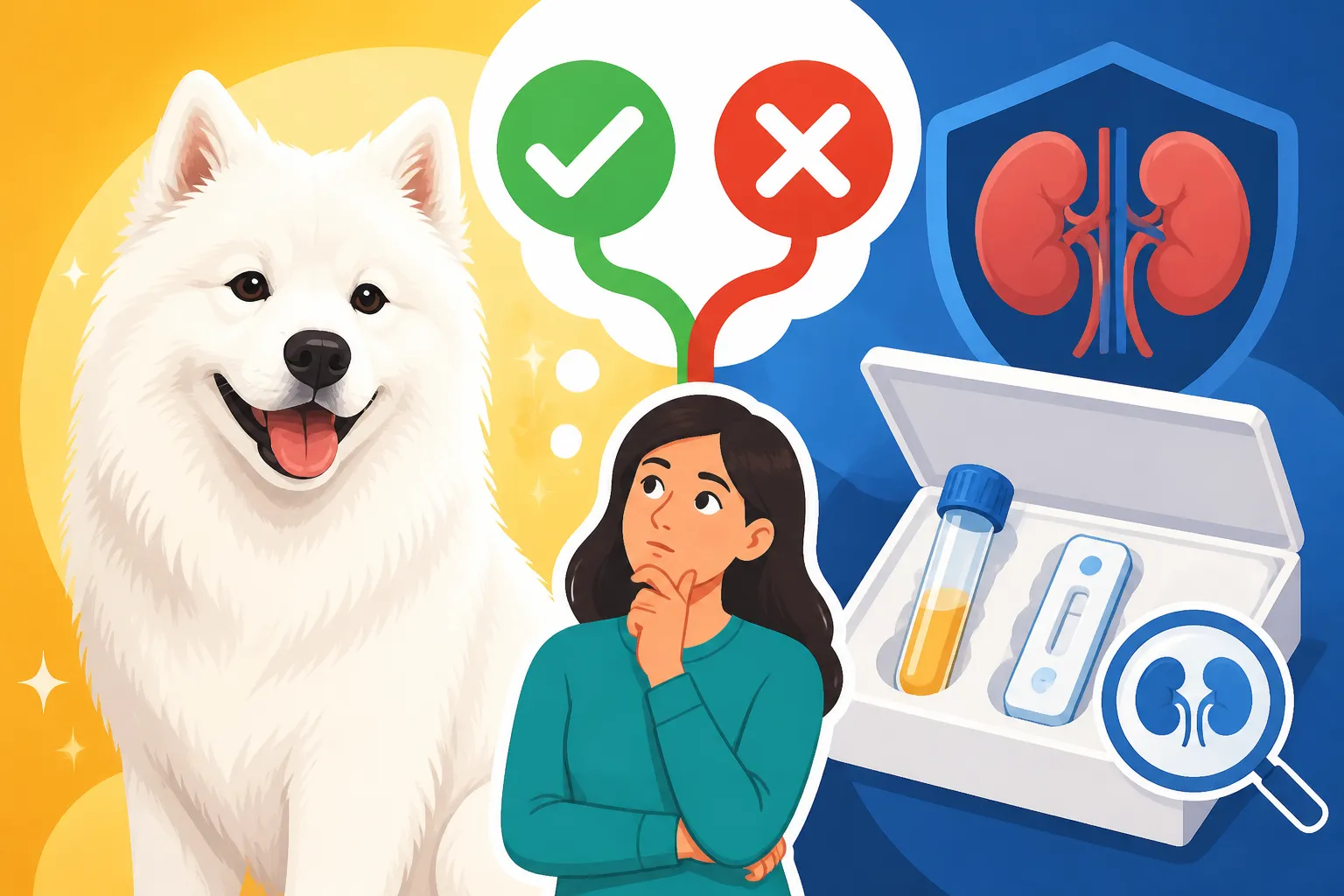
So, you’re an owner, you’ve heard about this test, and you want to know if you can simply order it for your Samoyed. The good news is, yes, in many cases, Samoyed owners absolutely can order the specific DNA kidney test. You don't always need to go through a breeder or even your primary veterinarian to initiate the process, though consulting with your vet is always a good idea for context and interpretation.
Identifying Reputable Genetic Testing Laboratories
When it comes to canine genetic testing, not all labs are created equal. You want to ensure you're using a reputable service that specifically offers the COL4A5 test for Samoyeds. Some of the leading direct-to-consumer canine genetic testing companies that provide comprehensive health panels, including breed-specific tests like the one for SHG, are Embark Veterinary and Wisdom Panel. These companies have made genetic health screening much more accessible to the average pet owner. They often offer a wide array of tests beyond just SHG, looking for other genetic predispositions that might affect your Samoyed’s health.
The process typically begins on their websites. You can select your dog's breed, choose the specific health tests or a comprehensive panel, and then place an order for a testing kit. These kits are usually quite user-friendly, designed for at-home sample collection, which is a huge convenience for busy pet parents. It’s always worth checking the most up-to-date offerings and pricing on their official sites to ensure they still carry the specific test you need for your Samoyed.
Once you receive your kit, it usually contains a set of cheek swabs. The idea is to gently rub these swabs along the inside of your dog's cheek and gums to collect epithelial cells, which contain their DNA. This method is non-invasive and stress-free for your Samoyed, a definite plus for maintaining their happy-go-lucky demeanor. After collection, you typically let the swabs air dry, place them back in their protective packaging, and then mail them back to the lab using a pre-paid envelope. It's a surprisingly straightforward process that empowers you to gain valuable insights into your dog's genetic health.
The Role of Your Veterinarian and Costs
While direct-to-consumer options are convenient, your veterinarian remains an invaluable partner in this journey. If you're unsure about which test to order, how to collect the sample, or what to do with the results, your vet can provide guidance. In some cases, if a blood sample is preferred or required by a specific lab, your vet will be essential for drawing the blood. They can also offer critical insights into the implications of any findings, especially if your Samoyed's results indicate a carrier status or, in rare cases for an owner, an affected status if the dog was adopted without prior testing.
The cost of these genetic tests can vary. A standalone COL4A5 test might be less expensive than a full panel that screens for dozens or even hundreds of genetic conditions. Generally, you can expect to pay anywhere from $100 to $200 for a comprehensive panel that includes the SHG test. This might seem like a significant upfront cost, but many owners view it as a worthwhile investment in their Samoyed's long-term health and their own peace of mind. For a deeper dive into the financial aspect, you might want to look into What the Samoyed Hereditary Nephritis Test Costs.
When considering the cost, also think about what this knowledge can save you in the long run. If your male Samoyed tests as affected, knowing this early means you and your vet can discuss proactive management and symptom watch, potentially mitigating some of the rapid decline. Conversely, if your Samoyed tests clear, you can breathe a sigh of relief about this particular genetic threat. This information can also be invaluable for pet insurance providers like Healthy Paws. Understanding your dog's genetic predispositions early, even before symptoms appear, can also play a role in how pet insurance providers classify certain conditions, making proactive testing a smart move.
Understanding and Utilizing Your Samoyed's Test Results
Receiving your Samoyed’s genetic test results can be a moment of anticipation, but understanding what those results actually mean is key. The COL4A5 DNA test for Samoyed Hereditary Glomerulopathy will typically classify your dog into one of three categories: Clear, Carrier, or Affected. Each category carries significant implications for your dog's health and, if applicable, breeding.
Decoding the Different Result Categories
-
Clear (or Normal): This is the best possible outcome. A "Clear" result means your Samoyed does not carry the COL4A5 mutation associated with SHG. They will not develop this specific form of kidney disease, nor can they pass it on to any offspring. For a male Samoyed, this is absolute reassurance regarding SHG. For a female, it means she is not a carrier and her puppies will not be at risk of inheriting the gene from her. This outcome often brings immense peace of mind.
-
Carrier (Female Only): Since SHG is an X-linked dominant condition, only female Samoyeds can be carriers. A carrier female possesses one copy of the mutated COL4A5 gene on one of her X chromosomes, but she also has a normal copy on her other X chromosome. Typically, carrier females either do not develop the disease at all, or they experience a much milder, often late-onset form compared to affected males. They live full lives, generally remaining healthy into old age, though some may show subtle signs of protein loss in their urine later in life. The primary concern with a carrier female is that she can pass the mutated gene to her offspring. If bred to a clear male, 50% of her male offspring will be affected, and 50% of her female offspring will be carriers. This is why responsible breeders test and carefully plan breedings, often opting to breed carrier females only to clear males and then testing all offspring. You can learn more about the potential impact on females in Why a Carrier Female Samoyed Stays Mild.
-
Affected (Male Only): An "Affected" result means your male Samoyed has inherited the mutated COL4A5 gene. Because males only have one X chromosome, they do not have a healthy backup copy to compensate for the faulty one. This means your Samoyed male will develop Samoyed Hereditary Glomerulopathy. The disease typically manifests with kidney failure symptoms around 3 to 15 months of age, progressing rapidly. This is a devastating diagnosis, and it’s important to work closely with your veterinarian to manage the disease and provide supportive care. While there's no cure, early diagnosis allows for discussions about treatment options, even if they only aim to slow progression or improve quality of life. For more information on the disease's progression, refer to The Kidney Disease That Kills Samoyed Males Before Fifteen Months and How Fast a Samoyed Male Declines.
Implications and Next Steps for Owners
Upon receiving results, the first step is always to discuss them with your veterinarian. They can help you fully understand the medical implications for your specific Samoyed.
For Clear Samoyeds: Enjoy the peace of mind! Your dog is free from this specific genetic burden. Continue with regular veterinary check-ups and routine preventative care.
For Carrier Females: If your female Samoyed is a carrier and you have no intention of breeding her, her long-term health outlook regarding SHG is generally very good. You and your vet might choose to monitor her kidney function periodically, perhaps with yearly urine protein-to-creatinine ratio (UPC) tests, just to catch any subtle changes as she ages. If you are a breeder, this information is critical for making informed breeding decisions to prevent producing affected males.
For Affected Males: This is the most challenging outcome. While emotionally difficult, having this information early is a gift in terms of preparedness. Your vet can advise on the best course of action, which typically involves supportive care to manage symptoms and slow the progression of kidney disease. This might include dietary changes to a prescription renal diet, medications to reduce protein loss (like ACE inhibitors), and careful monitoring of hydration and overall health. Sadly, the prognosis for affected males is poor, and decisions about their quality of life become paramount. However, knowing means you can make every day count and ensure their comfort. For insights into managing this difficult condition, you can refer to Whether an Affected Samoyed Can Be Treated.
Pet Insurance Considerations
It's also worth noting how genetic test results can interact with pet insurance, such as plans from Healthy Paws. Many insurance policies have clauses regarding "pre-existing conditions." If your Samoyed is diagnosed as "Affected" with SHG before you enroll in pet insurance or before the waiting period ends, it's highly likely that treatment for SHG would be considered a pre-existing condition and therefore not be covered. However, if you get genetic testing after your insurance is active and waiting periods have passed, and before any clinical signs of the disease appear, the situation can be more nuanced. It’s always best to thoroughly review your specific policy's terms and conditions and speak directly with your pet insurance provider, like Healthy Paws, to understand how genetic conditions are handled. This proactive approach ensures you're prepared for any future health challenges and can make the most informed decisions for your furry family member.
Here's a quick summary table of the test results:
| Result Category | Description (COL4A5 Gene) | Health Implications for Dog | Breeding Implications |
|---|---|---|---|
| Clear | Does not carry the COL4A5 mutation. | Will not develop Samoyed Hereditary Glomerulopathy (SHG). | Can be bred to any dog without risk of passing on the SHG gene. |
| Carrier | One copy of the mutated COL4A5 gene (females only). | Typically healthy, or develops a very mild, late-onset form of kidney disease. May show protein loss later in life. | Must only be bred to a clear male. 50% of male offspring will be affected, 50% of female offspring will be carriers. All offspring should be tested. |
| Affected | One copy of the mutated COL4A5 gene (males only). | Will develop severe, progressive kidney disease, usually between 3-15 months of age, leading to kidney failure and early death. | Should not be bred. |
Why Proactive Testing Matters for Samoyed Owners
Deciding to pursue genetic testing for your Samoyed, even if they appear perfectly healthy, is a profound act of responsible pet ownership. It's about looking ahead, preparing for the future, and empowering yourself with knowledge that can genuinely impact your dog's life and your experience as their companion. The peace of mind alone that comes with a "Clear" result is often worth the investment.
Peace of Mind and Early Preparation
Imagine the relief of knowing that one of the most serious genetic threats to Samoyeds is not a concern for your dog. That's the primary benefit of a "Clear" result. If you learn your female is a carrier, while not ideal for breeding without careful planning, it means you can work with your vet to monitor her health more closely as she ages, perhaps initiating Whether a Samoyed Needs Yearly Kidney Bloodwork tests sooner than you might otherwise. This proactive stance allows for early intervention or management if any mild symptoms were to arise, potentially extending her comfortable years.
For an affected male, while the news is devastating, knowing early on allows you to prepare emotionally and financially. You can work with your vet to create a supportive care plan from the moment of diagnosis, rather than scrambling after acute symptoms appear. This might involve special diets, medications, and vigilant monitoring to ensure his comfort for as long as possible. You can make the most of the time you have, focusing on quality of life. This kind of early preparation can also ease the burden on your wallet in the long run, even with insurance from providers like Healthy Paws, as you can budget for anticipated needs rather than facing sudden, expensive emergency care.
Contributing to Breed Health and Responsible Ownership
Beyond the individual benefits for your Samoyed, getting your dog tested contributes to the greater health of the Samoyed breed. When owners test their dogs, especially if they share those results with their breeder or contribute them to breed health databases (often anonymized), it helps researchers and responsible breeders track the prevalence of genetic diseases and make more informed decisions. This collective effort is crucial for the ongoing "Push to Breed Healthier Samoyeds". Every piece of data helps to paint a clearer picture of the breed's genetic landscape.
Being a responsible Samoyed owner means understanding the unique health challenges that come with the breed. SHG is one of them. Proactive testing is a demonstration of that understanding and commitment. It’s about being an advocate for your dog's health and, by extension, for the future well-being of the Samoyed breed as a whole. It's a testament to the deep bond we share with our Samoyeds, wanting to give them the best, healthiest life possible, for all The Twelve to Fourteen Years a Samoyed Lives. This knowledge helps you care for them throughout their lives, even into their senior years, as discussed in Caring for a Samoyed Past Nine.
Taking these steps ensures you're not caught off guard by a genetic condition that, for male Samoyeds, can be so profoundly aggressive. The ability for an owner to order these tests directly is a significant advancement in canine health, offering a level of agency that was previously unavailable. While a genetic diagnosis might be daunting, having this information allows you to partner with your vet on a proactive health plan, potentially impacting future insurance claims with providers such as Healthy Paws by helping them understand the full health profile of your furry family member.
Disclaimer
The information provided in this guide is for general informational purposes only and does not constitute veterinary medical advice. Always consult with a qualified veterinarian for any health concerns or before making any decisions about your Samoyed's health or treatment.