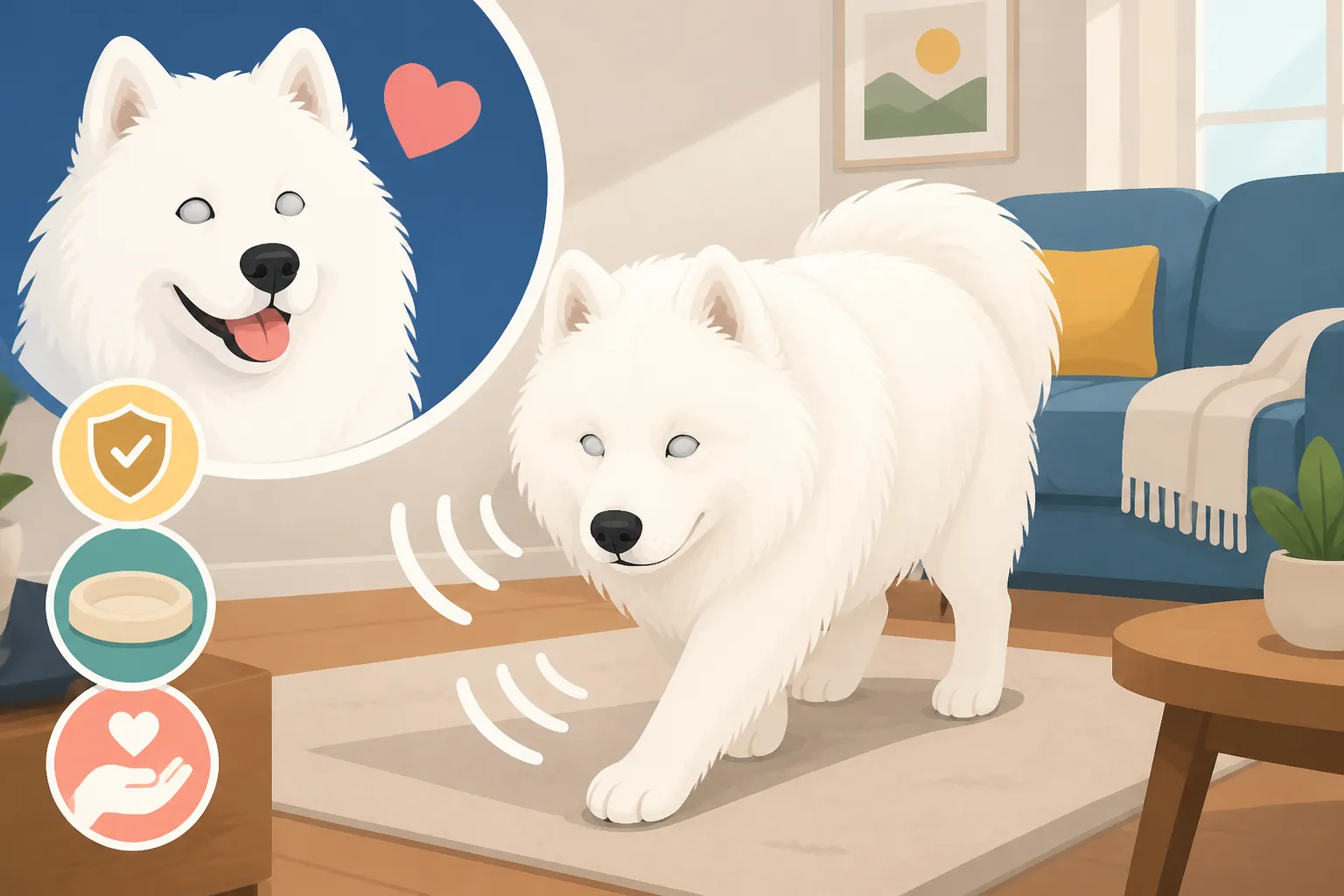
Whether a Blind Samoyed Copes at Home
Discovering that your beloved Samoyed is losing their eyesight, or has already gone completely blind, can be absolutely heartbreaking and incredibly overwhelming. You immediately start picturing all the things they won't be able to do, worry about their safety, and wonder if they'll ever truly be happy again in a world they can't see. But here's the reassuring truth: Samoyeds are remarkably adaptable, and with the right understanding and adjustments, a blind Samoyed can absolutely cope, thrive, and continue to live a full, joyous life right there in their familiar home. This guide is here to walk you through exactly how to make that happen, easing your worries and empowering you with practical steps.
Understanding Vision Loss in Your Samoyed and What to Expect
When your beautiful Samoyed starts to lose their sight, it's a profound change, not just for them, but for you as their dedicated owner. The initial shock, sadness, and fear are completely normal. It's tough to see your fluffy companion, known for their bright, intelligent eyes, suddenly bumping into furniture or hesitating on familiar paths. Understanding the common causes of blindness in Samoyeds can help you process what's happening and work with your vet to determine the best course of action. Often, the onset of blindness isn't sudden, but rather a gradual process, allowing dogs time to adapt and for you to prepare.
One of the more common culprits in Samoyeds is Progressive Retinal Atrophy (PRA), a genetic condition where the photoreceptor cells in the retina gradually degenerate, leading to night blindness first, and eventually complete blindness. This condition can sometimes manifest relatively early in life, but often progresses slowly over months or even years. It's a cruel reality, and seeing your once confident dog become tentative in low light is often the first heartbreaking sign. Another concern can be cataracts, which cause the lens of the eye to become cloudy, obscuring vision. While some cataracts are age-related, others can be secondary to underlying health issues like diabetes. It's worth noting that if your Samoyed has been diagnosed with diabetes, keeping an eye on their vision is crucial, as diabetic cataracts can develop quite rapidly, leading to Whether a Diabetic Samoyed Goes Blind. Glaucoma, characterized by increased pressure within the eye, can also cause severe pain and rapid vision loss if not managed aggressively. Early detection and treatment are vital in these cases to preserve any remaining vision and ensure comfort.
The good news, however, is that Samoyeds are incredibly resilient creatures. Their other senses – hearing and smell – are exceptionally keen, and they rely on them far more than we humans do. As their vision diminishes, they naturally start to compensate, tuning into the subtle changes in air currents, the distinct smells of every corner of your home, and the unique sounds of family members moving about. This natural adaptability is a massive advantage when helping them navigate their new reality. While we might mourn the loss of their sight, they often simply recalibrate their world, relying on the rich tapestry of sensory information that remains available to them. This transition isn't always smooth, and there will be bumps and stumbles, both literal and metaphorical, but with your patient guidance, they will find their way. Remember that some conditions can be treated or managed, so early veterinary intervention is always recommended. For instance, diagnosing and treating underlying conditions like Diabetes in a Middle Aged Samoyed can impact their overall health and sometimes the progression of eye issues.
Moreover, the breed's inherently sweet and people-oriented nature plays a significant role in their ability to cope. Samoyeds form incredibly strong bonds with their families, and this trust is invaluable when they can no longer rely on their eyes. They will lean on you, both physically and emotionally, for guidance and reassurance. Your calm demeanor, consistent voice, and gentle touch become their new guiding lights. Many Samoyed owners report that their blind dogs become even more affectionate, seeking out physical closeness and reassurance more frequently. It's a testament to their incredible spirit and the deep connection they share with their human companions. While it may initially feel like a huge challenge, witnessing their resilience and adapting alongside them can strengthen your bond in ways you never imagined. Don't underestimate the power of their spirit and the love they have for you, which will be their compass through this journey.
Creating a Safe and Navigable Home Environment
One of the most immediate and impactful things you can do for a blind Samoyed is to create an environment that feels predictable, safe, and easy to navigate. Think of your home through their eyes – or rather, their nose and ears. Every subtle scent, every familiar creak, every distinct texture becomes a landmark. Consistency is truly the golden rule here.
First and foremost, maintain a consistent layout. This is perhaps the most crucial piece of advice. Once your Samoyed has mapped out your home in their mind (and nose!), try very hard not to move furniture around. Even small changes can be disorienting and lead to unnecessary bumps and frustration. If you absolutely must move something, do it slowly and gently guide your Samoyed around the new obstacle repeatedly until they've re-mapped the area. Consider placing baby gates at the top and bottom of stairs, or to block off areas that might be hazardous, like busy kitchens during meal prep or rooms with many sharp, easily moved objects. For a breed like a Samoyed, known for their playful exuberance, preventing accidental falls down stairs is paramount for their safety and your peace of mind.
Next, focus on safety proofing. Go around your home at your Samoyed's eye level (or nose level, really) and identify any potential hazards. Sharp corners on coffee tables or fireplace hearths can be padded with child-proofing bumper guards. Secure loose rugs with non-slip backing, or better yet, remove them altogether if they're a trip hazard. If you have objects that tend to get left on the floor, like shoes, toys, or bags, make a new habit of picking them up immediately. A clear path is a safe path. Remember that a Samoyed's coat can sometimes hide minor scrapes, so diligent daily checks are important. While not directly related to blindness, it's a good reminder that How a Samoyed Hides Illness Behind a Smile and a thorough daily pat-down can help you catch any bumps or bruises.
Introducing sensory cues can significantly help your Samoyed orient themselves. Consider placing different textured mats or rugs near doorways, water bowls, or their bed to indicate a specific location. For example, a sisal mat by the back door could signal "outside," while a soft bathmat by their water bowl means "drink here." Safe, diluted essential oils (like a tiny drop of lavender on a cotton ball tucked under a furniture leg – never directly on your dog) can also be used as scent markers for important spots, but always ensure they are canine-safe and introduced slowly. Some people even put jingle bells on other pets in the household so the blind Samoyed knows where they are, preventing startling encounters. This creates a rich, non-visual map that your Samoyed can reliably follow.
Here's a quick checklist to help you make your home safer and more comfortable for your blind Samoyed:
| Home Area/Item | Sighted Samoyed Approach | Blind Samoyed Adaptation |
|---|---|---|
| Furniture Layout | Can be changed as desired, dog adapts visually. | Keep consistent. Guide dog if moved. |
| Stairs | Generally navigates with ease. | Install baby gates; teach specific stair cues slowly. |
| Flooring | Any surface. | Secure loose rugs. Use textured mats as markers. |
| Sharp Edges | Visual avoidance. | Pad corners of tables, hearths. Remove low-lying hazards. |
| Water/Food Bowls | Visual identification. | Keep in consistent spot, use scent/texture markers. |
| Other Pets | Visual cues, body language. | Jingle bells on collars for auditory cues. |
| Outdoor Area | Visual boundaries. | Secure fencing, use barriers, create scent trails. |
| Doorways/Thresholds | Steps over easily. | Mark with small, safe obstacles (e.g., floor mats) as cues. |
Finally, think about their outdoor access. If your Samoyed has a yard, ensure it's securely fenced. You might need to create a dedicated, smaller "relief area" that's easy for them to navigate initially, perhaps with a distinct texture like pea gravel, to help them orient themselves quickly. Always supervise them outside, especially in unfamiliar areas. If you're fortunate enough to have comprehensive pet insurance like Healthy Paws, it can ease the financial burden of unexpected vet visits if your Samoyed has a mishap or needs ongoing care for the condition causing their blindness. Knowing you have that safety net can make a huge difference in how confidently you manage their care.
Adapting Daily Routines and Communication for a Blind Samoyed
Life with a blind Samoyed doesn't have to be isolating or sedentary. In fact, maintaining a predictable and engaging daily routine is paramount to their happiness and confidence. Predictability reduces anxiety, allowing them to anticipate events and move through their day with a sense of security. It's about empowering them to live fully, despite their lack of sight.
Establish a consistent daily schedule for everything: meals, potty breaks, walks, playtime, and bedtime. Your Samoyed will quickly learn the sequence of events and the associated auditory and olfactory cues. For instance, the sound of their food bowl clinking, the jingle of their leash, or the familiar rustle of their favorite toy will become incredibly meaningful signals. Always use verbal cues to announce what's happening. Say "Let's go potty!" before heading outside, or "Dinner time!" before placing their food bowl down. This gives them a heads-up and prevents startling them, reinforcing their trust in you as their reliable guide.
Redefine walks and outdoor adventures. Just because your Samoyed can't see doesn't mean they can't enjoy exploring the world! Leashed walks become even more important for physical exercise and mental stimulation. Instead of just letting them sniff around, actively describe the environment to them as you go. "Big tree coming up on your left," "Step up on the curb," or "Smell the squirrel!" helps them create a mental picture. Consider taking them to quiet, familiar parks or trails where they can safely explore new scents without too many unexpected obstacles. You might also want to explore "sniffari" walks – where the primary goal is scent exploration, letting them lead the way with their nose. This is incredibly enriching for them. Always use a harness, not just a collar, to provide better control and prevent strain on their neck if they pull or suddenly stop.
Communication is key, and it shifts from visual to auditory and tactile. Always speak to your Samoyed when approaching them to avoid startling them. Use a clear, calm voice. Teach them specific verbal cues for navigation, such as "step up," "step down," "wait," "left," "right," and "stop." Reinforce these cues with gentle physical guidance. For example, say "step up" and then gently lift their paw onto a curb or stair. Reward them enthusiastically with treats and praise when they respond correctly. Touch also becomes vital; a gentle hand on their side can guide them, or a light tap on the shoulder can indicate where you want them to go. Many Samoyeds, being so affectionate, will welcome this increased physical connection. When interacting with guests, remind everyone to approach slowly and speak to your Samoyed before petting them.
Mental enrichment is more crucial than ever. Without visual stimulation, your Samoyed's brain needs other ways to stay engaged. Puzzle toys that dispense treats, snuffle mats, and scent games are fantastic tools. Hide treats around a safe, familiar room and encourage them to "find it!" using their powerful nose. These activities tap into their natural instincts and provide a wonderful outlet for their energy, preventing boredom and potential anxiety. Remember that How a Samoyed Hides Illness Behind a Smile and a sudden disinterest in these games might be a sign something else is amiss, so keep an eye on their engagement levels. Even if they are blind, they can still enjoy training sessions, learning new tricks based on verbal cues or touch. This strengthens your bond and keeps their minds sharp.
When considering pet insurance, a blind Samoyed might require more frequent veterinary check-ups to monitor their eyes, manage any underlying conditions, and generally ensure their well-being. This is where pet insurance, like a plan from Healthy Paws, can be incredibly beneficial. It can help cover the costs of these necessary visits, potential medications, or even specialist consultations, giving you peace of mind that you can always provide the best care without financial strain being a barrier.
Long-Term Care and Emotional Well-being
Living with a blind Samoyed is a journey that requires patience, unwavering love, and a commitment to their long-term well-being. It's not just about physical adaptations; their emotional health is equally important. Your Samoyed will rely on you more than ever for comfort, security, and a sense of purpose.
Prioritize their emotional comfort and confidence. It’s natural for a blind dog to sometimes feel anxious or uncertain, especially in new situations or if they get disoriented. Your calm, reassuring presence is the best medicine. Speak softly to them, offer plenty of gentle pets, and create a safe, cozy "den" space (like a crate or a bed in a quiet corner) where they can retreat and feel secure. If you have other pets or children, ensure all interactions with your blind Samoyed are supervised and gentle. Teach children how to approach the dog carefully, speaking to them first and offering a hand to sniff before petting. This respect for their changed senses helps them maintain their social connections without fear.
Consider assistive devices. For some blind dogs, a "halo" or "bumper collar" device can be incredibly helpful. This is a lightweight ring that attaches to a harness, extending just beyond the dog's head. It acts as a gentle buffer, bumping into objects before the dog does, giving them an auditory and tactile warning. This can significantly boost their confidence, especially in unfamiliar spaces or when navigating around subtle obstacles they might otherwise miss. Not every dog needs or tolerates one, but it's an option worth discussing with your veterinarian or a specialist.
Regular veterinary check-ups are non-negotiable. Even though their blindness might be diagnosed, regular visits are crucial for monitoring any underlying health conditions, checking their overall health, and addressing any new issues that arise. Your vet can assess their comfort levels, check for pain (especially if the blindness is due to conditions like glaucoma), and offer advice on nutrition, exercise, and enrichment specifically tailored for a blind senior dog. This is especially important as your Samoyed moves into their senior years; Caring for a Samoyed Past Nine brings its own set of considerations. Having pet insurance, such as Healthy Paws, can really alleviate the stress of these ongoing medical needs, ensuring you can always say "yes" to the best possible care for your beloved companion.
Maintain social connections, cautiously. While you'll want to protect your blind Samoyed, completely isolating them can be detrimental to their social nature. Supervised playdates with calm, familiar dogs can be wonderful, but always be present to intervene if needed. Other dogs can sometimes be confused by a blind dog's lack of visual cues, leading to misunderstandings. However, many dogs are incredibly intuitive and adapt their play style. For some Samoyeds, even a casual sniff-and-greet with a known, friendly dog can provide valuable social interaction and boost their spirits.
Ultimately, a blind Samoyed can absolutely thrive at home, living a fulfilling life right by your side. Their world might be experienced differently, but it is no less rich with smells, sounds, touch, and most importantly, love. Your dedication, patience, and willingness to adapt will be the most profound gifts you can give them. Embrace the journey; you'll be amazed by their resilience and the depth of the bond you share. Remember, Samoyeds are known to live The Twelve to Fourteen Years a Samoyed Lives, and a blind Samoyed can certainly live out many happy, quality years with your thoughtful care.
Disclaimer
The information provided in this article is for general informational purposes only and does not constitute veterinary advice. Always consult with a qualified veterinarian or veterinary specialist for any health concerns or before making any decisions about your pet's medical care. Individual circumstances may vary, and professional guidance is essential for accurate diagnosis and treatment.