Whether a Samoyed With Aortic Stenosis Can Work
Finding out your beloved Samoyed, a breed renowned for its boundless energy and working heritage, has a heart condition like aortic stenosis can be absolutely heartbreaking. You envisioned years of adventures, perhaps even sledding or agility, only to be confronted with the crushing reality of limitations. This guide aims to shed light on what aortic stenosis truly means for your Samoyed, specifically addressing the burning question of whether they can still lead an active or "working" life, and what steps you can take to ensure their best possible quality of life.
Understanding Aortic Stenosis in Samoyeds: The Basics
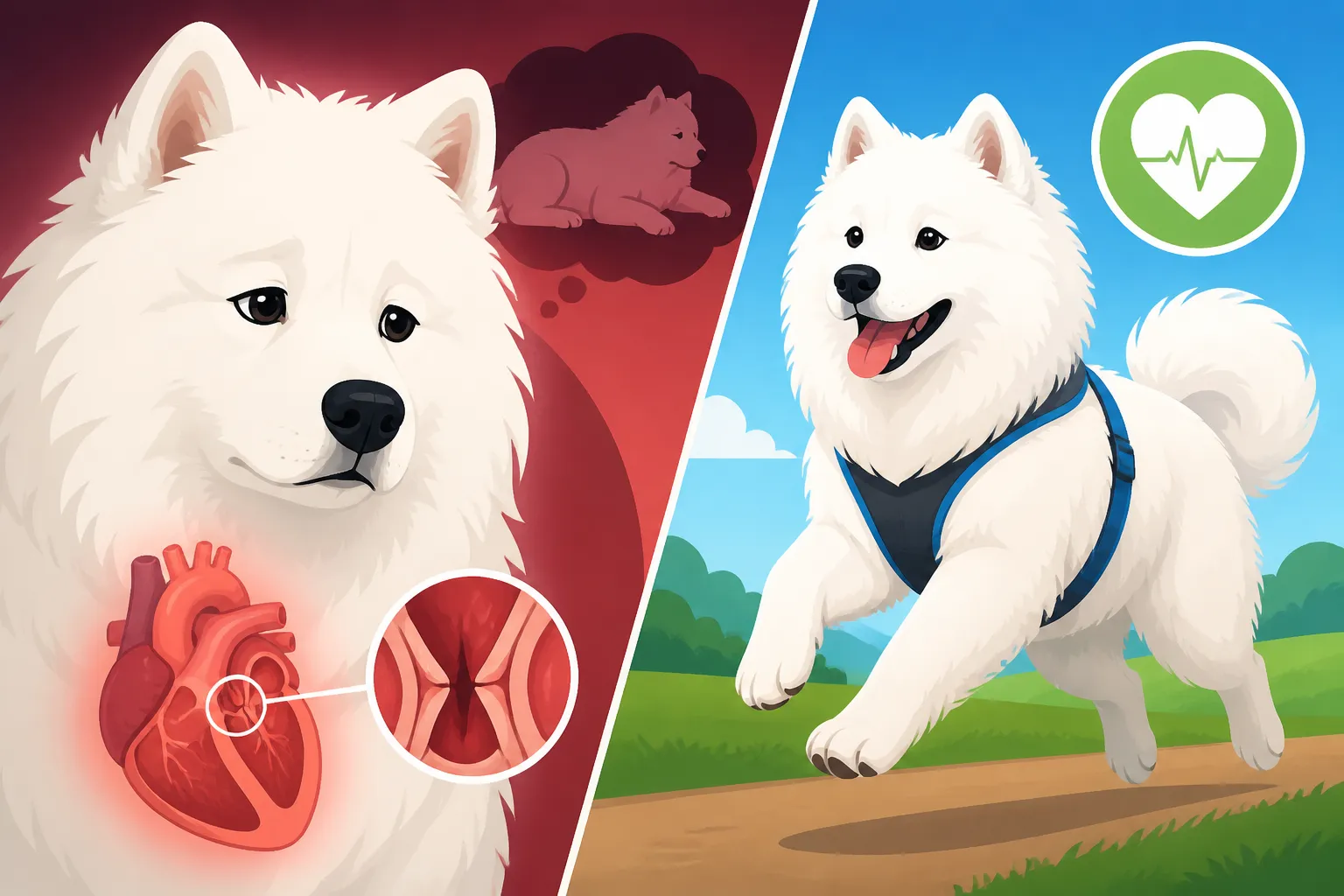
Aortic stenosis (AS), particularly subaortic stenosis (SAS), is a congenital heart defect that unfortunately occurs in various breeds, and Samoyeds are among those that can be predisposed to it. It's not something your Samoyed "develops" later in life due to diet or lifestyle choices; they're born with it. It's essentially a narrowing or obstruction of the aorta, the main artery carrying oxygen-rich blood from the left ventricle of the heart to the rest of the body. Imagine a garden hose with a kink in it – the water still gets through, but the pump has to work much, much harder to maintain the flow.
What Aortic Stenosis Does to the Heart
When the aorta is narrowed, the left ventricle, which is responsible for pumping blood into the aorta, has to generate significantly more pressure to push the blood through that constricted opening. This extra workload causes the muscle walls of the left ventricle to thicken over time, a condition known as left ventricular hypertrophy. While this thickening might seem like a positive adaptation, making the heart stronger, it's actually detrimental. The thickened muscle becomes less efficient, requiring more oxygen itself and leaving less space inside the chamber for blood to fill.
This isn't just a minor inconvenience for the heart; it's a chronic strain. Over time, the heart becomes less effective at its job, potentially leading to heart failure. Moreover, the abnormal blood flow through the narrowed valve can create turbulent currents, which can damage the heart valves further and even increase the risk of bacterial infections on the valves. For an active breed like a Samoyed, whose heart is naturally expected to handle significant exertion, this underlying defect is a serious concern, putting immense stress on a system designed for robust performance. It’s why understanding the specifics of Subaortic Stenosis in a Samoyed is so crucial for owners.
How Aortic Stenosis Is Diagnosed and Graded
The first hint of a problem often comes during a routine veterinary check-up, perhaps when your puppy is getting its first set of vaccinations. A vet might detect a heart murmur – an abnormal sound caused by turbulent blood flow – during auscultation (listening to the heart). Not all murmurs are indicative of AS, but any murmur, especially in a breed predisposed to heart conditions, warrants further investigation. This is why Why a Samoyed Puppy's Heart Should Be Listened To is a topic every prospective owner needs to understand.
If a murmur is heard, your vet will likely recommend a referral to a veterinary cardiologist for a definitive diagnosis. The gold standard for diagnosing AS and assessing its severity is an echocardiogram, which is essentially an ultrasound of the heart. This non-invasive procedure allows the cardiologist to visualize the heart's structure, measure the thickness of the ventricular walls, assess blood flow velocity through the aorta, and accurately determine the degree of narrowing. Based on these measurements, the AS will be graded as mild, moderate, or severe. This grading is critical because it directly correlates with the risks and prognosis for your Samoyed.
The Risks of Activity for a Samoyed with Aortic Stenosis
For a Samoyed, a breed known for its love of pulling, running, and all things active, the diagnosis of aortic stenosis throws a huge wrench into plans for an adventurous life. The very activities that bring Samoyeds joy and fulfill their breed instincts are precisely what can exacerbate their heart condition and, in severe cases, put their lives at risk. It’s a cruel irony that the more active a Samoyed with AS tries to be, the more strain it places on an already compromised heart.
Why Exercise Can Be Dangerous
When a dog exercises, its heart rate and blood pressure naturally increase dramatically to deliver more oxygen-rich blood to the working muscles. For a healthy Samoyed, this is perfectly normal and beneficial. However, for a Samoyed with aortic stenosis, that increased demand pushes the already stressed left ventricle to its absolute limit. Imagine trying to force a large volume of water through that kinked garden hose even faster – the pressure within the hose would skyrocket, and the pump would struggle immensely.
In a heart with AS, this leads to several dangerous consequences:
- Exacerbated Hypertrophy: The increased workload during exercise further contributes to the thickening of the left ventricular muscle, making the heart even less efficient.
- Increased Risk of Arrhythmias: The stressed and hypertrophied heart muscle can become electrically unstable, leading to abnormal heart rhythms (arrhythmias). These can range from mild and benign to severe and life-threatening.
- Sudden Cardiac Death: This is the most devastating and feared complication. During intense exertion, the combination of increased pressure, potential arrhythmias, and reduced blood supply to the heart muscle itself can lead to a sudden, catastrophic heart event. This can happen without any prior warning signs, turning a joyful romp into a tragedy in an instant.
It’s important to remember that Samoyeds are famously stoic, and How a Samoyed Hides Illness Behind a Smile is something owners need to be acutely aware of. They might not show overt signs of discomfort until the condition is quite advanced, making it even more critical to rely on veterinary guidance rather than just your dog's apparent energy levels.
The Spectrum of Risk and Activity Levels
The severity of aortic stenosis directly dictates the level of risk associated with activity.
- Mild AS: A Samoyed with mild AS might appear perfectly normal and show no outward signs of a problem. While the long-term prognosis is generally good, and some mild activity may be tolerated, vigilance is still key. The heart is still working harder than it should, and it's essential to follow veterinary recommendations for controlled exercise.
- Moderate AS: This is where the risks significantly escalate. Even seemingly routine activities might push the heart too hard. Owners are usually advised to severely restrict strenuous exercise, avoiding activities like competitive sledding, long-distance running, or intense play sessions at dog parks.
- Severe AS: A Samoyed with severe AS is at high risk for complications, including sudden death, even with minimal exertion. Their lives are typically managed with medication and extremely strict activity restrictions, often limited to short, calm leash walks. The goal here is to minimize any stress on the heart to prolong their life and maintain comfort.
It's a difficult pill to swallow for owners of such an active breed, but protecting your Samoyed means understanding and respecting these limitations.
Evaluating a Samoyed's Ability to Work with Aortic Stenosis
When facing an aortic stenosis diagnosis, the question of whether your Samoyed can "work" becomes deeply personal. For some, "work" means competitive mushing, agility, or therapy dog duties. For others, it simply means enjoying long hikes, playful romps in the park, or intense games of fetch. The key is that a veterinary cardiologist's assessment is paramount, providing a tailored understanding of your dog's unique situation. There's no one-size-fits-all answer.
The Crucial Role of the Veterinary Cardiologist
The moment a heart murmur is detected, or if you have a Samoyed from lines with known AS, consulting a board-certified veterinary cardiologist is non-negotiable. They are specialists who understand the nuances of canine heart disease far beyond what a general practitioner can. Their expertise is crucial not only for accurate diagnosis and grading but, most importantly, for developing a safe and realistic management plan. This plan will dictate what activities, if any, your Samoyed can safely engage in.
A cardiologist will perform a comprehensive evaluation, including:
- Repeated Echocardiograms: To monitor the progression of the stenosis and any changes in heart structure (like ventricular hypertrophy).
- Electrocardiogram (ECG/EKG): To assess the heart's electrical activity and detect any arrhythmias.
- Holter Monitoring: A 24-hour portable ECG that records the heart's activity during normal daily routines, allowing the cardiologist to identify intermittent arrhythmias that might not be present during a brief in-clinic ECG.
These tests help the cardiologist understand the pressure gradients across the aortic valve, the degree of ventricular thickening, and the presence and severity of any electrical instability. Only with this complete picture can they give you an informed recommendation about your Samoyed's activity levels.
What "Work" Means in the Context of Heart Disease
The term "work" is broad, but when a Samoyed has AS, it needs to be redefined to minimize risk.
- Competitive Working Sports (Sledding, Agility, Canicross): These activities are almost universally contraindicated for Samoyeds with moderate to severe AS. The intense, sustained bursts of energy and high heart rates required are simply too dangerous. Even for mild cases, the cumulative stress and potential for sudden events make these high-risk endeavors. It can be a devastating realization for owners who dreamed of their Samoyed excelling in these areas, perhaps drawing inspiration from the breed's historical role in expeditions, but safety must always come first.
- High-Intensity Play or Long Hikes: Activities like prolonged fetch sessions, running off-leash in a dog park, or strenuous hikes are also typically discouraged for moderate to severe cases. The risk of sudden cardiac death remains high.
- Leisurely Walks and Gentle Play: For many Samoyeds with AS, especially mild to moderate cases, short, calm, leashed walks are often permissible. The goal is to keep the heart rate from skyrocketing and to avoid prolonged exertion. Gentle, supervised play, where the dog can self-regulate and isn't pushed to extremes, might also be considered by your cardiologist.
It's about managing expectations and prioritizing longevity and comfort over performance. Your Samoyed's joyful spirit might still be there, but its body might not be able to keep up with its historical breed demands. This is where pet insurance, like a plan from Healthy Paws, can be a lifesaver. While it won't allow your Samoyed to push limits, it can significantly ease the financial burden of these critical diagnostic tests and ongoing specialist care, allowing you to focus on getting the best medical advice without the added stress of cost.
Living with a Samoyed with Aortic Stenosis: Modified Activities and Care
Receiving an AS diagnosis doesn't mean your Samoyed's life is over, but it does mean a significant shift in how you approach their care and daily life. The focus moves from "what can they achieve?" to "how can we ensure their comfort and extend their healthy years?" It's about adaptation, patience, and unwavering commitment to their well-being.
Crafting a Safe Exercise Plan
Your veterinary cardiologist will work with you to create a tailored exercise regimen based on the severity of your Samoyed's AS and their individual response to treatment. For most Samoyeds with AS, the emphasis will be on low-impact, short-duration activities.
Here’s what a modified activity plan might look like:
- Leash Walks Only: This is often the safest bet. Short, controlled walks on a leash prevent your Samoyed from bolting, chasing, or engaging in intense bursts of speed. The duration and frequency will be determined by your cardiologist – it might be several short walks a day rather than one long one.
- Avoid Extreme Weather: Hot, humid weather or extremely cold conditions can put extra strain on the heart, even with mild activity. During these times, shorter walks or indoor enrichment might be necessary. Check the pavement temperature in summer; if it’s too hot for your hand, it’s too hot for their paws. This also ties into being mindful of Signs a Samoyed Is Overheating.
- Mental Stimulation: Since physical exertion is limited, mental enrichment becomes incredibly important for a smart breed like the Samoyed. Puzzle toys, scent work games (indoors or in a cool, shaded yard), gentle training sessions, and interactive toys can keep their minds engaged and prevent boredom-related destructive behaviors. This offers an alternative to the intense physical activity they are naturally inclined towards, as highlighted in topics like How Much Exercise a Samoyed Needs.
- Strict Monitoring: Always watch for signs of fatigue, excessive panting, coughing, or collapse during any activity. If you notice any of these, stop immediately and contact your vet.
Medication and Ongoing Management
While AS is a structural defect, medication can often help manage its effects and improve heart function. Your cardiologist might prescribe:
- Beta-blockers: These medications help reduce the heart rate and the heart's workload, lessening the stress on the left ventricle.
- ACE Inhibitors: These can help dilate blood vessels, reducing blood pressure and making it easier for the heart to pump blood.
- Diuretics: If the heart condition progresses to heart failure, diuretics may be used to reduce fluid buildup in the lungs or abdomen.
Regular follow-up appointments with your cardiologist are essential to monitor your Samoyed's condition, adjust medications, and track any progression. These visits will typically include repeat echocardiograms and potentially blood tests to monitor kidney function, especially if medications are prescribed. Remember, managing a chronic condition involves constant vigilance and partnership with your veterinary team.
Table: General Activity Guidelines for Samoyeds with Aortic Stenosis
| AS Severity | Recommended Activity Level | Examples of Activities | Activities to Avoid (High Risk) |
|---|---|---|---|
| Mild | Moderate, controlled exercise with close monitoring. | Short to moderate leash walks, gentle backyard play. | Competitive sports (agility, sledding), intense fetch, long runs. |
| Moderate | Restricted, low-impact exercise. | Short, slow leash walks (10-15 mins), indoor mental games. | Any strenuous activity, prolonged play, off-leash running. |
| Severe | Very minimal activity, primarily for toileting. | Very short, slow potty breaks on a leash. | Any physical exertion beyond basic needs, excitement. |
Note: These are general guidelines. Always follow your veterinary cardiologist's specific recommendations for your individual Samoyed.
Living with a Samoyed with AS means embracing a different kind of companionship. It might not involve the thrill of the trail or the roar of the crowd, but it offers the profound joy of a cherished companion, cared for with love and diligence. The journey can be emotionally taxing, especially when you think about The Twelve to Fourteen Years a Samoyed Lives and the potential impact of AS. However, with careful management and a deep understanding of their needs, many Samoyeds with AS can still enjoy a good quality of life.
This is another area where reliable pet insurance can provide immense peace of mind. Plans like those from Healthy Paws can cover a significant portion of the costs associated with chronic conditions, including specialist consultations, echocardiograms, prescribed medications, and emergency care. Knowing you have that financial safety net allows you to make medical decisions based on what’s best for your Samoyed, rather than being constrained by budget. It's an investment in their long-term health and your peace of mind, especially when faced with the potential for ongoing What a Samoyed's Vet Bills Look Like. Caring for an older Samoyed, too, with potential compounding health issues, further underscores the importance of proactive health management and support from insurance as discussed in Caring for a Samoyed Past Nine.
Ultimately, while a Samoyed with aortic stenosis might not be able to "work" in the traditional, strenuous sense, they can still be wonderful companions. Your job becomes their protector, carefully managing their health and providing a life rich in love and appropriate mental stimulation, even if physical activity must be tempered.
Disclaimer
This article is intended for informational purposes only and does not constitute veterinary medical advice. Always consult with a qualified veterinary professional, especially a board-certified veterinary cardiologist, for any health concerns or before making any decisions about your Samoyed's care or activity levels.