Whether a Samoyed Gets Zinc Responsive Dermatosis
It's incredibly frustrating when your beautiful Samoyed starts showing signs of skin trouble – redness, flaking, scabs, thinning fur – and you try all the usual remedies without much success. You clean their diet, you switch shampoos, you even consider allergies, but nothing seems to stick. This guide is all about one specific, often misunderstood condition that can plague Samoyeds: zinc responsive dermatosis. We'll delve into what it is, how to spot it, and what you can do to get your furry friend comfortable again.
Understanding Zinc Responsive Dermatosis in Samoyeds
Zinc Responsive Dermatosis (ZRD) isn't just a generic skin condition; it's a specific issue where a dog's body can't properly utilize or absorb zinc, leading to a cascade of skin problems. For Samoyeds, this isn't usually about a lack of zinc in their food – it's typically a genetic predisposition, making them particularly susceptible. It's like having a key but the lock is jammed; the zinc is there, but their system can't quite open the door to use it effectively.
The reality is that while zinc is crucial for healthy skin, hair, and immune function, some breeds, including our fluffy Samoyeds, can have a built-in challenge. This makes ZRD a unique beast compared to, say, a simple environmental allergy or a bacterial infection. It means standard treatments that might work for other skin woes often fall flat, leaving owners feeling helpless and their dogs persistently itchy and uncomfortable. It's vital to recognize this distinct metabolic issue rather than just treating symptoms on the surface.
Why Samoyeds are Predisposed to ZRD
Our beloved Samoyeds, with their thick, luxurious coats, unfortunately, carry a genetic susceptibility to what's often called Type I Zinc Responsive Dermatosis. This isn't something they pick up from their diet necessarily; it's coded into their genes. Essentially, their bodies struggle to absorb zinc from the intestinal tract, even if their food contains adequate amounts of the mineral. Think of it as a glitch in their digestive system specifically concerning zinc uptake.
This genetic factor means that even the best quality dog food might not prevent ZRD in a predisposed Samoyed. It's not about malnutrition in the traditional sense, but rather a malabsorption issue. This predisposition is why it's so important for breeders to be aware of health conditions that run in lines and to choose responsible breeding practices. While there isn't a direct DNA test for ZRD like there is for The COL4A5 Test Every Samoyed Buyer Should Ask About for kidney disease, understanding the potential for this issue helps with early recognition and management. Other northern breeds, like Alaskan Malamutes and Siberian Huskies, also commonly exhibit this type of ZRD, highlighting a shared genetic heritage that sometimes comes with these unique health considerations.
The Role of Zinc in Canine Health
Zinc is a powerhouse mineral, playing a vital role in over 300 enzymatic reactions throughout a dog's body. For skin and coat health, it's particularly indispensable. It's crucial for cell growth and division, which means it directly impacts how healthy skin cells regenerate and how hair follicles produce strong, vibrant fur. When there's a problem with zinc absorption, this regeneration process goes haywire.
Beyond skin and coat, zinc is also a key player in immune system function, wound healing, and even proper thyroid function. A Samoyed suffering from ZRD isn't just battling unsightly skin lesions; they might also experience a compromised immune system, making them more susceptible to secondary infections. It's a foundational mineral, and when its uptake is disrupted, it can truly impact a Samoyed's overall vitality and well-being. This deeper understanding underscores why merely surface-level treatments rarely resolve ZRD and why a targeted approach is essential for long-term health.
Identifying the Symptoms of Zinc Responsive Dermatosis
Recognizing ZRD can be tricky because its symptoms can often mimic other common skin conditions, like allergies, bacterial infections, or even hypothyroidism. However, ZRD tends to have a distinctive pattern and appearance that, once you know what to look for, can help you and your vet narrow down the diagnosis. These signs usually manifest in specific areas and have a characteristic crusty, flaky quality that distinguishes them. Knowing these indicators can be the first step in getting your Samoyed the right kind of help. It’s important to pay close attention, as sometimes How a Samoyed Hides Illness Behind a Smile can make subtle changes hard to notice until they're quite advanced.
Common Skin Lesions and Locations
The hallmark signs of ZRD in Samoyeds often appear in areas of friction or rapid cell turnover, meaning where the skin folds or where hair growth is most active. You'll typically observe:
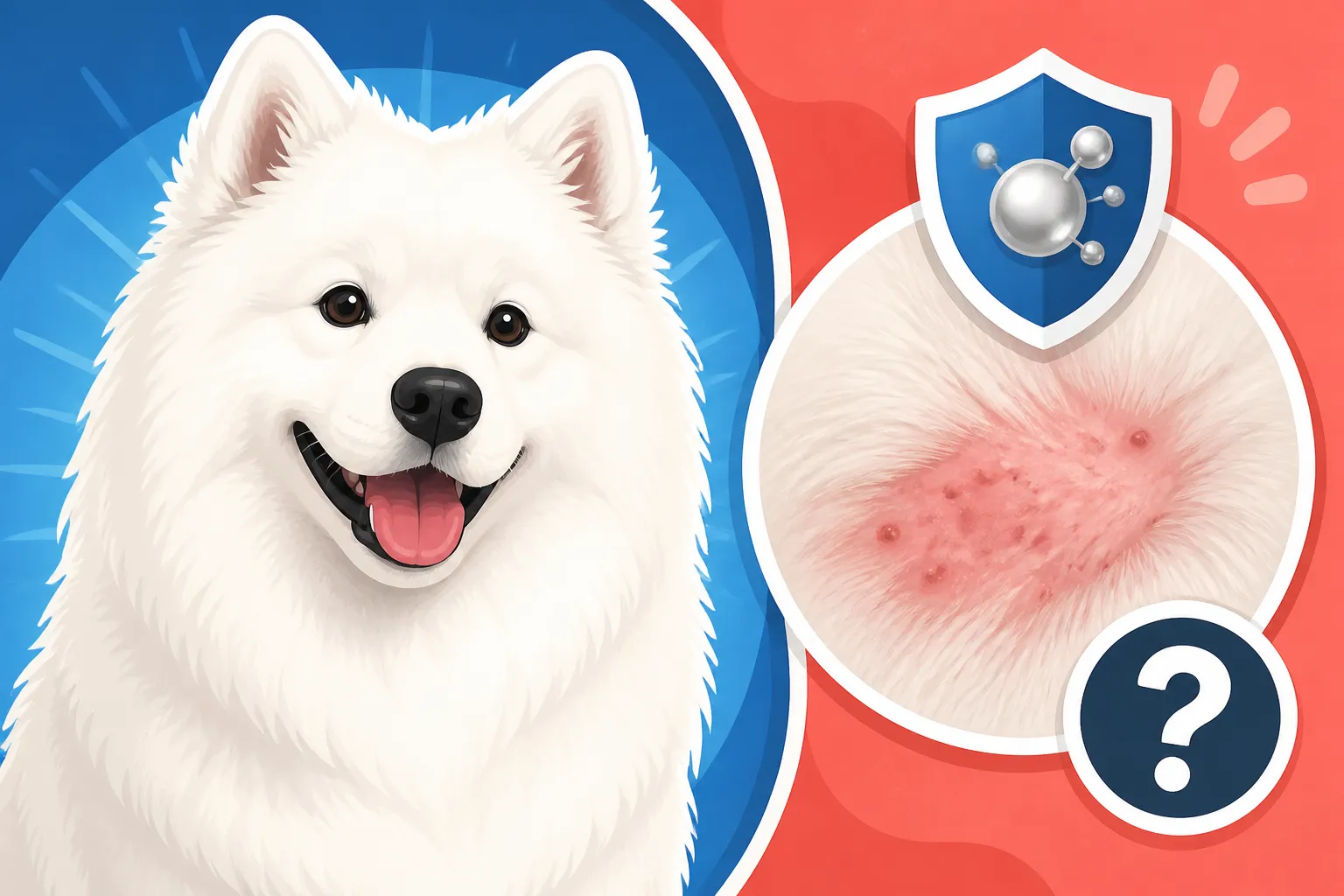
- Crusting and Scaling: This is probably the most common and noticeable symptom. The skin develops thick, adherent crusts, often greyish or yellowish, which can feel rough to the touch. Underneath these crusts, the skin is usually red and inflamed.
- Erythema (Redness): The affected areas will look irritated and red, indicating inflammation.
- Alopecia (Hair Loss): Over time, as the skin becomes more damaged, hair will thin or fall out entirely in these regions. The coat might look moth-eaten or patchy.
- Hyperkeratosis: This is a thickening of the skin, especially noticeable on paw pads and nose. The paw pads might become rough, cracked, and painful.
These lesions are commonly found around the eyes, muzzle, and lips, giving the Samoyed a somewhat "spectacled" appearance. You might also see them around the ears, particularly on the ear flaps, and on pressure points like the elbows, hocks, and genitals. The footpads can become very firm and fissured, leading to discomfort or even lameness. It's a constellation of specific signs that, when put together, paint a clearer picture of ZRD rather than a generic itch.
Here's a quick look at where to typically find these skin changes:
| Symptom | Common Locations | Appearance |
|---|---|---|
| Crusting/Scaling | Around eyes, muzzle, ears, elbows, hocks, genitals | Greyish-yellow, thick, adherent crusts; rough, flaky texture |
| Erythema | Any affected skin, especially under crusts | Red, inflamed skin |
| Alopecia | Around eyes, muzzle, ears, pressure points, flanks | Patchy hair loss, thinning coat, dull fur |
| Hyperkeratosis | Paw pads, nose, elbows | Thickened, rough, cracked skin; can be painful, especially on paw pads |
| Pruritus (Itching) | Variable, often secondary to infection | Dog may scratch, rub, or lick affected areas; can lead to self-trauma |
Pain and Discomfort Your Samoyed Might Experience
Beyond the visible skin changes, ZRD is often a source of considerable discomfort for your Samoyed. The inflammation, cracking, and crusting can be downright painful. Imagine having constantly chapped lips, cracked heels, and an itchy rash all over your face and joints – that's a glimpse into what your Samoyed might be enduring.
When paw pads are affected by hyperkeratosis, they can crack and bleed, making walking agonizing. A Samoyed might become reluctant to go for walks, stand up, or even put weight on certain paws. The irritation around the face can make eating and drinking uncomfortable, and they might rub their face against furniture or the ground in an attempt to alleviate the itch. This constant irritation can also lead to secondary bacterial or yeast infections, which further exacerbate the pain and itching, creating a vicious cycle of discomfort.
Owners often report that their Samoyed, usually so stoic, seems generally unhappy, withdrawn, or irritable due to the chronic pain and itching. They might be less playful, sleep more, or even snap if touched in sensitive areas. It's not just a cosmetic issue; it's a significant blow to their quality of life. This is where a pet insurance provider like Healthy Paws can truly make a difference, helping to cover the diagnostic tests and ongoing treatment costs that can quickly add up for a chronic condition like ZRD.
Diagnosing Zinc Responsive Dermatosis
Diagnosing ZRD isn't always a straightforward process, mainly because its symptoms overlap with many other dermatological conditions. Your veterinarian will act like a detective, carefully piecing together clues from your Samoyed's history, physical examination, and specific diagnostic tests. It’s crucial to rule out other possibilities before confirming ZRD, ensuring your Samoyed receives the most appropriate and effective treatment. Don't be surprised if the process involves a few steps; it's all part of getting to the right answer.
Veterinary Examination and History
When you bring your Samoyed in for suspected ZRD, your vet will start with a thorough physical examination, paying close attention to the skin lesions and their distribution. They'll also take a comprehensive history from you. This will include questions about:
- Onset and Progression: When did you first notice the symptoms? Have they worsened, improved, or stayed the same?
- Diet: What food is your Samoyed eating? Have there been any recent changes?
- Supplements: Is your Samoyed on any supplements, particularly zinc?
- Environment: Any new allergens or irritants in the home or yard?
- Previous Treatments: What treatments have you tried, and what was the response?
- Other Health Issues: Does your Samoyed have any other medical conditions? (For example, Signs a Samoyed's Thyroid Has Failed could also cause skin issues).
- Breed History: Is there any family history of skin conditions in the Samoyed's lineage?
The vet will be looking for the characteristic distribution of lesions around the eyes, muzzle, ears, and pressure points, which are strong indicators for ZRD. They'll also assess your Samoyed's overall demeanor, looking for signs of pain or discomfort. This initial conversation is vital for guiding the subsequent diagnostic steps.
Diagnostic Tests: Skin Biopsies and Response to Treatment
To definitively diagnose ZRD, your vet will likely recommend a skin biopsy. This involves taking small samples of skin from the affected areas, usually under local anesthesia or light sedation, and sending them to a specialized veterinary dermatopathologist. The pathologist will examine the tissue under a microscope, looking for specific changes characteristic of ZRD, most notably parakeratosis (retention of nuclei in the stratum corneum, the outermost layer of the skin). This finding, combined with the clinical signs, strongly points to ZRD.
While blood tests can measure zinc levels, they are not always reliable for diagnosing ZRD because even dogs with malabsorption might have normal blood zinc levels. Therefore, a definitive diagnosis often comes from a combination of the characteristic clinical signs, the results of the skin biopsy, and perhaps most importantly, a positive response to a therapeutic trial of zinc supplementation.
This means your vet might start your Samoyed on oral zinc supplements, such as zinc methionine or zinc sulfate, at a higher-than-maintenance dose. If the skin lesions significantly improve within a few weeks to a couple of months, it provides strong evidence that ZRD was indeed the underlying cause. This "response to treatment" approach is a classic diagnostic tool in veterinary dermatology. It’s a relief to finally have a clear path forward when you've been grappling with confusing symptoms.
Managing and Treating Zinc Responsive Dermatosis
The good news is that Zinc Responsive Dermatosis is a treatable and manageable condition. Once diagnosed, a well-structured treatment plan, primarily revolving around zinc supplementation, can significantly improve your Samoyed's skin health and overall comfort. The key is consistency and ongoing communication with your veterinarian, as ZRD is usually a lifelong condition requiring continuous management.
Oral Zinc Supplementation
The cornerstone of ZRD treatment is oral zinc supplementation. Your veterinarian will prescribe a specific form of zinc, such as zinc sulfate, zinc gluconate, or zinc methionine, and a precise dosage tailored to your Samoyed's weight and the severity of their condition. It's crucial to follow these instructions diligently.
- Starting Dose: Initially, a higher "loading" dose might be prescribed to quickly replenish zinc levels and kickstart skin healing.
- Maintenance Dose: Once the lesions resolve or significantly improve, your vet will likely transition your Samoyed to a lower, lifelong maintenance dose. Stopping zinc supplementation typically leads to a relapse of symptoms.
- Administering Zinc: Zinc supplements are often best given with food, as an empty stomach can sometimes lead to nausea or vomiting. Your vet will advise on the best timing.
- Patience is Key: It can take several weeks, sometimes even 1-2 months, to see significant improvement in the skin lesions. Don't get discouraged if progress isn't immediate. Consistency is more important than speed.
It’s important to note that you should never start zinc supplementation without veterinary guidance. Excessive zinc can be toxic, and the wrong form or dose could cause more harm than good. Also, certain medications can interfere with zinc absorption, so always inform your vet about all your Samoyed's current medications and supplements.
Dietary Considerations and Other Supportive Care
While ZRD in Samoyeds is often a malabsorption issue rather than a dietary deficiency, certain dietary adjustments can still play a supportive role in managing the condition.
- High-Quality Diet: Ensuring your Samoyed eats a high-quality, balanced diet is always beneficial for overall health. Some vets might recommend foods with higher natural zinc content or those less likely to interfere with absorption.
- Avoid Interfering Ingredients: Some ingredients, particularly high levels of calcium or phytates found in certain grains and legumes, can potentially interfere with zinc absorption. Your vet might suggest avoiding these or opting for a specific type of diet. However, for most Samoyeds with Type I ZRD, the underlying absorption issue will persist regardless of diet. For more severe cases, a prescription diet might be considered, but this is less common for ZRD than for conditions like Managing a Diabetic Samoyed.
- Fatty Acid Supplements: Omega-3 fatty acid supplements can help reduce skin inflammation and improve coat quality, offering additional support.
- Topical Treatments: For particularly inflamed or infected areas, your vet might prescribe medicated shampoos, topical creams, or antibiotics to manage secondary bacterial infections and provide symptomatic relief while the zinc works its magic internally.
- Regular Grooming: Maintaining a clean coat, but being careful not to over-bathe, can also help. Just remember that Why Shaving a Samoyed Makes the Heat Worse applies to keeping their coat healthy in general, so never shave your Samoyed.
The long-term outlook for Samoyeds with ZRD is generally very good with consistent treatment. Most dogs can lead full, comfortable lives once a stable maintenance dose of zinc is established. It becomes part of their daily routine, much like administering heartworm medication. Pet insurance companies like Healthy Paws can be invaluable for owners dealing with chronic conditions like ZRD, helping to ease the financial burden of lifelong medications and veterinary visits. Regular check-ups with your vet will be necessary to monitor your Samoyed's progress and adjust zinc dosage as needed, especially Caring for a Samoyed Past Nine where other health considerations might arise.
Disclaimer
This article is intended for informational purposes only and does not constitute veterinary advice. Always consult with a qualified veterinarian for any health concerns or before making any decisions about your pet's medical care.