Whether a Samoyed Raises a Summer Power Bill
It’s a concern that weighs heavily on the minds of Samoyed owners, especially as the temperatures start to climb: will keeping my beautiful fluffball comfortable during the sweltering summer months send my electricity bill skyrocketing? This guide is here to realistically explore the impact a Samoyed can have on your summer power consumption, why it happens, and most importantly, how you can manage it without breaking the bank or compromising your beloved companion's well-being.
The Core Challenge: Keeping a Samoyed Comfortable in the Heat
Bringing a Samoyed into your home is like inviting a piece of the Arctic in – they are truly magnificent creatures designed for extreme cold. That incredible double coat, the one we all adore for its pristine beauty and softness, is also a marvel of natural engineering. However, it’s a design that presents a unique challenge when summer rolls around.
Why Samoyeds Struggle with Warm Weather
Let's be honest, our Samoyeds come from a lineage that thrived in environments where temperatures plummeted to sixty degrees below zero. Their ancestors, the dogs of the Nenets people, were literally bred to survive and work in the frozen expanses of Siberia. Their luxurious, dense double coat is a testament to this heritage. It consists of a harsh, long outer coat of guard hairs that repel dirt and moisture, and a thick, woolly undercoat that acts as insulation.
Now, while this coat can provide some insulation against heat by trapping cooler air close to the body, it's really optimized for keeping heat in. When the mercury climbs above 70°F, and certainly above 80°F, that natural insulation becomes a serious burden. Imagine trying to wear a down parka in the middle of July; that's essentially what your Samoyed is doing. They aren't built for humidity, blazing sun, or asphalt-searing temperatures. Trying to maintain their comfort often means actively fighting against the climate, which inevitably involves energy consumption. A Samoyed Built for Sixty Below in an American Summer explains this perfectly.
Signs Your Samoyed Is Overheating
It's heartbreaking to see your happy, smiling Samoyed look anything but. When they start to get too warm, their natural behaviors shift dramatically. The first and most obvious sign is excessive panting, often rapid and shallow, as they try to evaporate moisture from their tongues to cool down. You might notice them seeking out the coolest spots in your home – lying on tile floors, pressing against a cold wall, or even digging at the carpet if they can't find a truly cool surface. The Digging a Samoyed Does Because It Is Hot delves into this instinct.
As they become more uncomfortable, they'll be less active, more lethargic, and might refuse to play or go for walks. Their ears might feel hot to the touch, and their gums might appear darker or very pale. In more severe cases, you could see drooling, glazed eyes, a wobbly gait, or even vomiting. These are critical signs of heatstroke and require immediate veterinary attention. Understanding Signs a Samoyed Is Overheating is crucial for any Samoyed owner, as it directly informs how aggressively you might need to cool your home.
The Human Impulse to Cool Them Down
When you see your beautiful companion struggling, panting, and looking utterly miserable, your first instinct is to help them, and usually, that means cranking up the air conditioning. It’s a powerful, empathetic response. We want our pets to be comfortable and happy, and for a Samoyed, comfort in summer often equates to a significantly cooler indoor environment than what a human might find perfectly pleasant.
This is where the power bill truly enters the picture. You might be content with your thermostat set to 75°F or even 78°F, but for a Samoyed, particularly one with a full, healthy coat, that might still be far too warm for extended periods. You find yourself nudging the thermostat down, often into the low 70s, or even high 60s, for your dog's sake. This immediate, almost instinctual desire to provide relief is what directly translates into increased energy usage and, consequently, a higher power bill. It’s not just a luxury; it feels like a necessity for their health and happiness.
Direct Impact on Your Summer Power Bill
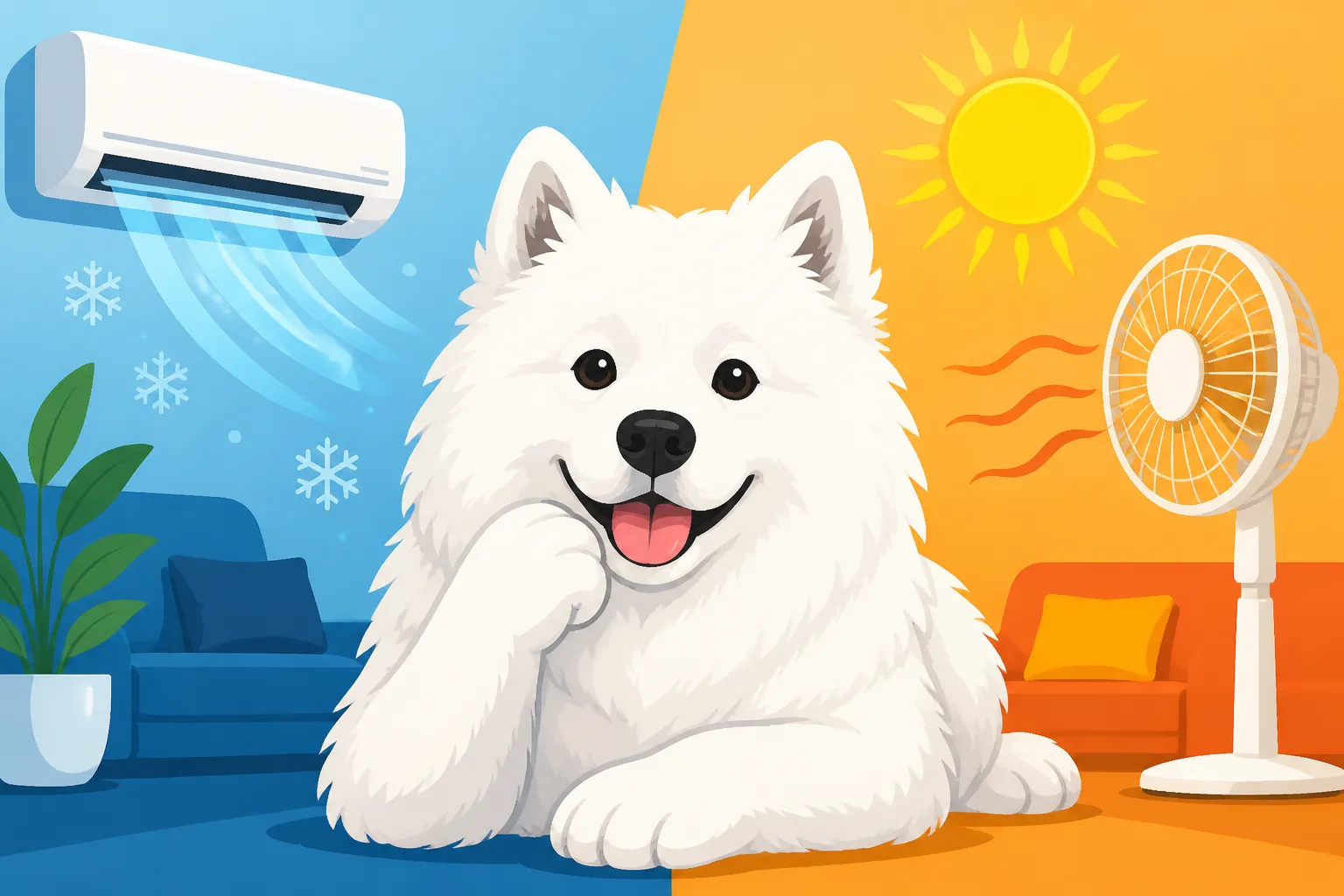
So, does a Samoyed raise a summer power bill? In short, yes, it absolutely can. The degree to which it impacts your bill largely depends on your climate, your home's efficiency, and your personal tolerance for heat versus your Samoyed's. But make no mistake, keeping a northern breed like a Samoyed comfortable in a hot climate often means a notable increase in energy consumption.
Air Conditioning as the Primary Culprit
Air conditioning is undeniably the biggest energy hog in most households during the summer. It's a complex system that works hard to remove heat and humidity from your indoor spaces. The larger the difference between the outdoor temperature and your desired indoor temperature, the harder your AC unit has to work, and the more electricity it consumes.
For a Samoyed, "comfortable" often means several degrees cooler than what a human would typically set the thermostat to. If it's 90°F outside and you usually keep your house at 78°F, your AC is already working. If you then drop it to 72°F or 70°F for your Samoyed, that's a significant increase in the workload. The unit runs longer, cycles more frequently, and draws more power. This is particularly true in areas with high humidity, as AC units also expend energy to dehumidify the air, adding another layer to the energy cost. What Air Conditioning Adds to a Samoyed Household elaborates on these expenses.
The Cost of Constant Cooling
The "cost" isn't just about the temperature setting; it's about the duration of cooling. In many summer climates, you might only run your AC for part of the day, or perhaps only overnight. With a Samoyed, especially if they are left alone during the day, you often feel compelled to keep the AC running constantly to prevent them from overheating. This means more hours of operation, often at a lower temperature, which compounds the energy usage.
Factors that influence this shape of cost include:
- Insulation and Window Quality: A well-insulated home with energy-efficient windows will retain cool air much better, requiring less work from your AC. Older homes or those with poor insulation will bleed cool air, making your AC run almost non-stop.
- AC Unit Efficiency: Older, less efficient AC units will naturally consume more power to achieve the same cooling effect compared to newer, high-efficiency models.
- Regional Electricity Rates: The price per kilowatt-hour varies significantly by location. What might be a moderate increase in one state could be exorbitant in another.
- Sun Exposure: Homes that receive direct sunlight for long periods, especially on south-facing windows, will heat up faster, forcing the AC to work harder.
It's not just the extra degrees you drop the thermostat; it's the added hours and the sheer determination required to keep a cold-weather dog truly comfortable when the world outside is baking.
Beyond Just the AC: Fans and Other Appliances
While your air conditioner is the main event, other cooling efforts can also contribute to your power bill, albeit to a lesser extent. Many Samoyed owners strategically place fans around the house to help circulate air and create a wind-chill effect. A single fan might not use much power, but if you have three or four running continuously in different rooms, that adds up.
Think about other cooling accessories too. Many owners use cooling mats – these don't use electricity but often involve water that needs to be refilled or refrigeration for some models. Then there's the more frequent need for laundry – washing towels used to dry off a wet Samoyed, or cleaning bedding more often if they are sweating or shedding more, especially during a coat blow. While minor compared to the AC, every little bit contributes to the overall household energy consumption.
Here's a quick look at the typical energy impact of various cooling methods for your Samoyed:
| Cooling Method | Primary Energy Use | Impact on Power Bill (Relative) | Notes |
|---|---|---|---|
| Central Air Conditioning | High (Compressor/Fans) | Very High | Most significant factor; runs longer and at lower temps for Samoyeds. |
| Window/Portable AC Unit | Moderate to High | High | Can cool specific rooms, but still substantial energy use if running constantly. |
| Ceiling/Box Fans | Low to Moderate | Low to Moderate | Helpful for air circulation and evaporative cooling; multiple fans add up. |
| Cooling Mats (Gel/Water-filled) | None (unless refrigerated) | Very Low | Passive cooling, but may require refilling or occasional refrigeration which adds minor load. |
| Elevated Beds | None | None | Improves air circulation beneath the dog, a good passive solution. |
| Kiddie Pool/Water Sprinklers | Water Pump (if applicable) | Minimal (water cost possible) | Excellent for outdoor cooling, minimal electrical impact unless you have a powerful pump. |
Smart Strategies to Mitigate Energy Costs
The good news is that you're not helpless against the rising tide of your summer power bill. There are many strategies you can employ to keep your Samoyed cool and comfortable without resigning yourself to financial ruin. It’s all about being smart, proactive, and combining various methods.
Optimizing Your Home Environment
Making your home itself more energy-efficient is one of the best long-term investments.
- Improve Insulation: Adding insulation to your attic and walls can dramatically reduce heat transfer, keeping cool air in and hot air out. This directly lessens the burden on your AC.
- Seal Leaks: Check around windows and doors for drafts. Sealing these gaps with caulk or weatherstripping prevents cooled air from escaping and hot air from entering.
- Window Coverings: Utilize blinds, curtains, or even reflective films on windows, especially those facing the sun. Keeping these closed during the hottest parts of the day can significantly block heat gain.
- Smart Thermostats: Investing in a programmable or smart thermostat can save you money. You can set it to a slightly higher temperature when you're away and program it to cool down just before you or your Samoyed come home. Some smart thermostats can even learn your routine.
- Choose Coolest Rooms: If you can, allow your Samoyed access to the coolest parts of your house. Basements are often naturally cooler, as are rooms on the north side of the house. Hard surfaces like tile or concrete are also preferable for them to lie on.
Adjusting Your Samoyed's Routine
Sometimes, it’s not about changing your house, but changing your habits.
- Strategic Exercise: Shift walks and strenuous play to the very early morning or late evening when temperatures are significantly cooler. Avoid midday excursions entirely. Whether a Samoyed Should Walk at Midday highlights this importance.
- Indoor Play: During the heat of the day, focus on indoor games or training sessions. This keeps their minds active without risking overheating outside.
- Cooling Gear: While a full double coat makes some cooling vests less effective, you can explore options like damp bandanas or specialized cooling collars that focus on key pulse points. Always ensure whatever you use doesn't trap heat against their skin.
- Kiddie Pools and Sprinklers: If your Samoyed enjoys water, a shallow kiddie pool in a shaded part of the yard can be a fantastic way for them to cool off. Just make sure the water is fresh and supervise them. What a Kiddie Pool for a Samoyed Costs is often minimal, making this a cost-effective solution. How a Samoyed Should Be Cooled Down offers more creative ideas.
Grooming for Comfort, Not Shaving
This is a critical point that often gets misunderstood. Many owners mistakenly believe that shaving their Samoyed will keep them cooler. In reality, it often does the opposite and can even damage their coat. Why Shaving a Samoyed Makes the Heat Worse is essential reading.
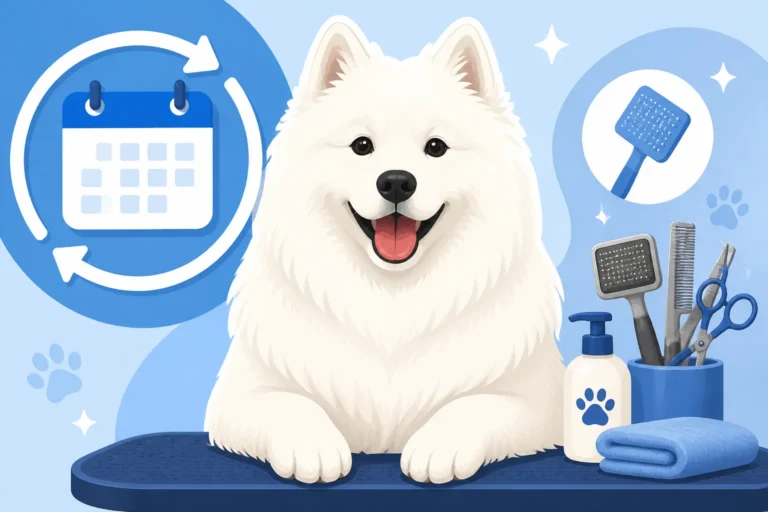
- Regular Brushing: The single most effective grooming tool for summer comfort is consistent, thorough brushing. This removes dead undercoat, allowing air to circulate close to the skin. A "coat blow" in spring and summer can be intense, and getting rid of that loose fluff is paramount. A high-velocity dryer can also help "blow out" the undercoat, and many professional groomers offer this service.
- Avoid Shaving: Their guard hairs protect their skin from sunburn and also help insulate against heat. Shaving them removes this natural protection, making them more susceptible to sunburn and potentially causing the coat to grow back improperly, losing its protective qualities.
Hydration and Diet
Simple, foundational care also plays a role in heat management.
- Constant Fresh Water: Always provide plenty of fresh, cool water. Consider multiple water bowls around the house or a pet fountain to encourage drinking. How Much Water a Samoyed Needs in Summer is more than you might think.
- Appropriate Diet: Ensure your Samoyed is on a high-quality diet that helps them maintain a healthy weight. Overweight dogs struggle much more in the heat. Brands like Ollie offer fresh, balanced meals that can help keep your Samoyed in peak condition, which naturally aids in heat tolerance. You can also make your own healthy frozen treats with dog-safe ingredients to help cool them from the inside out.
Long-Term Considerations and Planning Ahead
Thinking beyond the immediate summer can lead to even greater savings and comfort for your Samoyed. It's about recognizing that owning a Samoyed in many climates means adapting your lifestyle and home.
Geographic Location and Climate
Let's be realistic: a Samoyed is a cold-weather breed. If you live in a region with consistently hot and humid summers, such as Florida or Texas, the challenge and associated energy costs will naturally be higher. While Samoyeds can adapt to warmer climates with diligent care, it requires more active management and often more reliance on artificial cooling. Whether a Samoyed Should Live in Florida or Texas explores the implications of this choice. For owners in these regions, the summer power bill is almost certainly going to be notably higher than for someone living in, say, Minnesota or Vermont.
Investing in Energy-Efficient Upgrades
For homeowners, considering energy-efficient upgrades can offer long-term savings.
- HVAC System Upgrade: If your AC unit is old, replacing it with a new, high-efficiency model can lead to significant energy savings over its lifespan. While a big upfront cost, the return on investment can be substantial.
- Window and Door Replacement: Upgrading to modern, energy-efficient windows and doors further seals your home against heat transfer.
- Landscaping for Shade: Strategically planting trees or shrubs around your home can provide natural shade, reducing the amount of direct sun exposure your house receives and thus lowering cooling needs.
Budgeting for the "Samoyed Summer Tax"
Just like you budget for food, vet visits, and grooming, it's wise to budget for potentially higher utility bills during the summer months. Consider it part of the "cost of doing business" when you own a Samoyed. It’s a reality of providing them with the environment they need to thrive.
While not directly related to power bills, it’s a good reminder to always budget for unexpected health issues. Pet insurance providers like Healthy Paws can help cover unforeseen veterinary expenses, which, while not reducing your electricity bill, can certainly ease the overall financial burden of pet ownership, allowing you to allocate funds to keeping your Samoyed comfortable.
Embracing Creative Cooling Solutions
Don't underestimate the power of simple, creative ideas.
- Cooling Mats and Beds: There are many excellent cooling mats available that don't use electricity, using gel or water to absorb body heat. Elevated cots also allow air to circulate underneath your dog, preventing heat buildup. You can find a wide variety of these products from online retailers like Chewy.
- Frozen Treats: Make homemade "pupsicles" with diluted broth, peanut butter, or pureed fruit. These are not only refreshing but also provide mental stimulation.
- Damp Towels: For short-term relief, you can dampen a towel with cool (not ice-cold) water and lay it over your Samoyed's back or belly. Just ensure it doesn't stay wet and humid against their coat for too long, as this can lead to skin issues.
Ultimately, keeping a Samoyed cool in summer can raise your power bill. However, with a combination of smart home management, adjusted routines, proper grooming, and thoughtful cooling solutions, you can minimize that impact while ensuring your fluffy companion stays happy, healthy, and smiling through the warmer months. It's a small price to pay for the joy they bring into our lives!
Disclaimer
This article is for general informational purposes only and does not constitute professional advice. Laws, prices and regulations vary by location and change over time. Consult a qualified professional for guidance on your specific situation.