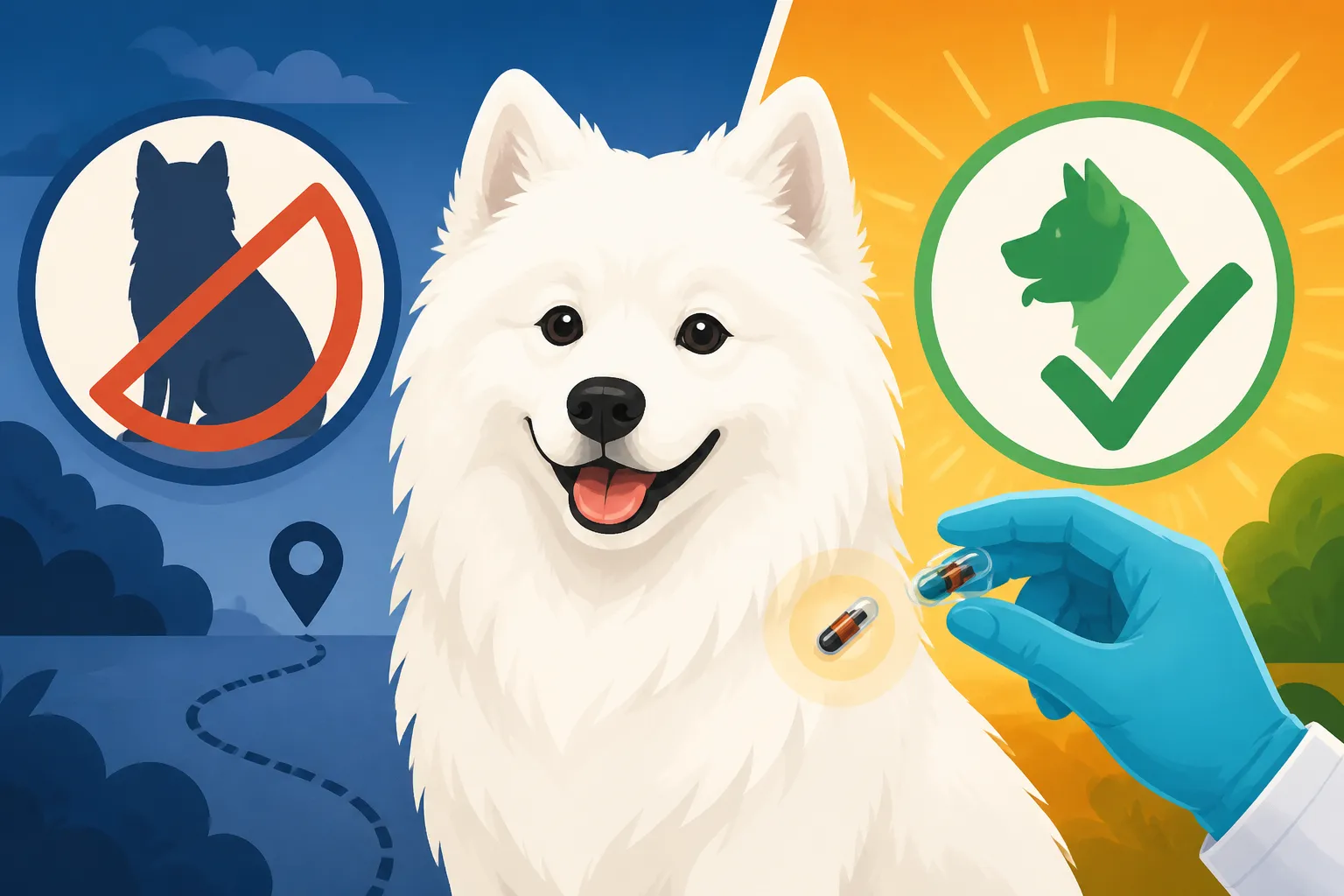
Whether a Samoyed Should Be Microchipped
No Samoyed parent ever wants to imagine the sheer panic of calling their beloved floof's name and hearing nothing but silence. The thought of your white, fluffy companion wandering lost, scared, and alone is enough to send shivers down any owner's spine. This comprehensive guide will walk you through the undeniable reasons why microchipping your Samoyed isn't just a good idea, but an essential layer of protection for their safety and your peace of mind.
The Heartbreak of a Lost Samoyed
Losing a pet is a truly terrifying experience, a sudden, gut-wrenching realization that turns your world upside down. For Samoyed owners, this fear can feel particularly acute because, let's be honest, our beloved companions have a certain… independent streak. They are often far too clever and adventurous for their own good, and their striking appearance means they might easily catch the eye of someone who doesn't realize they're a cherished family member.
Why Samoyeds are Prone to Getting Lost
Our Samoyeds, with their boundless energy and curious spirits, often possess a strong wanderlust that can lead them astray faster than you might imagine. They were, after all, bred for wide-open spaces, herding reindeer across vast tundras, and pulling sleds for miles. That innate drive for exploration hasn't magically disappeared just because they now live in a suburban home with a fenced yard. Give them half an opportunity, and they might decide to embark on an adventure of their own.
Their prey drive is also incredibly powerful. A fleeting glimpse of a squirrel, a rabbit, or even a blowing leaf can trigger an instinct to chase that overrides all previous training. Suddenly, your perfectly well-behaved Samoyed is a blur of white fur, deaf to your frantic calls, and halfway down the block before you can even react. This is why Why a Samoyed's Recall Cannot Be Trusted is such a critical topic for every owner. They don't mean to ignore you; they're simply hardwired to pursue that exciting scent or movement.
Furthermore, Samoyeds are notorious escape artists. Their intelligence, combined with their sheer determination, means they can figure out gate latches, dig under fences, or even scale surprisingly high barriers. How a Samoyed Gets Out of Anything You Build isn't an exaggeration; it's a testament to their cleverness and tenacity. A moment of distraction, a delivery person leaving the gate ajar, or even an unexpected noise that spooks them, and suddenly your yard isn't as secure as you thought. And once they're out, they often travel surprising distances before they realize they're lost, making it incredibly difficult to track them down.
The Devastation of a Missing Pet
The immediate aftermath of realizing your Samoyed is gone is a tidal wave of panic, fear, and guilt. You replay every moment, wondering if you could have done something differently. Posters go up, social media pleas are shared, and every unfamiliar white dog spotted in the distance sends a jolt of hope through you, only to be crushed when it's not yours. The sheer emotional toll on a family is immense, and it can consume your every waking thought.
Beyond the emotional anguish, there's the very real danger your Samoyed faces. They could be hit by a car, injured, or fall victim to predators or unkind individuals. They might struggle to find food or water, especially if they're not used to fending for themselves. Even if they're found by a kind stranger, without clear, permanent identification, the path back home can be fraught with delays and uncertainty.
This fear of the unknown, the constant worry about their safety and well-being, can weigh heavily on a Samoyed owner's heart. It's a preventable tragedy in many cases, and understanding the role of microchipping is a crucial step in safeguarding your beloved companion. Knowing you've taken every possible measure to ensure their safe return can significantly alleviate some of that ever-present anxiety.
Understanding Microchipping for Your Samoyed
When we talk about protecting our Samoyeds, microchipping often comes up as one of the most reliable methods of identification. But what exactly is it, and how does this tiny piece of technology work to bring your lost floof back home? It's much simpler and more effective than many people realize.
What Exactly is a Microchip?
A pet microchip is a tiny, passive radio-frequency identification (RFID) device, about the size of a grain of rice. It contains a unique identification number and no internal battery, meaning it doesn't need to be charged and won't wear out. It's typically implanted by a veterinarian or trained technician just under the skin between your Samoyed's shoulder blades using a sterile needle, much like a routine vaccination. The procedure is quick, causes minimal discomfort, and most dogs barely react to it.
Once implanted, the microchip stays safely in place, usually for the lifetime of your dog. It doesn't transmit signals or track your Samoyed's movements; it simply stores that unique ID number. Think of it less like a GPS device and more like a permanent digital ID tag that can't fall off, get lost, or become unreadable. This distinction is important, as many owners sometimes confuse microchips with active tracking devices.
The beauty of a microchip lies in its permanence. Unlike a collar tag that can be chewed off, snagged, or lost in a muddy field, a microchip is internal and almost impossible to remove accidentally. This means that even if your Samoyed manages to slip their collar while on an impromptu adventure, they still carry a direct link back to you.
How a Microchip Works to Bring Your Samoyed Home
The magic of a microchip only happens when it's scanned. When a lost Samoyed is found and taken to a veterinary clinic, animal shelter, or even many animal control facilities, the first thing they typically do is scan for a microchip. A special handheld scanner is passed over the dog's shoulder blade area. This scanner emits a low radio frequency that activates the microchip, which then transmits its unique ID number back to the scanner.
Once the scanner displays this unique multi-digit number, the staff then enters it into a national pet recovery database. These databases store the microchip number along with the owner's contact information, such as name, address, phone numbers, and email. It's absolutely crucial that you register your microchip number with a reputable database and keep your contact information up-to-date. A microchip with outdated information is essentially useless, making the reunion process impossible.
If your information is current, the database will provide the shelter or vet with your contact details, allowing them to reach out directly and arrange for your Samoyed's safe return. This process can happen incredibly quickly, often within hours of your dog being found. It bypasses the need for waiting for lost dog posters to be seen or social media posts to go viral, connecting you directly to your lost pet. This is the difference between weeks of heartache and a quick, joyful reunion.
The Unquestionable Benefits of Microchipping
For any Samoyed owner, the peace of mind that comes with knowing your beloved companion has a permanent form of identification is invaluable. Microchipping offers distinct advantages over traditional methods, greatly increasing the chances of a happy reunion should the unthinkable happen.
Permanent Identification, Unlike Collars
We all love dressing our Samoyeds in stylish collars with jingling tags, and these are undoubtedly important for immediate visual identification. But let's face it, collars and tags are fallible. Your Samoyed might slip out of their collar during a sudden chase, especially if it's not fitted perfectly, or if they're particularly frantic. Tags can become scratched and unreadable, or even fall off altogether. Imagine the scenario: your adventurous Samoyed, perhaps inspired by their ancestors' free-roaming spirit, decides to bolt when a gate is left open by accident. The Samoyed That Bolts Through an Open Door is a common story, and in their excitement, they might lose their collar in the ensuing dash through bushes or over obstacles.
A microchip, however, is permanent. Once implanted, it's there for life. It's not something your Samoyed can chew off, get snagged on, or simply lose. This means that no matter how far your snow-white escape artist travels or what adventures they get into, they carry a hidden, unalterable link back to you. This permanence is the cornerstone of its effectiveness and a significant upgrade from relying solely on external ID.
Rapid Reunification and Reduced Shelter Stress
The primary benefit of microchipping is the dramatically increased chance of a swift reunion. When a microchipped Samoyed is found and brought to a facility, a quick scan immediately reveals their unique ID. This allows the staff to access your contact information, cutting down on the agonizing hours or days of uncertainty. Instead of waiting for you to find their "lost dog" post, they can call you.
This rapid reunification isn't just a comfort for owners; it's a huge benefit for your Samoyed too. Being lost is incredibly stressful and disorienting for any dog, but especially for a breed as social and family-oriented as a Samoyed. The unfamiliar sights, sounds, and smells of a noisy animal shelter can be overwhelming. A quick return to their familiar home and loving family minimizes their time in a stressful environment, reducing anxiety and potential health issues that can arise from prolonged stress. It's a testament to responsible pet ownership that can significantly impact their well-being.
Peace of Mind for Samoyed Owners
Ultimately, microchipping offers something priceless: peace of mind. Knowing that you've taken this crucial step to safeguard your Samoyed provides a sense of security that goes beyond simple identification. It's a safety net, a last line of defense against the terrifying possibility of permanent loss. This peace of mind allows you to enjoy your adventures with your Samoyed, whether it's a romp in the park or a hike in the woods, with a bit less worry gnawing at the back of your mind.
While a microchip isn't a tracking device, it's the most reliable way to ensure that if your Samoyed ever gets lost and picked up, they can be identified and returned to you. This knowledge can be particularly reassuring if you live in an area where your Samoyed's curious nature or strong prey drive might lead them astray. We know How Far a Loose Samoyed Travels can be significant, so having that internal ID is a constant comfort.
Addressing Common Concerns and Misconceptions
Despite the widespread acceptance and proven benefits of microchipping, some owners still have lingering questions or misconceptions. Let's clear up some of the most common ones, especially as they pertain to our beloved Samoyeds.
Is the Procedure Painful or Risky?
One of the most frequent concerns I hear from fellow Samoyed enthusiasts is about the discomfort or potential risks associated with the microchipping procedure. I completely understand this; we want only the best for our furry family members! However, you can rest assured that microchipping is a very safe and minimally invasive procedure. The microchip itself is very small, roughly the size of a grain of rice, and it's implanted using a sterile needle that is slightly larger than a typical vaccination needle.
Most Samoyeds tolerate the injection extremely well, often barely flinching. Some may let out a small yelp, more from surprise than actual pain, similar to how they react to a routine vaccine. No anesthesia is required, and the whole process takes mere seconds. Complications are incredibly rare, usually limited to minor swelling or a tiny bruise at the injection site, which resolves quickly. The benefits of permanent identification far outweigh these minuscule risks. It's a small, momentary discomfort for a lifetime of security.
What About Tracking or GPS?
This is a common point of confusion! A pet microchip is not a GPS tracking device. It's a passive RFID (Radio-Frequency Identification) device, meaning it doesn't have a power source, doesn't transmit signals continuously, and cannot be used to locate your Samoyed in real-time if they wander off. Think of it as a permanent digital ID tag that needs a scanner to be read.
If you're looking for real-time tracking capabilities, you'd need a separate GPS collar. These collars are active devices that contain a battery and GPS technology, allowing you to track your Samoyed's location via an app on your phone. Many Samoyed owners consider these a valuable additional tool, especially given our breed's propensity for adventure. A separate GPS Collar for a Samoyed can be a great addition, and you'll find many reputable brands available on platforms like Amazon. Just remember that a GPS collar is an addition to a microchip, not a replacement. It can run out of battery, get lost, or be damaged, whereas a microchip is a permanent, internal backup.
Keeping Your Microchip Information Updated
This might be the most critical piece of advice when it comes to microchips: registration and updated information are absolutely essential. A microchip is just a number until it's linked to your current contact details in a national pet recovery database. If your Samoyed is found and scanned, but the database has old phone numbers or an outdated address, the microchip is effectively useless.
Life changes happen all the time. You move, you get a new cell phone number, or even a new email address. Every single time one of your contact details changes, you must log into your microchip registration account and update your information immediately. It's a simple process, usually done online through the microchip registry's website. Most reputable microchip companies make this straightforward, sometimes for a small one-time fee or a recurring annual one. Make it a point to annually verify your information is correct, perhaps on your Samoyed's birthday or during their annual vet check-up. This simple step ensures that your microchip can do its job and bring your cherished Samoyed back home.
| Identification Method | Pros | Cons | Reliability for Reunion |
|---|---|---|---|
| Collar & Tag | Immediate visual ID, easily readable, customizable. | Can fall off, get snagged, become unreadable (scratched), dog can slip out of collar. | Low to Medium (depends on tag condition & collar integrity) |
| Microchip | Permanent, internal ID; cannot be lost or removed; recognized by vets/shelters nationwide; lasts a lifetime. | Requires a scanner to read; requires active registration & updated owner info; not a GPS tracker. | High (if registered & info current) |
| GPS Collar | Real-time tracking capabilities; alerts if dog leaves designated area. | Requires battery charging; can fall off, get damaged; typically more expensive; subscription fees often apply; not a permanent ID source. | Medium to High (depends on battery life, signal, and collar integrity) |
Microchipping as Part of a Comprehensive Safety Plan
While microchipping is an incredibly powerful tool for reuniting you with a lost Samoyed, it's truly most effective when integrated into a broader strategy for your dog's safety. Think of it as a critical piece of a larger puzzle, not the entire solution on its own.
Combining Microchips with Other Safety Measures
For a breed as intelligent and independent as a Samoyed, layering multiple safety measures is just smart ownership. Your microchip provides permanent identification, but it's not the only thing you should rely on. A sturdy, well-fitting collar with up-to-date ID tags is still your first line of defense. These tags offer immediate visual identification, allowing a good Samaritan to call you directly without needing a scanner. Many owners even include "I'm microchipped!" on their tags, prompting anyone who finds them to seek a scan.
Beyond physical identification, robust training is absolutely paramount. While a Samoyed's recall can be notoriously challenging, consistent positive reinforcement training can make a significant difference. Working on a solid "stay" command and reliable recall, perhaps through structured online programs like BAXTER & Bella, can help prevent your Samoyed from getting into situations where they might get lost in the first place. Think of training as proactive prevention, while microchipping is reactive recovery. Even with the best training, however, a Samoyed's instincts can sometimes take over, which is why the microchip is so vital.
Furthermore, secure containment at home is non-negotiable. This means a securely fenced yard, checking for weak spots, and ensuring gates are always latched. Some Samoyed owners even install double gates or utilize buried wire (Whether Buried Wire Stops a Samoyed Digging Out) to deter their clever escape artists. Supervised outings on a leash, especially in unfenced areas or places with high distractions, are also key.
The Legal and Ethical Considerations
In many regions, microchipping pets, especially dogs, is becoming a legal requirement or strongly encouraged. Checking your local ordinances can help you understand any specific mandates in your area regarding pet identification. Beyond legalities, however, there's a strong ethical component to microchipping your Samoyed.
As responsible pet parents, we have a duty to protect our animals and do everything within our power to ensure their well-being. Microchipping falls squarely within this duty. It demonstrates a commitment to your Samoyed's safety and a willingness to invest in their ability to be returned home if they ever become lost. It's a proactive step that showcases deep care and foresight.
Consider also the burden on local animal shelters and rescues. When an unidentified Samoyed arrives at their facility, it adds to their already overwhelming workload. They spend valuable resources trying to locate an owner, house the dog, and provide care. A microchip drastically reduces this burden, freeing up resources for other animals in need. It's a simple act that benefits not just you and your Samoyed, but the wider animal welfare community as well.
Disclaimer
This article is for general informational purposes only and does not constitute professional advice. Laws, prices and regulations vary by location and change over time. Consult a qualified professional for guidance on your specific situation.