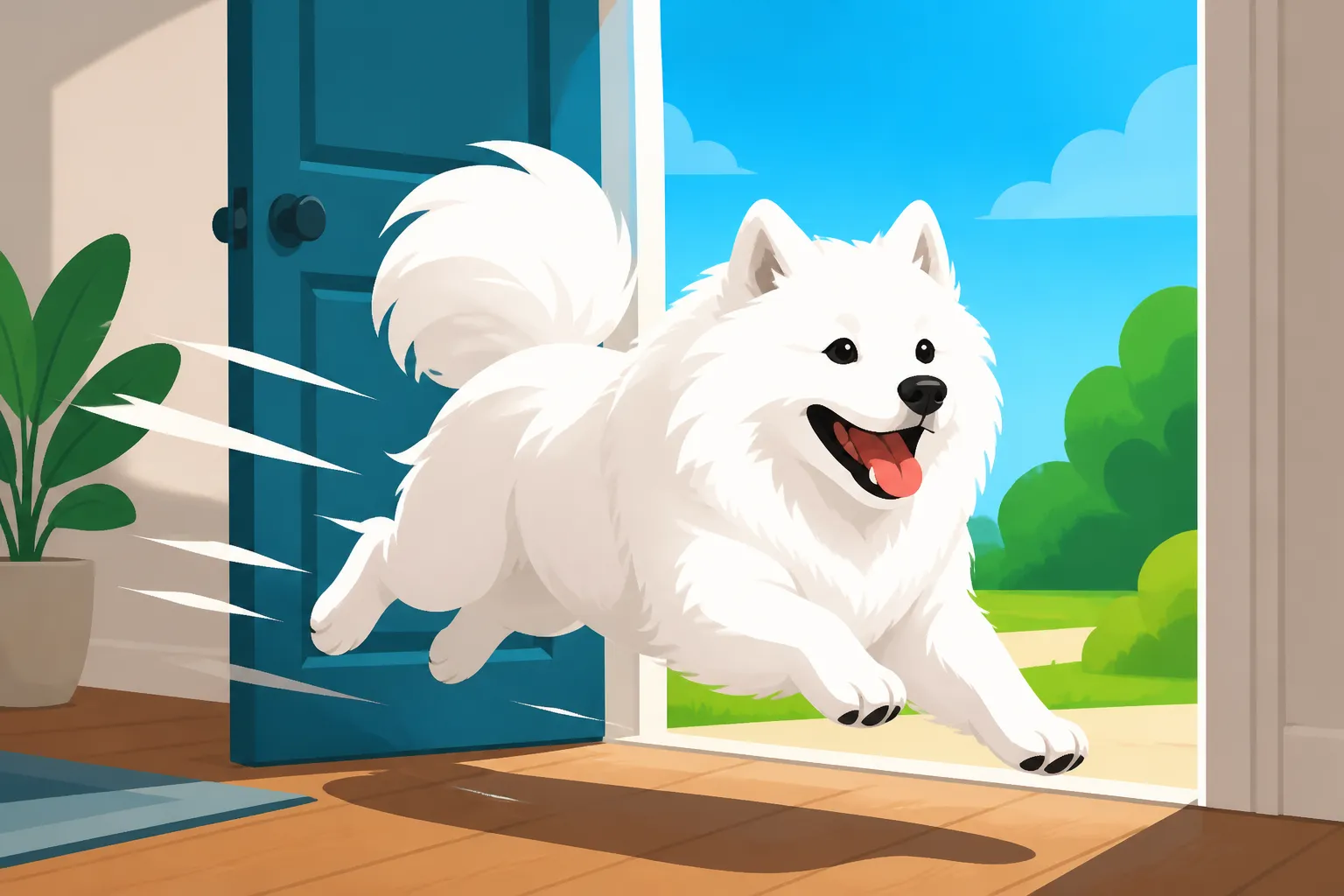
The Samoyed That Bolts Through an Open Door
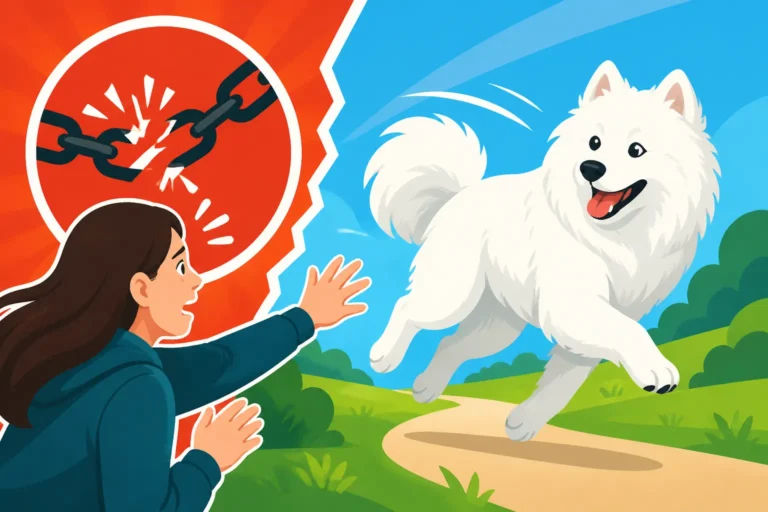
It's a familiar scenario for many Samoyed owners: you’re juggling groceries, a toddler, or simply trying to get out the door for a walk, and suddenly your furry white cloud transforms into a blur, making a mad dash for freedom. That heart-stopping moment when your Samoyed bolts through an open door isn't just frustrating; it's genuinely terrifying, bringing with it fears of traffic, getting lost, or worse. This guide is here to help you understand why your Samoyed acts this way and, more importantly, equip you with practical strategies to prevent these daring escapes and keep your beloved companion safe.
Understanding the Samoyed's Instinct to Bolt
Samoyeds are magnificent, intelligent dogs with a rich history, but sometimes those very traits that make them so wonderful also contribute to their escape artist tendencies. It's not usually defiance; it's deeply rooted in their breed's purpose and natural curiosity.
The Call of the Wild: Why They Run
Imagine a breed that historically roamed vast, open tundras, herding reindeer and moving with nomadic tribes. Their ancestors weren't confined to fenced yards or suburban streets. They were bred for endurance, independence, and an incredible sense of exploration. This ingrained desire to go and see is a powerful motivator. When a door swings open, it represents an exciting, boundless frontier. It's an invitation to explore, to follow an interesting scent, or to chase something that catches their eye. Their instinct tells them to investigate, not to sit politely and wait. It’s not that they don't love you or their home; it's just that the outside world holds an irresistible allure, a genetic whisper of their working past. This strong prey drive and wanderlust mean that a sudden burst of speed through an opening is often their default reaction. You might be interested in The Samoyed Slept in the Tent to Keep People Alive to understand more about their historical roles.
Boredom and Curiosity: Everyday Motivations
Beyond ancient instincts, sometimes the motivation to bolt is far simpler: boredom or sheer curiosity. A Samoyed is a highly intelligent breed that thrives on mental and physical stimulation. If they're under-exercised or under-stimulated, that open door becomes a huge flashing neon sign for adventure. They might have spotted a squirrel (oh, the chase!), heard another dog barking, or simply want to check out the new recycling bins across the street. Even a tiny gap in a screen door can become an obsession if they're not mentally engaged. For them, it’s not about disobeying; it's about seizing an opportunity. This is why consistent How Much Exercise a Samoyed Needs and mental enrichment are so crucial. Without it, the temptation of an open door becomes almost unbearable for them. They're constantly assessing their environment, looking for opportunities, and an unsecured exit is a prime one.
Preventing the Dash: Door Management Strategies
Preventing your Samoyed from bolting is a multi-faceted approach that involves both physical barriers and proactive training. It’s about creating an environment where the opportunity to escape is minimized, and your dog understands the boundaries.
The Doorbell Dash: Managing Excitement
For many Samoyed owners, the doorbell is a huge trigger. The instant ring often translates to a surge of excitement, chaos, and a race to the door, making it incredibly difficult to open it without your Samoyed trying to push through. This reaction is natural; they associate the sound with new people, potential play, or just general hubbub. To tackle this, consider desensitizing your Samoyed to the doorbell. Practice ringing it yourself, several times a day, without anyone actually arriving. When it rings, immediately direct your Samoyed to a specific mat or bed, rewarding them calmly when they go there. Start small, just a quick ring and a treat for going to their spot, then gradually increase the duration they need to stay. You can even train a "go to mat" cue or a "place" command. Tools like a pet gate, or even a sturdy leash attached to a wall anchor, can be invaluable during this training phase, especially if you have an active Samoyed. This helps manage the initial surge of energy and gives you control. The goal is to break the automatic association between the doorbell and rushing the door. This also ties into How a Samoyed Reacts to the Doorbell.
Physical Barriers and Containment
No matter how well-trained your Samoyed is, accidents happen. A moment of distraction, a guest unfamiliar with your dog’s tendencies, or a strong gust of wind can all lead to an unexpected opening. This is where physical barriers become your best friend.
- Double Barriers: If possible, create a "double door" system. This could be a secure pet gate just inside your main entry door, or even a mudroom or enclosed porch. This way, if your Samoyed gets past the first barrier, there's still another layer of security before they reach the outside world.
- Secure Latches and Locks: Always ensure your primary door latches are strong and that deadbolts are used. Some clever Samoyeds can learn to manipulate levers or simple doorknobs! For those particularly crafty pups, child-proof locks or specific door handle covers can be a lifesaver.
- Airtight Fencing: Your Samoyed is a born excavator and climber. If your yard has direct access to the house, make sure your How Tall a Fence a Samoyed Needs and gate are utterly secure, with no gaps underneath where they might attempt to dig.
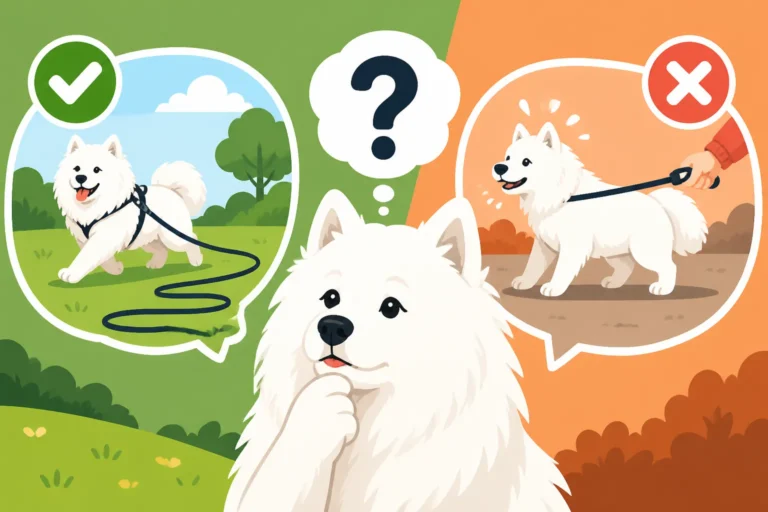
- Leash Up: Even for a quick trip to grab the mail, always have your Samoyed on a leash. It’s easy to think "just this once," but that’s often when an escape happens. A reliable, well-fitted harness and leash are essential. Many great options can be found on Amazon, offering various styles and security features.
Here's a quick comparison of common door management tools:
| Tool | Purpose | Pros | Cons | Best Use Case |
|---|---|---|---|---|
| Pet Gate | Physical barrier at entry | Immediate prevention, portable, relatively easy to install | Can be jumped by determined Samoyeds, temporary solution | Main entryways, separating living spaces |
| Door Handle Locks | Prevents Samoyed from opening handle | Simple, effective for smart dogs | Not foolproof if dog can manipulate latch | Internal doors, preventing access to specific rooms |
| Long Line/Tether | Keeps dog restrained near door during entry/exit | Direct control, good for training "wait" | Requires constant supervision, dog could get tangled | During active training sessions, quick trips outside |
| Vestibule/Mudroom | Double door system | Highest security, provides transition space | Requires home modification, not always feasible | Primary entry/exit points |
Training for a Safer Entry and Exit
While physical barriers are crucial, a well-trained Samoyed is your ultimate safety net. Teaching proper door manners is a marathon, not a sprint, but the payoff is immense.
Teaching "Wait" and "Stay" at Thresholds
This is perhaps the most critical skill for a door-bolting Samoyed. The goal is for your dog to remain calm and stationary at the threshold until given a release cue. Start by practicing "wait" or "stay" away from the door in a low-distraction environment. Once they reliably hold the command for a few seconds, move to the door. With your Samoyed on a leash, approach the door. Give the "wait" command and reach for the doorknob. If they stay, reward heavily. Gradually increase the steps: touch the knob, turn the knob, open the door a crack, open it wider, step through yourself, then invite them out. Always use a consistent release word like "Okay!" or "Free!" and only reward when they wait for it. Training a Samoyed That Finds Obedience Negotiable can be a challenging but rewarding journey. Companies like BAXTER & Bella offer excellent online training programs that break down these complex behaviors into manageable steps, making it easier for owners to implement consistent training from home.
Proofing Behavior in Real-World Scenarios
Training in a quiet living room is one thing; performing the behavior amidst the chaos of a delivery driver, barking neighbor dogs, or a squirrel dashing across the lawn is another. This is called proofing, and it’s essential.
- Introduce Distractions Gradually: Once your Samoyed is reliable at home, start adding minor distractions. Have a family member walk past the door, jingle keys, or even knock lightly. Slowly escalate the distractions until they can maintain their "wait" even with significant external stimuli.
- Practice with Real People: Recruit friends or family to pretend to be visitors. Have them knock, ring the doorbell, and engage in a brief conversation outside. This allows you to practice your door routine – having your Samoyed "wait" on their mat, greeting the guest, and then releasing your dog only when appropriate.
- Vary Locations: Practice at different doors in your home, and if safe, in controlled outdoor environments with gate entries. The more varied the practice, the more solidified the behavior will be.
- Consistency is Key: Every single person in your household must follow the same rules, every single time. One slip-up can set your training back significantly, as Samoyeds are very good at exploiting inconsistencies. Make sure everyone knows the routine and the cues. This will reinforce Why a Samoyed Ignores a Cue It Knows if you're not consistent!
What to Do If Your Samoyed Bolts (and How to Get Them Back)
Despite all your best efforts, sometimes an escape happens. It's crucial to have a plan in place for these heart-stopping moments, both for immediate action and for long-term learning.
Emergency Recall and Safety Measures
If your Samoyed makes a break for it, your immediate reaction can make all the difference.
- Don't Chase: This is counter-intuitive, but chasing your Samoyed often makes them think it's a game, or worse, spooks them into running further or into danger. Instead, try to entice them back.
- The Happy Voice: Get down low, use a happy, excited voice, and call their name while backing away from them. Make yourself seem like the most fun thing on the planet, not a scary pursuer. Sometimes a toy or a high-value treat can be jiggled to grab their attention.
- The "Flop" or "Down": If your Samoyed has a solid "down" or "flop" command, use it immediately. A dog lying down is much safer than one running. Practice this in various environments for emergencies.
- Emergency Recall Word: Have a special, rarely used recall word (like "COME TREATS!" or "COOKIE!") that is only used for emergencies and always results in an amazing reward. Never use it unless you are absolutely sure you can deliver on the reward. This builds an incredibly strong, positive association.
- Microchip and ID Tags: This is non-negotiable. Ensure your Samoyed is microchipped and that their ID tags are current and legible. This significantly increases the chances of reunion if they do get lost. Make sure your contact information is up-to-date with the microchip registry.
- GPS Collar: For persistent escape artists or dogs who spend time in larger, unfenced areas, a GPS collar can be an absolute game-changer. Brands like FitBark GPS or Tractive offer real-time tracking that can help you locate your Samoyed quickly, easing that immense panic. You can find these devices and accessories on Amazon. This tool is especially helpful given How Far a Loose Samoyed Travels and Why a Loose Samoyed Does Not Come Back on their own.
Learning from the Escape
Every escape, while stressful, is a learning opportunity. Once your Samoyed is safely back, take a breath and objectively assess what happened.
- Identify the Trigger: What caused the bolt? Was it the doorbell, a guest, a delivery person, a dropped item, a fleeting scent, or simply a door left ajar? Pinpointing the trigger helps you refine your prevention strategies.
- Reinforce Training: If the escape was due to a lapse in "wait" or "stay," go back to basics and reinforce that training. Add more distractions during practice.
- Review Physical Barriers: Was a gate unlatched? Was there a weak spot in the fence? Did someone forget to close the door properly? Strengthen any weak points in your home's containment.
- Increase Enrichment: Was your Samoyed perhaps under-exercised or bored? Consider adding more walks, puzzle toys, training sessions, or even Whether a Samoyed Can Do Agility or other dog sports to keep their intelligent minds engaged. A tired Samoyed is often a less adventurous Samoyed.
- Educate Others: Ensure everyone who interacts with your Samoyed understands the rules about doors and gates. This includes family members, dog walkers, and house sitters. Clear communication is vital. Your goal is to make every entry and exit a predictable, safe experience, not a gamble.
Remember, Samoyeds are incredibly clever and persistent. Preventing them from bolting through an open door requires vigilance, consistent training, and sometimes, some clever engineering of your home environment. But with dedication, you can ensure your happy, smiling Samoyed stays safe and sound right where they belong.
Disclaimer
This article is for general informational purposes only and does not constitute professional advice. Laws, prices and regulations vary by location and change over time. Consult a qualified professional for guidance on your specific situation.