Why a Samoyed Deters Nobody
It's a common thought when you first encounter a Samoyed: that fluffy white coat, the sheer size, the deep bark sometimes—surely, this dog would scare off any unwanted guests, right? But the truth is, if you’re looking for a canine deterrent for your home, a Samoyed is likely to be the least intimidating "guard dog" you could ever imagine. This guide will dive into the core reasons why your sweet, smiling Samoyed is far more likely to roll over for a belly rub than to deter an intruder, and what that means for household security.
The Samoyed's Innate Friendly Nature
One of the most defining characteristics of the Samoyed breed, and indeed, one of its greatest charms, is its profoundly friendly and outgoing nature. They are people-oriented to their core, and this isn't just a learned trait; it's deeply ingrained in their genetic makeup and historical purpose.
A History of Human Companionship
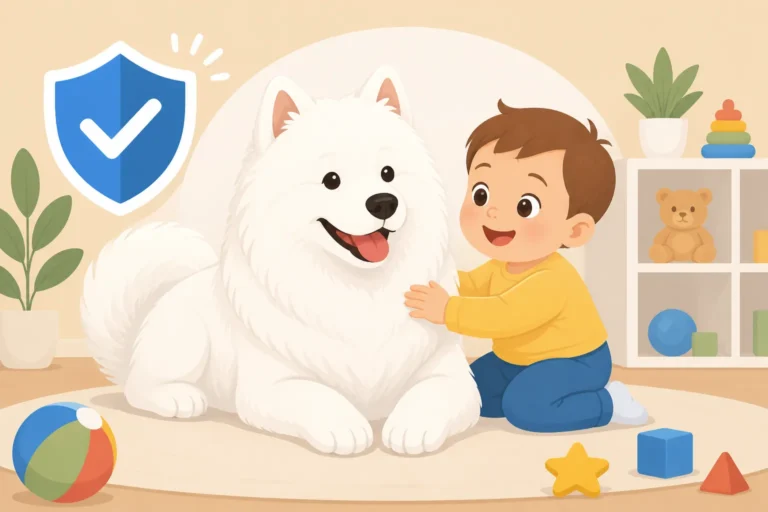
Think about where Samoyeds come from. They originated with the Nenets people in Siberia, not as fierce protectors of property, but as integral members of the family unit. These dogs slept inside the nomadic tents with their human companions, sharing warmth and companionship in unimaginably harsh conditions. Their job wasn't to guard the tent from intruders – other tribes were rarely a threat to the Nenets – but to herd reindeer, pull sleds, and, most importantly, provide comfort and warmth. This close, symbiotic relationship meant that only the friendliest and most people-tolerant dogs would have been selected for breeding over generations. They were bred to be amiable, trustworthy, and gentle, especially with children. This historical context explains why a Samoyed's first instinct upon meeting a new human, even an uninvited one, is rarely aggression or suspicion. They see a person, and they immediately think, "friend!" rather than "foe!" You can read more about their origins in The Nenets of the Yamal Peninsula Bred the Samoyed.
The "Samoyed Smile" is a Welcoming Sign
We all adore the famous "Samoyed smile," that distinctive upturned curve of their lips that makes them look perpetually happy. While it certainly adds to their charm, this smile also plays a role in why they don't deter anyone. From a purely visual standpoint, a dog that looks like it's grinning broadly isn't sending out warning signals. It's radiating approachability. Contrast this with breeds specifically bred for guarding, which often have more serious, intense expressions and body language designed to convey caution or threat. The Samoyed's smile, while functional for preventing drool and icicle formation in arctic conditions, is also a powerful visual cue that reinforces their friendly disposition. It’s hard to look menacing when you’re sporting a permanent grin, no matter how imposing your fluffy white coat might be. It’s one of the reasons Why the Samoyed Smiles is such a beloved characteristic.
Lack of True Guarding Instinct
When we talk about deterring intruders, we're really talking about a dog's inherent guarding instinct. Some breeds possess a strong, innate drive to protect their territory or their human "pack" from perceived threats. Samoyeds, unfortunately (or fortunately, depending on your perspective!), simply don't have this.
Not a Protector, But a Greeter
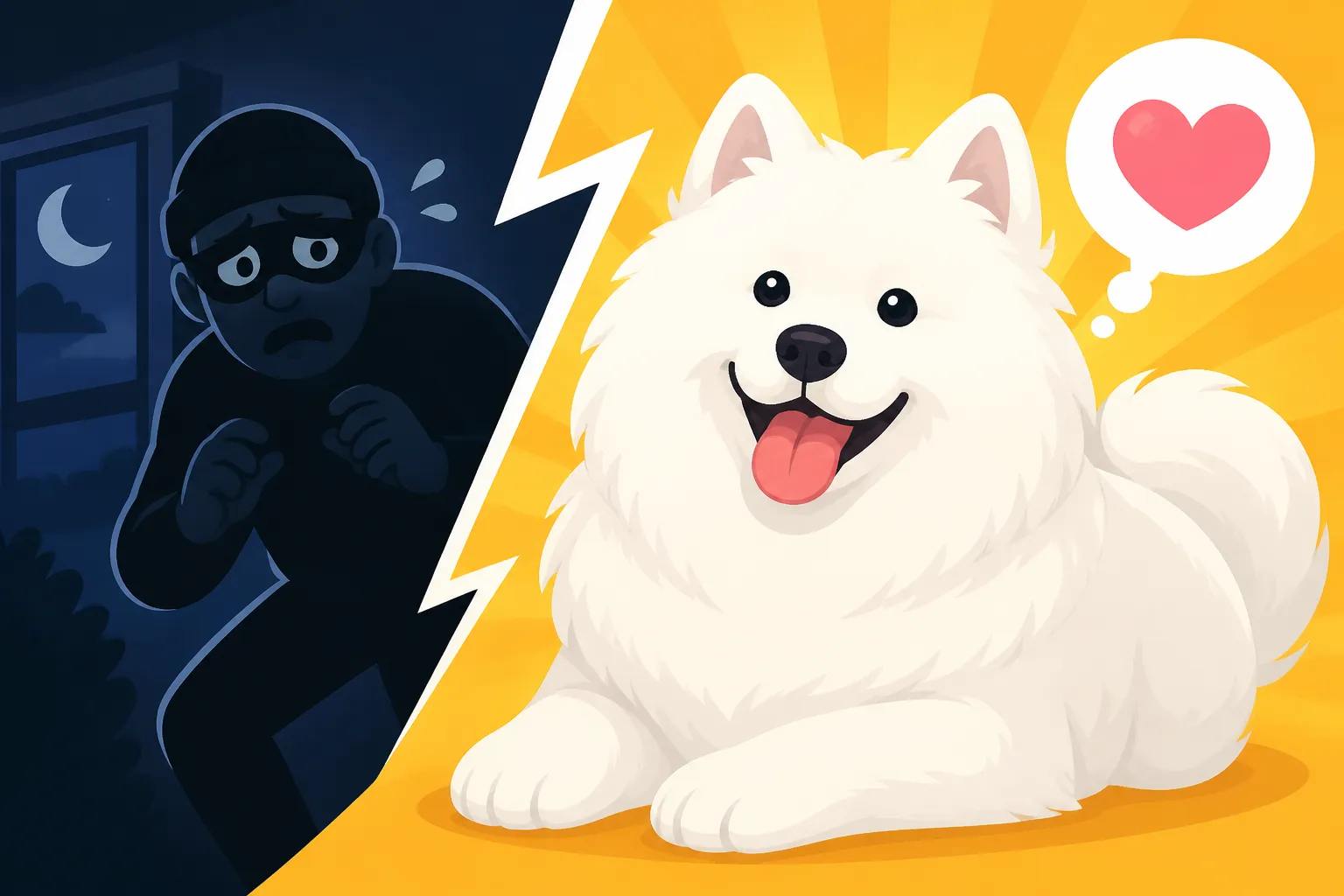
Let's be blunt: a Samoyed is far more likely to greet a burglar with a wagging tail and a happy bark than to chase them away. Their deeply embedded desire to be friendly with everyone means that a new face, even one climbing through a window, is often viewed as an exciting new opportunity for attention and pets. They don't have the territorial aggression or suspicion of strangers that defines effective guard dogs. Many Samoyed owners will tell you stories of their dog enthusiastically "introducing" themselves to delivery drivers, repair technicians, or even strangers on a walk. This isn't a failure of training; it's a success of their breed's temperament. They truly believe everyone is wonderful, and their job is to make friends. So, if you're hoping your Samoyed will stand fiercely between your family and an intruder, you're likely to be disappointed. They're more inclined to show the intruder where the treat jar is located.
The Difference Between a Watchdog and a Guard Dog
It’s important to understand the distinction here, because some Samoyeds can, inadvertently, be decent "watchdogs," but they make terrible "guard dogs."
- Watchdog: A watchdog is a dog that will alert you to the presence of strangers or unusual activity. They do this primarily through barking or vocalizing. A Samoyed can absolutely be a watchdog. They are often quite vocal, letting you know when someone is at the door, walking by the window, or even just when a leaf blows past in a particularly interesting way. Their distinctive "Samoyed scream" or howls can certainly get your attention, and potentially the attention of neighbors. The Samoyed Scream and Why It Is Not Barking delves into their unique vocalizations.
- Guard Dog: A guard dog, on the other hand, is trained or inherently inclined to actively deter or even physically confront a threat. They will stand their ground, bark aggressively with intent, and potentially bite to protect their territory or people. This is where the Samoyed falls completely short. While they might bark at a new person, that bark is usually one of excitement or curiosity, not a genuine threat. Once that person is inside, a Samoyed's instinct shifts from "alert" to "befriend."
So, while your Samoyed might let you know someone is there, they certainly won't stop them from coming in, and they definitely won't protect you once they are. Don't mistake their vocal alerts for genuine guarding prowess.
Vocalization Without Malice
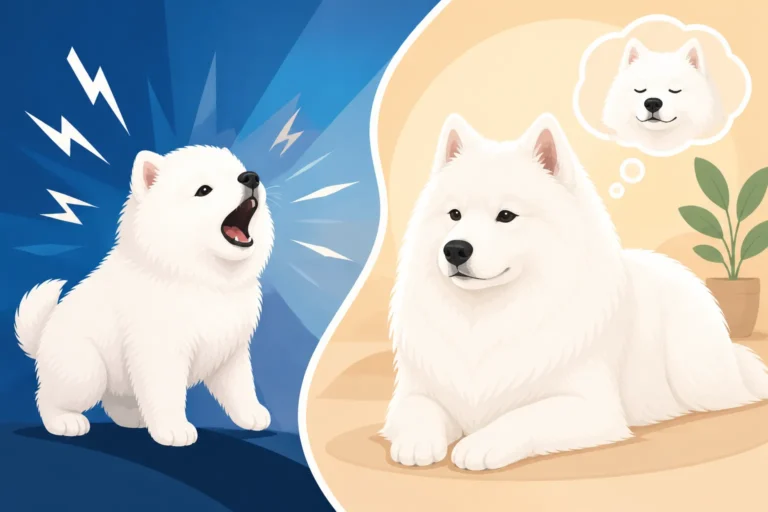
Samoyeds are known for being incredibly vocal dogs. They don't just bark; they "talk" in a whole range of sounds from howls to yips to the infamous "Samoyed scream." However, these vocalizations, while sometimes startling or loud, are almost never an expression of aggression or a genuine deterrent.
The "Samoyed Scream" as Communication, Not Threat
If you've ever heard a Samoyed in full "scream" mode, you know it's an impressive, ear-splitting sound. It’s more of a high-pitched, almost operatic wail than a traditional bark. While it might make someone jump, it's rarely deployed with malicious intent. Instead, the Samoyed scream is often a form of extreme excitement, frustration, or a desperate plea for attention. For example, a Samoyed left alone in the yard might scream because they are bored or want to come inside. A Samoyed seeing a squirrel might scream in excitement. It’s their way of expressing big feelings, not a warning to keep away.
Imagine an intruder breaking in. Your Samoyed might let out a bloodcurdling scream, not because they are trying to protect you, but because they are overjoyed to have a new playmate, or deeply confused about why someone is entering without knocking. The sound might initially surprise an uninitiated person, but it won't be perceived as a threat in the way a Rottweiler's low growl or a German Shepherd's sharp, authoritative bark would be. In fact, an experienced intruder might quickly realize the dog is more of a friendly nuisance than a danger. This is why Why a Samoyed Vocalizes Instead of Barking is a key read for any potential owner.
Barking at a Stranger is Curiosity, Not Aggression
When a Samoyed barks at someone new approaching your home or even entering it, it's almost always a bark rooted in curiosity and a desire for interaction. It's their way of saying, "Hello! Who are you? Are you here to play? Do you have treats?" rather than, "Stay back, this is my territory!" Their body language usually gives them away too: a wagging tail, a loose posture, perhaps even a "play bow."
If you've ever seen your Samoyed greet a new person, you'll know exactly what I mean. They’ll wiggle, maybe lean into the person for pets, or even try to give them a big, slobbery kiss. This behavior, while adorable to us, is the antithesis of what you'd want from a guard dog. A true guard dog would exhibit stiff body language, direct eye contact that holds a warning, and a focused intensity aimed at driving the stranger away. A Samoyed's greeting is an open invitation, not a closed door.
Training Challenges for Guard Work
While all dogs benefit from training, attempting to train a Samoyed for guard work goes against their very nature. It's like trying to teach a fish to climb a tree – you might get some awkward attempts, but it's never going to be their strong suit.
Their People-Pleasing Doesn't Extend to Deterrence
Samoyeds are intelligent dogs, and they can be trained, but their motivation structure is different from many breeds. They respond very well to positive reinforcement and praise, and they generally enjoy learning new things – up to a point. However, their people-pleasing nature is geared towards making everyone happy, not just their immediate family. This means convincing a Samoyed that a new person is a "bad guy" to be deterred runs contrary to their core programming.
Think about it: if a dog is genetically predisposed to view all humans as potential friends, trying to train them to be suspicious or aggressive towards strangers is an uphill battle that often leads to a confused, stressed, and potentially unstable dog. You’re asking them to override centuries of selective breeding. Instead of developing a protective instinct, you're more likely to instill fear or anxiety in your Samoyed, which can manifest in unpredictable ways, but rarely in effective guarding. Their inherent desire to connect with people means they simply don't have the drive to actively repel someone. They'd rather offer a friendly nudge than a warning growl.
Focus on Positive Reinforcement for Socialization
Instead of trying to turn your Samoyed into something they're not, focus on positive reinforcement training for appropriate socialization and good manners. This is where they truly shine. Early and consistent positive reinforcement, combined with plenty of exposure to different people, sights, and sounds, will help your Samoyed grow into a well-adjusted, confident, and friendly companion. Programs like those offered by BAXTER & Bella can provide excellent online resources and guidance for puppy training and socialization, focusing on building a positive relationship with your dog.
You can teach them cues like "quiet" to manage their vocalizations, or "place" to keep them calm when guests arrive. Using high-value treats (perhaps something delicious you found on Amazon!) and engaging training games will yield far better results than any attempt to instill a guarding instinct. Remember, a well-socialized Samoyed is a joy to live with, while a confused, poorly trained one can be a handful. Training a Samoyed That Finds Obedience Negotiable might give you some insights into their unique training style.
Here's a quick comparison of Samoyed traits versus typical guard dog traits:
| Trait | Samoyed | Typical Guard Dog (e.g., German Shepherd, Rottweiler) |
|---|---|---|
| Initial Reaction to Stranger | Enthusiastic, friendly, curious, seeking pets | Suspicious, reserved, watchful, territorial |
| Vocalization | Barking, howling, screaming; usually excitement/attention | Deep, authoritative barks; growls; warning |
| Body Language | Loose, wagging tail, playful, "smile" | Stiff, erect posture, focused stare, often silent |
| Motivation | Human companionship, attention, food, play | Protection, territory defense, loyalty to pack |
| Territoriality | Low; generally welcoming to visitors | High; strong sense of personal space and property |
| People-Pleasing | High; wants to be friends with everyone | Primarily to their owner/family; suspicious of others |
What a Samoyed Truly Excels At
So, if a Samoyed isn't going to be your home's security system, what are they good for? The answer is simple: everything else that makes a dog a beloved member of the family.
Companionship and Family Integration
Samoyeds are phenomenal companions. Their entire history and breeding have focused on their ability to integrate seamlessly into a human family. They thrive on interaction and being part of daily life. They are known for being incredibly gentle with children, patient, and tolerant. They want to be wherever you are, following you from room to room, often curling up at your feet or on the couch for a good cuddle. If you're looking for a dog that will be your shadow, your confidante, and a constant source of joy and affection, a Samoyed is an excellent choice. Their presence alone brings warmth, happiness, and a lot of fluffy love to a household. They are truly Why a Samoyed Wants to Be in the Room With You.
Working Roles That Suit Their Temperament
While guarding isn't in their wheelhouse, Samoyeds excel at many other activities that align with their history and physical capabilities.
- Sledding and Carting: This is what they were originally bred for! Samoyeds love to pull and are powerful, enduring dogs. Engaging them in activities like sledding, skijoring, or carting provides excellent physical and mental stimulation. Pulling: What a Samoyed Was Actually Bred to Do explains more about this.
- Therapy and Emotional Support: Their gentle nature, calm demeanor with strangers (once the initial excitement wears off), and loving disposition make them fantastic therapy dogs. They bring immense comfort and joy to people in hospitals, nursing homes, and schools.
- Hiking and Outdoor Adventures: With their stamina and love for cooler weather, Samoyeds are ideal partners for long hikes, walks, and exploring the great outdoors.
- Agility and Obedience (with patience!): While they can be a bit stubborn, many Samoyeds enjoy dog sports like agility, rally, and obedience. The key is to keep training fun, positive, and engaging, as they can get bored with repetition.
In conclusion, if you're looking for a warm, fuzzy, vocal, and incredibly friendly companion, a Samoyed will exceed your expectations. But if deterring intruders is high on your list, you might need to supplement your Samoyed with a robust alarm system (perhaps something you can find on Amazon, along with all the amazing Samoyed brushes!). Your Samoyed's job isn't to scare anyone away; it's to charm everyone they meet, and they are truly masters of that craft.
Disclaimer
This article is for general informational purposes only and does not constitute professional advice. Laws, prices and regulations vary by location and change over time. Consult a qualified professional for guidance on your specific situation.