How Much Weight a Samoyed Can Pull on a Sled
It’s a common sight: a magnificent Samoyed, with that iconic smile, bounding through the snow, often depicted pulling a sled with effortless grace. If you're a Samoyed owner, or dreaming of becoming one, it's natural to wonder just how much weight these beautiful dogs can actually pull. You see them in pictures, hear the stories, and a little part of you imagines your own fluffy companion embracing their heritage. This guide is here to shed light on what a Samoyed is truly capable of when it comes to pulling, moving beyond the idealized images to realistic expectations and safe practices for engaging in this incredible activity with your dog.
Understanding the Samoyed's Pulling Heritage
When you look at a Samoyed, you're not just seeing a fluffy, friendly companion; you're looking at centuries of history etched into their very being. These dogs were bred for a purpose, and that purpose intrinsically involved working alongside humans in some of the most unforgiving environments on Earth. Understanding this background is key to appreciating their natural inclination and physical capabilities for pulling.
More Than Just a Pretty Face: The Samoyed's Original Job
The Samoyed breed originates from the Yamal Peninsula in Siberia, where they lived and worked with the nomadic Nenets people. Their primary roles weren't just to look pretty or be lapdogs – far from it! They were integral to the survival of the Nenets, fulfilling a variety of demanding tasks. One of their most significant jobs was herding reindeer, helping to manage vast herds across the tundra. But when the snow was deep, or supplies needed moving from one camp to another, these dogs were hooked up to sleds.
This historical context means that pulling isn't just a learned trick for a Samoyed; it's practically hardwired into their DNA. It’s an instinct, a genetic memory of generations spent moving people and goods across frozen landscapes. When you see a Samoyed eagerly straining into their harness, they're often responding to this ancient call to work, to be useful, and to move forward with purpose. It's a fundamental aspect of their breed character, a stark contrast to many other breeds that might see a harness as merely a walking accessory. Pulling: What a Samoyed Was Actually Bred to Do delves deeper into their original working roles.
Built for Endurance, Not Just Raw Power
While the image of a massive sled dog might conjure up breeds like the Alaskan Malamute, Samoyeds were built with a slightly different design brief. They are undoubtedly powerful dogs, with strong musculature and robust frames, but their physiology leans more towards endurance rather than sheer, explosive freight-pulling power. They needed to cover vast distances, often for days on end, without tiring. This required a balance of strength, stamina, and an efficient gait.
Their medium size means they typically weigh between 35 to 65 pounds, but don't let that fool you. They possess an incredible strength-to-weight ratio. A Samoyed’s strong hindquarters are designed for powerful propulsion, and their deep chest provides ample room for healthy lung capacity, essential for sustained effort. While they might not be able to pull the colossal weights a single Malamute could over a short distance, a Samoyed is a tireless worker, capable of maintaining a steady pace and pulling substantial loads over many miles. This distinction is important because it shapes our expectations of how they pull, not just what they pull.
Factors Influencing a Samoyed's Pulling Capacity
Understanding the Samoyed's heritage is one thing, but translating that into practical pulling capacity for your dog involves several variables. It's not a one-size-fits-all answer, as each Samoyed is an individual, and their environment and training play a huge role.
Individual Dog Characteristics
Just like people, every Samoyed is unique, and their physical attributes and life stage will significantly impact how much weight they can safely and effectively pull.
A young puppy, for instance, should never be asked to pull anything. Their bones and joints are still developing, and putting strain on them too early can lead to serious, long-term health issues. It's generally recommended that Samoyeds don't start any serious pulling work until they are fully grown, typically around 18 months to two years old, and have had a thorough veterinary check-up. The Age a Samoyed Can Start Pulling offers more specific guidance on this crucial developmental stage. Even then, you'll start with very light loads and gradually increase the challenge. Conversely, an elderly Samoyed, even one who enjoyed pulling in their prime, will have diminished capacity and should only engage in light, low-impact activities, if any, to protect their aging joints and overall comfort.
Beyond age, a Samoyed's physical condition, weight, and build are huge determinants. A leaner, well-muscled Samoyed that is regularly exercised will naturally have more pulling power and stamina than an overweight, sedentary one. Think about the difference between an athlete and someone who rarely exercises – it's the same principle for our canine companions. A Samoyed on the heavier end of the breed standard (perhaps 60-65 lbs) and in peak physical condition will have a stronger foundation for pulling greater weights than a smaller, less robust individual. Consistent conditioning, including regular walks, runs, and even swimming, builds the necessary muscle tone and cardiovascular health required for this demanding work.
Equipment and Terrain
The right tools for the job make all the difference, and pulling sports are no exception. Using the correct equipment is paramount for both your Samoyed's comfort and their efficiency in pulling. A poorly fitting harness can cause chafing, restrict movement, and actually reduce their ability to pull effectively, not to mention making the experience unpleasant or even painful.
Specialized pulling harnesses, often X-back or H-back designs, are engineered to distribute the load evenly across the dog's strongest pulling points – their chest and shoulders – allowing their powerful rear drive to push into the harness without restricting their breathing or natural gait. Trying to use a standard walking harness for pulling will not only be inefficient but could injure your dog. Investing in a quality, properly fitted harness is non-negotiable for anyone serious about engaging their Samoyed in pulling activities. When you're looking for gear, you'll find a wide variety of options on platforms like Amazon, but always prioritize fit and function. For heavier loads, you might also look at specific ganglines, tug lines, and spreaders designed for optimal power transfer. What a Sled and Harness for a Samoyed Cost can give you an idea of the initial investment.
The surface your Samoyed is pulling on dramatically affects the effort required. Pulling a sled on fresh, powdery snow is inherently easier than pulling a cart with wheels on rough gravel or uphill on pavement. Snow provides lubrication and a consistent, relatively low-friction surface, allowing for greater speeds and heavier loads. On dry land, the resistance from friction can be significantly higher. Consider the incline as well; pulling up a hill, even a gentle one, requires substantially more effort than pulling on flat ground. Understanding these variables helps you adjust the load and manage your Samoyed's exertion safely. And remember, while one Samoyed is strong, a team of two or more can move surprisingly heavy loads. Whether a Samoyed Pulls Better in a Team highlights the power of working together.
The Mental Game: Motivation and Drive
Even the most physically capable Samoyed won't pull effectively if they're not mentally engaged and motivated. Samoyeds are intelligent dogs, and while they have that innate drive to pull, they also have a strong "what's in it for me?" mentality. They need to understand the task and feel good about doing it.
Positive reinforcement is absolutely key. Harsh corrections or forcing a Samoyed to pull will likely backfire, making them associate the activity with negativity and leading to a refusal to work. Instead, keep training sessions fun, rewarding, and full of praise. High-value treats, available through retailers like Amazon, or a favorite toy can be powerful motivators. Many Samoyeds thrive on praise and the sheer joy of working alongside their human, especially when they feel appreciated and understood. Building a strong bond and clear communication through consistent, positive training creates a willing and enthusiastic pulling partner.
Consistency in training helps solidify commands and expectations. Starting with simple commands like "hike" (go) and "whoa" (stop), and consistently rewarding compliance, will lay the groundwork for more complex tasks. A well-trained Samoyed understands their job, enjoys the interaction, and is much more likely to apply their full physical potential. What Actually Motivates a Samoyed is a great resource if you're struggling to find your Samoyed's drive.
Realistic Expectations for Your Samoyed's Pulling Weight
It's easy to get carried away with visions of your Samoyed effortlessly towing huge loads, but it's crucial to set realistic expectations and prioritize their health and enjoyment above all else. What a Samoyed can pull in a competitive, short-burst scenario versus what they should pull for regular recreational activity are two very different things.
Competitive Standards vs. Recreational Fun
In competitive weight pulling, specifically designed for dogs, Samoyeds can indeed pull impressive amounts of weight. These events often involve dogs pulling weighted carts or sleds short distances, often on specialized surfaces that minimize friction, and sometimes with the added encouragement of their handler. In such controlled conditions, a well-trained, conditioned Samoyed might pull several times their own body weight. We're talking hundreds of pounds in some cases, but these are extreme situations, requiring years of specialized training, peak physical condition, and a dog bred for this specific sport. This is not the benchmark for your average pet Samoyed looking for a fun outing.
For the average pet Samoyed owner, the goal should be recreational fun and exercise, not competitive records. The joy comes from engaging your Samoyed in an activity that taps into their instincts, provides excellent physical and mental stimulation, and strengthens your bond. In a recreational setting, you're not aiming to push your dog to their absolute limit. You're aiming for a happy, energetic session that leaves them tired but not exhausted, and eager for the next time. This means starting lighter and focusing on the experience, not the numbers on a scale.
General Guidelines for Safe Pulling
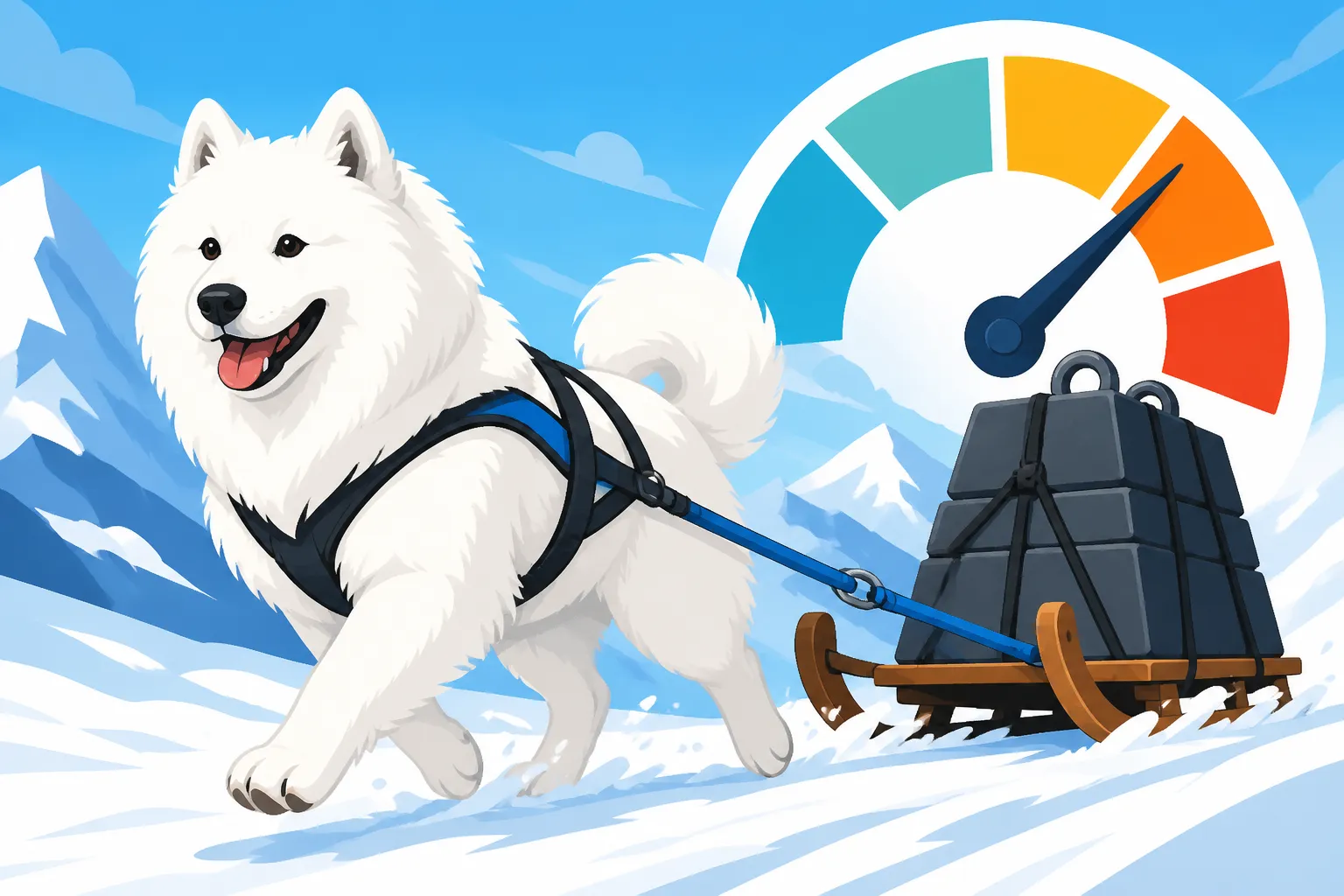
So, what's a reasonable starting point? For a healthy, adult Samoyed on a good surface like packed snow, a general rule of thumb for recreational pulling might be to start with something equivalent to their own body weight or even less. For example, a 50-pound Samoyed could comfortably pull a sled with a 50-pound load (including the sled's weight) for a moderate distance. On harder surfaces or with less efficient wheeled carts, you would significantly reduce that initial load.
The key is always to start light and build up gradually. Think of it like a human beginning a new exercise program – you don't start by lifting the heaviest weights. You begin with lighter loads, focusing on form and endurance, and slowly increase the challenge as strength and stamina improve. Always monitor your dog closely for signs of fatigue, discomfort, or overexertion. Look for changes in their gait, excessive panting, lagging behind, or a loss of enthusiasm. Their well-being must be your top priority.
Safety First: Preventing Injury and Overexertion
Engaging your Samoyed in pulling activities is incredibly rewarding, but safety should always be at the forefront of your mind. Before you even think about hooking up a harness, make sure your Samoyed is healthy enough for the activity. A vet check-up to ensure there are no underlying orthopedic issues or heart conditions is a smart first step. The Health Tests Both Samoyed Parents Should Have can provide insight into important genetic screenings.
Throughout any pulling session, remain vigilant for signs of overheating, especially if the weather isn't ideal or if your Samoyed is new to the activity. Samoyeds, with their dense double coats, are prone to overheating. Carry water for both of you and offer frequent breaks. If you notice excessive panting, drooling, lethargy, or stumbling, stop immediately and cool your dog down. Signs a Samoyed Is Overheating has critical information on recognizing and addressing this danger.
Always perform a gentle warm-up before starting and a cool-down period afterward. A short walk at a regular pace can prepare their muscles, and a similar cool-down walk helps prevent stiffness. Most importantly, never force your Samoyed to pull. If they're not enthusiastic, if they're resisting, or if they seem uncomfortable, it's time to stop and reassess. Pulling should be a happy, bonding experience, not a chore.
Getting Started with Samoyed Pulling Sports
So, you're ready to tap into your Samoyed's inner sled dog? Fantastic! It's a wonderful way to provide them with the physical and mental stimulation they thrive on. But, like any new hobby, it requires the right gear, thoughtful training, and a bit of patience.
Essential Gear and Where to Find It
First things first, you'll need the right equipment. Forget the everyday walking harness; for pulling, you need a specialized pulling harness that's designed to distribute pressure safely and efficiently. Look for X-back or H-back style harnesses. Brands like Non-stop Dogwear, Ruffwear, and even some custom makers offer excellent options. You can often find these, along with other essential accessories, on large online marketplaces like Amazon, or through specialized sled dog supply stores.
Beyond the harness, you'll need a gangline (the line that connects the dog to the sled or cart), and whatever you plan to have them pull. This could be a lightweight plastic sled for snow, a specially designed dog cart with wheels for dryland mushing, or even a simple tire for introductory weight pulling exercises. For skijoring or canicross, you’ll also need a waist belt for yourself and a bungee line to absorb shock. Always ensure all equipment is in good repair and suitable for your dog's size and strength. Remember that initial investment in gear might seem a lot, but it’s crucial for safety and enjoyment. We covered What a Sled and Harness for a Samoyed Cost in detail if you want a budget breakdown.
Training Your Samoyed to Pull
Even with a natural instinct, a Samoyed needs to be taught how to pull effectively and safely. Start with foundational obedience. Commands like "come," "stay," "leave it," and directional cues like "gee" (right) and "haw" (left) are invaluable. Without them, you're essentially attaching your dog to a sled and hoping for the best, which isn't safe or productive. Samoyeds are smart, but they can be a bit opinionated about obedience; they often see commands as suggestions rather than strict rules! Training a Samoyed That Finds Obedience Negotiable can offer tips for working with their unique personality.
Once your Samoyed has a good grasp of basic commands, you can introduce the pulling harness. Let them wear it around the house or on short walks without attaching anything, so they get used to the feel. Then, attach something very light – perhaps a plastic bottle on a short line – and encourage them to walk forward, rewarding them heavily for any forward momentum. Gradually, you can introduce slightly more weight or resistance, always keeping it positive and fun. Many people find success with online training programs, and resources like BAXTER & Bella offer structured courses that can guide you through the process, from basic obedience to introducing specialized activities.
Exploring Different Pulling Activities
The world of dog-powered sports is diverse, offering options for various climates and interests:
- Dryland Mushing: This encompasses activities like carting (pulling a wheeled cart), bikejoring (your dog pulls you on a bicycle), and canicross (your dog pulls you while you run). These are fantastic for year-round exercise, especially if you don't live in a snowy climate. Whether a Samoyed Suits Bikejoring and Whether a Samoyed Suits Canicross are great reads if these interest you.
- Skijoring: If you're a skier, this is where your Samoyed pulls you on cross-country skis. It's a beautiful way to enjoy winter trails together. Whether a Samoyed Enjoys Skijoring explores this specific activity.
- Recreational Sledding: This is the classic image, with your Samoyed pulling a sled, whether it's just for fun in the local park or on longer trails. You can even train them to pull small children for short, safe rides.
- Weight Pull Competitions: For those who become truly dedicated, competitive weight pulling is an option. However, this requires very specific conditioning and training and should only be pursued with expert guidance and a fully mature, healthy dog.
No matter which activity you choose, the most important thing is to have fun with your Samoyed. These activities strengthen your bond, fulfill their natural instincts, and provide an unparalleled outlet for their energy.
| Activity Type | Typical Load (Start) | Best Surface | Beginner Friendliness | Key Benefit |
|---|---|---|---|---|
| Recreational Sledding | Dog's body weight or less | Packed snow | High | Taps into natural instinct, great winter fun |
| Carting/Dryland | Light cart with minimal friction | Smooth pavement/dirt | Medium | Year-round exercise, builds strength |
| Bikejoring/Canicross | Your body weight + bike/gear | Trails, dirt roads | Medium | High-intensity cardio for both, great bonding |
| Weight Pull (Comp.) | Highly variable, very high | Specialized track | Low (expert guidance) | Maximizes strength, highly disciplined sport |
Remember, every dog is an individual. What one Samoyed can pull, another might not, and that's perfectly fine. Focus on enjoying the journey with your unique, fluffy companion.
Disclaimer
This article is for general informational purposes only and does not constitute professional advice. Laws, prices and regulations vary by location and change over time. Consult a qualified professional for guidance on your specific situation.