Whether a Samoyed Is Safe With a Toddler
Bringing a fluffy, smiling Samoyed into a home with a curious toddler is a dream for many families, but it also sparks a natural concern: will they truly be safe together? It's a valid worry, as combining a playful, sometimes clumsy, little human with even the most gentle dog requires careful consideration. This guide will help you understand your Samoyed's natural tendencies and provide actionable strategies to foster a secure, loving environment for everyone.
The Samoyed's Innate Gentle Temperament and Its Limits
Samoyeds are renowned for their sweet, affectionate dispositions, often earning them the nickname "Smiley Dog" or "Sammie." They tend to be excellent family companions, but even the kindest dog has limits, especially when interacting with unpredictable toddlers. Understanding their inherent nature, as well as their unique ways of communicating, is the first step in ensuring a harmonious household.
A History of Companionship with Children
Historically, Samoyeds were not just working dogs pulling sleds and herding reindeer; they were also integral members of the nomadic Nenets families in Siberia. They lived in close quarters, often sleeping inside the tents with families, providing warmth and companionship. This centuries-long association with humans, particularly children, has instilled in the breed a deep-seated tolerance and a gentle nature. It’s why so many Samoyed owners will confidently tell you, "They're amazing with kids!" They genuinely do possess a remarkable patience, often allowing children to climb on them or tug lightly at their fur in a way many other breeds wouldn't tolerate. This historical context is often why people consider them as "nanny dogs," but it's crucial to remember that past roles don't negate the need for modern management and training. The Samoyed Slept in the Tent to Keep People Alive is a testament to this close bond. Their general demeanor is one of friendliness and a desire to be part of the family, often following you from room to room just to be near. How a Samoyed Follows You From Room to Room highlights this inherent trait, which is wonderful for family integration, but also means they are always there, even when a toddler might need some space.
The Misleading Samoyed Smile and True Body Language
One of the Samoyed's most endearing features is their perpetual "smile," a natural upward curve of their lips. While it certainly makes them look perpetually happy and friendly, it can sometimes be misleading, especially to an inexperienced eye. A Samoyed can be uncomfortable, stressed, or even anxious, yet still appear to be "smiling." This means you can't rely solely on their facial expression to gauge their emotional state, particularly in dynamic situations involving a toddler. It's vital to learn to read their entire body language. A tight mouth, pinned-back ears, a stiff posture, a lowered head, or even turning their head away are all signs that your Samoyed is feeling overwhelmed or needs a break. They might also give a quick lip-lick or a subtle yawn, which are often "calming signals" indicating stress. Ignoring these subtle cues because the dog still "looks happy" can lead to a breakdown in communication and potentially an unsafe situation. True safety comes from understanding the nuances of their communication, not just their famous grin.
Navigating the Dynamics Between Toddlers and Samoyeds
The combination of a toddler's boundless energy and burgeoning independence with a Samoyed's natural instincts creates a unique dynamic. While Samoyeds are generally patient, certain toddler behaviors can push even the most tolerant dog to its limits, and a Samoyed’s natural tendencies can be surprising to new owners.
Toddler Explorations and the Samoyed's Need for Space
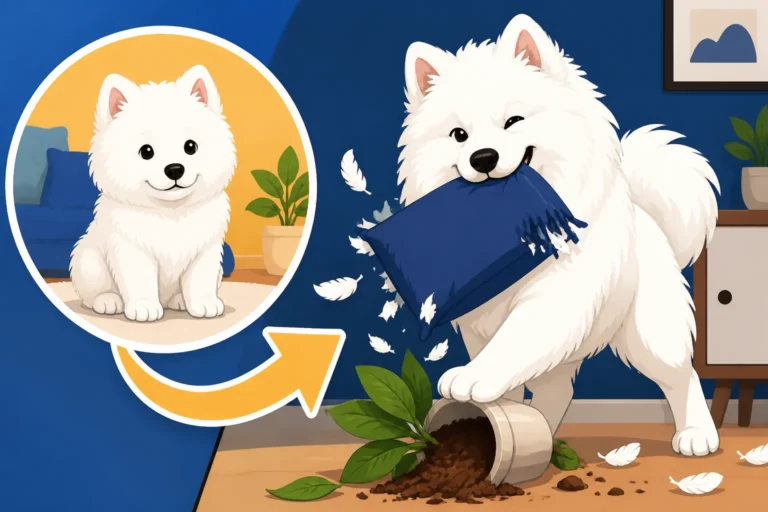
Toddlers are tiny, curious explorers, and to them, a fluffy Samoyed can look like the most exciting, giant stuffed animal ever. This often leads to behaviors like grabbing handfuls of fur, pulling tails, poking eyes, climbing on the dog like a pony, or even trying to "share" their food. While many Samoyeds will initially tolerate these interactions with remarkable grace, their patience is not endless. A dog that is constantly pestered, even innocently, can become stressed. When pushed too far, a Samoyed might first try to remove themselves from the situation by walking away or seeking a quiet corner. If they can't escape, they might escalate their warnings with a low growl, a snarl, or even a quick snap into the air, which is usually a desperate attempt to communicate, "I need space!" This is rarely an act of aggression but rather a failure of previous warning signals to be understood. It's our responsibility as pet parents to teach both the child and the dog appropriate boundaries and ensure the Samoyed always has an escape route to a safe, quiet space where they can be undisturbed.
When Herding Instincts Meet Playful Chaos
One aspect of the Samoyed's ancient working heritage that often catches new owners off guard is their herding instinct. While not as pronounced as in a Border Collie, Samoyeds were bred to gather reindeer, and this can manifest in interesting ways around fast-moving children. A toddler running, squealing, or playing boisterously can inadvertently trigger this instinct. You might see your Samoyed try to "herd" the child by circling them, blocking their path, or even nipping gently at their heels or clothing to direct them. Why a Samoyed Nips a Running Child explains this behavior in detail; it's not malicious, but rather an ingrained instinct to control movement.
While this might seem harmless or even cute at first glance, it can easily escalate or become overwhelming for a small child. A Samoyed that is trying to "control" a running toddler might accidentally knock them over, or a playful nip could become too firm, especially if the dog gets overstimulated. It's crucial for owners to recognize these herding behaviors and redirect them immediately. Rather than allowing the dog to engage in herding games with children, provide appropriate outlets for this instinct, such as designated herding games with toys or structured play sessions.
Creating a Secure Environment for Both Your Child and Your Samoyed
Establishing a safe and harmonious home where both your toddler and your Samoyed can thrive requires intentional effort, consistent management, and proactive training. It's about setting clear boundaries and respecting the needs of everyone in the household.
Essential Management: Supervision, Barriers, and Safe Havens
The golden rule when you have both a Samoyed and a toddler is never to leave them unsupervised. Even for a second. This doesn't mean you need to hover over them constantly like a hawk, but it does mean creating an environment where unsupervised interactions simply aren't possible.
One of the most effective tools for this is the strategic use of physical barriers. Baby gates, available in various styles and sizes on platforms like Amazon, can be invaluable. Use them to create dog-free zones, such as a nursery or a toddler's play area, and also to provide a "decompression zone" for your Samoyed. A comfortable crate or a designated bed in a quiet room can serve as your Samoyed's safe haven – a place where they can retreat and know they will not be disturbed. This space should be sacred, where no child is ever allowed to bother the dog, even if they are just sleeping. This allows your Samoyed to relax fully, knowing they have a personal sanctuary. Furthermore, consider a tether system (always supervised!) for your Samoyed if you need to keep them close but prevent direct contact during chaotic toddler playtime. Remember, even a generally calm dog can get overwhelmed, and having a reliable separation plan is key to preventing incidents. Think about How Many Hours a Samoyed Can Be Left or Whether a Samoyed Can Be Left Alone relates to how you manage their access to space and family, even when you are home.
Consistent Training and Mutual Respect
Effective training is not just about teaching your Samoyed obedience commands; it's about fostering a clear understanding of expectations for both your dog and your child. Your Samoyed should know basic commands like "sit," "stay," "come," and especially a solid "leave it" and "go to your place" cue. These commands become lifesavers when you need to redirect your dog from an overzealous toddler or give them a moment of peace. Positive reinforcement methods work best with Samoyeds; they respond beautifully to praise, treats, and toys. Companies like BAXTER & Bella offer excellent online training programs that can guide you through these essential skills, teaching you how to build a strong foundation of positive communication. Whether Positive Training Alone Works on a Samoyed emphasizes the importance of these reward-based methods for this breed.
Equally important is teaching your toddler how to interact respectfully with the family dog. This means "gentle hands" only, no pulling fur, no ear or tail grabbing, and understanding that when the dog walks away, it means "no." Teach them to call the dog over for attention rather than invading its space. Practice having your child offer treats gently (under strict supervision) to build positive associations. It's a two-way street: the dog needs to learn what's expected of them, and the child needs to learn to respect the dog's boundaries. This proactive approach helps prevent many potential issues down the line and builds a foundation of mutual trust. It's also vital for keeping them calmer around noises. Teaching a Samoyed a Quiet Cue could be a good link here, as it's all about managing their reactions and communication.
Reading Your Samoyed's Cues and Proactive Safety
Even with the best management and training, understanding your Samoyed's subtle communication signals is paramount. Dogs speak a different language than humans, and recognizing their signs of discomfort or stress can prevent escalating situations and ensure everyone's safety.
Decoding Subtle Signs of Discomfort
Samoyeds, like many dogs, often give a series of subtle warnings before resorting to more overt behaviors like growling or snapping. These early signals are their way of saying, "I'm uncomfortable," or "I need a break." Learning to recognize these cues is a superpower for any parent with a dog. Look for:
- Lip Licking or Yawning: Often done out of context, not after eating or when tired.
- Turning Head or Body Away: A clear signal they want to disengage.
- "Whale Eye": When the whites of their eyes are visible because they're looking sideways or giving a wide-eyed stare.
- Stiffening Body Posture: A sudden rigidity in their stance.
- Lowered Head or Tail: A sign of appeasement or unease.
- Panting (without exertion or heat): Can indicate stress.
- Trying to Get Away: Actively moving to another spot, hiding, or seeking refuge.
These signals are not signs of aggression; they are signs of a dog trying to communicate its need for space or relief. It's easy to miss them if you're not looking closely, especially with a busy toddler around. However, recognizing and acting on these early warnings immediately – by separating the dog and child, redirecting the child, or giving the dog a break – is crucial. A Samoyed, in its inherent gentle nature, might try to hide discomfort to please you, but those signals are still there if you know how to read them. How a Samoyed Hides Illness Behind a Smile is a good reminder that they are often stoic, even when feeling uneasy.
When to Seek Professional Guidance
Sometimes, despite your best efforts, you might find yourself struggling to create a truly harmonious relationship between your Samoyed and your toddler. Perhaps your Samoyed is showing more overt signs of stress, such as consistent growling, snapping, or resource guarding. Or maybe your toddler's behavior is particularly challenging to manage. These are situations where seeking professional help is not just recommended, but essential.
A certified professional dog trainer or a veterinary behaviorist can provide invaluable guidance. They can assess the specific dynamics in your home, help you understand your Samoyed's individual temperament, and develop a tailored training and management plan. They can teach you more advanced techniques for behavior modification, help your dog build confidence, and even work with you on teaching your toddler appropriate interactions in a safe, controlled manner. There's no shame in asking for help; it's a responsible and proactive step to ensure the safety and well-being of every member of your family. Remember, your Samoyed is a family member too, and their emotional comfort is just as important. Whether a Samoyed Owner Needs a Professional Trainer offers more insights into finding the right expert.
The table below summarizes common interactions and recommended owner responses:
| Toddler Behavior | Samoyed Reaction (Typical) | Samoyed Reaction (Stress) | Owner Intervention |
|---|---|---|---|
| Pulling fur/tail | Tolerates initially, moves away | Lip lick, yawn, growl, snap | Redirect toddler, create physical barrier, give Samoyed a safe space. |
| Running/Squealing | Interested, playful chasing | Herding, nips at heels, blocking | Interrupt and redirect Samoyed with a toy, prevent herding, teach "go to place." |
| Approaching while Samoyed is resting | Looks up, wags tail, allows pets | Stiffens, whale eye, gets up and leaves | Teach toddler to let sleeping dogs lie, ensure Samoyed has undisturbed resting spots. |
| Trying to share food/toys | Curious, may try to take | Growling, guarding behavior | Strictly no sharing of food/toys, especially high-value items. Supervise all interactions involving items. |
| Hugging tightly | Tolerates, leans into it | Freezes, head turn, attempts to escape | Teach "gentle pets," never allow tight hugs or climbing. Supervise and separate. |
Disclaimer
This article is for general informational purposes only and does not constitute professional advice. Laws, prices and regulations vary by location and change over time. Consult a qualified professional for guidance on your specific situation.