Why a Samoyed Welcomes Everyone
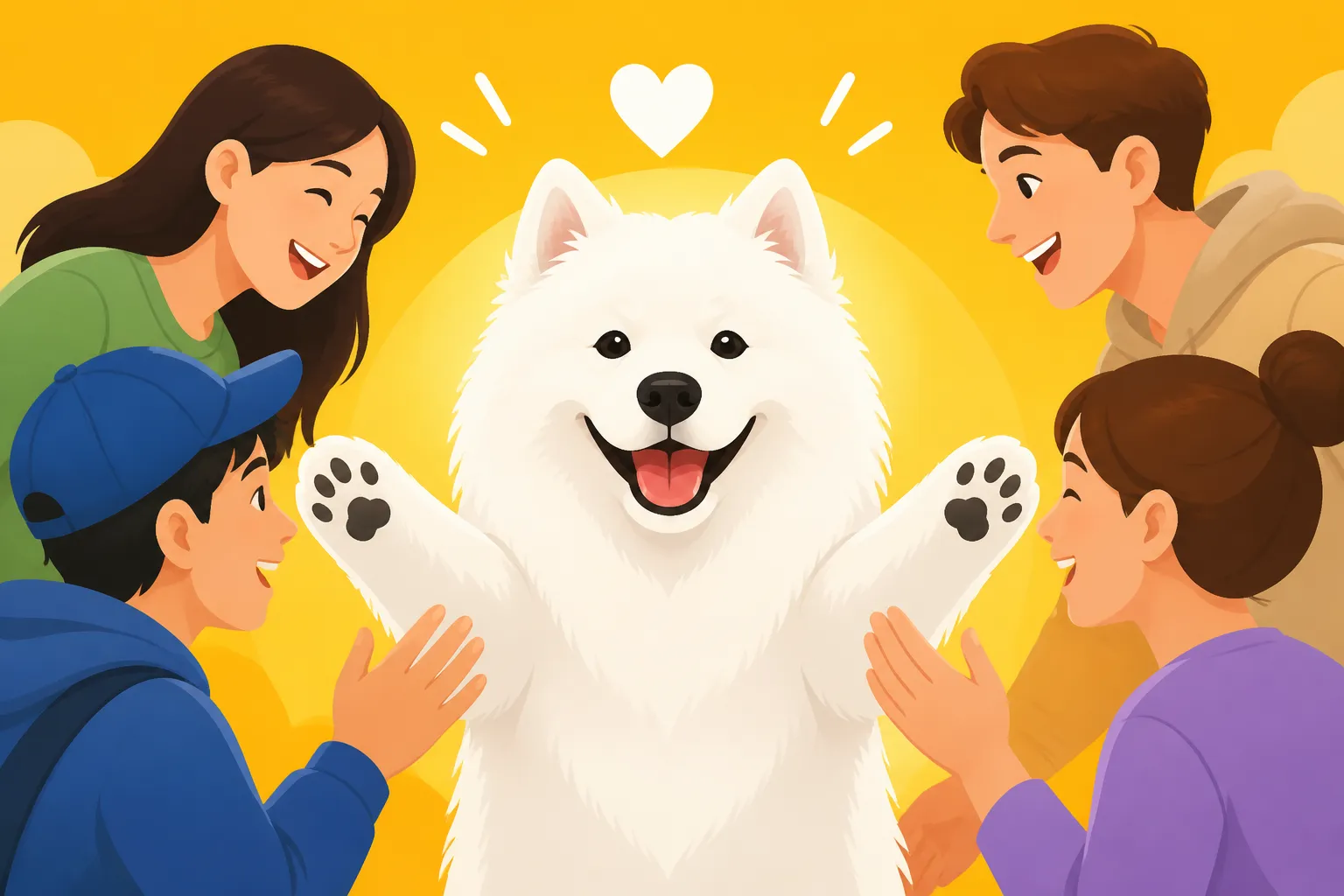
It can be quite the paradox, can't it? You get a magnificent, fluffy Samoyed, a dog that looks like it could guard a polar expedition, and then you discover their deepest desire is to make friends with every single person who crosses their path. Whether it’s the postal worker, a stranger on the street, or the person who accidentally walks into your yard, your Samoyed greets them with unbridled joy. This almost universal friendliness can be charming, sure, but it can also be baffling, and sometimes, a little concerning if you’re hoping for even a smidgen of protective instinct. This guide will explore the fascinating historical and genetic reasons behind why your Samoyed is such a welcoming social butterfly, and how to navigate life with a dog who genuinely believes everyone is their best friend.
The Deep Roots of Samoyed Friendliness
To truly understand why your Samoyed is so ridiculously friendly, we have to journey back thousands of years to their origins with the Nenets people in Siberia. These aren't just pretty dogs; they are living relics of a profound partnership between humans and canines. Their temperament isn't a fluke; it's a meticulously crafted legacy of survival.
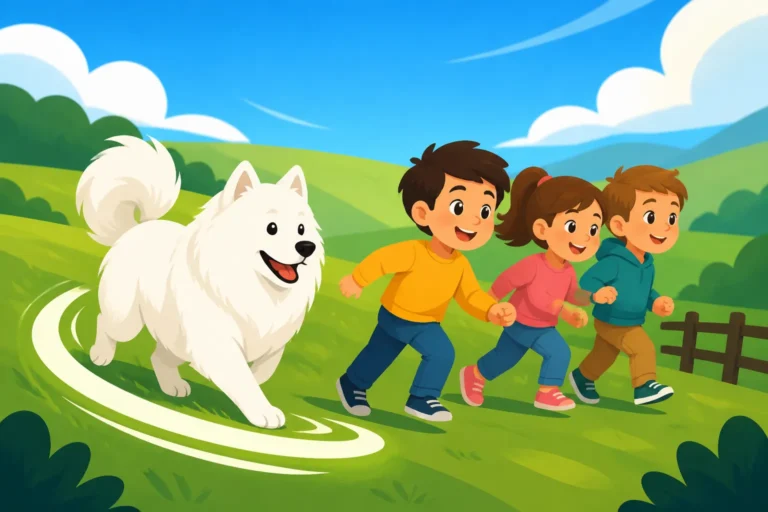
The Samoyed breed, as we know it today, was developed by the nomadic Nenets people of the Yamal Peninsula. For centuries, these dogs were not merely working animals; they were integral members of the family unit. They herded reindeer, pulled sleds, and, crucially, slept right alongside the Nenets families inside their tents, often huddled with children. This close proximity to humans, day in and day out, fostered an unparalleled level of sociability and trust. Can you imagine bringing an aggressive, suspicious dog into a small, communal tent with your family, especially children? It would have been a recipe for disaster. Therefore, any dog displaying aggression towards humans simply would not have been tolerated. They wouldn't have survived to pass on their genes. This wasn't about selective breeding for a pretty coat; it was about breeding for survival and harmony. The dogs that were gentle, trustworthy, and amiable were the ones that thrived alongside their human counterparts. Their friendly disposition was a matter of practical necessity. This historical bond is why Samoyeds are often referred to as "living with humans," not just "living near humans." They were co-pilots in life's journey, not just tools.
This ingrained desire for companionship wasn't just a convenient trait; it was a cornerstone of their existence. While they were certainly capable of rigorous work like herding What a Samoyed Was Actually Bred to Do and pulling, their primary role within the tents was often to provide warmth and comfort. The Samoyed Slept in the Tent to Keep People Alive. If you think about it, a dog that snuggles up to you in freezing temperatures, sharing body heat, needs to be incredibly tolerant and affectionate. They couldn't be nippy or territorial; they needed to be reliable and sweet-natured, especially with the youngest members of the tribe. This constant, intimate contact with people from birth onwards meant that suspicion of strangers simply wasn't a desirable trait. There were no "strangers" in their insular world that needed to be fended off. Everyone was part of the community, or at least a potential non-threat to be greeted rather than challenged. This ancient history informs every happy tail wag and eager face lick your Samoyed bestows upon an unsuspecting passerby today.
More Than Just a "Samoyed Smile": Temperament and Function
When you look at a Samoyed, the first thing many people notice is that characteristic upturned mouth – the famous "Samoyed smile." It's adorable, instantly heartwarming, and perfectly encapsulates their sunny disposition. But this smile is more than just a cute facial expression; it's a window into their deeply rooted temperament and how their historical function shaped who they are today.
That perpetual smile isn't just for show; it serves a practical purpose, preventing icicles from forming around their mouth in freezing temperatures, but it also perfectly mirrors their inner state. Why the Samoyed Smiles. Samoyeds are intrinsically social creatures, brimming with a joyous and open nature. This isn't a learned trick or a façade; it's a fundamental part of their genetic makeup. They genuinely love people, and not just their people – they love all people. This makes them truly exceptional companions, always ready to share a moment of happiness or offer a comforting presence. It also means they approach every new face with the assumption that this person is a friend just waiting to be made. Unlike breeds developed for protection or isolation, Samoyeds were bred to interact positively with everyone they encountered within their tribe's sphere.
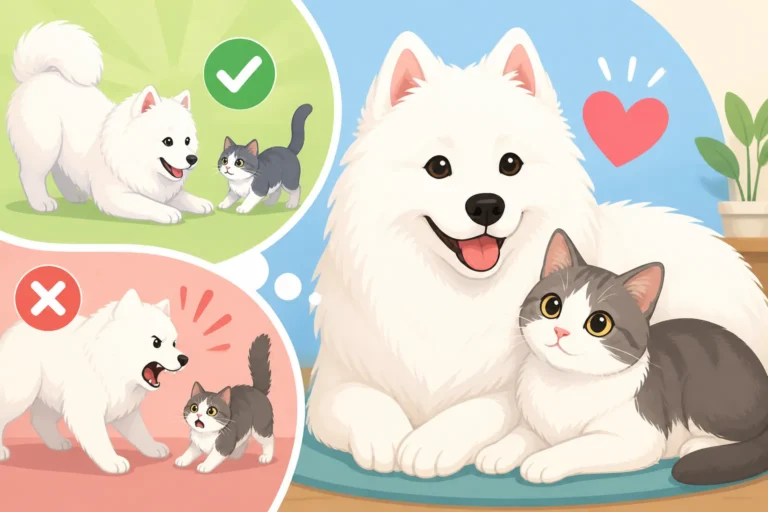
This intrinsic sociability means they largely lack the natural suspicion found in many other breeds. Where a German Shepherd or a Rottweiler might assess a stranger with a watchful, wary eye, a Samoyed's eyes sparkle with anticipation. They don't see a potential threat; they see a potential playmate, a hand to offer pets, or perhaps someone carrying treats. This profound lack of suspicion is a hallmark of the breed and a key differentiator from dogs with guarding instincts. They simply don't have that "stranger danger" hardwired into them. Their gentle nature Why a Samoyed Is Gentle by Nature extends not only to humans but often to other animals as well, making them wonderful additions to multi-pet households, provided proper introductions and supervision, of course. A Samoyed With Children and Other Animals. This inherent gentleness and openness is what makes a Samoyed such a joy to live with, even if it means you'll never have a truly intimidating guard dog.
Why Your Samoyed Isn't a Guard Dog (and That's Okay!)
Let's face it: if you're looking for a dog to deter intruders, a Samoyed is probably not the right choice. While they might let out a characteristic "Samoyed scream" or a series of enthusiastic barks when someone approaches your home, this vocalization is usually an alert, not a threat. They're more likely announcing, "Hey everyone, a new friend is here! Come meet them!" than "Stay away!" This can be quite the revelation for new Samoyed owners who might expect a fluffy deterrent, only to find their dog offering licks to the very person they were supposed to warn off.
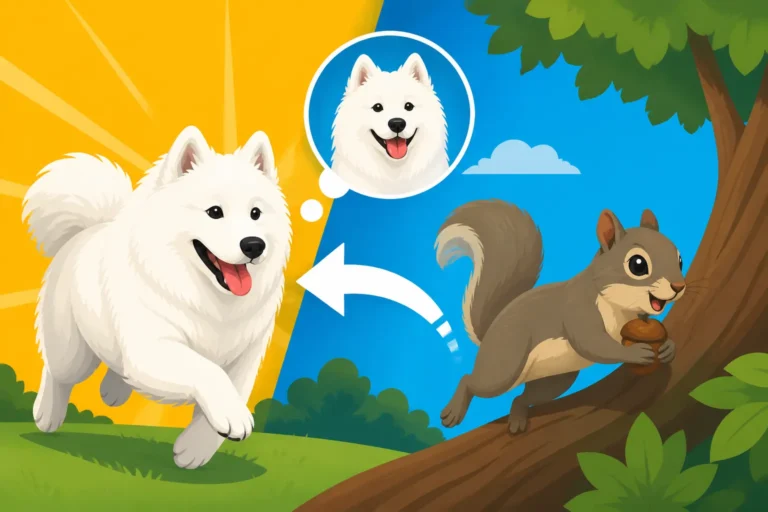
A Samoyed's complete lack of guarding instinct is one of their most endearing, if sometimes counterproductive, traits. They are simply not wired to be suspicious or territorial towards humans. In a hypothetical (and hopefully never real!) scenario where an intruder enters your home, your Samoyed is far more likely to greet them with enthusiastic tail wags and solicit pets than to challenge or intimidate them. Why a Samoyed Greets a Burglar. They might even view the unexpected visitor as an exciting new playmate. This is why it's often said that a Samoyed will Why a Samoyed Deters Nobody. This isn't a flaw in their character; it's a testament to their ancient purpose as deeply integrated, non-aggressive companions. It's important for owners to understand this fundamental aspect of their breed so they can manage expectations and implement appropriate security measures for their home and their dog. Relying on a Samoyed for protection is simply not realistic given their genetic predisposition for friendliness.
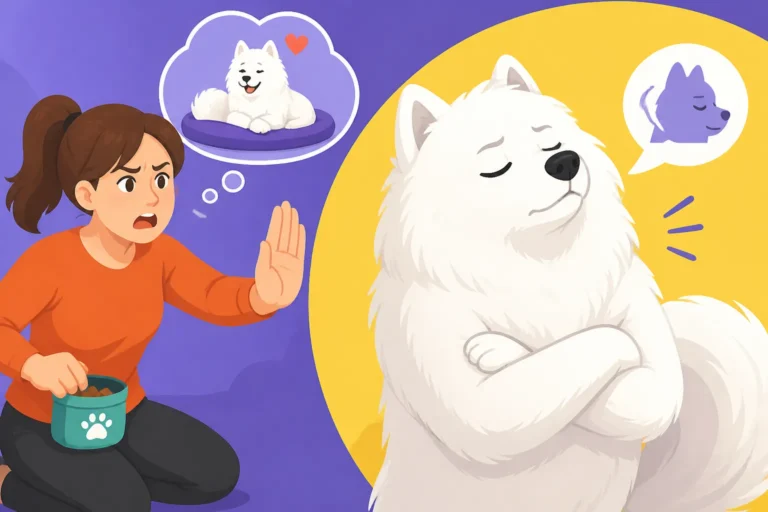
This "welcome wagon" effect can also be quite intense when actual guests arrive. Your Samoyed's sheer delight at new people can manifest as enthusiastic jumping, insistent licking, and demanding all the attention. While charming to some, it can be overwhelming for others, especially those who aren't used to such an effusive greeting from a large, powerful dog. Training these eager greeters requires a deep understanding of their innate desire to connect. It's not about stifling their friendliness, but about channeling it into polite and appropriate behaviors. This is where consistent, positive reinforcement training comes into play. It takes patience and creativity to teach a Samoyed that while everyone is welcome, they need to keep "four on the floor" and wait for an invitation for cuddles. They are smart, but can find obedience negotiable Training a Samoyed That Finds Obedience Negotiable, so making training engaging and rewarding is key. Investing in tools like a clicker, high-value treats, and perhaps an online course from BAXTER & Bella that focuses on positive reinforcement can be incredibly helpful for managing these enthusiastic greetings.
Living with a Social Butterfly: Managing Your Welcoming Samoyed
Embracing your Samoyed's incredible friendliness means understanding that you have a social butterfly on your hands. While this trait makes them wonderful family members, it also comes with responsibilities to ensure their safety and the comfort of others. It's all about proactive management and consistent training, starting from puppyhood.
One of the most crucial aspects of living with a highly social Samoyed is ensuring their safety. Their innate trust in all humans means they are not equipped to discern threats. A Samoyed is far more likely to wander off with a stranger offering a friendly word than to resist. This makes secure containment absolutely non-negotiable. A robust, tall fence that they can't jump over or dig under is essential for their yard time. When out and about, a reliable leash and harness are your best friends. Even with training, their recall can be highly unreliable when a new person or interesting scent is involved. Microchipping and clearly visible ID tags are also vital backups, just in case they manage to slip away. Many owners find a comfortable, well-fitting harness, readily available on platforms like Amazon, makes walks more manageable and prevents any accidental escapes from their collar.
Consistent training, while sometimes feeling like an uphill battle with a dog whose main goal is to be loved, is paramount. You can't train the inherent friendliness out of a Samoyed, nor would you want to, but you can certainly teach them polite manners. Focus on commands like "sit," "stay," and "wait" when guests arrive. Practice greeting people calmly outside of your home in controlled environments. Reward calm behavior lavishly. Puppy classes are a great start, but ongoing training throughout their lives reinforces good habits. An online program like BAXTER & Bella can provide structure and guidance, especially for specific behaviors like managing door greetings or exuberant jumping. Remember, it's not about making them wary; it's about teaching them how to be friendly in a way that respects boundaries. They still want to connect, but they learn how to do it respectfully.
Ultimately, living with a Samoyed means embracing their role as a joyous, welcoming companion. They were literally built for The Household a Samoyed Was Built For where they could share close bonds with their human family. Accepting that you have a dog that wants to be everyone's friend allows you to manage situations with a clear understanding. Instead of fighting their nature, you can channel it positively. Take pride in their happy-go-lucky attitude, their eagerness to engage, and the pure joy they bring into every interaction. Their friendliness is one of the most defining and beloved characteristics of the breed, a testament to thousands of years of loyal companionship.
| Trait | Samoyed Temperament | Typical Guard Dog Temperament |
|---|---|---|
| Initial Reaction | Joyful greeting, seeking attention | Suspicious, watchful, territorial |
| Toward Strangers | Friendly, assumes everyone is a friend | Reserved, wary, evaluates threat |
| Vocalization | Alert barks, "talks" to engage | Deep, warning barks to deter |
| Physical Contact | Loves petting, leans into people | May tolerate, but rarely initiates |
| Protectiveness | Minimal, more likely to seek comfort | High, defends owner/property |
| Trainability | Smart but independent, needs motivation | Often highly biddable for protection roles |
Disclaimer
This article is for general informational purposes only and does not constitute professional advice. Laws, prices and regulations vary by location and change over time. Consult a qualified professional for guidance on your specific situation.