Why a Samoyed Is Gentle by Nature
One of the biggest concerns many people have when considering a new dog, especially a larger breed, is whether they'll be gentle and safe to have around family, particularly children or other pets. It's a completely valid worry, and frankly, a smart one to have. Nobody wants a dog whose temperament is a constant question mark. Fortunately, when it comes to the Samoyed, you'll find their reputation for being gentle and loving isn't just a charming anecdote; it's deeply ingrained in their very being, a result of centuries of living and working alongside humans in the harshest conditions imaginable. This guide will dive into the historical, social, and behavioral reasons why Samoyeds are renowned for their gentle nature, and what that means for welcoming one into your home.
The Deep Roots of Samoyed Gentleness: Their Ancient History
It's easy to look at a fluffy, smiling Samoyed today and think of them as merely beautiful companions, but their gentle disposition is no accident of modern breeding. It's a fundamental trait forged over thousands of years by the indigenous Nenets people of Siberia. These dogs weren't just tools; they were indispensable members of the family, sharing tents and lives with their human counterparts in a way few other breeds can claim. Understanding this history is key to grasping why they are so inherently gentle.
Life with the Nenets People
Imagine living in the frozen expanses of the Yamal Peninsula, where survival hinged on cooperation. The Nenets relied on their dogs for everything from herding reindeer to pulling sleds, but crucially, these dogs also slept right alongside them in their chums (tents). This wasn't just for warmth; it was a matter of survival for the dogs too, and it cemented an unbreakable bond built on trust and mutual respect. Any dog displaying aggression or lack of tolerance toward a family member, especially a child, simply wouldn't have survived in this environment, let alone been bred.
Because they shared such close quarters and depended on each other so completely, the Samoyed's temperament had to be exceptionally docile and patient. They couldn't afford to be territorial or aggressive towards the very people they relied on and who relied on them. This constant, intimate contact with humans of all ages meant that only the most gentle and biddable dogs were kept and allowed to reproduce, naturally selecting for the sweet-natured Samoyeds we know today. It's a powerful lesson in how environment shapes evolution.
Their Role as Herders and Companions
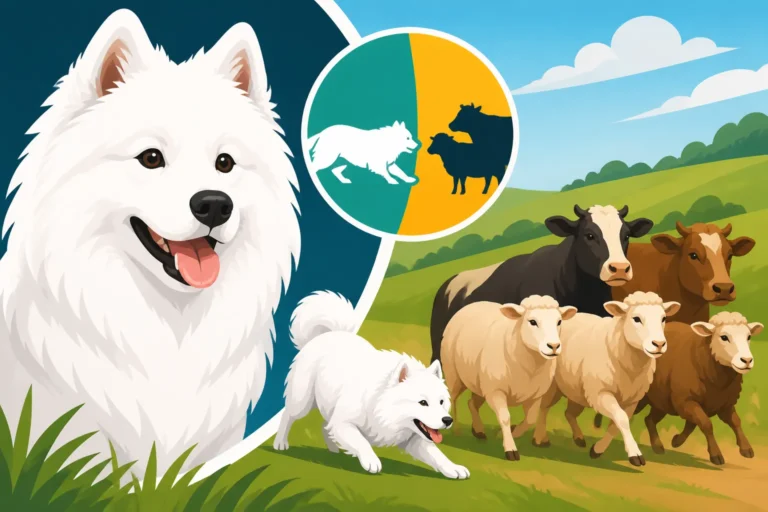
Beyond pulling and providing warmth, Samoyeds were primarily bred as herders of reindeer. Unlike some guarding breeds that might protect livestock by attacking predators, Samoyeds worked by moving and managing the herd, often circling them. This required intelligence, stamina, and a soft touch, not aggression. They needed to be able to interact with large, powerful animals without injuring them or inciting panic, and then return to the family tent to sleep peacefully beside the children.
This dual role demanded a unique blend of working drive and supreme gentleness. A Samoyed had to be assertive enough to guide a reindeer, yet gentle enough not to bite or hurt it, and certainly not to harm a human. This inherent gentleness is why they often adapt so well to family life, becoming excellent companions who are always ready for an adventure but equally happy to cuddle on the couch. You can see this natural instinct even today when they try to "herd" their human family members from one room to another, often with gentle nudges rather than nipping. The Herding Instinct Nobody Expects From a Samoyed delves deeper into this fascinating aspect of their temperament.
The Samoyed's Social Nature: A Heart Full of Love
A Samoyed's gentleness is also a direct reflection of their profound social needs. These aren't dogs content to be left in a kennel; they thrive on companionship and integration into their human "pack." Their social structure dictates a desire for harmony and closeness, making them exceptionally tolerant and affectionate pets.
Integrating Seamlessly into the Family Unit
One of the most endearing qualities of a Samoyed is their overwhelming desire to be a part of everything their family does. They aren't dogs that are happy to be relegated to the backyard; they want to be in the thick of it, whether you're watching TV, cooking dinner, or just moving from one room to another. This deep-seated need for inclusion means they naturally learn the rhythms and rules of the household.
This constant presence fosters gentleness because they are always observing and adapting. They learn how to navigate busy family life, understanding when to be playful and when to be calm. Their gentle nature makes them wonderful confidantes and constant shadows, always nearby, offering their quiet, smiling presence. If you've ever wondered Why a Samoyed Wants to Be in the Room With You, it's because their very being is wired for companionship.
Interaction with Children and Other Animals
This desire for family integration naturally extends to how Samoyeds interact with children and other pets. Their historical role meant they were trusted with Nenets children from a very young age, often serving as living heaters in the tents. This legacy translates into a remarkable patience and tolerance with kids today. They generally understand that children can be clumsy, loud, and unpredictable, and they tend to absorb these interactions with good grace.
Of course, no dog should ever be left unsupervised with very young children, but a well-socialized Samoyed will often show incredible patience. They might gently "herd" a child away from danger or simply stand patiently while a toddler tugs a bit too hard on their luxurious fur. Similarly, many Samoyeds live happily in multi-pet households, often becoming friends with cats, smaller dogs, and even birds, provided they are introduced properly and have positive experiences. It's a testament to their adaptable and non-confrontational spirit. A Samoyed With Children and Other Animals offers more insights into managing these relationships.
Why a Samoyed Doesn't Guard and Welcomes Strangers
Perhaps one of the most surprising aspects of a Samoyed's gentle nature for many new owners is their almost complete lack of guarding instincts. While their appearance might suggest a formidable protector, their historical purpose and temperament lean far more towards friendship than watchfulness.
The Myth of the Samoyed Watchdog
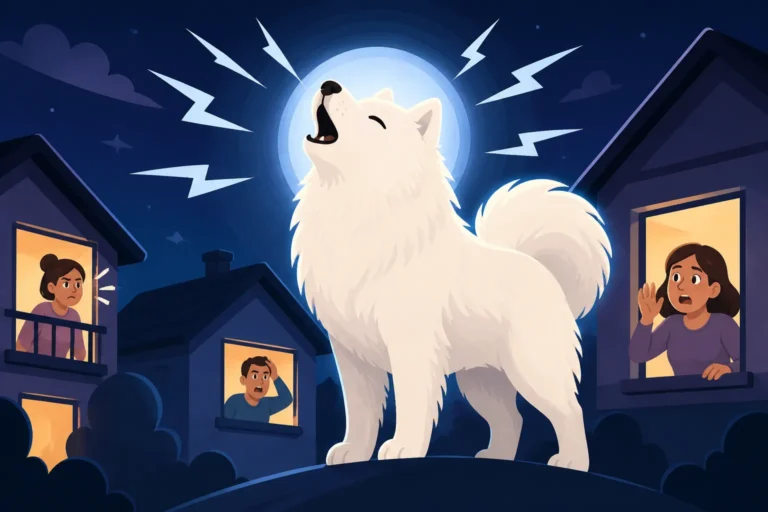
Many people expect a large, beautiful dog like a Samoyed to naturally be a good watchdog, or even a guard dog. They certainly have a formidable presence and a loud, distinctive vocalization, often described as the "Samoyed Scream" or a "talkative" nature, but this is rarely directed at deterring intruders. Instead, their "bark" is more often a joyful greeting, an expression of excitement, or a protest at being left out.
In fact, a Samoyed is far more likely to greet a stranger with a wagging tail and an invitation for pets than with any sign of aggression. Their default setting is friendly and welcoming. This is another direct link to their history; the Nenets were nomadic, and encounters with other tribes or travelers would have been common. An aggressive dog would have been a liability, potentially sparking conflict rather than facilitating peaceful interaction. So, if you're looking for a dog to intimidate potential intruders, a Samoyed is decidedly not your breed. Why a Samoyed Will Never Guard Your House explains this temperament trait in detail.
Greetings and Socialization
A well-socialized Samoyed considers everyone a potential friend, whether two-legged or four-legged. When meeting new people, their tail often wags vigorously, their "smile" broadens, and they might even lean in for a good head scratch. This eagerness to please and to engage positively with new faces is a hallmark of their gentle nature.
It means they typically enjoy going to new places, meeting new people, and participating in public events, provided they are properly introduced and feel safe. Their natural friendliness makes them excellent therapy dogs or ambassadors for the breed. This isn't to say every Samoyed will immediately adore every single person they meet, but their underlying disposition is one of approachability and warmth. Early and continued positive socialization is always crucial, of course, to reinforce this natural tendency and build confidence. Many owners use structured puppy classes or online programs like BAXTER & Bella to ensure their Samoyed puppy gets a fantastic foundation in meeting new people and having positive experiences.
Prey Drive vs. Aggression
It's important to differentiate between a Samoyed's inherent gentleness towards humans and their natural instincts. Samoyeds, like many dogs, possess a prey drive. This instinct is usually directed towards small, fast-moving animals like squirrels, rabbits, or even cats if not raised with them. While this can lead to chasing behavior, it is distinct from aggression towards humans or other dogs. A Samoyed chasing a squirrel is following an ancient instinct; it's not acting out of malice or aggression.
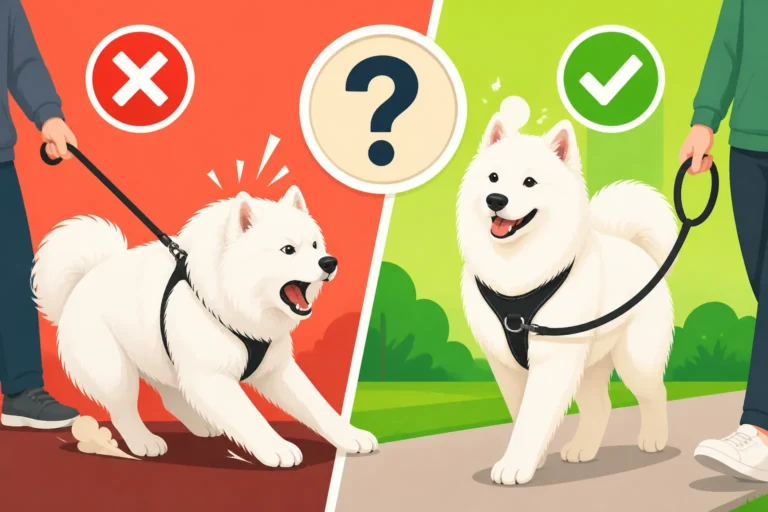
This prey drive is why a strong, reliable recall is absolutely paramount for a Samoyed, and why they often cannot be trusted off-leash in unsecured areas. Their gentle spirit doesn't negate their drive to chase, which is a powerful, ingrained impulse. Understanding this difference is vital for responsible Samoyed ownership – their gentleness makes them wonderful companions, but their instincts still require management and respect. Why a Samoyed's Recall Cannot Be Trusted is a must-read for anyone considering off-leash adventures.
Training a Gentle Giant: Patience and Positive Reinforcement
Because of their gentle nature, Samoyeds respond best to training methods that are kind, consistent, and reward-based. They are intelligent dogs, but they can also be sensitive and, let's be honest, a little bit stubborn! Their gentleness means harsh corrections or fear-based training will not only be ineffective but could also damage your bond.
Why Positive Reinforcement is Key
A Samoyed's gentle spirit means they thrive on positive reinforcement. They want to please you, but they also have their own ideas about how things should be done. Forceful methods, yelling, or physical punishment will quickly shut down a Samoyed, making them resistant and potentially fearful. Instead, they respond beautifully to praise, tasty treats (available in bulk on Amazon for all those training sessions!), and enthusiastic encouragement.
Short, engaging training sessions that end on a positive note are far more effective than long, repetitive drills that bore them. They enjoy problem-solving and working with you, rather than simply obeying commands. This isn't because they're unintelligent, but because they're thinkers, and their independent spirit, combined with their gentle nature, means they need to feel like they are partners in the training process. Training a Samoyed That Finds Obedience Negotiable perfectly captures this unique training dynamic.
Sensitivity to Harshness and Consistency
Samoyeds are quite sensitive souls beneath all that fluff. They pick up on human emotions and can become stressed or withdrawn if training is too harsh or inconsistent. A firm but fair approach, delivered with patience and understanding, is far more likely to yield results. When you're consistent with your expectations and lavish them with positive reinforcement for good behavior, you'll see their gentle nature shine through in their willingness to cooperate.
Think of it like this: you're building a relationship, not just giving orders. This means being predictable, being kind, and always following through. If you ask a Samoyed to do something, make sure you're prepared to guide them to success and reward them for it. This consistency also applies to daily routines and boundaries, which help a gentle Samoyed feel secure and understand their place in the family.
Understanding Their "Stubborn" Streak
Sometimes, a Samoyed's gentle nature can be mistaken for stubbornness. They might "negotiate" a command, or appear to ignore you entirely when something more interesting (like a passing squirrel or a patch of snow) catches their attention. This isn't defiance born of aggression, but often a combination of an independent mind and a desire to conserve energy for things they deem truly important.
Their gentle disposition means they're unlikely to challenge you aggressively, but they will certainly test your patience. They might give you the "Samoyed side-eye" or a soft grunt of protest, but rarely anything more. It's in these moments that your own patience and understanding of their gentle, yet independent, spirit become your greatest training tools. Consistency, high-value rewards, and making training feel like a fun game will overcome most perceived stubbornness.
Here's a quick comparison of Samoyed temperament traits:
| Trait | Samoyed | Typical Guarding Breed (e.g., German Shepherd) |
|---|---|---|
| Disposition | Gentle, affectionate, sociable | Protective, watchful, reserved |
| Stranger Reaction | Welcoming, friendly, seeks attention | Suspicious, aloof, may bark/growl |
| Family Role | Companion, family member, "inside dog" | Protector, working dog, often more independent |
| Tolerance of Children | High patience, adaptable, good-natured | Can be good, but requires strict supervision and boundaries |
| Vocalization | "Talkative," happy "screams," howls, barks often for attention/excitement | Purposeful barking, deep growls to deter threats |
| Trainability | Intelligent, needs positive reinforcement, can be "negotiable" | Highly trainable, eager to please, good for advanced obedience |
| Prey Drive | Present, directed at small animals | Varies by breed, can be strong |
| Territoriality | Low, generally no guarding instinct | High, strong desire to protect property |
Embracing the Gentle Samoyed in Your Life
Bringing a Samoyed into your home means welcoming a dog whose very essence is gentleness. They are dogs that thrive on love, companionship, and a harmonious environment. Their historical journey from the icy plains of Siberia, sharing a tent with nomadic people, has sculpted a breed known for its patience, affectionate nature, and remarkable tolerance.
While their fluffy coats and perpetual smiles are what first draw many to the breed, it's their gentle spirit that truly captures hearts. They aren't dogs that will guard your home with fierce loyalty, but they will fill it with an abundance of joyful noise, cuddles, and an unwavering desire to be by your side. Understanding and appreciating this fundamental aspect of their character is key to a long, happy, and fulfilling life with your beautiful Samoyed.
Disclaimer
This article is for general informational purposes only and does not constitute professional advice. Laws, prices and regulations vary by location and change over time. Consult a qualified professional for guidance on your specific situation.