Why Raising Your Voice Fails on a Samoyed
It's incredibly frustrating, isn't it? You love your Samoyed more than words can say, but sometimes, when they're "selectively deaf" to your commands or doing something they absolutely shouldn't, you find yourself raising your voice, maybe even yelling. And what happens? Absolutely nothing. Or worse, they seem to get more stubborn, or perhaps even give you that classic "Samoyed side-eye" before sauntering off. This guide is here to shed light on why yelling simply doesn't work with our fluffy companions and, more importantly, to equip you with effective, compassionate strategies that truly build a stronger bond and lead to real results.
Understanding the Samoyed Temperament: More Than Just a Fluffy Face
Before we dive into why yelling falls flat, let's really get into the beautiful, complex mind of a Samoyed. They aren't like every other dog breed, and understanding their unique heritage and personality is key to unlocking successful communication. Our Samoyeds carry the legacy of working alongside the Nenets people in the harsh Siberian tundra, a partnership built on cooperation, not subservience.
The Samoyed's Independent Spirit
Samoyeds were originally bred to herd reindeer, pull sleds, and even act as warm, furry companions in tents during brutal winters. These were jobs that required intelligence, initiative, and a good deal of independent thought. They weren't bred to be military dogs, perfectly executing every command without question. Instead, they were partners who often had to make decisions on their own to keep the herd safe or navigate challenging terrain. This ingrained independence is still very much alive in our modern Samoyeds.
When your Samoyed seems to ignore you, it's rarely out of malice. It's often because they're evaluating the situation, deciding if your request aligns with their current "mission," or if there's something more interesting (like that squirrel across the street!). They're not being defiant; they're being true to their nature. This independent streak means that force or intimidation simply doesn't resonate with them. They tend to shut down or become wary rather than comply out of fear.
Why They're Not "Obedience Machines"
Let's be honest, Samoyeds are incredibly smart, but they're not always eager to show it in a formal obedience ring. While many can and do excel in various dog sports, it's often because their owners have found ways to make it a fun, engaging, and rewarding partnership. They thrive on novelty and positive interaction, not endless, monotonous drills. If a command doesn't seem to have a clear, immediate benefit for them, they might just decide it's not worth their precious time.
Think of it this way: your Samoyed is more like a clever colleague you need to persuade, rather than a subordinate you can simply order around. They ask, "What's in it for me?" And if your response is just a loud noise, their answer will likely be a polite (or sometimes not-so-polite) dismissal. This is why techniques that work for breeds bred for absolute compliance often fall short with a Samoyed. They need to want to participate, and shouting rarely inspires that desire.
The Counterproductive Effects of Yelling on a Samoyed
So, you've established that yelling doesn't work, but why exactly does it backfire so consistently with a Samoyed? It goes deeper than just their independent nature; it actually damages the very foundations of trust and communication you're trying to build.
Creating Fear, Not Respect
While you might think raising your voice conveys authority, to a sensitive Samoyed, it often just communicates unpredictability and fear. They don't understand the words you're shouting; they only register the harsh tone, the sudden increase in volume, and your agitated body language. This can be genuinely frightening for a dog that inherently seeks harmony and partnership. Instead of seeing you as a trusted leader, they may start to see you as a source of discomfort or even danger.
A Samoyed who fears you might become hesitant to approach, avoid eye contact, or even start to exhibit submissive behaviors like cowering or peeing. This isn't respect; it's a breakdown of the loving bond you share. True respect from a Samoyed comes from consistent, clear communication, fair boundaries, and a foundation of positive reinforcement, where they learn to trust your guidance because it consistently leads to good things for them. Remember, they are masters at How a Samoyed Hides Illness Behind a Smile, and they can also hide their stress behind that happy face.
Shutting Down, Not Learning
Imagine trying to learn a new skill while someone is screaming instructions at you. Would you feel motivated? Likely not. You'd probably feel overwhelmed, confused, and want to disengage. The same applies to your Samoyed. When you yell, their stress levels spike, which can actually hinder their ability to process information and learn. Their brain goes into "fight, flight, or freeze" mode, not "listen and learn" mode.
They might physically freeze, stop whatever they were doing (which you might interpret as success), but they haven't actually learned what to do instead. They've only learned that your loud voice is a signal to stop, not an instruction for a better behavior. This creates a cycle where you have to keep yelling to stop unwanted behaviors, rather than teaching them preferred actions. Over time, they may become desensitized to your voice, requiring even louder or more aggressive tones to get a reaction, making the problem worse. This is partly Why a Samoyed Ignores a Cue It Knows when you’re frustrated.
The "Samoyed Scream" as a Response to Stress
Interestingly, the famous "Samoyed Scream" – that high-pitched, often ear-splitting vocalization – can sometimes be a response to overwhelming stress, frustration, or even fear. While it's often used for excitement or demanding attention, it can also manifest when a Samoyed feels cornered or misunderstood. If you're consistently raising your voice or creating a stressful environment, you might inadvertently trigger this unique vocalization, not because they're being "bad," but because they're expressing profound emotional discomfort.
It's a stark contrast to their usual happy pant or conversational "woo-woo." When a Samoyed uses their scream in a negative context, it’s their way of saying, "I'm overwhelmed! I don't know what to do!" It's a plea for clarity and calm, not an invitation for you to match their volume. Understanding The Samoyed Scream and Why It Is Not Barking helps us appreciate the depth of their communication.
Effective Communication Strategies for Your Samoyed
Now that we understand why yelling doesn't work, let's explore what does. The good news is that Samoyeds are incredibly eager to please when they understand what's expected and are properly motivated. It all comes down to building a clear, positive, and consistent communication system.
Positive Reinforcement: The Samoyed's Love Language
This is the cornerstone of effective Samoyed training. Positive reinforcement means rewarding behaviors you want to see repeated. For a Samoyed, this could be high-value treats (think tiny pieces of cooked chicken or cheese), enthusiastic praise, a favorite toy, or even a quick game of fetch. The key is to deliver the reward immediately after the desired action, so your Samoyed clearly associates the behavior with the positive outcome.
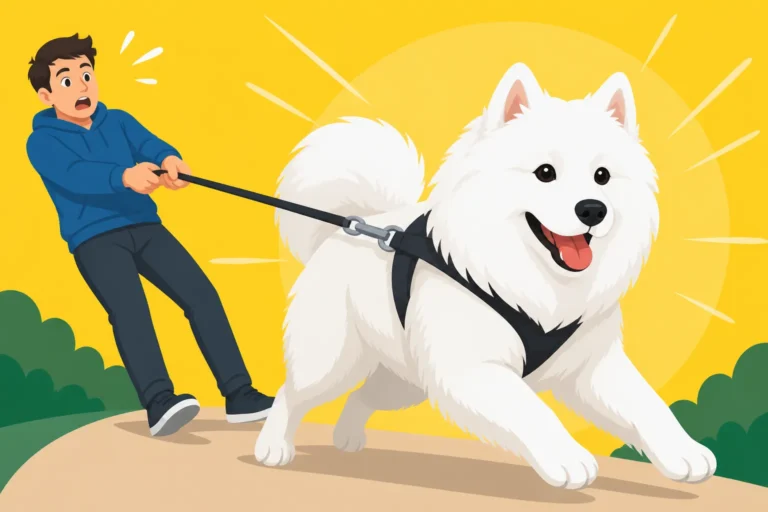
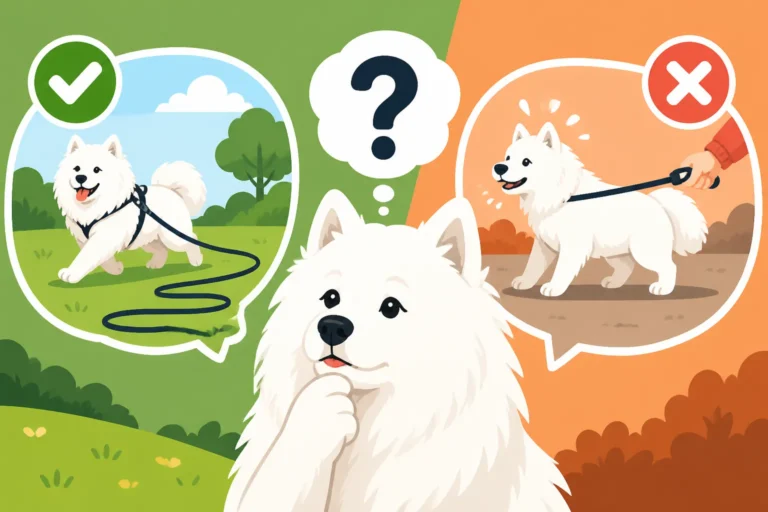
Instead of yelling "NO!" when they jump on the counter, teach them to "Off" or "Sit" and reward them heavily when they do. Instead of shouting when they pull on the leash, reward them every single time the leash is slack. This method taps into their intelligent, cooperative nature. They learn that listening to you leads to good things, making them enthusiastic participants in their own training. Websites like BAXTER & Bella offer comprehensive online courses that use positive reinforcement methods, which can be invaluable for new puppy owners or those looking to refine their training techniques. You might be surprised at What a Samoyed Will Work For when the right motivation is applied!
Here’s a simple table illustrating the difference:
| Ineffective Approach (Yelling) | Effective Approach (Positive Reinforcement) |
|---|---|
| Goal: Stop unwanted behavior. | Goal: Teach desired behavior. |
| Communication: Confusing, fear-inducing, loud. | Communication: Clear, calm, rewarding. |
| Dog's Reaction: Stress, shutdown, avoidance, desensitization. | Dog's Reaction: Engaged, eager to learn, trust. |
| Outcome: Temporary suppression, damaged bond, no real learning. | Outcome: Lasting behavior change, stronger bond, happy dog. |
Consistency, Patience, and Clear Cues
Samoyeds thrive on routine and predictability. If one day "sit" means a treat, and the next day it's ignored, they'll quickly become confused and decide the cue isn't reliable. Everyone in the household needs to use the same commands and expectations. If one family member lets the Samoyed jump on them, while another scolds them for it, your dog won't understand what's right or wrong.
Patience is also paramount. Samoyeds, with their independent minds, may take a few more repetitions to grasp a concept or decide it's worth doing. Don't get discouraged if they don't get it on the first try. Break down complex tasks into smaller, manageable steps, and celebrate every tiny success. Clear, concise cues are also vital. Use a consistent word or hand signal for each command. Avoid long sentences or multiple commands at once. Just "Sit" or "Stay," paired with a clear hand signal, is far more effective than a rambling request. This approach is key to Training a Samoyed That Finds Obedience Negotiable.
Engaging Their Minds and Bodies
A bored Samoyed is often a "naughty" Samoyed. These intelligent dogs need both physical exercise and mental stimulation to be happy and well-behaved. Simply leaving them in a yard isn't enough; they need interactive play, walks, and activities that challenge their brains. Consider daily walks (especially longer ones when possible), puzzle toys, scent work, or even short training sessions that teach new tricks.
A Samoyed that gets ample exercise and mental engagement is far more likely to be calm, attentive, and receptive to your commands. If your Samoyed is constantly "talking back" or pushing boundaries, it might be a sign they need more to do. Look for durable chew toys or interactive feeders on Amazon that can keep their minds busy. Regular, structured exercise not only burns off energy but also strengthens your bond and provides opportunities for positive interaction. Learn more about What a Bored Samoyed Does to a House to avoid destructive behaviors.
When to Seek Professional Help and What to Look For
Sometimes, despite your best efforts, you might find yourself struggling with certain behaviors or feeling overwhelmed. This is perfectly normal, and there's absolutely no shame in seeking professional help. A good trainer or behaviorist can offer invaluable guidance tailored to your specific Samoyed and household.
Identifying Stubbornness vs. Behavioral Issues
It's easy to label a Samoyed as "stubborn," and while they certainly have a strong will, it's important to differentiate between typical Samoyed independence and genuine behavioral issues that might stem from anxiety, fear, or a lack of understanding. If your Samoyed consistently ignores you, exhibits destructive behaviors, shows aggression (which is rare for the breed but can happen), or displays signs of separation anxiety, it's time to consider professional intervention.
A professional can help you decipher the root cause of the behavior, which might not be what you initially assume. What looks like stubbornness might actually be a symptom of boredom, an underlying health issue, or simply a miscommunication in your training. They can provide an objective eye and specialized tools to address challenges effectively. They're often adept at seeing Why a Samoyed Talks Back When Told Off from the dog's perspective.
Finding a Trainer Who Understands Samoyeds
Not all trainers are created equal, and it's especially important to find someone who understands the unique temperament of a Northern breed like the Samoyed. Avoid trainers who advocate for harsh corrections, intimidation, or dominance-based methods. These approaches will not only fail with a Samoyed but can also severely damage your relationship with your dog.
Look for trainers who use positive reinforcement exclusively, are certified by reputable organizations, and have experience with Samoyeds or other intelligent, independent breeds. Ask about their philosophy, their methods, and what tools they use. A good trainer will be happy to answer your questions and provide references. Many offer initial consultations to see if their approach is a good fit for you and your furry friend. Services like BAXTER & Bella also provide virtual consultations, which can be a fantastic resource if you can't find a suitable in-person trainer nearby or just want to learn more about positive training methods from the comfort of your home. They can guide you on everything from The First Year With a Samoyed Puppy to advanced obedience. Investing in the right professional guidance is an investment in a happier, better-behaved Samoyed and a more harmonious home life for everyone.
Disclaimer
This article is for general informational purposes only and does not constitute professional advice. Laws, prices and regulations vary by location and change over time. Consult a qualified professional for guidance on your specific situation.