What a Bored Samoyed Does to a House
There’s nothing quite like the joy of having a beautiful, fluffy Samoyed bounding around your home, but the flip side of that vibrant energy can be a rather chaotic scene if their needs aren't met. Many Samoyed owners quickly discover that a bored Samoyed is not just a little restless; they can become incredibly destructive, turning your favorite furniture into kindling or transforming your pristine yard into a moonscape. This guide is here to shed light on exactly what drives these behaviors and, more importantly, how you can channel that boundless Samoyed spirit into positive, enriching activities, saving your home (and your sanity!).
Understanding the Roots of Samoyed Boredom
It's easy to look at a chewed-up couch cushion or a freshly dug trench in the living room and think your Samoyed is just being naughty. But the truth is, destructive behaviors almost always stem from unmet needs, particularly boredom, in a breed as intelligent and active as the Samoyed. They weren't bred to be ornamental lapdogs; they were working animals, integral to human survival in harsh climates.
Why Samoyeds Get Bored Easily
Think about the Samoyed's historical role: herding reindeer, pulling sleds for miles across frozen tundras, and even sleeping inside tents with their human families for warmth and protection. These dogs were constantly engaged, both physically and mentally. Their daily lives demanded intelligence, stamina, and problem-solving skills. When you bring a Samoyed into a modern home environment, especially one where they might be left alone for long stretches with little to do, that innate drive doesn't just disappear.
They possess a sharp mind that needs challenges, and a body built for endurance that craves movement. A quick stroll around the block or a few minutes of fetch just won't cut it for a Samoyed on most days. If their brains aren't stimulated with puzzles or training, and their bodies aren't exercised adequately, they will find ways to entertain themselves. Unfortunately, their chosen forms of entertainment often involve activities that we, as humans, find quite maddening and damaging.
Signs Your Samoyed Is Bored
Before your home looks like a badger sett or a lumberjack's practice yard, your Samoyed will likely give you subtle (and not-so-subtle) cues that they're under-stimulated. Recognizing these early warning signs can be your first line of defense against destruction. One common sign is excessive vocalization. Samoyeds are known for their "talkativeness," but if your sweet, conversational woos turn into incessant barking or howling, especially when left alone, it's a huge red flag. They're literally crying out for attention and activity. You might find a whole article on The Samoyed Scream and Why It Is Not Barking insightful here.
Another common indicator is restlessness. They might pace endlessly, unable to settle, even after what you thought was a good walk. They might follow you from room to room with an intense gaze, looking for interaction. Some Samoyeds will start to engage in repetitive behaviors, like licking their paws excessively or nudging objects around with their nose, almost as if trying to instigate a game. They could also become unusually clingy or, conversely, seem aloof and withdrawn, a sign of depression or frustration building up. Pay attention to these early signals; they're your Samoyed's way of asking for help before resorting to more drastic measures.
Common Destructive Behaviors of a Bored Samoyed
When those subtle hints are missed, or their needs continue to go unmet, a Samoyed's boredom can escalate into a full-blown mission to redecorate your home, often with unfortunate results. These behaviors aren't malicious; they're simply a Samoyed's natural instincts, amplified by a lack of appropriate outlets.
The Art of Interior Redecoration Chewing and Shredding
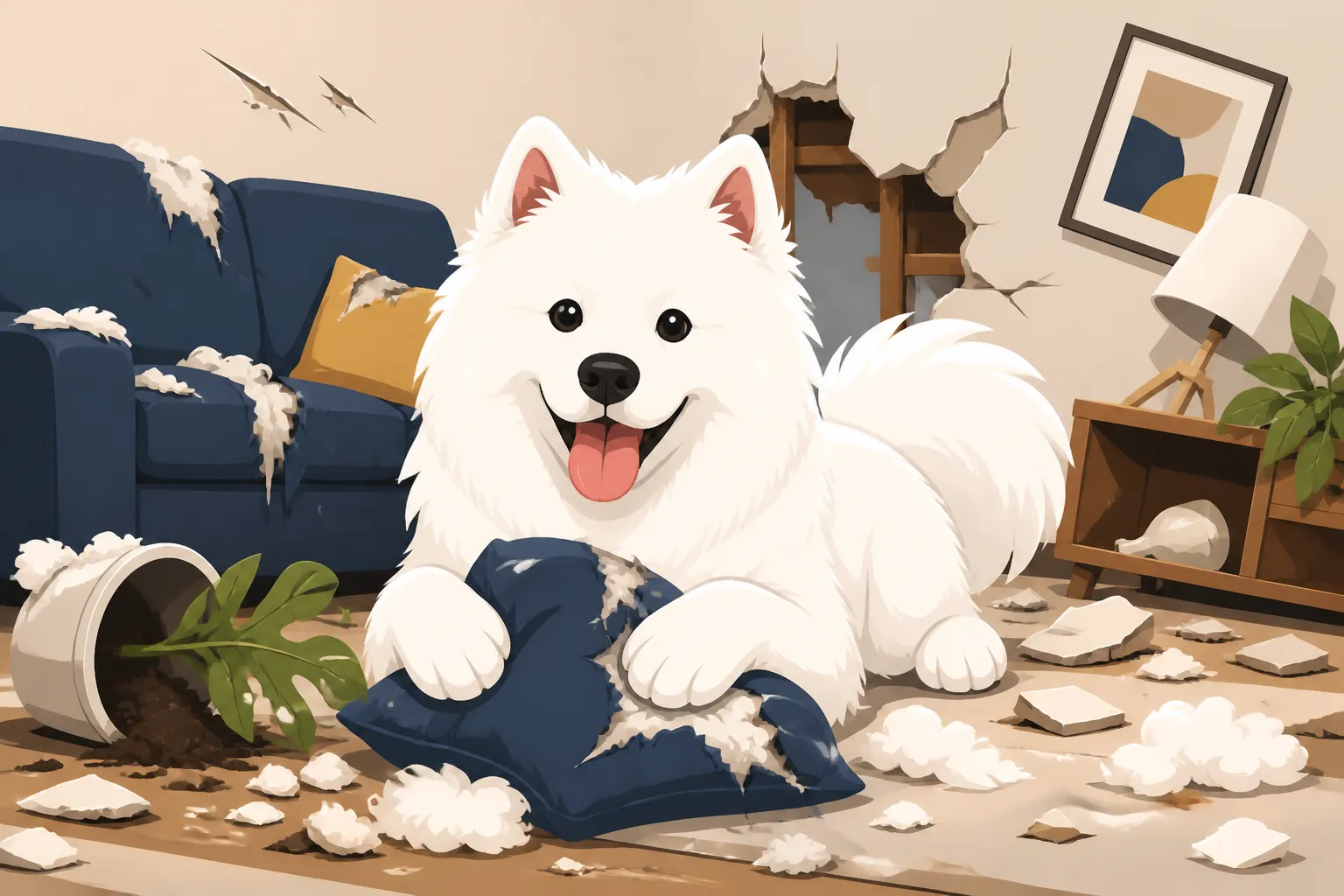
One of the most immediate and frustrating consequences of Samoyed boredom is destructive chewing and shredding. For a Samoyed, your expensive sofa isn't a piece of furniture; it's a giant, satisfying chew toy with multiple textures – the fabric, the foam, the wood frame. They might start by gently mouthing things, but before you know it, they're tearing out stuffing, shredding blankets, or gnawing on chair legs. This isn't just because they like the taste; it's a sensory experience. Chewing releases endorphins, which can alleviate stress and anxiety, making it a self-soothing behavior for a bored dog.
The sheer power of a Samoyed's jaw, combined with their persistent nature, means they can do a surprising amount of damage very quickly. I've heard stories of owners leaving their Samoyed for just an hour, only to return to a scene resembling a blizzard of sofa stuffing. Everything from shoes to remote controls, books, and even drywall can become a target. Providing appropriate chew items is crucial, but sometimes, a high-value chew from an online retailer like Amazon is not enough if the underlying boredom isn't addressed.
Excavation Efforts Digging Indoors and Out
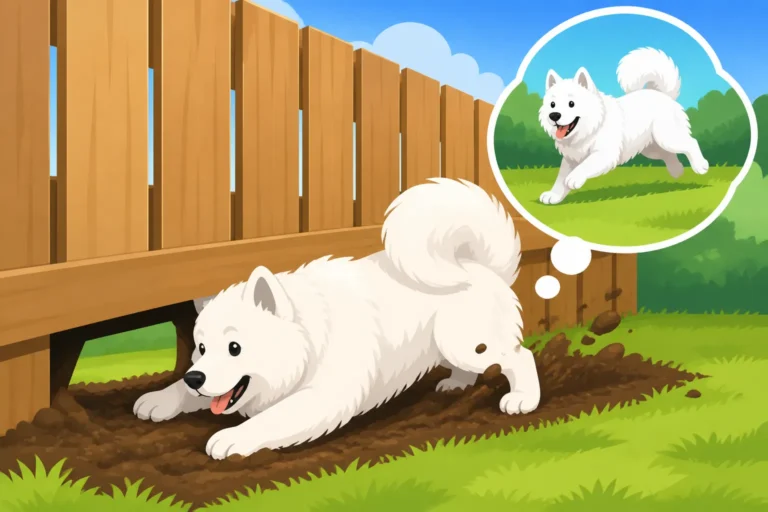
Digging is another deeply ingrained instinct for Samoyeds, harking back to their ancestors who would dig dens for shelter or to find cooler earth in summer. While outdoor digging can be a nuisance, leaving unsightly holes in your garden, a bored Samoyed might bring this talent indoors. They might scratch and dig at carpets, linoleum, or even wooden floors, particularly near doorways or corners, in an attempt to "burrow" or create a comfortable spot. This isn't just about making a bed; it's an outlet for pent-up energy and a way to satisfy a primal urge.
Imagine coming home to find a patch of your expensive rug pulled up, or worse, finding claw marks etched into your hardwood floors. It's not a pretty sight, and it certainly doesn't come cheap to repair. Even outside, those innocent-looking divots can quickly turn into craters big enough to trip over, or, more concerningly, escape routes under fences. If you're wondering how effective different measures are, you might want to look into The Tunnel a Samoyed Digs Under a Fence.
The Vocal Symphony of Frustration Excessive Barking and Howling
Samoyeds are known for their varied vocalizations – the "Samoyed Talk" is famous! They woof, grumble, whine, and sometimes, yes, they scream. This is often a charming part of their personality, a way they communicate their joy or disapproval. However, when boredom sets in, these charming noises can escalate into a relentless chorus of barking and howling, especially when they're left alone. This isn't just cute communication anymore; it's a distressed plea for attention and engagement.
This excessive vocalization can be a huge problem, especially if you live in an apartment or have close neighbors. Imagine receiving complaints from your neighbors about your Samoyed howling for hours while you're at work. It's not only disruptive but also a clear sign that your dog is profoundly unhappy and unfulfilled. A constant cacophony is a stark indicator that their mental and physical needs are simply not being met. You might find more detail on The Samoyed That Wakes the Neighbors.
Escape Attempts and Anxieties
A bored Samoyed is an escape artist in the making. If their environment isn't stimulating, they'll seek adventure elsewhere, often leading to them figuring out how to open gates, climb fences, or even dig under them. This behavior is incredibly dangerous, as a loose Samoyed can quickly become lost, hit by a car, or injure themselves. Their independent, exploratory nature means that once they're out, their recall can be highly unreliable, even if they know the command perfectly well at home. This can be one of the scariest and most heartbreaking outcomes of prolonged boredom.
Beyond physical escape, boredom can manifest as separation anxiety. While not exclusively a symptom of boredom, a lack of engagement and routine can certainly exacerbate it. A Samoyed who is stressed and anxious when left alone might engage in destructive chewing, frantic vocalization, or even house-soiling, not out of spite, but from genuine distress. They miss their human pack and don't know how to cope with the solitude and lack of stimulation. Understanding How a Samoyed Gets Out of Anything You Build might prepare you for the challenge.
Proactive Strategies to Combat Samoyed Boredom
Preventing boredom in your Samoyed is always easier (and much less expensive) than trying to fix destructive habits after they've taken root. It’s all about providing consistent, varied outlets for their intelligence and energy. Think of it as investing in your Samoyed’s happiness and your home's integrity!
Enriching Their Environment Physical and Mental Stimulation
One of the best ways to keep a Samoyed from turning your home into their personal playground is to provide them with a richly stimulating environment. This means more than just a basket of toys. Think about rotating toys regularly to keep them novel, offering puzzle toys that dispense treats, or even hiding kibble around the house for them to sniff out – a game often called "nose work." This taps into their natural scenting abilities and gives their brain a workout. You can find a huge variety of interactive toys and puzzle feeders on Amazon that can keep them engaged for a good chunk of time.
Consider durable chew toys that can withstand their powerful jaws, as well as softer toys for gentle play. For mental stimulation, simple things like teaching new tricks, even silly ones, can go a long way. Consider dog sports too! Agility, rally obedience, or even urban mushing can be incredible outlets for their energy and intelligence. Even simple games like "find the toy" in different rooms can be incredibly enriching. For guidance on training techniques that promote engagement, platforms like BAXTER & Bella offer online courses that can teach you how to integrate mental challenges into your daily routine.
The Power of a Consistent Routine
Samoyeds, like many dogs, thrive on routine. A predictable schedule helps them feel secure and reduces anxiety, which can often be a precursor to boredom and destructive behavior. They know when to expect walks, meals, playtime, and quiet time, which helps them settle and feel more at ease. Try to establish set times for feeding, potty breaks, exercise, and training.
This doesn't mean your life has to revolve around a rigid schedule every single minute, but having general anchors throughout the day can make a huge difference. For example, if your Samoyed knows that after your morning coffee, a brisk walk is coming, they might spend that coffee time calmly anticipating rather than seeking mischief. A consistent routine also helps you, the owner, ensure you're meeting their needs regularly, making it less likely that they'll fall into destructive patterns born of neglect or uncertainty.
Exercise, Exercise, Exercise
There’s no getting around it: Samoyeds need a lot of physical exercise. They were bred for endurance and cold weather work, so a short trot isn't going to cut it. Aim for at least one to two hours of vigorous activity daily, broken into multiple sessions. This could be a long walk, a jog, a hike, a play session at a secure dog park (if your Samoyed is dog-friendly and you're confident in their recall), or even just robust games of fetch in a large, fenced yard. The key is vigorous – they should be panting and tired, but not overheated, especially in warmer weather.
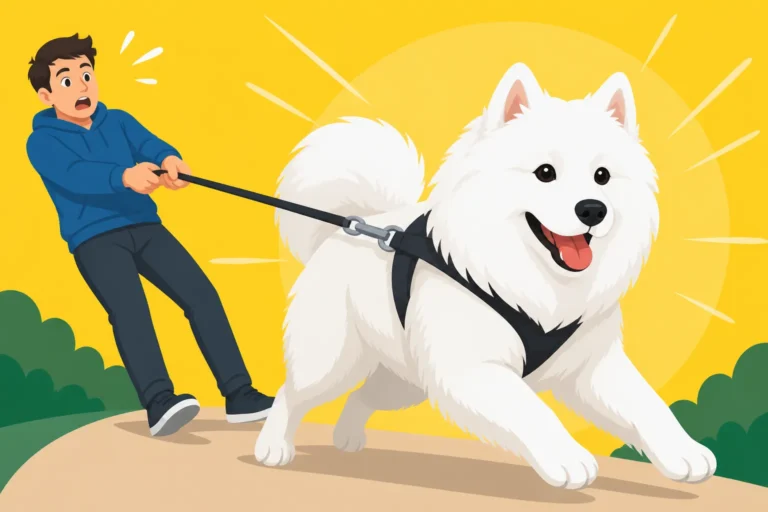
Consider activities that tap into their natural pulling instinct, such as canicross (running with your dog pulling you), bikejoring (biking with your dog pulling), or even recreational sledding or carting if you have the equipment and climate. These types of activities provide not only physical exertion but also a mental "job" that many Samoyeds crave. Without adequate exercise, that boundless energy has to go somewhere, and more often than not, it manifests as destructive behavior indoors. You might wonder How Much Exercise a Samoyed Needs.
Training as Mental Engagement
Training isn't just about teaching your Samoyed "sit" and "stay"; it's a powerful tool for mental stimulation and bonding. Samoyeds are intelligent, but they can also be notoriously independent and see obedience as a suggestion rather than a command. This means you have to make training fun, engaging, and rewarding. Short, frequent training sessions are far more effective than long, drawn-out ones. Use positive reinforcement methods, focusing on high-value treats and enthusiastic praise.
Ongoing training, whether it's working towards an advanced obedience title, learning new tricks, or even practicing scent work, keeps their brains active and engaged. It challenges them to think and problem-solve, burning mental energy just as effectively as physical exercise. A well-trained Samoyed is not only better behaved but also a happier, more fulfilled dog because their intelligence is being honored. If you're struggling to make training stick, consider resources like BAXTER & Bella, which offer structured programs that can help you and your Samoyed build a stronger, more communicative relationship. For more ideas, read What a Samoyed Will Work For.
What to Do When Damage Occurs
Even with the best intentions and proactive measures, sometimes a bored Samoyed will still manage to express their frustration destructively. When this happens, it's crucial to react constructively and to remember that punishing them after the fact is almost always ineffective and can damage your bond.
Damage Control and Safety
First and foremost, assess the damage and ensure your Samoyed is safe. If they've chewed something potentially toxic (like electrical cords, certain plants, or household chemicals), contact your vet immediately. Clear away any debris they might ingest, which could lead to blockages or other health issues. For instance, if they've shredded a pillow, make sure they haven't swallowed any fabric.
Once you've ensured their safety and contained the immediate mess, try to figure out what happened without anger. Yelling at your Samoyed upon discovering the damage won't teach them anything, because they won't associate your anger with an action that happened hours ago. They'll just associate your return with your displeasure, making them fearful of your presence. Instead, focus on preventing recurrence and understanding the why. This may involve temporarily blocking access to the damaged area or securing items that were targets.
Addressing the Root Cause, Not Just the Symptom
Finding a chewed shoe or a freshly dug hole is a symptom, not the problem itself. The problem is usually boredom, lack of exercise, or anxiety. Instead of just cleaning up and moving on, use the incident as a prompt to re-evaluate your Samoyed's daily routine. Were they left alone for too long? Was their morning walk vigorous enough? Did you forget to provide a stimulating puzzle toy?
This is where you implement the proactive strategies discussed earlier, perhaps increasing exercise, adding more mental games, or reinforcing their routine. Maybe they need a longer walk before you leave for work, or you need to invest in more robust chew toys available from retailers like Amazon. It's about adjusting your approach to meet their specific needs, understanding that a Samoyed's energy and intelligence are a gift that needs channeling. This proactive approach will save you countless headaches and repair bills in the long run.
Seeking Professional Guidance
If you've diligently tried to implement various strategies, but your Samoyed's destructive behaviors persist, or if they seem to be accompanied by signs of severe anxiety or distress, it might be time to call in the professionals. A certified professional dog trainer or a veterinary behaviorist can provide tailored advice and help diagnose underlying issues. They can observe your Samoyed's behavior, assess their environment, and help you develop a comprehensive plan.
Sometimes, what appears to be simple boredom can have roots in separation anxiety, phobias, or other behavioral challenges that require a more expert eye. These professionals can offer specialized training techniques, environmental modifications, and in some cases, even discuss medication if anxiety is severe. Don't view seeking help as a failure; view it as giving your Samoyed the best possible chance at a happy, well-adjusted life. It’s an investment in their well-being and your peace of mind.
Here's a quick overview of common Samoyed boredom signs and effective solutions:
| Symptom of Boredom | Common Manifestation | Recommended Solution |
|---|---|---|
| Destructive Chewing | Chewed furniture, shoes, household items | More chew toys, puzzle feeders, supervised chewing sessions |
| Excessive Digging | Holes in yard, dug-up carpet/flooring | Dedicated digging pit, more outdoor exercise, scent games |
| Incessant Vocalization | Constant barking, howling, whining (when alone) | Increased mental stimulation, quiet cue training, consistent routine |
| Restlessness/Pacing | Unable to settle, following owner, agitated pacing | Longer, more vigorous walks, dog sports, training sessions |
| Escape Attempts | Jumping fences, opening gates, digging out of yard | Secure fencing, increased exercise, professional training for recall |
| Hyperactivity/Nipping | Overly boisterous play, nipping at hands/clothes | Structured play, obedience training, puppy classes |
| Self-Licking/Chewing | Obsessive licking of paws, body (after vet check) | Environmental enrichment, anxiety reduction strategies |
Disclaimer
This article is for general informational purposes only and does not constitute professional advice. Laws, prices and regulations vary by location and change over time. Consult a qualified professional for guidance on your specific situation.