Whether a Samoyed’s Coat Grows Back After a Shave
It's a question that haunts many a Samoyed owner, especially when the summer heat hits hard or a beloved fur-friend ends up in a matted mess: "If I shave my Samoyed, will their beautiful coat ever truly grow back the same?" The hope is often that a shave will bring relief from the heat or fix a grooming nightmare, but the reality for double-coated breeds like our smiling Samoyeds is far more complicated and, often, disheartening. This guide will dive deep into the unique structure of the Samoyed's coat, what happens when it's shaved, and what you can truly expect in terms of regrowth and future coat health.
The Allure and Danger of the Clipper: Why Owners Consider Shaving a Samoyed
The thought of shaving a Samoyed, for many, comes from a place of genuine concern and love. We see our fluffy companions panting in the summer sun, or perhaps we've let their magnificent coat get away from us, leading to a tangled disaster. It seems logical, almost intuitive, to reach for the clippers, but what appears to be a quick fix often creates a cascade of new, unexpected problems.
The Misconception of Cooling a Double Coat
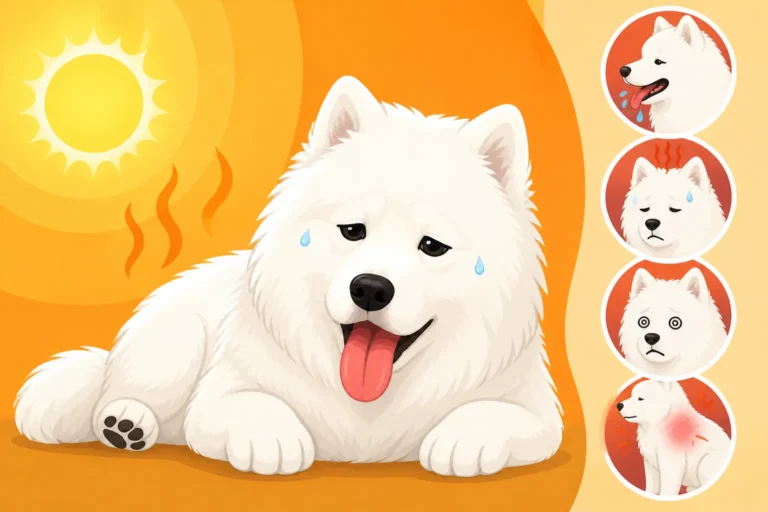
One of the most pervasive myths surrounding double-coated breeds like the Samoyed is that shaving them helps them stay cool in hot weather. It sounds sensible, right? Less hair, less heat. But our Samoyeds are not like us; their coat isn't just a sweater to be shed when it's warm. Instead, it's a marvel of natural engineering, designed to regulate their body temperature in both extreme cold and surprising warmth. The outer layer of coarser guard hairs reflects sunlight and repels water, while the dense, soft undercoat provides an insulating barrier. Removing this protective layer actually exposes their delicate skin to the sun's harsh UV rays, increasing the risk of sunburn and heatstroke, not diminishing it. It's counter-intuitive, but their fur is actually part of their built-in air conditioning system, allowing air to circulate close to their skin. Shaving disrupts this natural system, often making them more susceptible to overheating, which is precisely what we want to avoid for a breed A Samoyed Built for Sixty Below in an American Summer.
Extreme Matting and the Last Resort
Sometimes, despite our best efforts, a Samoyed's coat can become severely matted. Mats are not just unsightly; they pull at the skin, causing pain and discomfort, and can hide skin infections, parasites, or other issues. When matting is extreme and reaches the skin, brushing it out can be incredibly painful, if not impossible, without causing significant distress to the dog. In these rare and unfortunate circumstances, a veterinarian or a very experienced professional groomer might recommend shaving the dog down for its welfare. This isn't a cosmetic choice but a medical necessity to alleviate suffering and allow for proper examination and treatment of the skin beneath. It's a last resort, and one that every Samoyed owner hopes to avoid through diligent grooming practices.
Managing Allergies and Shedding (and why shaving doesn't help)
Another common reason owners contemplate shaving their Samoyed is to reduce shedding or to help family members with allergies. Let's be honest, Samoyeds shed, and when they blow their coat, it's a monumental event that transforms your home into a winter wonderland of white fluff. While shaving does remove the visible hair, it doesn't actually stop the shedding process; it merely changes the length of the hairs being shed. The dog will still shed, just shorter hairs. For allergy sufferers, the issue isn't typically the length of the hair itself, but the dander (microscopic flakes of skin) that gets trapped in the fur. Shaving doesn't reduce dander production; in fact, exposing the skin can sometimes exacerbate skin dryness or irritation, potentially increasing dander. Regular, thorough brushing and bathing are far more effective strategies for managing shedding and dander, and keeping your Samoyed comfortable and your home cleaner.
Unpacking the Samoyed's Magnificent Double Coat
To truly understand what happens when a Samoyed is shaved, we first need to appreciate the intricate design of their coat. It's not just hair; it's a sophisticated protective system honed over centuries of living in extreme Arctic conditions. This remarkable fur is the envy of many, a testament to natural selection, and a core part of what makes a Samoyed a Samoyed.
Guard Hairs: The Protective Outer Layer
Imagine the strong, glossy, and slightly coarse outer coat of your Samoyed. These are the guard hairs, and they are the first line of defense against the elements. Their primary function is protection: they are water-repellent, shedding snow and rain like a well-designed parka. They also shield the skin from harsh UV radiation, preventing sunburn. Think of them as tiny, natural umbrellas that keep the rain off and the sun's harsh rays from scorching the skin beneath. These guard hairs are longer and stronger than the undercoat, and they grow at a slower rate, giving the Samoyed its characteristic pristine white appearance and elegant silhouette. They lie smoothly, preventing dirt and debris from easily penetrating to the skin, and they are surprisingly self-cleaning. This outer layer also contributes significantly to the breed's temperature regulation, creating an insulating layer of air A Samoyed's Coat Is Insulation, Not Decoration.
Undercoat: The Insulating Powerhouse
Beneath those protective guard hairs lies the truly dense, soft, and woolly undercoat. This is the insulation that allows Samoyeds to thrive in sub-zero temperatures, sometimes dropping to sixty degrees below. The undercoat traps air, creating a thermal barrier that keeps them warm in winter and, critically, helps to keep them cool in summer. This dense layer is what gives the Samoyed its plush, cloud-like feel. It's much softer and shorter than the guard hairs, and it grows and sheds at a much faster rate, especially during seasonal "coat blows" where huge amounts of it are released to make way for new growth. This undercoat is what makes up the majority of the "fluff" that Samoyed owners find all over their homes, and it's the component that requires the most regular and thorough grooming to prevent matting and allow for proper air circulation. Understanding What a Samoyed's Double Coat Is Made Of helps appreciate its complexity.
The Natural Growth Cycle of a Samoyed's Fur
Just like human hair, a Samoyed's fur goes through a growth cycle, but it's a bit more specialized for their double coat. Hair growth involves phases: anagen (active growth), catagen (transitional phase), and telogen (resting phase). The guard hairs have a much longer anagen phase and a longer overall cycle, meaning they grow slowly and are retained for a significant period. The undercoat, however, has a shorter cycle, leading to its more frequent shedding and replacement, particularly during seasonal changes, known as "blowing coat." This natural cycle ensures the coat remains healthy and functional, providing continuous protection and insulation. Regular brushing helps to remove the dead undercoat, preventing mats and allowing new, healthy fur to grow in properly. This rhythmic shedding is essential for maintaining the coat's integrity and its ability to perform its vital functions.
What Actually Happens When a Samoyed is Shaved
So, you've made the difficult decision, or it was medically necessary. The clippers come out, and your beautiful Samoyed is suddenly shorn. What happens next is a process of recovery, but it's often not a return to the pristine coat you once knew. The impact can be significant, both aesthetically and functionally.
Damage to the Guard Hairs and Their Function
When a Samoyed is shaved, the clippers don't just remove the fur; they can actually damage the delicate guard hairs. Unlike the undercoat, which is designed to shed and regrow regularly, the guard hairs have a much longer growth cycle. Shaving them can cause them to grow back with a different texture – often coarser, duller, and more prone to breakage. This change in texture can also compromise their natural ability to repel water and reflect sunlight. Without these intact guard hairs, the dog's skin becomes much more vulnerable to sunburn, insect bites, and environmental irritants. The protective umbrella is gone, leaving the skin exposed and much more susceptible to problems. It's a real shame, as Whether a Samoyed's Guard Hairs Reflect Sunlight is key to their cooling.
Undercoat Chaos: The Woolly, Uneven Regrowth
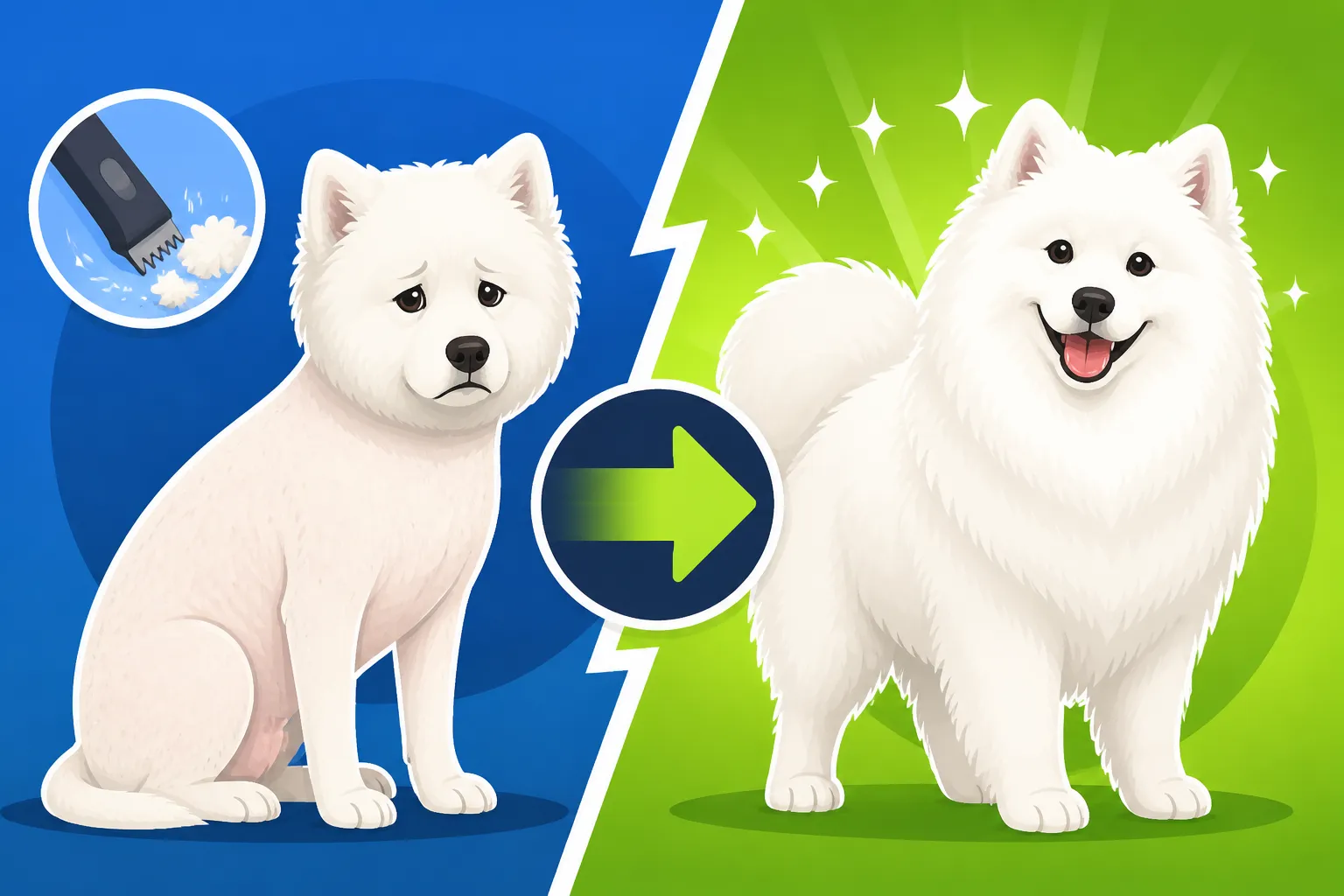
The most common and distressing outcome of shaving a Samoyed is the chaotic regrowth of the undercoat. Because the undercoat grows much faster than the guard hairs, it tends to come in first, and it often grows thicker, denser, and with a more cottony or woolly texture than before. This phenomenon is often called "clipper alopecia" or "post-clipping alopecia," though it's more about the nature of regrowth rather than true alopecia. This thick, matted-prone undercoat can then essentially "choke out" the slower-growing guard hairs, preventing them from pushing through and regaining their rightful place as the outer layer. The result is a coat that is uneven, patchy, feels very different to the touch, and can be much harder to groom effectively. This dense, woolly regrowth can also trap heat, effectively doing the opposite of what the owner intended by shaving for coolness, contributing to Why Shaving a Samoyed Makes the Heat Worse.
Skin Vulnerabilities and Other Health Risks
Beyond the changes to the coat itself, shaving a Samoyed exposes their skin to a host of potential issues. As mentioned, sunburn is a significant risk, especially for a white-coated dog whose skin is often pale and sensitive. Without the natural barrier of their fur, they are also more susceptible to insect bites, allergic reactions from plants or environmental irritants, and even minor scrapes or abrasions that their thick coat would normally prevent. The removal of the coat can also disrupt the natural oil production of the skin, leading to dryness, flakiness, or even hot spots as the skin tries to overcompensate. In some cases, the stress of shaving can even trigger skin conditions or infections that were previously kept at bay by the healthy coat. Owners need to be extra vigilant about skin health after a shave, checking regularly for any signs of irritation, redness, or discomfort.
The Long Road to Regrowth: Can a Shaved Samoyed's Coat Ever Recover?
This is the million-dollar question for many owners filled with regret or worry. The short answer is: sometimes, mostly, but often not completely. Recovery is a long, often frustrating journey, and the outcome can vary significantly from one Samoyed to another. There are many factors at play, including the dog's age, overall health, and the quality of care provided during the regrowth period.
The Initial Unsightly Appearance
Immediately after a shave, a Samoyed often looks quite peculiar. The soft, fluffy cloud is replaced by a much leaner, almost gaunt silhouette, with patches of pink skin showing through. As the fur starts to grow back, it often comes in unevenly, creating a patchy, motley appearance. The undercoat, being faster growing, will likely emerge first, often with a different texture – more woolly, less lustrous. This can make the dog look scruffy and disheheveled for months. It's a stark reminder of the coat's importance, and many owners feel a sense of loss or disappointment at this stage, mourning the loss of their dog's iconic look. Patience is key, but it doesn't make the waiting any easier.
Patchy Growth and "Coat Blow" Issues
As the coat continues to regrow, you might notice persistent patchiness. Some areas might grow back faster or thicker than others. The guard hairs, because of their slow growth cycle, can take a very long time to reappear, sometimes a year or even longer. In some Samoyeds, especially those who were shaved very short or have underlying hormonal imbalances, the guard hairs may never fully return to their original glory, leading to a permanent change in coat texture and appearance. This new, often denser and more cottony undercoat can also make future "coat blows" more challenging. Instead of shedding neatly, the woolly undercoat can easily tangle and mat, becoming incredibly dense and difficult to brush out, potentially leading to more grooming woes down the line. It creates a cycle where the coat might feel thicker and hotter, precisely the opposite of the initial intention.
Potential for Permanent Coat Change
While some Samoyeds are fortunate and their coats eventually return to a semblance of their former glory, many others experience a permanent alteration. The texture might remain softer and more cottony, the guard hairs fewer or less defined, and the overall density different. This isn't just an aesthetic concern; it can affect the coat's ability to protect the dog effectively from weather and sun. For show Samoyeds, a shaved coat is a death knell for their show career, as it fundamentally alters the breed's defining characteristic. Even for beloved pets, the changed coat requires different grooming techniques and vigilance against matting. It's a powerful reminder that Whether a Samoyed's Coat Grows Back After a Shave with its original integrity intact is far from a guarantee.
Better Strategies for Samoyed Comfort and Health
Given the significant risks and uncertain outcomes of shaving a Samoyed, it’s far better to focus on preventative care and alternative strategies to keep your furry friend comfortable and healthy, especially in warmer climates. There are many effective ways to manage their coat and keep them cool without resorting to clippers.
Proper Grooming as a Foundation for Coolness and Cleanliness
Regular and thorough grooming is paramount for a Samoyed's well-being. This isn't just about aesthetics; it's about maintaining the health and function of their incredible coat. Daily or every-other-day brushing, especially during shedding season, is crucial. A good quality slicker brush, an undercoat rake, and a metal comb are your best friends. The goal is to remove all loose undercoat, allowing air to circulate close to the skin. When a Samoyed Blows Its Coat, dedicated deshedding sessions become even more critical. You might even consider investing in a high-velocity force dryer (available on Chewy or Amazon) to help blow out loose undercoat after a bath, which can dramatically reduce shedding and improve air circulation.
Bathing, when done correctly, also plays a vital role. While Samoyeds are surprisingly self-cleaning, a bath every few weeks or months, or when they get particularly dirty, is beneficial. The key is to thoroughly wet the coat down to the skin, use a good quality shampoo, and then, most importantly, dry them completely to the skin to prevent skin issues and matting. Drying a Samoyed to the Skin is a multi-hour commitment, but essential. Regular grooming not only keeps them looking magnificent but actively contributes to their ability to self-regulate temperature.
Environmental Management for Beating the Heat
Instead of modifying the dog's coat, modify their environment. When temperatures climb, keep your Samoyed indoors during the hottest parts of the day. If they must be outside, ensure they have constant access to shade and fresh, cool water. A kiddie pool with a few inches of water can be a fantastic way for them to cool off, or a damp towel on their favorite spot. Cooling mats (you can find various options on Amazon) can also provide a comfortable, cool surface. Running air conditioning in your home is vital. If you live in a particularly hot climate, consider adjusting your daily walks to early mornings or late evenings when it's cooler, and always check the pavement temperature to protect their paws. Knowing Signs a Samoyed Is Overheating and How a Samoyed Should Be Cooled Down are crucial for any Samoyed owner.
Addressing Mats and Skin Issues with Professional Care
If your Samoyed does develop matting, resist the urge to tackle severe mats with scissors yourself, as you can easily cut their skin. Instead, seek the help of a professional groomer experienced with double-coated breeds. They have the right tools and expertise to carefully and painlessly work through tangles or, if absolutely necessary, humanely shave only the affected areas without compromising the entire coat. For any skin issues, such as hot spots, dryness, or allergies, consult your veterinarian. They can diagnose the problem and recommend appropriate treatments, special shampoos, or dietary supplements. A high-quality diet, perhaps like some options found on Ollie, can also contribute to overall skin and coat health, reducing the likelihood of issues. Investing in preventative care and professional assistance will always be a better path than shaving, preserving your Samoyed's glorious coat and ensuring their long-term comfort and health.
| Feature | Natural Samoyed Double Coat | Shaved Samoyed Coat (Post-Shave Regrowth) |
|---|---|---|
| Guard Hairs | Long, coarse, water-repellent, UV protective, reflective. | Damaged, shorter, often coarser/duller, slow to regrow or never fully recovers. |
| Undercoat | Dense, soft, woolly, insulating, sheds seasonally. | Grows back faster, often thicker, more cottony/woolly, prone to matting. |
| Insulation | Excellent; traps air for warmth in winter, coolness in summer. | Compromised; can trap heat due to dense, matted undercoat. Skin exposed. |
| Protection | Shields skin from sun, insects, minor abrasions, dirt. | Reduced; increased risk of sunburn, insect bites, skin irritation. |
| Texture | Soft, plush, with a distinct outer layer. | Uneven, patchy, often feels coarse and cottony, lacking original silkiness. |
| Grooming | Regular brushing to remove undercoat, prevents mats. | Can be much harder to groom, more prone to dense matting due to altered texture. |
| Aesthetics | Iconic "Samoyed smile" and beautiful, fluffy appearance. | Often looks scraggly, unkempt, and loses characteristic silhouette. |
| Health Risks | Minimal, if properly cared for. | Increased risk of skin issues, heatstroke, and permanent coat damage. |
Disclaimer
This article is for general informational purposes only and does not constitute professional advice. Laws, prices and regulations vary by location and change over time. Consult a qualified professional for guidance on your specific situation.