The Age a Samoyed Finally Matures
If you've ever owned a Samoyed, or are considering bringing one of these fluffy, smiling bundles of joy into your home, you've probably heard tales of their seemingly endless puppyhood. It can feel like your charming, mischievous pup will never truly settle down, leaving you wondering if they'll ever outgrow their adolescent antics. This guide is here to shed some light on the often-misunderstood journey of Samoyed maturity, helping you understand what to expect and how to navigate each stage with patience and love.
What "Maturity" Really Means for a Samoyed
When we talk about a dog reaching "maturity," it's not a single, sudden event, but rather a gradual process that involves both physical and mental development. For Samoyeds, this journey is often longer and more nuanced than many other breeds, which can be a source of frustration and confusion for owners.
Physical Maturity vs. Mental Maturity
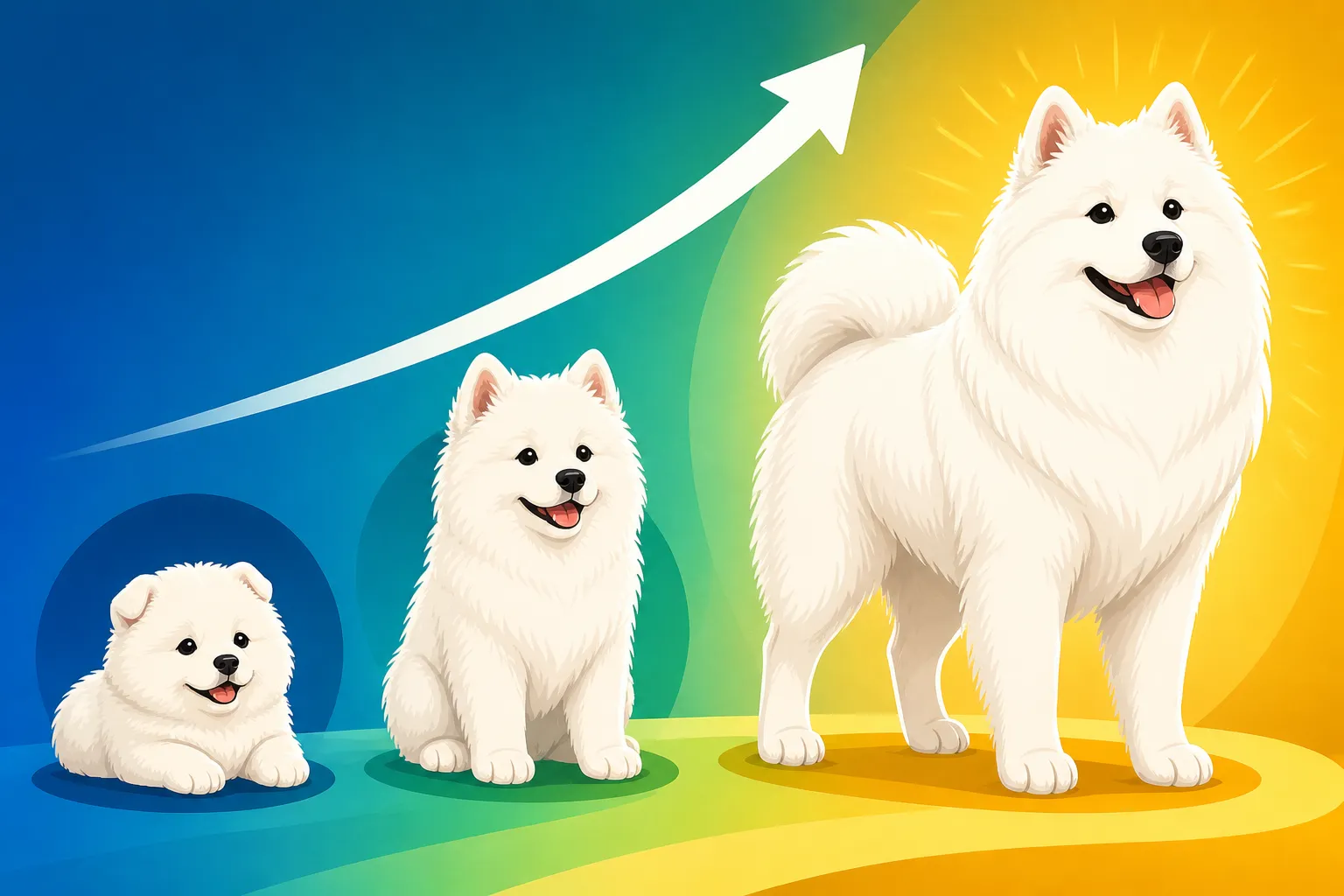
First, it's crucial to distinguish between physical and mental maturity. A Samoyed might reach their full adult height and weight surprisingly quickly, often by 12 to 18 months of age. You'll see their glorious double coat fully come in, their paws look enormous, and suddenly, they're not quite so puppy-like in stature anymore. This physical development often gives owners a false sense of security, making them think the "puppy stage" is over. However, while their bodies might be adult, their minds are often still very much in a rambunctious, boundary-testing, adolescent phase. This can be startling when you have a dog that looks like a majestic adult but still acts like a playful, if not chaotic, toddler.
Mental maturity is a far more elusive milestone for our Samoyed friends. It encompasses things like impulse control, consistent obedience, the ability to settle down in different environments, and a general understanding of household rules and expectations. This is where the patience comes in. While some breeds might hit this mental stride around 18 months or two years, Samoyeds often take significantly longer. Their intelligent yet independent nature means they're constantly assessing what's in it for them, and developing true self-control requires time, consistent training, and a deep bond built on trust and clear communication.
The Samoyed's Unique Timeline
The Samoyed's lineage as an ancient, primitive breed plays a significant role in their developmental timeline. Bred for working independently with reindeer herds and living closely with their human families in harsh environments, they developed a clever, sometimes stubborn, and highly social temperament. This means they are not simply looking to please you, but rather to engage with you on their terms. This independent streak translates into a longer period of what we lovingly call "teenage angst."
While a smaller, more biddable breed might feel like an adult by its first birthday, a Samoyed at the same age is usually still a whirlwind of energy, curiosity, and selective hearing. They are still absorbing the world, experimenting with their limits, and figuring out their place in your family. Expecting a Samoyed to be a perfectly behaved, calm adult at 18 months is setting yourself up for disappointment. It's more realistic to view the period from 6 months to about 2.5 or even 3 years as a prolonged adolescence, with true maturity often not settling in until they are around three years old, or sometimes even a bit beyond. This extended "youth" is part of their charm, but also their biggest training challenge.
The Puppy Phase: Adorable Chaos
Oh, the Samoyed puppy phase! It’s a time filled with fluffy cuteness, sharp puppy teeth, and an endless wellspring of energy. From the moment you bring them home, usually around 8-10 weeks, until they hit that six-month mark, you’re on a fast-paced learning curve, both for you and for your tiny cloud.
Boundless Energy and Short Attention Spans
Samoyed puppies are like little white blurs, constantly exploring, sniffing, and trying to get into everything. Their energy levels are off the charts, and they seem to have an internal motor that never truly stops. This means a lot of playtime, a lot of short walks, and a lot of redirection to appropriate chew toys away from your favorite shoes or furniture. You'll quickly learn that a tired puppy is a good puppy, but tiring out a Samoyed puppy takes dedication! They need multiple short bursts of activity throughout the day, whether it's playing fetch in a secure yard, engaging in a structured play session, or even just some good old-fashioned tug-of-war.
Their attention spans are notoriously short during this stage, which can make training feel like an uphill battle. You might teach a "sit" command, and they'll nail it three times in a row, only to completely forget it the next minute because a leaf blew by, or a dust bunny dared to exist under the couch. This isn't stubbornness (yet!), it's simply puppy brain development. Keep training sessions short, fun, and packed with high-value treats and praise. Repetition, consistency, and a sense of humor are your best friends during this period. Remember, every interaction is a training opportunity, even if it's just practicing polite greetings or waiting at a door. The First Year With a Samoyed Puppy can give you more insights into managing this exhilarating period.
Early Learning and Socialization Foundations
Despite the chaos, the puppy phase is absolutely critical for laying down the foundations of a well-adjusted adult Samoyed. This is the prime socialization window, where your puppy's experiences will shape their reactions to the world for the rest of their life. Expose them to as many new sights, sounds, people, and friendly dogs as possible, always ensuring these experiences are positive and not overwhelming. Think car rides, visits to pet-friendly stores (after vaccinations are complete), gentle interactions with children, and meeting different types of people. A good puppy class, perhaps even one recommended by a platform like BAXTER & Bella, can be incredibly valuable here, not just for basic obedience but for crucial structured socialization with other puppies and people.
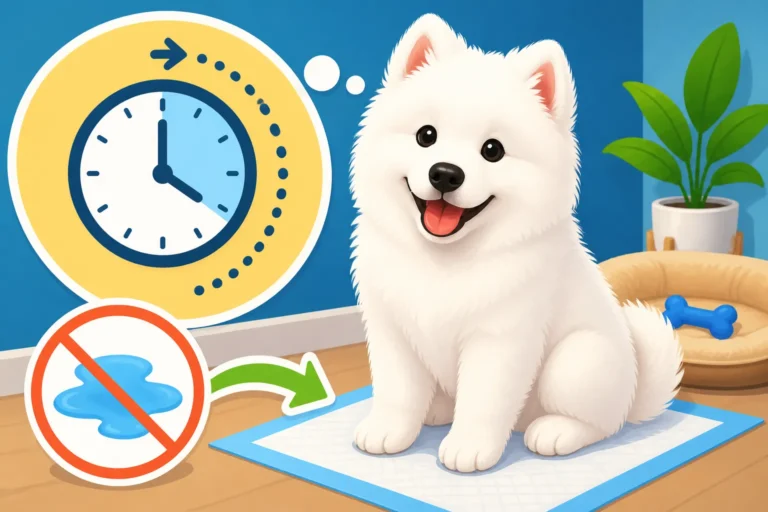
House training is another big one during this phase. Samoyeds are generally intelligent and can pick up on routines quickly, but consistency from you is key. Frequent trips outside, immediate praise for pottying in the right spot, and cleaning accidents thoroughly are all part of the process. Crate training can be immensely helpful for both house training and managing their destructive tendencies when you can't supervise them directly. A comfortable crate from Amazon can be a great investment for safety and peace of mind. Remember, the goal here isn't perfection, but building positive associations and setting expectations for future learning.
Navigating Samoyed Adolescence: The "Teenage" Years
Just when you think your Samoyed puppy is starting to get the hang of things, BAM! They hit adolescence. This phase, roughly from 6 months to about 2 years, is often the most challenging for Samoyed owners. It's a period of immense physical growth and hormonal changes, coupled with a significant shift in mental development that can feel like a major step backward in training.
Testing Boundaries and Selective Hearing
Suddenly, your seemingly well-trained puppy develops a serious case of selective hearing. Commands they once knew perfectly are now met with a blank stare, a playful head tilt, or a determined sprint in the opposite direction. This isn't malicious, but it is deeply frustrating. Your Samoyed is now a teenager, testing the limits of their independence and trying to figure out if those rules you've been so consistent with are truly set in stone. They'll try to push boundaries, see what they can get away with, and sometimes act as if they've never heard the word "come" in their life. This is particularly true for that famously unreliable Samoyed recall.
It's vital during this stage to double down on your consistency. This isn't the time to relax training; it's the time to intensify it. Go back to basics, practice commands in a variety of environments, and ensure your rewards are still highly motivating. A Samoyed needs a compelling reason to choose to listen to you over the exciting distractions of the world. Think of it less as stubbornness and more as an intelligent dog making choices based on perceived value. For deeper insights into their sometimes-negotiable obedience, check out Training a Samoyed That Finds Obedience Negotiable.
Surges of Energy and Impulse Control Challenges
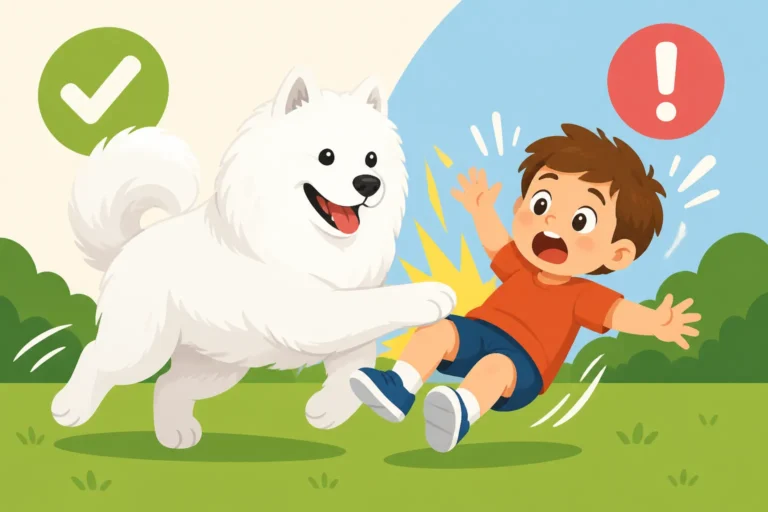
Adolescent Samoyeds still possess incredible energy, but it often comes in surges that are harder to manage than in puppyhood. They might suddenly get a "zoomies" burst, tearing around the house or yard with reckless abandon. Their growing bodies are powerful, and their minds are still developing the necessary impulse control to temper that power. You might find them jumping more, mouthing more intensely, or struggling to settle down even after a good walk. This is often where owners become overwhelmed, as a powerful, enthusiastic, and less-than-obedient dog can be a handful.
Focus on structured exercise that channels their energy productively. Long walks, controlled play sessions, and even introducing dog sports like canicross or even early sledding preparation (age-appropriate, of course) can be beneficial. Mental stimulation is equally important; puzzle toys, scent work, and learning new tricks can tire out their brains as much as physical activity tires their bodies. Impulse control exercises, like "leave it" and "wait," become paramount. Practice these frequently in low-distraction environments before gradually increasing the challenge. Remember, their brains are still building those neural pathways for self-regulation, so patience and repetition are crucial. How Much Exercise a Samoyed Needs provides great guidance on this front.
Hormonal Changes and Their Impact
Around 6 to 18 months, Samoyeds experience significant hormonal shifts as they transition into sexual maturity. For males, this can mean an increased interest in sniffing out female dogs, a stronger urge to mark territory, and sometimes an escalation in challenging behavior towards other intact males. You might notice them becoming more independent or seemingly "deaf" to your calls, especially if there's an interesting scent trail to follow. For females, heat cycles bring their own set of behavioral changes, from increased clinginess to restlessness and flirtatious behavior with male dogs.
These hormonal changes can definitely impact behavior, making an already rambunctious adolescent even more challenging. If you are considering breeding, you'll want to understand these changes. If not, many owners choose to spay or neuter their Samoyed around this age, often after consulting with their vet about the optimal timing for their individual dog's growth plates and development. While spaying or neutering isn't a magic fix for all behavioral issues, it can help reduce some hormone-driven behaviors like roaming, marking, and certain types of aggression in males. However, it will not instantly make an untrained dog obedient. Understanding Whether an Intact Male Samoyed Roams can be helpful in making decisions about your dog's care during this period.
The Gradual Shift to Adulthood
After the roller coaster of adolescence, you'll begin to notice a subtle, yet welcome, shift in your Samoyed's demeanor. This period, typically from 2 to 3+ years of age, marks their true transition into mental adulthood. It's not a light switch moment, but rather a slow, gentle settling that brings with it a deeper understanding and a more consistent temperament.
Settling In: A Newfound Calm?
By two years old, many Samoyeds start to show signs of finally "growing up." Their energy levels, while still significant, often become more manageable. Those wild bursts of zoomies might become less frequent, or at least easier to interrupt. They might start to choose a comfy spot to nap rather than constantly patrolling the house for mischief. This isn't to say they'll turn into couch potatoes overnight – a Samoyed will always retain a playful, joyful spirit – but the intense, sometimes overwhelming, puppy and adolescent energy begins to mellow. You might find them more willing to cuddle quietly, or simply hang out nearby without demanding constant attention.
This newfound calmness is often a direct result of their brain continuing to develop, particularly the parts responsible for impulse control and decision-making. They're better able to self-regulate, to understand consequences, and to make more appropriate choices. You'll likely notice that their training becomes more reliable. Commands that were hit-or-miss during adolescence are now consistently performed. They're more attuned to your moods and expectations, and less driven purely by their own whims. It's a truly rewarding phase for owners who have put in the hard work during those earlier years.
Deepening Bonds and Trust
As your Samoyed matures, the bond you share deepens profoundly. The relationship moves beyond simply being their provider of food and fun; it evolves into a true partnership based on mutual respect and understanding. They learn to trust your leadership and guidance, and you learn to better read their subtle cues and understand their unique personality. This is the period where their famous loyalty truly shines through, often solidifying into an unbreakable devotion to their family. They understand their role in the household and are generally more content and secure in their environment.
This deeper bond also means they are often more content to be near you, even if they aren't actively engaged in an activity. Why a Samoyed Wants to Be in the Room With You becomes even more apparent during this phase; they truly thrive on being part of the family unit. You'll find them following you from room to room, settling at your feet while you work, or quietly observing the household goings-on. It's a beautiful stage where all the early struggles and training efforts start to pay off in the form of a calm, confident, and incredibly loving companion. Their communication also becomes more refined; you'll learn to distinguish their various vocalizations, from happy grumbles to questioning "woos," gaining insight into What a Samoyed Sounds Like When It Talks.
Factors Influencing Samoyed Maturity
While there's a general timeline for Samoyed maturity, it's never a one-size-fits-all situation. Several factors can influence how quickly, or slowly, your individual Samoyed develops, and understanding these can help you manage your expectations.
Genetics and Breeding Lines
Just like with humans, genetics play a significant role in a dog's developmental speed and temperament. Some Samoyed lines are known for maturing faster, settling down mentally at an earlier age, while others tend to retain their puppy-like exuberance for longer. This isn't necessarily good or bad, but it highlights the importance of choosing a reputable breeder. A good breeder will be transparent about the temperaments of their breeding stock and previous litters, giving you an idea of what to expect from your puppy's general disposition and maturity timeline. They can tell you if their dogs tend to be more independent or biddable, and when they typically settle down.
Beyond temperament, genetics also dictate physical growth. While most Samoyeds reach their full height by 12-18 months, and fill out by 2 years, some lines might take a bit longer to fully mature physically. So, while The Age a Samoyed Stops Growing might give you a general idea, your specific dog's lineage will have the final say. Likewise, Whether a Samoyed Fills Out After Two often depends on the genetics passed down from their parents. Knowing your dog's lineage can give you a subtle clue about their inherent tendencies, though individual personalities always shine through.
Training, Exercise, and Environment
Perhaps the biggest influence on your Samoyed's maturity, outside of genetics, is the environment you provide. Consistent, positive reinforcement training is paramount. A Samoyed that has clear boundaries, regular training sessions, and plenty of opportunities to learn and practice good behavior will mature more gracefully than one left to their own devices. Dogs thrive on routine and clear expectations, and Samoyeds are no exception. If you drop the ball on training during adolescence, you're likely to have a longer, more challenging journey to maturity.
Adequate physical exercise is non-negotiable for a Samoyed. A bored Samoyed is a destructive Samoyed, and that boundless energy needs a healthy outlet. Without it, they're more likely to channel their exuberance into undesirable behaviors, extending their "naughty" phase. Mental stimulation is equally crucial; intelligent breeds like Samoyeds need their brains exercised as much as their bodies. Puzzle toys, interactive games, and continuous learning can keep their minds engaged and help them develop better impulse control. The overall structure, predictability, and enrichment of their daily lives are huge contributors to their journey towards a calm, confident adulthood. Remember, training doesn't end when they pass puppy class; it's a lifelong endeavor.
Living with a Maturing Samoyed: Expectations vs. Reality
Understanding that Samoyed maturity is a marathon, not a sprint, is key to a harmonious household. It’s about adjusting your expectations and embracing the journey with patience and a whole lot of love.
Patience is a Virtue (and a Necessity)
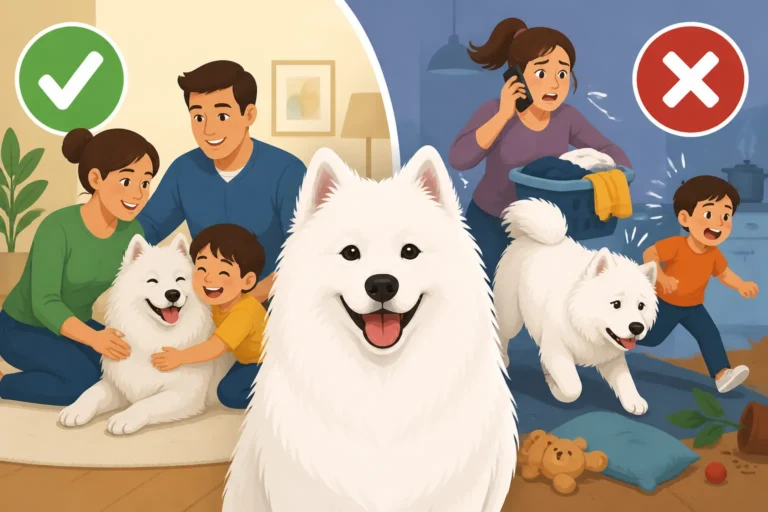
If there's one word to describe what you need when raising a Samoyed, especially through adolescence, it's patience. There will be days when you feel like you've made zero progress, when your fluffy companion seems to have forgotten every single command, or when their energy levels feel impossible to manage. It's easy to get frustrated, to feel like you're doing something wrong, or to compare your Samoyed to other breeds that seem to "grow up" faster. Don't fall into that trap. Every dog, and especially every Samoyed, develops at their own pace.
Remember that underneath the occasional naughtiness and boundless energy is a genuinely sweet, intelligent, and deeply loving dog. Your consistent efforts, even when they seem futile, are slowly but surely building the foundation for a wonderful adult companion. Celebrate the small victories: a successful recall in a distracting environment, a moment of calm settling, or a polite greeting with a stranger. These are all signs of progress, even if the overall picture still feels a bit chaotic. How Many Hours a Samoyed Can Be Left is another aspect where patience pays off as they learn to manage alone time over their developmental stages.
Continued Training and Mental Stimulation
Just because your Samoyed is getting older doesn't mean training stops. In fact, continued training, particularly through adolescence and into early adulthood, is essential for solidifying good habits and reinforcing that bond. Consider enrolling in advanced obedience classes, trying out dog sports like agility, rally, or even scent work. These activities provide both physical and mental stimulation, which is vital for a breed that thrives on having a "job." They also reinforce your leadership and keep your Samoyed's mind sharp and engaged.
Mental enrichment at home is also crucial. Rotate toys, use puzzle feeders, and engage in short, fun training sessions throughout the day. A tired Samoyed, both mentally and physically, is a well-behaved Samoyed. Remember that Samoyeds are smart; they need challenges to prevent boredom, which can often manifest as destructive behaviors or excessive vocalization. Platforms like BAXTER & Bella offer ongoing training resources that can be adapted for adolescent and adult dogs, helping you keep things fresh and engaging. Consistent mental work will do wonders for their impulse control and overall maturity.
Celebrating the Milestones
Finally, take time to celebrate the milestones in your Samoyed's journey. From the first time they consistently respond to a recall at the park, to the day they finally settle down calmly during a family dinner, these moments are precious. Acknowledge the hard work you've put in and the progress your Samoyed has made. This isn't just about their physical growth, but about their development into a well-adjusted, confident, and beloved member of your family.
| Maturity Stage | Typical Age Range | Key Characteristics | Owner's Focus |
|---|---|---|---|
| Puppyhood | 8 weeks – 6 months | Rapid physical growth, boundless energy, short attention span, intense curiosity, socialization window, sharp teeth. | Socialization, house training, basic obedience (short sessions), crate training, safe chewing alternatives. |
| Adolescence | 6 months – 2 years | Full physical size, surges of energy, selective hearing, boundary testing, hormonal changes, impulse control challenges. | Consistent advanced training, structured exercise, mental stimulation, reinforcing recall, managing hormones. |
| Early Adulthood | 2 years – 3 years | Mellowing energy, increased reliability in training, deeper bond, better impulse control, settling into routine. | Maintaining training, advanced activities, continued exercise, enjoying companionship. |
| Full Adulthood | 3 years and beyond | Stable temperament, consistent behavior, confident and well-adjusted, full mental maturity. | Enrichment, health maintenance, cherished companionship. |
While the path to a fully mature Samoyed can be longer and more winding than with many other breeds, the destination is truly worth it. You'll gain a devoted, intelligent, and joyful companion whose "smile" will warm your heart for years to come.
Disclaimer
This article is for general informational purposes only and does not constitute professional advice. Laws, prices and regulations vary by location and change over time. Consult a qualified professional for guidance on your specific situation.