Whether a Samoyed Breeder Picks Your Puppy
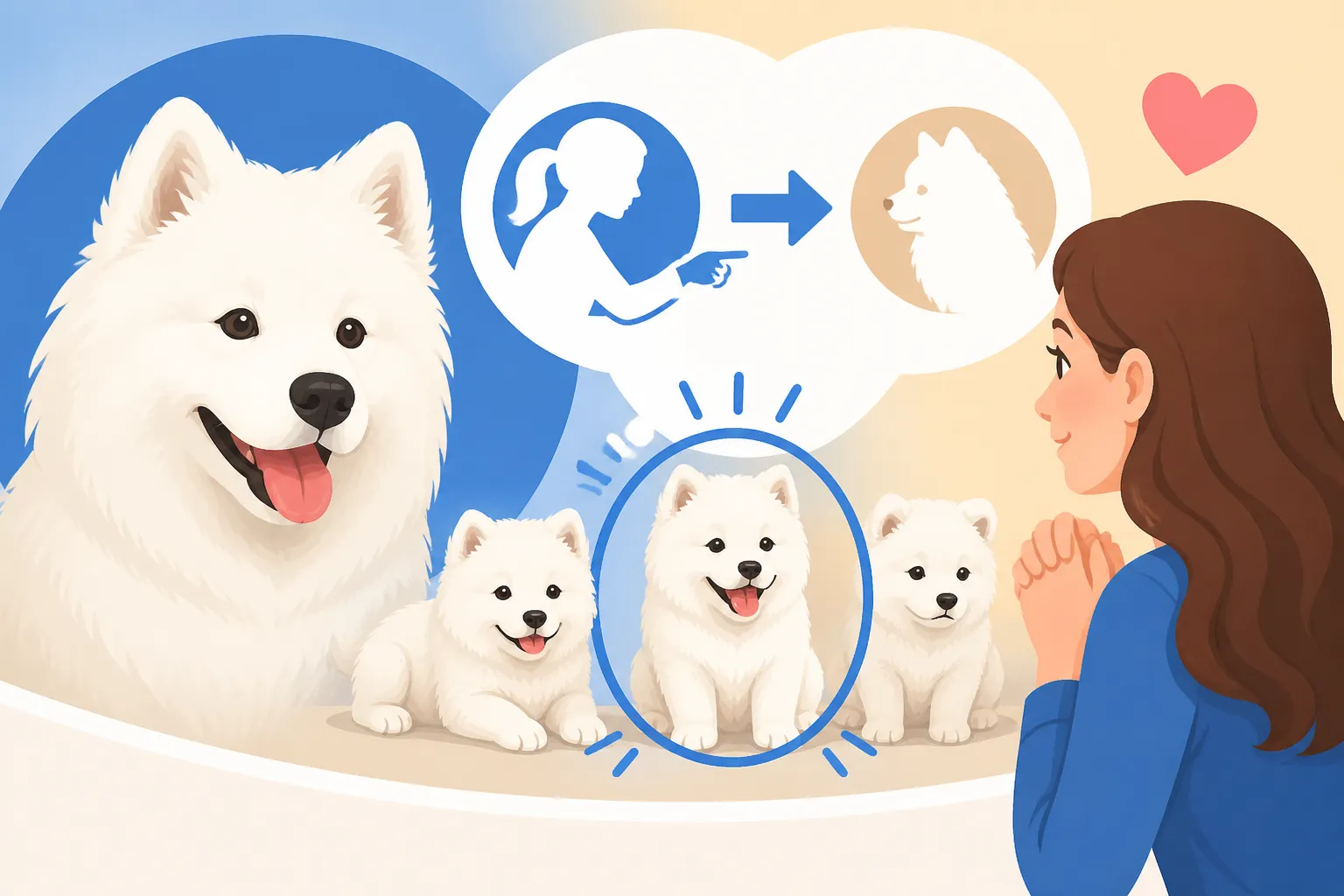
Bringing a Samoyed puppy into your home is an incredibly exciting prospect, but many prospective owners imagine a heartwarming scene of choosing their fluffy companion from a playful litter. The reality for most reputable Samoyed breeders, however, is often quite different: they typically reserve the right to select the puppy they believe is the best fit for your family. This guide will help you understand why this is the case, what to expect from the puppy placement process, and how your input plays a vital role in finding your perfect furry family member.
Understanding the Breeder's Role in Puppy Placement
It can feel a little strange, even a bit impersonal, when a breeder tells you that they will be picking your puppy. After all, you’re the one who will be living with this dog for over a decade! But for experienced Samoyed breeders, this isn't about being controlling; it's about making the most informed decision possible to ensure a successful, lifelong match. They've poured their heart and soul, not to mention countless hours, into raising these puppies, and their primary goal is to see them thrive in their new homes.
Why Breeders Make the Final Decision
Think about it from their perspective: a dedicated Samoyed breeder has spent weeks, often months, observing these puppies from the moment they are born. They've watched them interact with their littermates, with their mother, and with various human visitors. They've seen how they react to new sounds, different textures, and various stimuli. This intimate knowledge of each puppy's burgeoning personality is something no prospective owner, no matter how keen, can acquire in a short visit or two. They know their lines, they know the typical temperaments, and they know what kind of home each specific puppy will flourish in.
For example, a super high-energy, boisterous Samoyed puppy, while adorable, might be a disaster in a quiet, sedentary household. Conversely, a more reserved, sensitive puppy could be overwhelmed in a bustling home with young children and constant activity. The breeder acts as a matchmaker, using their expertise to avoid these potential mismatches. They understand that a wrong placement can lead to stress for both the dog and the family, sometimes even resulting in the dog being rehomed, which is a heartbreaking outcome for everyone involved. Why Samoyeds Are Surrendered explores some of the reasons dogs end up in rescue, and often, it's due to a mismatch in expectations or temperament.
The Science and Art Behind Breeder Selections
Breeders employ a blend of scientific observation and intuitive understanding in their selection process. They often conduct temperament tests, sometimes called "puppy aptitude tests" or variations thereof, around seven to eight weeks of age. These tests involve presenting puppies with a series of gentle challenges designed to gauge their reactions to novelty, their willingness to follow a human, their retrieve drive, their social attraction, and their reactions to being handled or startled. These aren't pass/fail tests but rather tools to assess innate tendencies.
Beyond formal testing, there's a huge "art" component to it. It's the daily, informal observations: which puppy is always the first to explore a new toy? Which one hangs back? Who's the instigator of play fights, and who's the peacekeeper? Which one prefers snuggles over roughhousing? These subtle nuances, observed consistently over weeks, paint a comprehensive picture of each puppy's individual character. They're looking to see The First Year With a Samoyed Puppy unfold successfully, setting the stage for a well-adjusted adult dog.
Your Input: How Prospective Owners Influence the Choice
While the breeder ultimately makes the final decision, your role in this process is absolutely crucial. You are not just a passive recipient; you are providing the vital information the breeder needs to make an informed match. Think of it as a collaborative effort where your honesty and thoroughness directly impact the success of the placement.
Communicating Your Lifestyle and Preferences
This is where you shine! Be as detailed and honest as possible about your living situation, lifestyle, and what you're looking for in a canine companion. Don't tell the breeder what you think they want to hear. Instead, share the unvarnished truth about your family dynamics, work schedule, activity levels, and prior dog experience.
Consider these questions:
- Who lives in your home? Are there young children, teenagers, elderly family members? A Samoyed With Children and Other Animals can be a great resource for understanding these dynamics.
- Do you have other pets? Cats, other dogs, small animals?
- What's your typical daily routine like? Are you home all day, or do you work long hours?
- How active are you? Do you enjoy long hikes, or are you more of a couch potato? Samoyeds are energetic, and How Much Exercise a Samoyed Needs is important to consider.
- What are your expectations for a dog's temperament? Do you want a confident, outgoing dog, or a more mellow, cuddly one?
- Have you owned a Samoyed or other Northern breed before? Whether a Samoyed Suits a First Time Owner is a question many first-time owners grapple with.
- What are your plans for training? Are you committed to ongoing classes and socialization? Remember, Training a Samoyed That Finds Obedience Negotiable!
A good breeder will use this information to narrow down the potential puppies that would be a good fit. For example, if you live in an apartment and have a quiet lifestyle, they wouldn't place a puppy with an extremely high drive that needs constant stimulation and acreage to run.
Temperament Testing and Observation
Sometimes, a breeder might invite approved prospective owners to participate in observations or even gentle interactions with the puppies, usually around the 6-8 week mark. This isn't usually about "picking" your puppy on the spot, but rather for you to get a feel for the litter as a whole and for the breeder to observe your interactions. They'll be watching how you handle the puppies, how you react to their boisterousness or shyness, and whether your expectations align with what they're seeing in the litter.
It’s an invaluable opportunity for you to ask questions, observe the litter dynamics, and confirm your preferences. You might find yourself drawn to a specific puppy, and while the breeder will still have the final say, your observed connection and preference can certainly be a strong factor in their ultimate decision, especially if that puppy's temperament already aligns with your stated lifestyle. This stage is also a chance to learn more about the specific health protocols the breeder follows for their puppies and parents, giving you peace of mind about what you're getting. The Health Tests Both Samoyed Parents Should Have is an excellent topic to discuss with your breeder.
The Puppy Selection Process: What to Expect
Once the breeder has gathered all the necessary information, they will begin the process of matching each puppy to its future family. This usually doesn't happen the moment you meet the litter, as much as we all wish it did! It's a thoughtful process that takes time and consideration.
When and How the Selection Happens
Typically, the official "selection" or "allocation" of puppies happens when they are between 7 and 9 weeks old. By this age, their individual personalities are much more pronounced and consistent, making the temperament assessments more reliable. The breeder will review all applications, their observations of the puppies, and potentially notes from your visits or conversations.
They might then contact you directly, either by phone or email, to announce which puppy they've chosen for your family. They should be able to articulate why they chose that specific puppy for you, referencing its temperament, energy level, and how those traits align with your stated preferences and lifestyle. For example, they might say, "We've matched you with 'Blue Collar Boy' because his calm demeanor and love for gentle play will be perfect for your quiet household with young children." This transparency is key to building trust.
This is also a good time to discuss logistics like pick-up dates, remaining payment, and any specific items you'll need for your new Samoyed. Many breeders provide a comprehensive puppy pack, often including starter food (like some high-quality kibble or perhaps even a sample of Ollie's fresh food if they use it), vaccination records, a blanket with the litter's scent, and perhaps a toy.
| Factor Considered by Breeder | Description | Owner Input |
|---|---|---|
| Temperament | Energy level, confidence, shyness, social drive, play style, bite inhibition | Detailed description of desired energy, interaction preferences, family dynamics |
| Physical Traits | Size potential (within breed standard), coat type, structure (if for showing) | Preferences for size (if a male or female preference), interest in showing/working, activity level |
| Health | Any observable quirks, robust health status | Commitment to regular vet care, understanding of potential breed-specific health issues |
| Owner Experience | Previous dog ownership, understanding of Samoyed needs | Honesty about past experience, willingness to learn and commit to training |
| Lifestyle Match | Activity level of family, home environment (apartment vs. house, yard size) | Detailed explanation of daily routine, leisure activities, living situation |
What Happens If There's a Mismatch?
In rare cases, a prospective owner might feel that the puppy chosen for them isn't quite right. Perhaps they had their heart set on a specific look or felt a different connection during an earlier visit. It's vital to communicate these feelings openly and respectfully with the breeder. A good breeder values honesty and wants the best for their puppies. They might be able to explain their reasoning further, which could alleviate your concerns.
Sometimes, if another suitable puppy is available in the litter that genuinely matches your needs better (and hasn't already been promised to another family), the breeder might be able to make an adjustment. However, this is not a guarantee and should not be expected. It's more likely if you're flexible and trust the breeder's judgment. If, after thorough discussion, a fundamental disagreement remains, it's possible the breeder might suggest that this isn't the right litter for you, or perhaps a Samoyed isn't the right breed. While disappointing, it's far better to realize this early than to proceed with a puppy that isn't a good fit. Remember, a Samoyed is a lifelong commitment, and ensuring a good match from the start helps mitigate future challenges. What Thirteen Years With a Samoyed Comes To is a long journey.
Building Trust with Your Samoyed Breeder
The relationship with your Samoyed breeder shouldn't end the day you take your puppy home. A responsible breeder is a lifelong resource, a mentor, and often, a friend. Establishing a foundation of trust and open communication from the very beginning is invaluable for the entire lifespan of your Samoyed. This is why paying What a Samoyed Puppy Costs From a Breed Club Breeder is often more than just a transaction; it's an investment in a support system.
Questions to Ask About Their Placement Philosophy
Don't be shy about asking a breeder about their puppy placement philosophy. This shows you're a thoughtful and engaged prospective owner. Here are some questions you might consider:
- "How do you determine which puppy goes to which home?"
- "Do you use any specific temperament tests, and could you walk me through what those involve?"
- "What kind of home do you feel best suits this particular litter's parents' temperaments?"
- "What if I have a strong preference for a specific puppy? How do you factor that in?"
- "What kind of ongoing support do you offer after I take my puppy home?"
Their answers will give you a clear picture of their dedication and their methods. Look for breeders who are confident, transparent, and clearly prioritize the well-being of their puppies. They should be able to articulate their reasoning and stand by their process. Also, inquire about health guarantees and what they cover. Some breeders may specifically cover certain genetic conditions, and understanding this can influence choices like pet insurance later on. You might consider a provider like Healthy Paws to help with unexpected vet bills.
Red Flags in Puppy Placement
While most reputable Samoyed breeders follow similar practices, there are some red flags that should make you pause. Trust your gut. If something feels off, it probably is.
- "Pick of the litter" mentality: A breeder who allows you to simply pick the cutest puppy on sight without any discussion of temperament, lifestyle, or even a thorough application process is a huge red flag. This indicates they are more interested in making a sale than a good match.
- No questions asked: If a breeder doesn't ask you a myriad of questions about your life, home, and experience, they aren't invested in placing their puppies appropriately.
- Puppies available too young: Reputable breeders typically don't release puppies before 8 weeks of age, as this crucial period is vital for socialization with their mother and littermates.
- Unwillingness to discuss temperament: If they can't tell you anything specific about each puppy's personality, or dismiss your concerns about temperament, that's a problem.
- Lack of health testing information: A good breeder should be transparent about the health testing done on the parent dogs and be able to explain The COL4A5 Test Every Samoyed Buyer Should Ask About and other important screenings.
Ultimately, the goal is to bring home a healthy, well-adjusted Samoyed puppy that will thrive in your home for years to come. By understanding the breeder's role and being an active, honest participant in the process, you significantly increase your chances of a truly happy match. You can then focus on all the fun stuff, like picking out puppy food from Chewy or setting up a subscription for a fresh food diet like Ollie, knowing you've got the right dog for your family. The Household a Samoyed Was Built For is unique, and finding that perfect fit is paramount.
Disclaimer
This article is for general informational purposes only and does not constitute professional advice. Laws, prices and regulations vary by location and change over time. Consult a qualified professional for guidance on your specific situation.