Whether a Samoyed Health Guarantee Covers the Kidneys
Bringing home a fluffy Samoyed puppy is a dream come true for many, filled with visions of joyful snow adventures and endless cuddles. However, the reality for some families can be shattered by the devastating diagnosis of a serious, often inherited, health condition. One of the most heartbreaking and frequently misunderstood issues is Samoyed Hereditary Glomerulopathy (SHG), a kidney disease that can prematurely claim the lives of male Samoyeds. This guide will help you understand whether a typical Samoyed health guarantee truly covers such a complex and often late-onset genetic disease, and what steps you can take to protect yourself and your beloved companion.
Understanding Samoyed Hereditary Glomerulopathy (SHG)
The idea of a health guarantee often brings comfort, but it’s crucial to understand the specifics of the conditions it’s meant to cover. Samoyed Hereditary Glomerulopathy (SHG) is not just any kidney problem; it's a specific, X-linked genetic disorder primarily affecting male Samoyeds, leading to progressive kidney failure. It's caused by a defect in the COL4A5 gene, which is responsible for producing a crucial type of collagen found in the kidney's filtering units.
What Samoyed Hereditary Glomerulopathy Does to the Kidneys
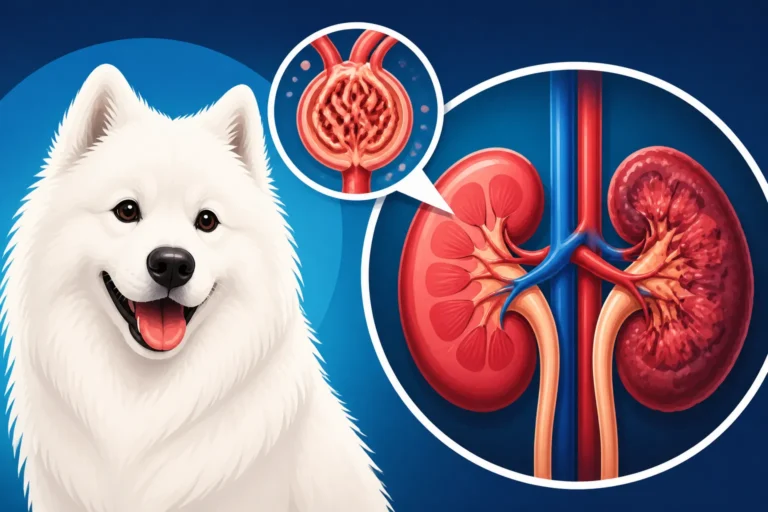
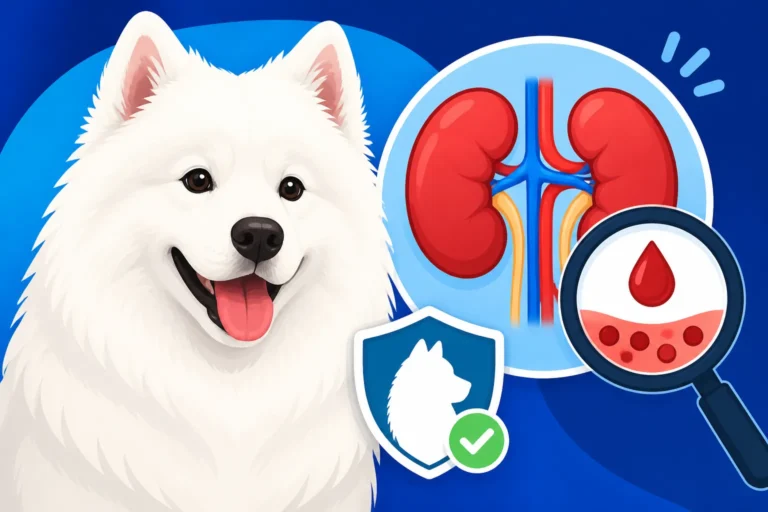
Imagine your Samoyed's kidneys as tiny, intricate filters, constantly cleaning waste products from their blood. In a dog affected by SHG, this delicate filtering system starts to break down. Specifically, the basement membrane of the glomeruli, the actual filtering structures, becomes fragile and leaky. This means that vital proteins, which should remain in the bloodstream, begin to spill out into the urine. This loss of protein is often the first detectable sign, long before outward symptoms appear. Over time, this damage escalates, leading to irreversible kidney scarring and, eventually, kidney failure. To truly grasp the severity, it's worth understanding What Samoyed Hereditary Glomerulopathy Does to the Kidneys.
Why SHG Devastates Male Samoyeds
The genetic nature of SHG is particularly cruel for male Samoyeds. Because the defective gene is on the X chromosome, and males only have one X chromosome (XY), they are fully affected if they inherit the faulty gene from their mother. Females, with two X chromosomes (XX), can be carriers but usually only experience a much milder form of the disease, if any symptoms at all, because their second, healthy X chromosome often compensates. This X-linked inheritance pattern explains Why Samoyed Hereditary Glomerulopathy Only Devastates the Boys. The progression in males is typically rapid and aggressive once symptoms become apparent, often leading to a much shorter lifespan than the breed's average The Twelve to Fourteen Years a Samoyed Lives. Owners frequently notice signs like increased thirst, weight loss, or changes in coat quality, but by then, significant kidney damage has already occurred. You can learn more about The Age a Samoyed Male First Shows Kidney Signs.
The Limitations of a Standard Health Guarantee for SHG
When you get a puppy, a health guarantee from the breeder sounds like a solid safety net. And in many cases, for immediate, obvious health issues, it can be. But for a condition like Samoyed Hereditary Glomerulopathy, which has a specific genetic basis and a variable onset, the standard boilerplate guarantee might not offer the protection you assume.
Typical Coverage vs. Genetic Conditions
Most health guarantees are structured to cover common, often easily diagnosed health issues that emerge within a short "grace period" after purchase – think parvovirus, kennel cough, or severe congenital defects discovered during a puppy's initial vet check. They might offer a replacement puppy or a partial refund if a serious, life-threatening condition is diagnosed within a few weeks or months.
However, genetic conditions like SHG present a unique challenge. The disease can take time to manifest clinically, even though the genetic defect is present from birth. Many guarantees have clauses that exclude conditions not immediately apparent or those that develop after a certain age, which can easily be before SHG symptoms become obvious. Breeders often operate with good intentions, but the legal and practical limits of these guarantees are real. It's not uncommon for a guarantee to specify that it doesn't cover diseases where the onset is uncertain or that require specialized genetic testing, leaving you vulnerable.
The Problem of Delayed Onset
One of the biggest hurdles with SHG and health guarantees is the timing. While the genetic defect is there from day one, the outward signs of kidney disease in male Samoyeds often don't become apparent until they are several months old, sometimes even older than a year. This window can fall outside the typical 6-month or 1-year guarantee period offered by many breeders. Imagine the frustration: your beloved Samoyed is just starting to truly come into his own, full of boundless energy, and then suddenly, he starts showing signs of illness. You take him to the vet, run tests, and discover he has SHG, but your health guarantee expired last month.
Even if you have the best breeder in the world, the structure of many guarantees simply isn't designed for a disease with this kind of delayed progression. You might notice subtle signs like increased water intake or decreased appetite, but these can be easily dismissed as typical puppy behaviors or minor ailments until the disease has progressed significantly. Regularly monitoring your Samoyed's urine can be an early detection method for protein loss, which is crucial. Learn more about Signs a Samoyed Is Losing Protein in Its Urine and Why a Samoyed's Urine Should Be Tested Young.
The Role of Pet Insurance like Healthy Paws
This is where supplemental protection like pet insurance can come into play, although it also has its own considerations, particularly regarding pre-existing conditions. Companies like Healthy Paws are designed to help mitigate the financial burden of unexpected veterinary care. If your Samoyed is enrolled before any signs of SHG are ever noted in their veterinary record, and the disease is diagnosed later, pet insurance could potentially cover a significant portion of the treatment costs.
However, if any symptoms, diagnostic tests, or even suspicions of kidney issues are noted by a veterinarian before your pet insurance policy begins or during its waiting period, SHG would likely be deemed a "pre-existing condition." This means the insurance company would typically not cover costs related to its diagnosis or treatment. This highlights the importance of enrolling your puppy in pet insurance as early as possible, ideally before their first vet visit, to ensure maximum coverage for any unforeseen future health challenges. While it might not replace a breeder guarantee, it acts as another layer of financial protection for the long haul.
Safeguarding Your Samoyed's Future: Beyond the Guarantee
Given the complexities of SHG and the limitations of many health guarantees, proactive measures are paramount when acquiring a Samoyed puppy. A responsible approach goes far beyond simply asking for a "health guarantee."
The Power of Genetic Testing for SHG
The absolute best defense against SHG is comprehensive genetic testing of the breeding parents. Since SHG is an X-linked genetic disorder, a carrier female can pass the gene to her male offspring, making them affected. A responsible breeder will have both parents tested for the COL4A5 gene mutation. The results will clearly indicate if a female is a carrier or if a male is affected.
You should always ask to see the official test results for both parents of any Samoyed puppy you are considering. A reputable breeder will be transparent and proud to share these documents. If a breeder hesitates or claims testing isn't necessary, that's a major red flag. There are specific DNA tests that can identify the gene responsible for SHG. For instance, The COL4A5 Test Every Samoyed Buyer Should Ask About is readily available and provides definitive answers. Understanding The DNA Test That Finds the Samoyed Kidney Gene empowers you to make an informed decision.
Here's a look at how genetic testing results for SHG typically impact breeding and puppy outcomes:
| Parent 1 (Dam) | Parent 2 (Sire) | Male Offspring Outcome | Female Offspring Outcome | Breeder Responsibility |
|---|---|---|---|---|
| Clear | Clear | 100% Clear | 100% Clear | Ideal pairing, no SHG risk |
| Carrier | Clear | 50% Affected, 50% Clear | 50% Carrier, 50% Clear | Avoid pairing, or test all male pups, spay all female carriers |
| Clear | Affected | Highly unlikely pairing due to male SHG | 100% Carrier | Avoid pairing, affected males usually don't reach breeding age |
| Carrier | Affected | Highly unlikely pairing due to male SHG | 50% Affected, 50% Carrier | Absolute no-go, high risk |
Note: An affected male Samoyed typically doesn't live long enough to be bred, making the 'Affected' sire columns largely theoretical in practice.
Scrutinizing the Breeder's Health Guarantee
Even with genetic testing, carefully read any health guarantee provided by a breeder. Don't just skim it; ask questions about every clause.
- Duration: How long is the guarantee valid? For SHG, you want a guarantee that extends well past puppyhood, ideally to at least 18-24 months of age, or even specifies coverage for genetic conditions like SHG.
- Specific Conditions: Does it explicitly mention hereditary conditions, or is it vague? A strong guarantee will name specific genetic diseases common in Samoyeds, including SHG.
- Remedy: What exactly does the guarantee offer if a covered condition is diagnosed? Is it a full refund, a partial refund, a replacement puppy (and are you responsible for shipping?), or credit towards future litters? Be realistic about what these options mean if you've already bonded with a sick dog.
- Requirements: What do you need to do to validate the guarantee? Often, this includes maintaining regular vet visits, feeding a specific diet, or notifying the breeder within a certain timeframe of diagnosis. Missing a single requirement can void the guarantee.
- Veterinary Confirmation: Will the breeder accept your vet's diagnosis, or do they require a second opinion from a vet of their choosing? This can be an additional cost and emotional burden during a difficult time.
A responsible breeder, one who has meticulously screened their breeding stock using tools like the COL4A5 test, might even offer a guarantee specifically for SHG that covers diagnosis up to a later age, reflecting their confidence in their lines. They are actively trying to improve the breed and avoid producing affected males, as discussed in How a Samoyed Breeder Avoids Producing Affected Males.
Proactive Veterinary Care and Early Detection
Beyond the breeder's guarantee, your ongoing veterinary care is your best ally. Regular check-ups are important, but for a Samoyed, especially a male, discussions with your vet about screening for SHG should start early.
- Urinalysis: Simple urine tests can detect proteinuria (protein in the urine) long before other symptoms appear. This is a critical early warning sign of kidney damage, especially relevant for SHG. It's often recommended to perform a urine protein-to-creatinine ratio (UPC) test, especially if routine dipstick tests show protein. Why a Samoyed's Urine Should Be Tested Young cannot be overstated.
- Bloodwork: While bloodwork values like creatinine and BUN may not elevate until kidney disease is quite advanced, they are still important components of a full health picture. Regular monitoring can help track overall kidney function. Whether a Samoyed Needs Yearly Kidney Bloodwork is a question you should discuss with your vet.
- Ongoing Discussions: Keep an open dialogue with your veterinarian about your Samoyed's specific breed predispositions. If you adopted your Samoyed without clear genetic history, inform your vet of the risks associated with the breed.
Remember, even with a diagnosis of SHG, there are management strategies that can help improve your Samoyed's quality of life and potentially slow the progression of the disease. This often involves specific diets and medications. Understanding Whether an Affected Samoyed Can Be Treated and options like renal diets can provide some comfort and direction. Pet insurance, like Healthy Paws, can be incredibly helpful with these ongoing treatment costs, as long as the condition wasn't pre-existing when the policy began.
Ultimately, while a health guarantee from a breeder can offer a baseline level of reassurance, it's not a substitute for thorough research into a breeder's practices, the absolute necessity of genetic testing for conditions like SHG, and diligent proactive veterinary care throughout your Samoyed's life. Being an informed buyer is the most powerful tool you have in bringing home a healthy, happy Samoyed.
Disclaimer
This article is for general informational purposes only and does not constitute professional advice. Laws, prices and regulations vary by location and change over time. Consult a qualified professional for guidance on your specific situation.