The Samoyed Against the Husky and the Malamute
Many people fall in love with the majestic look of the northern breeds – those incredible dogs with their thick coats, expressive eyes, and often mischievous smiles. But when it comes time to choose between a Samoyed, a Siberian Husky, or an Alaskan Malamute, it can feel like navigating a complex maze of fluffy white, gray, and black. This guide is here to help you truly understand the unique traits, needs, and personalities of these magnificent breeds, so you can make an informed decision about which one might best fit your life.
Understanding Their Ancestral Roots and Original Purpose
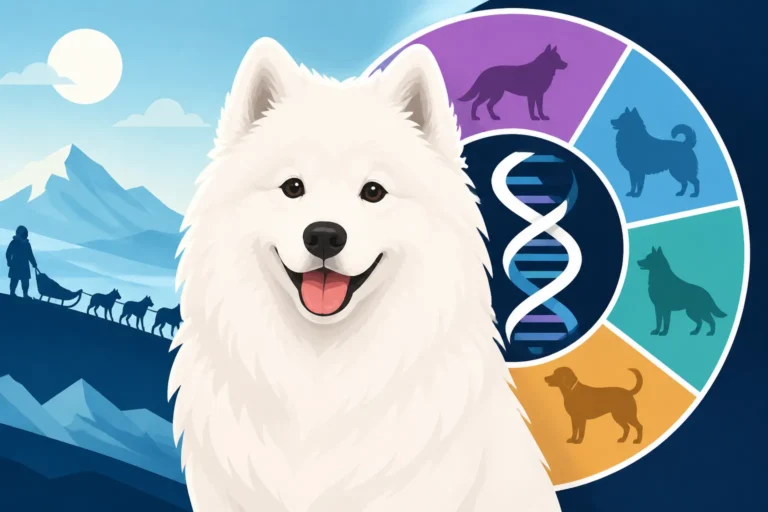
To truly grasp the differences between a Samoyed, a Siberian Husky, and an Alaskan Malamute, we have to travel back in time to their origins. These aren't just pretty faces; they were all meticulously developed for specific, critical roles in harsh Arctic environments, and those roles profoundly shaped who they are today.
The Samoyed: Herder, Hunter, and Hearth Warmer
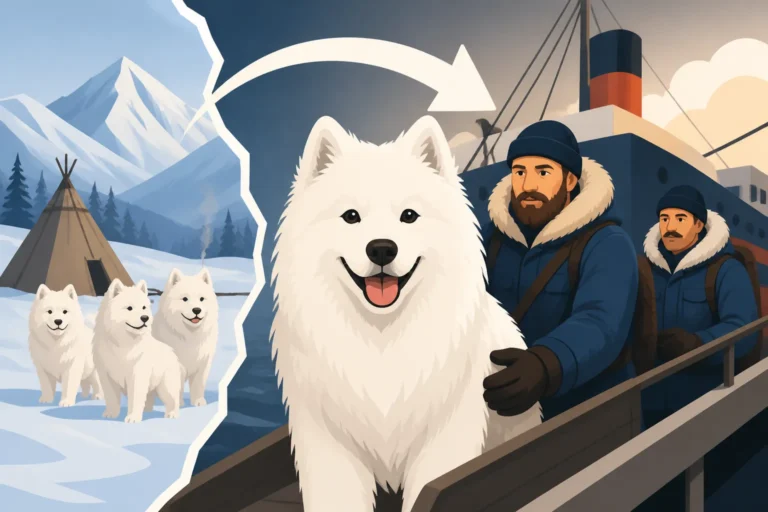
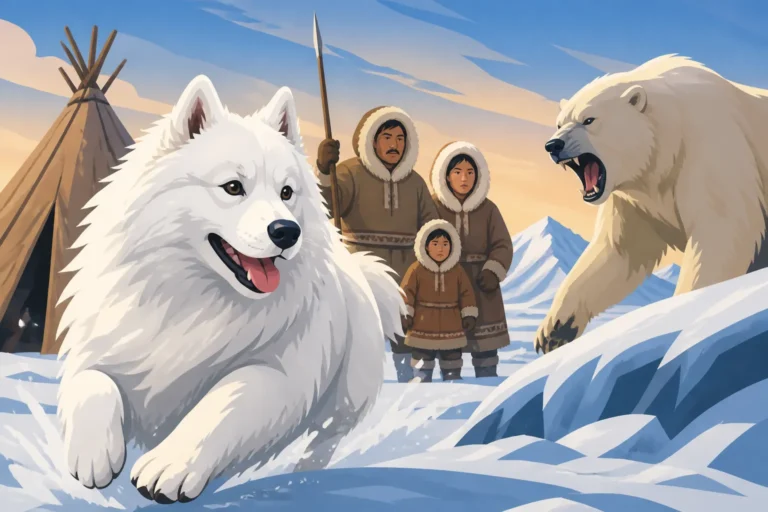
The Samoyed's story begins with the Nenets people of Siberia's Yamal Peninsula. For centuries, these semi-nomadic reindeer herders relied on their dogs for survival. The Samoyed's primary job was to herd reindeer, keeping the vast, scattered herds together and protecting them from predators like wolves and bears. This wasn't a job for a dog that was overly aggressive or prone to independent hunting. It required a keen intelligence, a cooperative spirit, and a strong bond with humans.
Beyond herding, these dogs were integral to family life. They slept inside the tents with the Nenets, curling up with children and adults to provide warmth in temperatures that could plummet to sixty below zero. This close physical proximity over generations bred a deeply affectionate, gentle nature, and an almost insatiable desire to be part of the family unit. They weren't just working animals; they were companions, guardians, and literally life-savers. Their vocalizations, often described as a "Samoyed scream" or talkative grumbling, were part of their communication within the family and the herd, not aggressive barking.
The Siberian Husky: Speed Demon of the Snow
The Siberian Husky's lineage traces back to the Chukchi people of northeastern Siberia. The Chukchi lived a more stationary life than the Nenets, but they, too, relied heavily on their dogs – for transportation. The Husky was specifically bred for endurance and speed, pulling light loads over vast distances in icy terrain. They needed to be efficient, cover ground quickly, and maintain their energy throughout long journeys.
This specialized role led to a different set of characteristics. Huskies are typically leaner, faster, and more efficient runners than Malamutes. Their build is all about agility and sustained movement. Their temperament reflects their work: they are incredibly energetic, independent, and possess a strong prey drive, as they often had to hunt for their own food or supplement their diet during long treks. They're sociable with other dogs – a necessity for working in large teams – but their bond with humans can sometimes be described as more independent and less intensely focused than a Samoyed's. The Husky's characteristic howl is another echo of their history, used to communicate across open, snowy landscapes.
The Alaskan Malamute: The Powerhouse Freight Hauler
The Alaskan Malamute, as its name suggests, was developed by the Mahlemut Inuit tribe in the Arctic regions of Alaska. Unlike the Husky, the Malamute's purpose was to pull heavy loads, not necessarily quickly, but with immense power and stamina. These were the oxen of the Arctic, moving supplies, equipment, and even entire communities across vast, frozen expanses.
This demanding work required a physically robust dog with incredible strength and resilience. Malamutes are larger, heavier-boned, and more muscular than Huskies. Their temperament is generally more dignified and serious, reflecting their powerful build. They are known for their strength, intelligence, and sometimes their stubbornness. They possess an even stronger pack drive than a Husky, and historically, their food resources could be scarce, contributing to a strong instinct to protect food and sometimes assert dominance. A Malamute isn't just a dog; it's a force of nature, and its personality demands respect and consistent leadership. You can read more about The Samoyed Against an Alaskan Malamute for a deeper dive into that specific comparison.
Physical Characteristics: Size, Build, and Coat Types
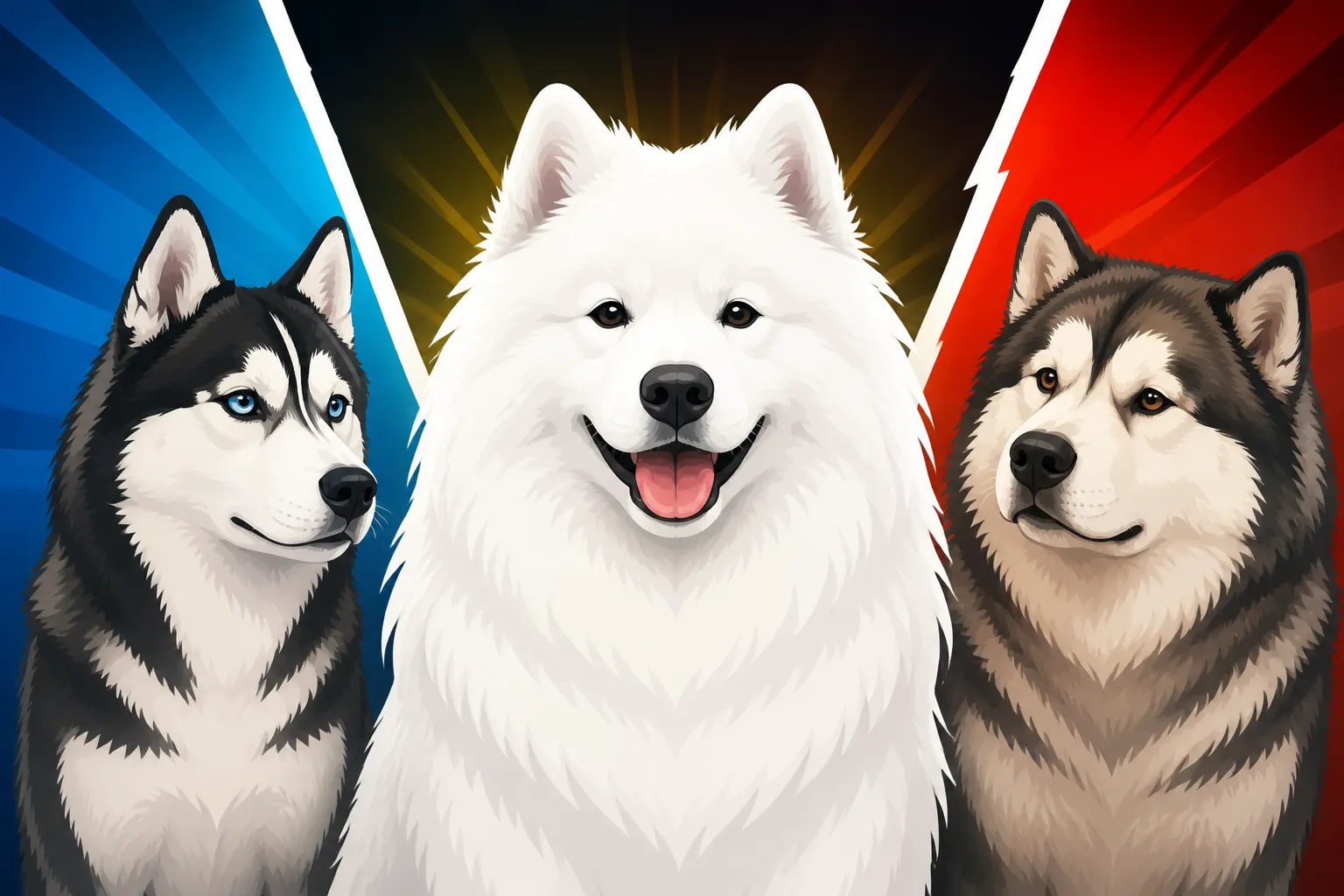
When you see a Samoyed, a Siberian Husky, and an Alaskan Malamute side-by-side, their visual differences become much clearer. While all are stunning northern breeds, their distinct histories have given them unique physical traits.
The Samoyed: The Smiling White Cloud
The Samoyed is often instantly recognizable by its dazzling white, fluffy coat and the characteristic "Samoyed smile," a slight upturn at the corners of its mouth that prevents drooling and icicle formation in frigid temperatures. This smile also makes them perpetually look happy, which matches their generally joyful disposition.
Samoyeds are medium-to-large dogs, typically weighing between 35 to 65 pounds for females and 45 to 70 pounds for males. They stand approximately 19-21 inches tall at the shoulder for females and 21-23.5 inches for males. Their build is sturdy and powerful, but with an elegant athleticism, designed for agile movement over varying terrain while herding. Their double coat is incredibly dense: a soft, woolly undercoat for insulation and longer, harsher guard hairs that stand out from the body, shedding dirt and snow. This unique coat is not just for beauty; it's a sophisticated insulation system, capable of keeping them warm in extreme cold and, surprisingly, cool in moderate heat by trapping air. You'll find their tails curling over their back, often touching it, which is another signature trait. You can learn more about What a Samoyed Actually Weighs.
The Siberian Husky: The Lean, Agile Runner
Siberian Huskies are typically smaller and lighter than both Samoyeds and Malamutes. Females usually weigh 35-50 pounds and stand 20-22 inches, while males are 45-60 pounds and 21-23.5 inches tall. Their build is distinctly athletic and streamlined, built for speed and endurance rather than brute strength. They have an almost effortless gait, designed for covering miles with minimal exertion.
Huskies come in a wider array of colors and markings than Samoyeds, from pure white to black, gray, copper, and sable, often with striking facial masks and patterns. Their eyes can be brown, blue, or even heterochromatic (one blue, one brown), which is a common and captivating trait. Their double coat is dense but shorter and less plush than a Samoyed's, still providing excellent insulation but without the same cloud-like volume. Their tails are well-furred and carried in a graceful sickle curve over the back when alert, but often drop when relaxed. For a direct comparison, explore The Samoyed Against a Siberian Husky.
The Alaskan Malamute: The Majestic Heavyweight
The Alaskan Malamute is the largest and most powerfully built of the three. Females typically weigh 65-85 pounds and stand 23 inches, while males can be 75-100 pounds (or more!) and 25 inches at the shoulder. Their substantial bone structure, broad chests, and deep bodies are all indicative of their role as heavy-duty freight haulers. They possess immense physical strength and a regal bearing.
Malamutes have a very thick, coarse outer coat and a dense, woolly undercoat, often thicker and harsher than a Husky's. Their coat colors usually include various shades of gray and white, black and white, red and white, or pure white, often with a distinct cap-like marking on their head and a white muzzle. Their eyes are always brown, a crucial distinction from Huskies. Their tails are heavily plumed and carried over the back like a waving plume, a trait that gives them a magnificent appearance. They truly embody power and dignity in their physical presence.
Here's a quick comparison table:
| Trait | Samoyed | Siberian Husky | Alaskan Malamute |
|---|---|---|---|
| Size | Medium-Large | Medium | Large |
| Weight (Approx.) | 35-70 lbs | 35-60 lbs | 65-100+ lbs |
| Height (Approx.) | 19-23.5 inches | 20-23.5 inches | 23-25 inches |
| Primary Purpose | Herding, companion, tent warmer | Light-load hauling, speed | Heavy-load hauling, strength |
| Coat Color | White, biscuit, cream | Black, grey, red, sable, white, various | Grey, black, red, white (with markings) |
| Eye Color | Dark brown | Blue, brown, bi-colored (heterochromia) | Always brown |
| Tail Carriage | Curled over back, often touching | Sickle curve over back, often drops | Plumed, carried over back |
| Facial Expression | "Samoyed Smile" (upward corners) | Often piercing, sometimes masked | Dignified, powerful |
Temperament and Personality Traits: The Core of Who They Are
Beyond their stunning looks, the true heart of these breeds lies in their temperament. Their historical roles instilled deeply ingrained personality traits that continue to define them today. Understanding these nuances is crucial for predicting how they will fit into a home and family.
The Samoyed: Affectionate, Gentle, and People-Oriented
The Samoyed is, above all, a people-dog. Having spent centuries living in close quarters with their human families, providing warmth and companionship, they thrive on interaction and being an integral part of the household. They are known for their gentle, friendly, and outgoing nature. A Samoyed wants to be wherever you are, often following you from room to room. This isn't just a quirky habit; it's a deep-seated need for connection. They are rarely aggressive and are generally excellent with children and other animals when properly socialized. This is why The Samoyed Slept in the Tent to Keep People Alive and developed such a strong bond.
However, their strong desire for companionship also means they can be prone to separation anxiety if left alone for long periods. They are not content to be isolated in a yard; they need to be with their people. This breed is highly sensitive and responds best to positive reinforcement and gentle training methods. While intelligent, they can be a bit stubborn if they don't see the point of a command or if they're bored. Their vocalizations are a hallmark of their personality – a range of grumbles, yips, and the famous "Samoyed scream" that is more a communication tool than an aggressive bark. They truly embody the phrase "gentle giant," or perhaps, "gentle cloud."
The Siberian Husky: Independent, Energetic, and Mischievous
Siberian Huskies are famous for their high energy, adventurous spirit, and independent streak. They were bred to run, and run they will! A Husky is always up for an adventure and possesses an incredible zest for life. This independence, while endearing, means they are often less focused on their human companions than a Samoyed, preferring to explore and investigate their surroundings. They are often described as having a cat-like aloofness, though they are still affectionate on their own terms.
Their intelligence is undeniable, but it often manifests in problem-solving ways that can be challenging for owners, such as figuring out how to open gates, scale fences, or simply vanish in pursuit of an interesting scent. Their strong prey drive means they often cannot be trusted off-leash, especially around small animals. Huskies are generally friendly with strangers and other dogs, thriving in multi-dog households. They are vocal, often expressing themselves through howls and "singing," which can be charming to some and irritating to neighbors. Expect a Husky to test boundaries and require consistent, firm, but fair training. They are not known for their guarding instincts; a Husky is more likely to greet a burglar with a wagging tail.
The Alaskan Malamute: Dignified, Strong-Willed, and Loyal
Alaskan Malamutes possess a majestic and dignified presence, combined with immense physical and mental strength. They are deeply loyal to their families, but their affection is often expressed in a more reserved, less effusive manner than a Samoyed. Malamutes are intelligent and strong-willed, making them a challenge for novice owners. They thrive on clear rules, consistent leadership, and plenty of mental and physical stimulation.
Malamutes were bred to work, and they retain a powerful drive to do so. They need a "job," whether it's pulling a cart, hiking, or participating in dog sports. Without sufficient outlets for their energy and intelligence, they can become destructive or bored. Their size and strength demand an owner who can physically manage them, especially during walks, as they love to pull. Like Huskies, Malamutes have a strong prey drive and generally cannot be trusted off-leash. They are often good with children within their own family, but their sheer size can make them unintentional bulldozers. Socialization with other dogs, particularly from a young age, is crucial, as they can sometimes be dominant with same-sex dogs. They communicate with a range of sounds including "woo-woos" and deep grunts, rather than frequent barking.
Exercise Requirements and Energy Levels
All three of these magnificent northern breeds require a significant amount of exercise, but the type and intensity of that exercise can vary, reflecting their original working purposes. Neglecting their exercise needs is a recipe for a bored, destructive, and unhappy dog, regardless of breed.
The Samoyed: The Playful, Agile Herder
While Samoyeds are known for their gentle nature, don't let the fluffy exterior fool you – they are working dogs with substantial energy levels. Their ancestral role as reindeer herders meant they needed endurance and agility, not just bursts of speed. A healthy adult Samoyed needs at least 60-90 minutes of vigorous exercise daily, ideally broken into two sessions. This isn't just a leisurely walk around the block; it means activities like brisk walks, jogging, hiking, or interactive play sessions that challenge them both physically and mentally.
Samoyeds excel in activities that involve problem-solving and partnership, such as agility, obedience, rally, and even therapy work. Many Samoyeds still love to pull, making canicross, bikejoring, or even recreational sledding (dryland or snow) excellent outlets. A bored Samoyed might resort to digging massive craters in your yard or vocalizing its displeasure with its famous "Samoyed scream." A regular routine is important, as is ensuring they get enough mental stimulation through puzzle toys or training games. They are happiest when they feel they have a "job" to do alongside their human companions. The Job a Samoyed Actually Needs goes into this in more detail.
The Siberian Husky: The Marathon Runner
Siberian Huskies are built for speed and endurance, and they have boundless energy. They need at least 90-120 minutes of intense exercise every single day, and for many, even more. Think of them as canine marathon runners. If you're not an active person who enjoys activities like running, cycling, or long hikes, a Husky might not be the right fit. Their exercise needs are not just about burning off energy; it's about fulfilling their innate drive to run and explore.
Huskies thrive in organized dog sports like agility, obedience, and especially various pulling sports such as sledding, canicross, and bikejoring. A secure, fenced yard is an absolute must, as their instinct to run and roam is incredibly strong, and they can be expert escape artists. Even with a fence, they need to be actively exercised; a large yard alone is not sufficient. Without adequate exercise, Huskies can become destructive, hyperactive, and extremely noisy. Their mental stimulation is often tied to physical activity, so combining the two is ideal. They often enjoy the company of other high-energy dogs for play.
The Alaskan Malamute: The Powerful Workhorse
Alaskan Malamutes are built for strength and stamina, and while they may not have the frantic energy of a Husky, their exercise requirements are just as demanding, if not more so, in terms of sheer output. An adult Malamute needs at least 60-90 minutes of vigorous exercise daily, with an emphasis on sustained, powerful activities. They are the freight haulers of the dog world, capable of pulling significant weight over long distances.
Malamutes excel in weight pulling, recreational sledding (especially heavy loads), skijoring, and long hikes. They love to work and are happiest when engaged in activities that challenge their impressive strength and endurance. Because of their powerful build, they can be a handful on a leash, so early and consistent leash training is paramount. Like Huskies, Malamutes have a strong desire to roam and explore, meaning a very secure yard is non-negotiable. They are prone to digging, often to create cool spots in the earth or simply out of boredom. Their exercise shouldn't just be about physical exertion; it should also tap into their mental drive to "work" and explore, so varying activities and environments is beneficial.
Training and Intelligence: A Test of Wills and Wits
Training any dog requires patience and consistency, but with Samoyeds, Huskies, and Malamutes, you're often dealing with highly intelligent breeds that have strong wills and their own ideas about how things should be done. They are not eager-to-please Golden Retrievers; they are independent thinkers.
The Samoyed: Smart, Sensitive, and Sometimes Stubborn
Samoyeds are intelligent dogs, capable of learning a wide range of commands and tricks. However, they also possess a charming stubborn streak. They learn quickly but may decide that a command is optional if there's nothing immediately in it for them. This means training needs to be engaging, fun, and highly rewarding. Positive reinforcement, using high-value treats (like those delicious meaty bits you can get from Chewy) and praise, works best. Harsh corrections or an angry tone will likely shut a Samoyed down, as they are quite sensitive.
Consistency is key. What a Samoyed perceives as a "suggestion" one day can quickly become an ignored command if you're not consistent. They thrive on routine and clear expectations. Early socialization and puppy classes are essential to help them develop into well-adjusted adults, especially given their friendly nature. They enjoy mental challenges, so incorporating puzzle toys and interactive games into their daily routine can keep their minds sharp and prevent boredom. While they may not top the charts for immediate obedience, a well-trained Samoyed is a joy to live with, capable of excelling in various dog sports like obedience, agility, and rally.
The Siberian Husky: Clever, Independent, and Easily Bored
Huskies are incredibly intelligent, but their intelligence often manifests as cleverness rather than a strong desire to please. They are master problem-solvers, especially when it comes to escaping enclosures, outsmarting their owners, or finding ways to get what they want. Their independent nature means they can be challenging to train, as their focus is often on the environment rather than on you. They get bored easily with repetitive drills, so training sessions need to be short, varied, and exciting.
Positive reinforcement is the most effective approach, but you'll need to find what truly motivates your Husky, whether it's a specific treat, a favorite toy, or a chance to run. Consistency from every family member is crucial, as they will quickly exploit any loopholes. Recall is notoriously difficult with Huskies due to their strong prey drive and desire to roam; even the best-trained Husky often cannot be trusted off-leash in an unfenced area. Early and extensive socialization is vital to channel their social energy appropriately. They thrive with experienced owners who understand their independent spirit and can provide both mental and physical challenges.
The Alaskan Malamute: Strong-Willed, Smart, and Demanding of Leadership
Alaskan Malamutes are highly intelligent and capable of learning a great deal, but they come with a strong-willed, dominant personality that requires a confident, consistent, and experienced leader. They respect authority that is earned through fair and clear communication, not through force. Without strong leadership, a Malamute will quickly assume the role of pack leader, leading to a host of behavioral issues.
Training a Malamute requires immense patience, consistency, and a deep understanding of canine behavior. They respond well to positive reinforcement, but it must be paired with firm boundaries. Because of their physical strength, leash training is paramount from a young age. They are prone to being stubborn and will often "test" their owners, so a solid foundation of obedience is essential. Like Huskies, Malamutes have a strong prey drive and an instinct to roam, making off-leash reliability a rarity. Early and continuous socialization with people, other dogs, and various environments is crucial to ensure they are well-adjusted. They thrive when they have a sense of purpose and a clear understanding of their place within the family structure.
Vocalization and Noise Levels: The Chorus of the North
If you value a quiet home, you need to pay close attention to the vocal habits of these breeds. Northern dogs are notoriously talkative, but they express themselves in different ways.
The Samoyed: The Talkative "Scream" and Happy Grumbles
Samoyeds are famous for their varied vocalizations. While not typically barkers in the traditional sense, they are highly communicative dogs who will use a range of sounds to express themselves. The most well-known is the "Samoyed scream," a high-pitched, excited sound they often make when greeting people or other dogs, or when they are particularly happy or frustrated. This isn't an aggressive sound, but it is loud and attention-grabbing. You can learn more about The Samoyed Scream and Why It Is Not Barking.
Beyond the scream, Samoyeds are prone to a delightful array of grumbles, yips, "woos," and talks. They will often "talk back" when corrected or when they want something, engaging in a conversational exchange with their owners. This is a direct reflection of their close bond with humans and their history of communicating within the family unit. While charming, it can also mean they are not the quietest residents in an apartment building, especially if they are left alone and become anxious or bored. Teaching a "quiet" cue from a young age is beneficial, but you'll never silence a truly talkative Samoyed. Be prepared for a constant stream of commentary! Consider the impact on neighbors; The Samoyed That Wakes the Neighbors is a real concern for many owners.
The Siberian Husky: The Howling "Singer"
Siberian Huskies are legendary for their howling, often described as "singing." This is a deeply ingrained ancestral trait, used to communicate across vast distances in their Arctic homeland. A single Husky can produce a surprisingly loud and sustained howl, and a group of Huskies can create a truly impressive, albeit noisy, chorus. They will howl at sirens, other dogs, when left alone, or simply when the mood strikes them.
While they do bark, it's often not their primary mode of vocalization. They also make a variety of "woo-woos," yips, and excited noises. Like Samoyeds, Huskies use their voices to express boredom, loneliness, or excitement. If you live in an apartment or a neighborhood with close neighbors, a Husky's howling can become a significant issue. Training for quiet behavior is possible, but you're working against a powerful genetic predisposition. Ear plugs might become a common item on your Chewy order if you have a particularly vocal Husky!
The Alaskan Malamute: The Deep "Woo-Woo" and Minimal Bark
Alaskan Malamutes are generally less vocal than Huskies, but when they do speak, it's with a deep, resonant voice. Their signature sound is the "woo-woo," a drawn-out, mournful, or excited sound that can be quite endearing. They are not typically frequent barkers, and when they do bark, it's usually with purpose, such as alerting to an unfamiliar presence.
Like the other northern breeds, Malamutes will use vocalizations to express their emotions – boredom, loneliness, or a desire for attention. If left alone for long periods without sufficient exercise or mental stimulation, they can become destructive and will certainly let you know their displeasure through their powerful voices. While less prone to the constant chatter of a Samoyed or the sustained howling of a Husky, their sheer size means their sounds carry weight and volume.
Living Environment and Suitability for Different Lifestyles
Choosing the right northern breed means honestly evaluating your living situation, local climate, and daily routines. These are not one-size-fits-all dogs, and their ancestral homes have shaped their environmental needs.
The Samoyed: The Companion for Active, Engaged Families
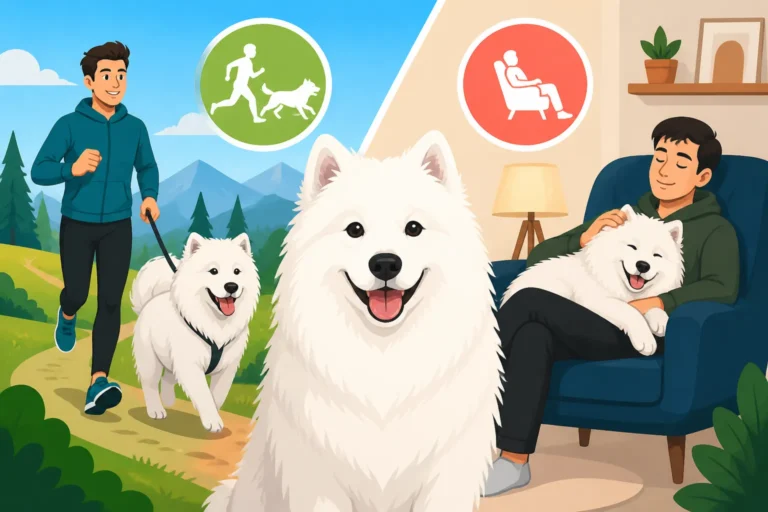
A Samoyed thrives in a home where they are an integral part of the family, not just an outdoor ornament. They need human companionship above all else, making them less suitable for individuals or families who are frequently away from home for long hours. While they appreciate a securely fenced yard where they can play and explore, the yard is not a substitute for human interaction and regular exercise outside the home.
Due to their thick double coat, Samoyeds are best suited for cooler climates. While they can adapt to moderate heat with proper precautions (plenty of shade, water, and indoor cooling), extreme heat can be dangerous for them. They are generally adaptable to various housing types, including apartments, provided their exercise and companionship needs are met daily. However, their vocal nature means careful consideration should be given to apartment living or close neighbors. They are ideal for active families or individuals who enjoy outdoor activities and are committed to including their dog in daily life. The Household a Samoyed Was Built For is one that values companionship and outdoor adventure.
The Siberian Husky: The Escape Artist for Active, Secure Homes
Siberian Huskies are truly built for the outdoors and require a home that can accommodate their high energy and notorious escape artistry. A very secure, ideally six-foot fence, potentially with a dig-proof barrier along the bottom, is non-negotiable. They are masters of climbing, digging, and gate-latching, and their instinct to roam is incredibly strong. They are not dogs that can be trusted off-leash unless in a highly controlled, enclosed environment.
Huskies, like Samoyeds, are best suited for cooler climates, though their slightly shorter coat can make them slightly more tolerant of moderate heat. However, they are still prone to overheating and require constant vigilance in warm weather. Apartment living is generally not recommended unless the owner is incredibly dedicated to providing hours of vigorous exercise daily, which often includes long runs or bike rides. They are best suited for highly active individuals or families who enjoy intense outdoor activities, have a very secure property, and are prepared for the constant challenge of managing a dog with an independent, wanderlust-filled spirit.
The Alaskan Malamute: The Powerful Presence for Experienced Owners
Alaskan Malamutes are large, powerful dogs that require a substantial living space, preferably with a large, securely fenced yard that can withstand their digging prowess. Their size and strength make them less suitable for apartment living, even with dedicated exercise, simply due to their sheer physical presence. They need room to stretch out, move around, and express their powerful energy.
Malamutes are cold-weather dogs through and through, thriving in frigid temperatures. Their thick, dense coats make them highly susceptible to overheating in warm or humid climates, necessitating constant access to cool indoor environments and careful management of outdoor time. Due to their strong will and potential for dominance, Malamutes are best suited for experienced dog owners who understand northern breeds and can provide consistent, firm, and fair leadership. They are excellent companions for active, outdoorsy individuals or families who can involve them in activities that satisfy their powerful working drive. A home that is ready for a strong, dignified, and sometimes stubborn companion will be a good match.
Grooming Needs and Shedding: A Cloud of Fur
One undeniable truth about all three of these breeds is their magnificent double coats, which means one thing: shedding. While the degree and type of grooming differ, none of these dogs are low-maintenance when it comes to their fur. Prepare for dog hair to become a permanent accessory in your life.
The Samoyed: The Pristine White Cloud
The Samoyed's glorious white coat is indeed stunning, but it requires diligent care to maintain its beauty and health. Samoyeds have a dense, woolly undercoat and longer, harsh guard hairs that resist dirt and repel water. While their coats are surprisingly good at shedding dirt once dry, regular brushing is essential to prevent matting and manage shedding.
Expect to brush your Samoyed at least 2-3 times a week, and daily during their "coat blow" seasons. Samoyeds typically blow their coats twice a year (spring and fall), and during these periods, the amount of undercoat they shed can be truly astounding – enough to fill a small pillow daily! A good quality slicker brush, a wide-toothed comb, and a force dryer (like those you might find on Chewy) are indispensable tools for a Samoyed owner. Bathing isn't required frequently, perhaps every 2-3 months, but when you do bathe a Samoyed, it's an involved process to ensure the dense coat is thoroughly clean and completely dry to prevent skin issues. Never shave a Samoyed; their coat protects them from both cold and heat. Learn more about What Twenty Pounds of Samoyed Undercoat Does to a House.
The Siberian Husky: The Moderate Shedder
Siberian Huskies also possess a double coat, consisting of a soft, dense undercoat and a straight, medium-length outer coat. While their coats are generally shorter than a Samoyed's, they are still prodigious shedders. Huskies shed moderately year-round, but like Samoyeds, they undergo two major "coat blows" annually, typically in spring and fall. During these periods, you will experience an abundance of loose hair, often referred to as "Husky tumbleweeds."
Regular brushing, at least a few times a week, is necessary to remove dead hair and prevent mats. During a coat blow, daily brushing is essential. A good undercoat rake and a slicker brush will be your best friends. Huskies generally don't require frequent bathing, perhaps every 3-4 months, unless they get particularly dirty. Like Samoyeds, their coat is designed for insulation and should never be shaved, as it can damage the coat's integrity and compromise their temperature regulation.
The Alaskan Malamute: The Heavy, Seasonal Shedder
The Alaskan Malamute boasts the thickest, coarsest, and most dense double coat of the three, reflecting their heritage as heavy-duty Arctic workers. Their undercoat is incredibly dense and woolly, providing maximum insulation, while their outer coat is thick and coarse. Malamutes are heavy shedders, especially during their twice-yearly coat blows. When a Malamute blows its coat, the amount of fur can be overwhelming, akin to a snowstorm of white and grey fluff.
During peak shedding seasons, daily, thorough brushing with an undercoat rake and a slicker brush is absolutely vital to remove the prodigious amounts of loose undercoat. Outside of these periods, brushing a few times a week will suffice. Similar to Samoyeds and Huskies, Malamutes do not require frequent bathing, as their coats are naturally dirt-repellent. When they do need a bath, it's a significant undertaking to ensure their incredibly dense fur is cleaned and completely dried. Again, shaving a Malamute is detrimental to their natural protection and should be avoided at all costs. Expect to invest in a powerful vacuum cleaner and a robust grooming routine if you bring a Malamute into your home.
Disclaimer
This article is for general informational purposes only and does not constitute professional advice. Laws, prices and regulations vary by location and change over time. Consult a qualified professional for guidance on your specific situation.