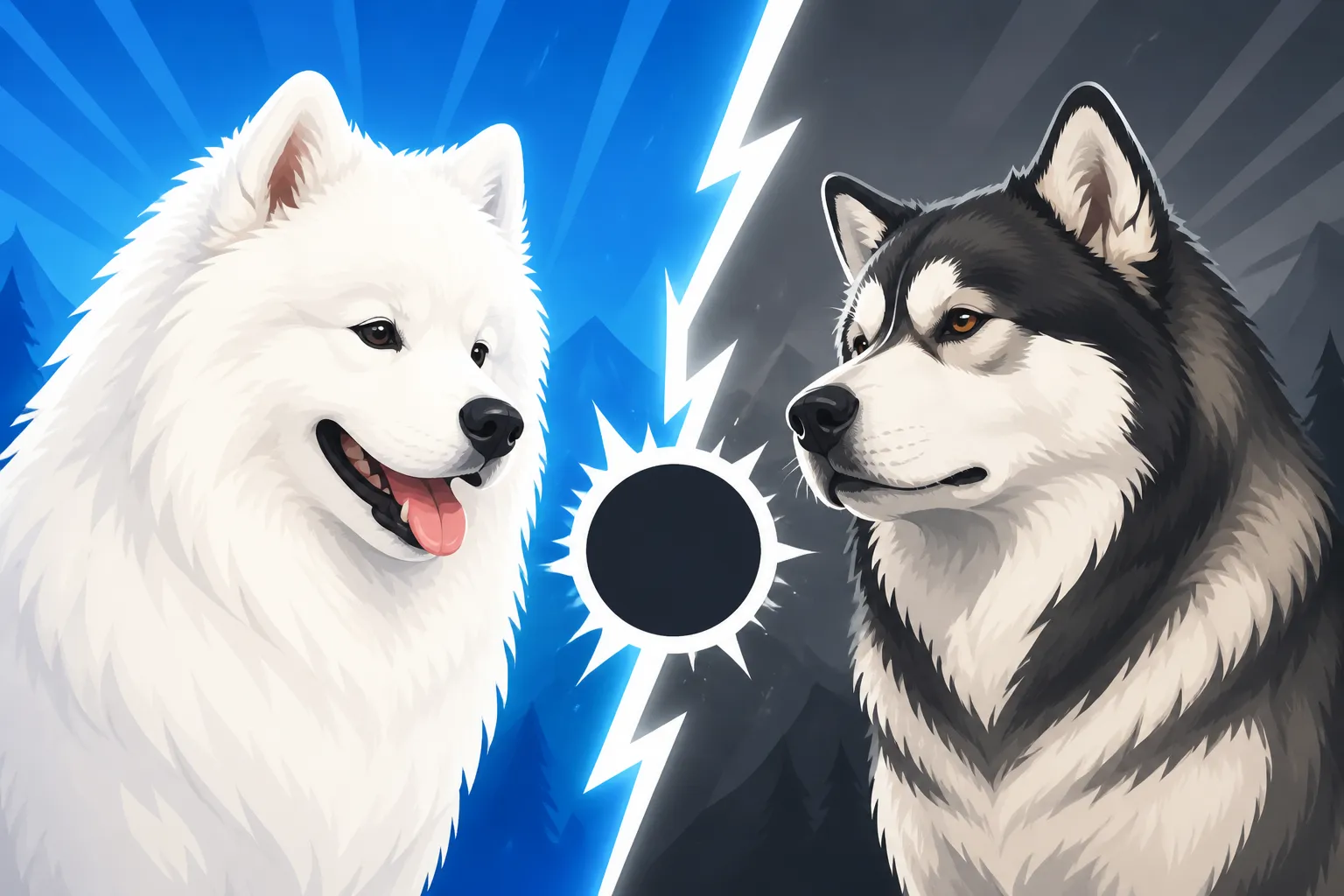
The Samoyed Against an Alaskan Malamute
Choosing between a Samoyed and an Alaskan Malamute can feel like an impossible task for anyone captivated by these magnificent Northern breeds. Both possess undeniable charm, striking appearances, and incredible histories, but under that thick fur and captivating gaze lie distinct personalities and needs. This guide will help you navigate their differences, unraveling what makes each breed unique and which might be the perfect furry addition to your life.
A Glimpse into Their Ancestry and Purpose
Understanding where these breeds came from is absolutely crucial to grasping their modern-day behaviors and needs. It's not just about history; it's about the very genetic blueprint that shaped them.
The Samoyed's Ancient Roots as a Herder and Companion
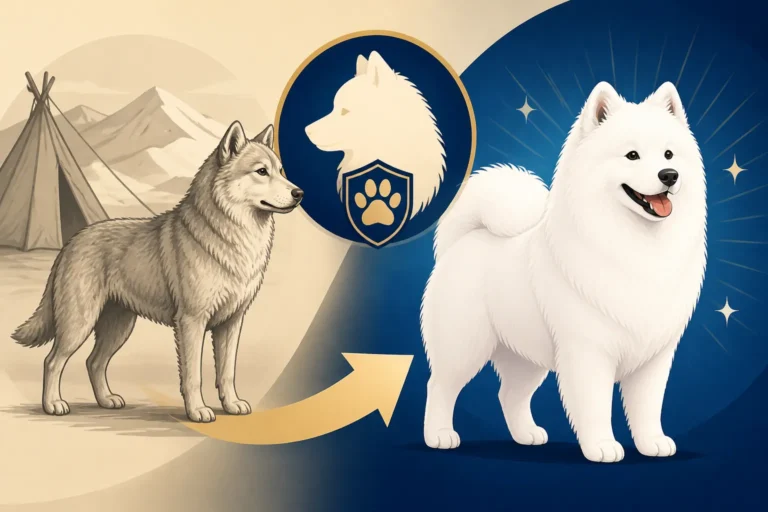
Imagine a harsh, unforgiving landscape, where survival depended on cooperation between humans and animals. This is the world the Samoyed emerged from, alongside the nomadic Nenets people of Siberia. For centuries, these beautiful dogs were far more than just working animals; they were integral family members. Their primary role was herding reindeer, keeping the valuable livestock together and safe from predators. This wasn't a job for a shy or aggressive dog; it required intelligence, agility, and a strong but gentle presence.
But the Samoyed's duties didn't end there. They also served as sled dogs, pulling lighter loads over the frozen tundra, often working in teams. Most profoundly, they were cherished companions, often sharing the warmth of the chums (tents) with their human families, especially the children. This close bond forged a breed that is incredibly social, affectionate, and deeply connected to its people. The Samoyed's desire to be near you, to participate in family life, and to offer gentle companionship is a direct echo of this ancient way of life. They needed to be biddable enough to work closely with humans, yet independent enough to make decisions while herding. This constant interaction is why they are often called "people dogs." If you delve deeper, you can learn more about The Nenets of the Yamal Peninsula Bred the Samoyed and how The Samoyed Slept in the Tent to Keep People Alive.
The Alaskan Malamute's Legacy as a Heavy Hauler
In stark contrast to the Samoyed's multifaceted role, the Alaskan Malamute was purpose-bred for one thing above all else: hauling heavy loads over vast, challenging distances. Originating with the Mahlemiut Inuit in the Arctic region of Alaska, these dogs were the horsepower of the North, essential for transporting supplies, game, and people across snow and ice. Their survival, and that of their human companions, depended on their strength, stamina, and resilience.
A Malamute's build reflects this heritage perfectly. They are significantly more robust and powerful than Samoyeds, built like canine bulldozers. Their deep chests, substantial bone, and muscular bodies were engineered for sustained effort, not speed. While they also developed a strong bond with their human partners, their companionship was born more out of a working partnership than the intimate family integration seen with the Samoyeds. This background means Malamutes often possess a more independent streak, a deep well of physical stamina, and an instinct to pull, pull, pull! They are thinkers and problem-solvers when it comes to navigating terrain and tasks, traits that can manifest as stubbornness if not channeled correctly in a domestic setting.
Comparing Their Physical Presence: Size, Coat, and General Appearance
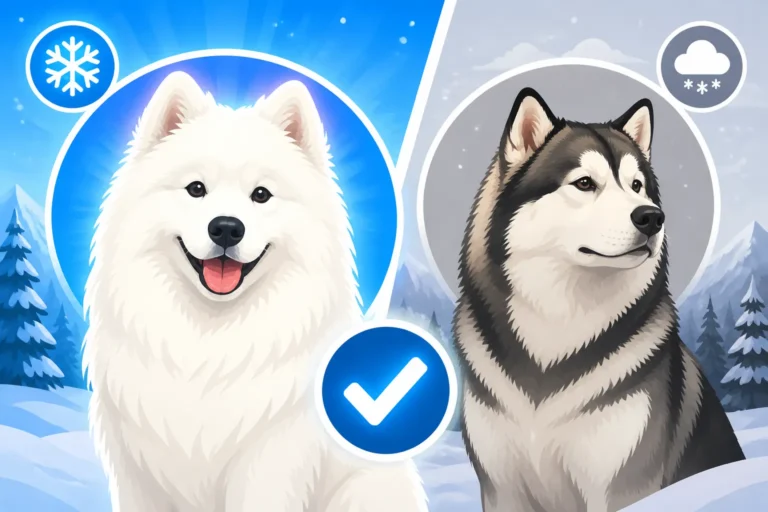
When you first see a Samoyed and an Alaskan Malamute side-by-side, the most immediate difference is often their sheer physical scale. While both are undeniably large, powerful dogs, their builds and features speak volumes about their ancestral jobs.
Size and Build: A Tale of Two Statures
The Alaskan Malamute is, quite simply, a bigger dog. They are substantially heavier and more powerfully built, designed for sheer brute strength and endurance. Males typically stand taller at the shoulder and can carry a significant amount of weight, giving them a truly formidable presence. They possess a deep, broad chest, a sturdy frame, and powerful musculature all over, from their neck to their powerful hindquarters. Think of them as the semi-trucks of the dog world – built to tow.
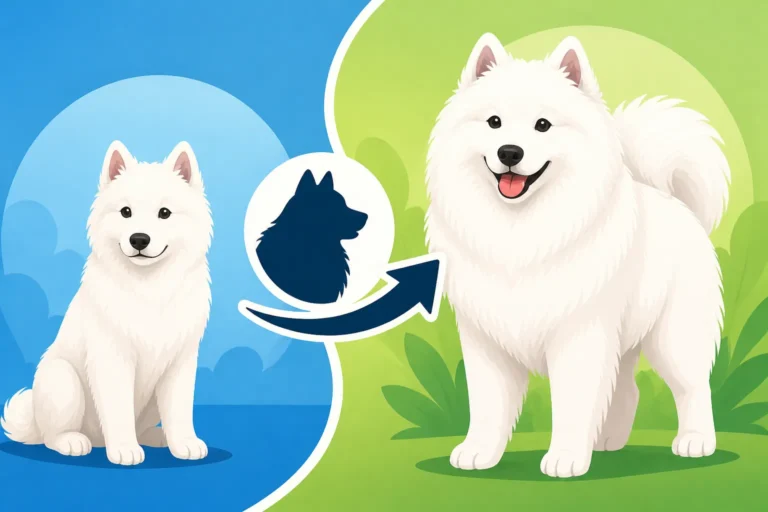
Samoyeds, while still sizable, fall into the medium-large category. They are agile and elegant beneath their glorious white coats, built for a combination of herding, lighter sledding, and long-distance travel without heavy loads. A male Samoyed is certainly robust, but he won't have the same imposing mass as a Malamute. Their build emphasizes nimbleness and quickness, allowing them to dodge and weave while herding reindeer, or to trot effortlessly for miles. They are more like the capable SUVs – versatile and enduring, but not designed for massive payloads. For those considering a Samoyed, understanding How Tall a Samoyed Stands and How Much a Male Samoyed Weighs can provide a clearer picture.
The Iconic Double Coats: Warmth and Grooming Needs
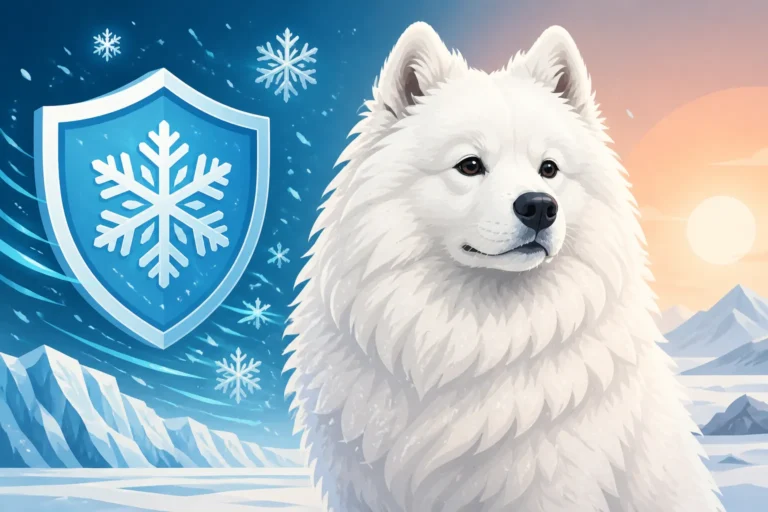
Both breeds boast magnificent double coats, perfectly adapted for brutally cold Arctic conditions. However, there are notable differences in texture and maintenance. The Samoyed's coat is legendary for its dazzling white, silver, or biscuit coloring. It consists of a harsh, long, straight outer coat (guard hairs) and a thick, soft, woolly undercoat that stands off from the body. This "stand-off" quality creates insulating air pockets, keeping them warm in winter and surprisingly cool in summer. This pristine white coat, however, is a commitment. It requires regular, thorough brushing—often daily during shedding seasons—to prevent mats and keep it healthy. When they "blow" their coats, which happens once or twice a year, prepare for an absolute blizzard of fur. Investing in a good force dryer and a variety of brushes, perhaps from a reputable supplier like Chewy, is essential. This unique coat is not just for looks; it’s the very essence of A Samoyed's Coat Is Insulation, Not Decoration. You might be surprised to learn about What a Samoyed's Double Coat Is Made Of.
The Alaskan Malamute also has a dense double coat, but it's generally coarser and thicker than the Samoyed's, with guard hairs that range from medium to long. Their undercoat is incredibly dense and oily, providing excellent insulation and waterproofing. Malamute coats come in a wider range of colors, including various shades of gray and white, black and white, red and white, sable, and occasionally all white. While they might not show dirt as readily as a Samoyed, their grooming needs are still substantial. They shed heavily, especially during seasonal coat blows, and their thick undercoat can mat if neglected. Regular brushing, at least a few times a week, is critical for a Malamute to keep their coat healthy and minimize shedding around the house.
Facial Features and the Famous Samoyed Smile
The faces of these two breeds are perhaps where their personalities shine through most clearly. The Samoyed is instantly recognizable by its "Samoyed smile" – the upward curl at the corners of its mouth. This isn't just a charming aesthetic; it's a functional adaptation to prevent drool and icicles from forming around their mouths in sub-zero temperatures. Their eyes are typically dark, almond-shaped, and deeply set, conveying an intelligent, friendly, and often mischievous expression. Their ears are medium-sized, triangular, and carried erect, giving them an alert and attentive look. The overall impression is one of perpetual happiness and approachability. The functionality of Why a Samoyed's Upturned Mouth Stops Drool is fascinating!
The Alaskan Malamute's face, while handsome, presents a more rugged, wolf-like appearance. Their eyes are usually almond-shaped and often amber or brown, never blue, reflecting a serious and keen intelligence. Their muzzle is broad and powerful, designed for holding and pulling. Ears are medium-sized and triangular, set wide apart, giving them a more robust and less delicate look than a Samoyed's. There’s an undeniable air of dignity and strength about a Malamute's face, often conveying a sense of watchful reservation rather than overt friendliness to strangers. They don't have that iconic "smile," but their expressions are no less captivating to those who understand them.
Temperament and Personality: Affectionate vs. Independent Spirit
Beyond their physical differences, the temperaments of Samoyeds and Alaskan Malamutes represent a significant divergence. One is almost universally social, while the other maintains a more ancient, self-reliant bearing.
The Samoyed's Affectionate and Social Nature
If you're looking for a dog that wants to be your shadow, your constant companion, and the life of every party, the Samoyed might be your perfect match. Their centuries of close companionship with the Nenets people have deeply ingrained a need for social interaction. Samoyeds are incredibly people-oriented and thrive on being part of the family. They typically want to be in the same room as you, follow you from task to task, and offer endless affection. This isn't a breed content to be left alone in a yard for long stretches; they can develop separation anxiety or destructive behaviors if isolated too much. Many Samoyed owners will attest that Why a Samoyed Wants to Be in the Room With You is a fundamental aspect of their personality.
They are generally known for their gentle and friendly disposition, making them often excellent with children and usually amiable with other dogs, especially if properly socialized from a young age. Their herding instinct can sometimes manifest as gentle "nips" at heels or attempts to gather children, so supervision and early training are always key, especially if you have A Samoyed With Children and Other Animals. With strangers, Samoyeds are typically welcoming and enthusiastic, often greeting new visitors like long-lost friends rather than showing any protective or wary tendencies. This inherent friendliness means they make terrible guard dogs – a burglar is more likely to be licked into submission than deterred! If you're looking for a watch dog, you'll be disappointed to learn Why a Samoyed Greets a Burglar.
The Alaskan Malamute's Loyal but More Reserved Demeanor
The Alaskan Malamute, while deeply loyal and devoted to its family, generally possesses a more independent and sometimes reserved demeanor compared to the effusive Samoyed. Their history of working long distances, often with minimal direct human oversight, fostered a spirit of self-reliance. Malamutes bond strongly with their human "pack," but they might not be as overtly cuddly or constantly seeking attention as a Samoyed. They appreciate your presence but might choose to nap at your feet rather than constantly lean into you.
With strangers, Malamutes tend to be more aloof. They are usually polite but not effusive, and their sheer size and powerful presence can be a natural deterrent. This doesn't mean they are aggressive; rather, they are often watchful and discerning. Socialization from puppyhood is paramount to ensure they are well-adjusted and comfortable in various situations. When it comes to other animals, Malamutes can have a strong prey drive, reflecting their hunting heritage. This means careful introductions and constant supervision are often necessary if they are to live with smaller pets like cats or very small dogs. While they can coexist peacefully with other dogs, especially if raised together, same-sex aggression, particularly between males, can sometimes be an issue. Their independent nature also means they can be more challenging to train, requiring a confident, consistent leader.
Training and Exercise Requirements: Beyond the Fluff
Both breeds are intelligent, but their willingness to please, and their inherent drives, vary significantly. This translates directly into their training and exercise needs.
Training the "Sammy": Intelligent, but Independent
Samoyeds are intelligent dogs, capable of learning a wide array of commands and tricks. However, their intelligence is often coupled with an independent streak and a playful sense of humor that can make training feel like a negotiation rather than a direct command. They quickly grasp what you want but might choose to assess if it's worth their while to comply at that particular moment. Consistency, patience, and positive reinforcement are absolutely vital. Harsh corrections or repetitive drilling will quickly lead to a bored and stubborn Samoyed who simply "tunes you out." Treats, praise, and making training a fun game are the keys to success. Many Samoyed owners understand that Training a Samoyed That Finds Obedience Negotiable is simply part of their charm.
Beyond basic obedience, Samoyeds benefit immensely from mental stimulation. Activities like obedience classes, rally, agility, or even scent work can help channel their intelligence and energy. They are also notoriously vocal. Samoyed "screaming," howling, and "talking back" are common traits, especially when excited or displeased. Training a "quiet" cue can be helpful, but generally, a Samoyed will express itself through a delightful (or sometimes ear-splitting) range of vocalizations. It’s important to accept this as part of their breed, or you might find yourself constantly frustrated by Why a Samoyed Talks Back When Told Off.
Exercising the Malamute: A High-Energy Marathoner
The Alaskan Malamute is a powerhouse built for endurance. They require a significant amount of strenuous exercise daily to stay happy, healthy, and out of trouble. This isn't just a leisurely walk around the block; Malamutes need robust physical activity that engages their powerful bodies and minds. Long hikes, jogging, backpacking, and of course, pulling (canicross, bikejoring, or actual sledding) are excellent ways to meet their exercise needs. A bored Malamute with pent-up energy is a destructive Malamute, capable of chewing through furniture or digging craters in your yard.
While Samoyeds also need regular exercise, including vigorous play and walks, their stamina is geared more towards steady, agile movement rather than the Malamute's sheer pulling power and prolonged endurance. A Samoyed might be happy with a couple of brisk walks and some playtime, while a Malamute will demand more intensity and duration. If you're not an active person who enjoys spending significant time outdoors, especially in cooler weather, a Malamute might be too much dog for you. Don't underestimate How Much Exercise a Samoyed Needs when considering these powerful dogs. Both breeds were built for cold climates, but Pulling: What a Samoyed Was Actually Bred to Do means the Malamute is a natural athlete.
Escapologists and Diggers: Managing Their Instincts
Both Samoyeds and Alaskan Malamutes share a few behavioral quirks rooted in their heritage that can be challenging for owners. First, they are often master escapologists. Their intelligence, combined with their strong prey drive and desire to explore, means they are adept at finding weaknesses in fencing, opening gates, and even learning to open doors. A secure, tall fence (at least 6 feet, preferably with a dig guard sunk into the ground) is non-negotiable for either breed. They will test boundaries, and a casual "invisible fence" is simply not enough to contain them. You might be surprised by How a Samoyed Gets Out of Anything You Build.
Second, both breeds are natural diggers. For Samoyeds, digging can be a way to create a cool hollow in the ground to escape heat or a manifestation of boredom. For Malamutes, it's often an instinctual behavior, whether it's looking for prey, burying treasures, or just satisfying a primal urge. Providing a designated digging pit filled with sand or loose soil can sometimes satisfy this urge and save your landscaping. High-quality, durable leashes and secure harnesses, readily available from retailers like Chewy, are absolutely essential for walks, as their wanderlust and prey drive mean their recall is rarely reliable off-leash. Understanding The Digging a Samoyed Does Because It Is Hot helps owners manage this behavior.
Living with a Northern Breed: Climate, Lifestyle, and Challenges
Bringing either a Samoyed or an Alaskan Malamute into your home means making some significant lifestyle adjustments. These aren't just pets; they're family members with specific needs shaped by their Arctic heritage.
Adapting to Climate: Cold Weather Lovers
It's no secret that both Samoyeds and Alaskan Malamutes thrive in cold weather. Their magnificent double coats are designed to insulate them against extreme sub-zero temperatures. This means that living in hot or humid climates presents a significant challenge for both breeds. Overheating is a serious risk and can quickly become life-threatening. Owners in warmer regions must be vigilant, providing constant access to shade, cool water, air conditioning, and restricting outdoor exercise to the cooler parts of the day, like early mornings or late evenings. Remember, A Samoyed Built for Sixty Below in an American Summer means they simply aren't designed for a Florida July.
A crucial point for both breeds: never shave their coats. Despite popular belief, shaving actually makes them less able to regulate their temperature. Their double coat acts as insulation against both cold and heat, trapping a layer of air that helps cool them. Shaving removes this natural protection, exposing their sensitive skin to sunburn and making them more susceptible to heatstroke. It also often damages the coat, causing it to grow back improperly, sometimes patchy or with a changed texture. Why Shaving a Samoyed Makes the Heat Worse is a lesson many new owners have to learn. Instead, focus on regular grooming to remove dead undercoat, which allows for better air circulation.
Space and Household Considerations
Neither of these breeds is particularly well-suited to apartment living, although it's not entirely impossible with an extremely dedicated owner. Both require space to move and regular access to a secure outdoor area. A securely fenced yard is ideal for both, allowing them to burn off some energy safely. However, a yard alone is never enough; they still need walks, runs, and interactive playtime with their humans.
Their noise levels are another consideration. Samoyeds are notorious vocalizers. They don't just bark; they "talk," "scream," howl, and emit a wide range of expressive sounds. While endearing to their owners, this can be problematic for close neighbors, especially if you live in an apartment or close-knit community. The Samoyed Scream and Why It Is Not Barking is truly something to behold. Alaskan Malamutes are also vocal, known for their deep, resonant howls, which they often use to communicate or express boredom. Both breeds will certainly make their presence known, so consider your living situation and neighbor relations carefully. If you live in a quiet neighborhood, you might be in for a rude awakening!
Potential Health Concerns
Like all purebred dogs, both Samoyeds and Alaskan Malamutes are predisposed to certain genetic health conditions. Being aware of these potential issues is crucial for responsible ownership and allows you to work proactively with your veterinarian.
For Samoyeds, some concerns include hip and elbow dysplasia, progressive retinal atrophy (PRA), and a serious kidney disease known as Samoyed Hereditary Glomerulopathy (SHG), which disproportionately affects males. Other conditions like diabetes and heart issues (such as subaortic stenosis) can also occur. When choosing a Samoyed, it’s vital to ask breeders for health clearances for these conditions. Learning about Hip Dysplasia in a Samoyed or even The Kidney Disease That Kills Samoyed Males Before Fifteen Months can help you prepare.
Alaskan Malamutes are also prone to hip and elbow dysplasia. Other significant health issues can include chondrodysplasia (a form of dwarfism), certain eye conditions like hereditary cataracts and day blindness, and hypothyroidism. They can also be susceptible to bloat (gastric dilation-volvulus), a life-threatening emergency common in large, deep-chested breeds. Like Samoyeds, reputable Malamute breeders will perform health testing on their breeding stock. Understanding conditions such as Bloat in a Samoyed is important for potential Malamute owners.
Responsible breeders for both Samoyeds and Malamutes will conduct health screenings and be transparent about their dogs' lineage and any health issues in their lines. Always ask for proof of health clearances from organizations like the Orthopedic Foundation for Animals (OFA) or Canine Eye Registry Foundation (CERF).
Comparative Overview: Samoyed vs. Alaskan Malamute
To help summarize some of the key differences, here's a handy comparison table. This isn't exhaustive, of course, but it highlights the most common distinctions.
| Feature | Samoyed | Alaskan Malamute |
|---|---|---|
| Original Purpose | Reindeer herder, light sledding, companion | Heavy freight hauler, endurance worker |
| Size | Medium-large (50-65 lbs male) | Large, powerfully built (75-85 lbs male) |
| Build | Agile, elegant, moderate bone | Robust, heavy bone, muscular |
| Coat Color | White, cream, biscuit | Gray & white, black & white, red & white, sable, all white |
| Grooming | Very high, especially during coat blow; prone to mats | High, especially during coat blow; dense undercoat |
| Temperament | Highly social, affectionate, friendly, playful | Loyal, dignified, independent, can be reserved |
| Social with Strangers | Very welcoming, excellent greeting dogs | Often aloof, polite but not overly friendly |
| Prey Drive | Moderate to high | High (strong instinct to chase small animals) |
| Energy Level | High, needs regular exercise and mental stimulation | Very high, requires substantial daily strenuous activity |
| Training | Intelligent but can be stubborn/independent; positive reinforcement is key | Intelligent but can be headstrong; needs confident, consistent leadership |
| Vocalization | Very vocal (scream, howl, "talk") | Vocal (howl, "woo woo," less constant barking) |
| Ideal Home | Active family, loves companionship, secure yard | Highly active owner/family, experienced with Northern breeds, secure yard |
| Climate Suitability | Excellent in cold, challenging in heat | Excellent in cold, challenging in heat |
Ultimately, both the Samoyed and the Alaskan Malamute are extraordinary dogs, deeply rooted in their ancient past and capable of forming incredible bonds with their human families. They are not merely pets; they are companions who will enrich your life in profound ways, provided you understand and respect their unique needs.
The Samoyed, with its perpetual smile and unwavering desire for companionship, is often described as a "people dog." They thrive on interaction, love to be part of every family activity, and will shower you with affection. They are a wonderful choice for active families who want a devoted, social, and playful companion, and who are prepared for their vocal nature and significant grooming demands.
The Alaskan Malamute, while equally loyal, brings a different energy. They are powerful, majestic, and possess a more independent, dignified spirit. They are best suited for experienced, active owners who can provide consistent training, robust exercise, and a clear leadership role. If you dream of long hikes, adventures in the snow, or engaging in dog sports that utilize their strength and endurance, a Malamute might be your perfect partner.
Neither breed is a "set it and forget it" dog. Both require significant commitment in terms of time, training, exercise, and grooming. Before making your decision, be honest with yourself about your lifestyle, your experience level, and what you truly want in a canine companion. Whichever you choose, you're embarking on a journey with a truly magnificent creature of the North.
Disclaimer
This article is for general informational purposes only and does not constitute professional advice. Laws, prices and regulations vary by location and change over time. Consult a qualified professional for guidance on your specific situation.