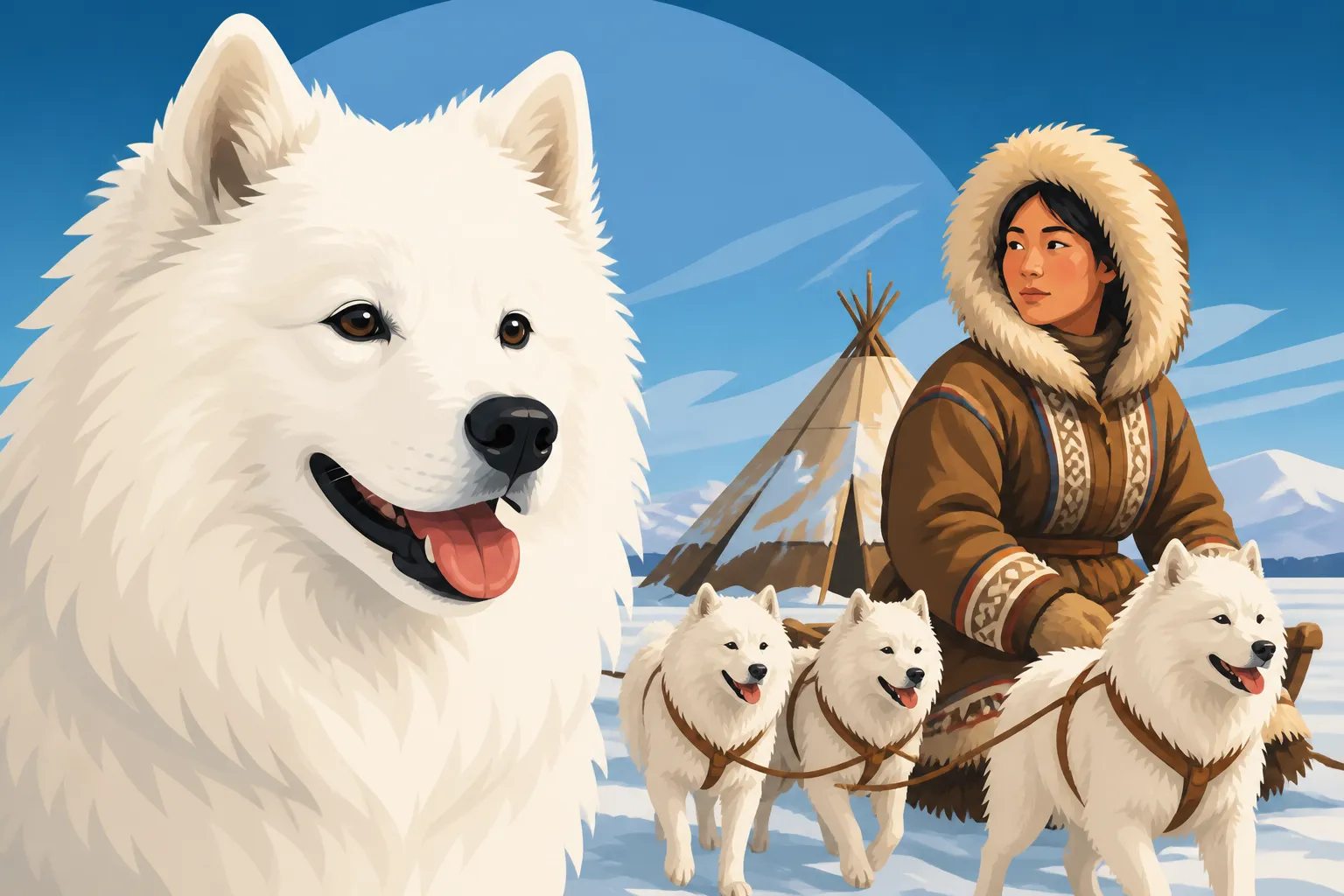
Whether the Nenets Still Keep Samoyed Type Dogs
Many of us Samoyed lovers are captivated by their origins, picturing them alongside nomadic peoples in the frozen Arctic. It's natural to wonder if those true 'Samoyed-type' dogs still exist and work with the Nenets today. This guide will explore the profound, evolving relationship between the ancient reindeer herders of Siberia and the dogs that are inextricably linked to our modern, smiling Samoyed companions.
The Enduring Connection: Nenets and Their Canine Companions
For centuries, the Nenets people, indigenous to the vast, unforgiving Yamal Peninsula in Siberia, have lived a nomadic life inextricably linked to reindeer herding. These intelligent, resilient people developed a unique partnership with their dogs, which were far more than just pets. They were vital for survival, a living tool that adapted to the brutal Arctic conditions and the specific needs of a reindeer-based economy. To ask if the Nenets still keep "Samoyed-type" dogs is to ask about the continuation of a profound cultural and biological heritage.
It’s easy for us, far removed from that harsh reality, to romanticize the idea of these ancient dogs, imagining them as identical to the fluffy white Samoyeds we cherish in our homes today. The truth, however, is a little more nuanced and reflective of the passage of time and the impact of outside influences. While the foundational traits and roles persist, the dogs themselves have undergone subtle shifts, mirroring the changes within the Nenets communities themselves. The essence, though, remains remarkably strong.
The Traditional Role of the Reindeer Herding Dog
The dogs of the Nenets were, first and foremost, working dogs. Their primary job was to help manage massive herds of semi-wild reindeer, a task requiring immense stamina, intelligence, and a specific set of instincts. These dogs weren't just running around; they were actively moving herds, bringing back stragglers, and guarding against predators like wolves. This wasn't a casual stroll; this was life-and-death work in an environment where mistakes could cost the family their livelihood.
Beyond herding, these dogs served as guardians, alerting their human families to approaching dangers, whether human or animal. They were also companions, sharing the warmth of the chums (nomadic tents) with the Nenets people. The Samoyed Slept in the Tent to Keep People Alive wasn't just a quaint custom; it was a matter of survival, providing mutual warmth in sub-zero temperatures. This close bond forged a dog that was fiercely loyal, intelligent, and highly adaptable to human direction, even if sometimes a bit independent in thought.
The functional requirements heavily dictated their physical traits. A dense, protective double coat was essential for surviving arctic winters. Moderate size allowed them to be agile enough for herding but strong enough to pull light loads or protect. Their famous "Samoyed smile" wasn't just charming; it prevented icicles from forming around their mouths, a crucial adaptation for working in freezing conditions. Every aspect of their being was honed by centuries of selective breeding for survival and utility in a specific, demanding environment.
Defining "Samoyed-Type" in a Modern Context
When we talk about "Samoyed-type" dogs in the context of the Nenets, it's important to differentiate them from the purebred Samoyed recognized by kennel clubs worldwide. The dogs developed by the Nenets were bred for function, not for a strict written breed standard of appearance. While they shared many phenotypic traits—the dense white coat, the curled tail, the erect ears—their lineage was about practical utility rather than conformity to a show ring ideal.
The dogs used by the Nenets were an integral part of their ecosystem. There wasn't a formal "breeding program" in the way we understand it today. Instead, the best working dogs were kept and allowed to reproduce, naturally selecting for the traits most valuable to the nomadic lifestyle. This meant that while there was a clear "type," there was also natural variation within the population, allowing for adaptability and genetic robustness. A dog that couldn't perform its duties wouldn't survive or be allowed to breed.
Our modern Samoyed breed largely descends from dogs brought out of Siberia by explorers in the late 19th and early 20th centuries. How Polar Explorers Took Samoyeds Out of Siberia details how these foundation dogs were then bred in Europe and North America to a specific aesthetic standard, sometimes emphasizing traits that were less crucial for pure utility in the Arctic. This divergence means that while our modern Samoyeds share a common ancestor, generations of selective breeding have subtly changed them from their working cousins.
The Evolution of Nenets Canine Partnerships
Life in the Arctic, even for traditionally nomadic peoples, is not static. The world changes, and with it, the pressures and influences on how people live and interact with their environment and their animals. The Nenets have faced various challenges and adaptations over time, and these changes have inevitably impacted the dogs they keep. The question isn't whether dogs are still present, but rather how their role and genetic makeup have shifted.
The encroachment of modern society, the availability of new technologies, and socio-economic shifts all play a role. While the fundamental task of reindeer herding remains, the methods and challenges are always evolving. This ongoing evolution means that the "Samoyed-type" dog with the Nenets today might look and act a little differently than their direct ancestors from a century or two ago. They are still working dogs, but the nuances of their existence reflect a blend of tradition and modernity.
Persistent Traditions in a Changing World
Despite significant external pressures, many Nenets communities continue their traditional nomadic lifestyle, moving with their reindeer herds across vast distances. For these communities, dogs remain an indispensable part of their livelihood. What the Nenets Bred the Samoyed to Do is still largely what their current dogs do: herd, guard, and provide companionship. The deep connection between human and dog for survival is simply too fundamental to disappear entirely.
You can still find dogs working alongside Nenets herders, displaying incredible natural herding instincts and an ability to navigate the harsh environment. These dogs are rugged, intelligent, and possess the stamina required for continuous work in extreme cold. They often share meals and sleeping spaces with their human families, just as their ancestors did, highlighting the enduring bond. They are not show dogs; they are survivors and workers, bred for efficacy above all else.
These dogs are often sturdy, medium-sized spitz-type dogs with thick coats, keen senses, and a strong prey drive channeled into herding. They might not all be pure white; variations in color, though less common, are not detrimental to their working ability and might appear. Their value is in their performance, not in their coat color or specific facial expression, although many will still carry that characteristic "smile." They are the living embodiment of a heritage that values practicality.
The Impact of Modernization and Cross-Breeding
Modernization has brought new challenges to the traditional Nenets way of life, and this includes their dogs. Increased contact with outside communities, the presence of fixed settlements, and the introduction of other dog breeds can lead to cross-breeding. Sometimes this is accidental, and sometimes it's intentional, for example, to introduce new traits like increased size or different guarding instincts that might be perceived as beneficial.
The result is that while "Samoyed-type" dogs still exist, some populations may show evidence of mixed ancestry. This means that genetically, not every dog working with the Nenets today would perfectly match the DNA profile of the original dogs that founded the modern Samoyed breed. This isn't necessarily a negative for the Nenets; for them, a good working dog is a good working dog, regardless of its precise genetic purity as defined by external standards. Their focus remains on function and survival.
This divergence means that if you were to visit a Nenets encampment today, you might see dogs that closely resemble our modern Samoyed, and others that look quite different, perhaps with more varied coats or builds, but all performing the essential tasks of a reindeer herding dog. The priority is always on a dog's capability in the field, not its adherence to a kennel club's ideal. This practical approach is a testament to the Nenets' pragmatic and resilient culture.
The Ongoing Role of Dogs in Nomadic Lifestyles
Even with the advent of snowmobiles and other modern equipment, dogs still play a significant role in Nenets nomadic life. Snowmobiles can cover ground faster, but dogs are often better for precision herding, especially in deep snow, and their presence helps manage the reindeer's natural instinct to scatter. They are also less prone to mechanical failure in extreme cold and don't require fuel, making them a reliable asset.
The dogs also continue to provide invaluable companionship and security. Living in isolated conditions, the bond with animals runs deep, and these dogs are very much part of the family unit. They represent a living link to the past, embodying the resilience and adaptability that characterize the Nenets people themselves. Their survival, like that of the Nenets' culture, is a testament to enduring traditions in a fast-changing world.
For those interested in understanding the ancestral working roots of our modern Samoyeds, these contemporary Nenets dogs offer a fascinating glimpse. They show us that while our beloved pets might enjoy the comforts of a home and a steady supply of premium food from places like Chewy, their distant cousins are still out there, braving the elements, keeping alive a centuries-old tradition. Where the Working Samoyed Still Exists might not be a kennel club show ring, but the tundra of the Yamal Peninsula.
Comparing Past and Present: Nenets Dogs vs. Modern Samoyeds
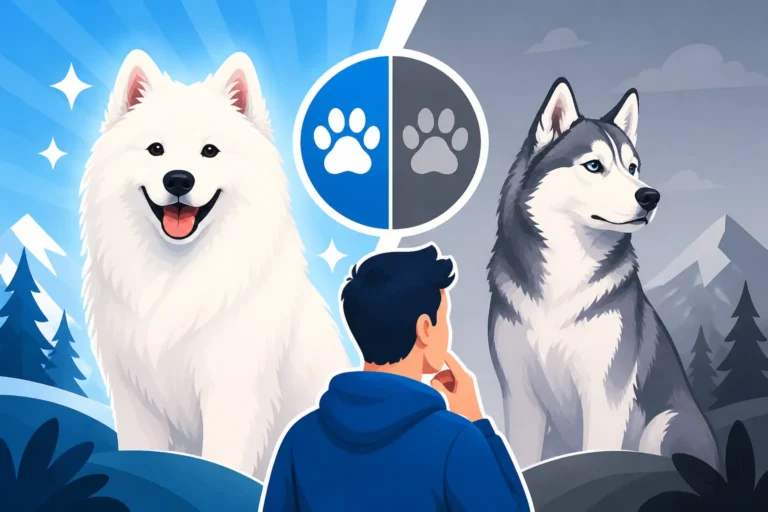
Understanding the differences and similarities between the dogs historically kept by the Nenets and the modern Samoyed breed can be illuminating. While they share a common lineage, the selection pressures and priorities have diverged, leading to distinct traits.
Here's a simplified comparison:
| Feature | Nenets Reindeer Dog (Historical & Contemporary Working Type) | Modern Samoyed (Show & Pet Lines) |
|---|---|---|
| Primary Purpose | Reindeer herding, guarding, companionship, pulling light loads, alarm. | Companion animal, show dog, various dog sports (pulling, agility, etc.) |
| Breeding Focus | Functional traits: stamina, intelligence, herding instinct, cold tolerance, health. | Adherence to a written breed standard (appearance), temperament for pets. |
| Appearance | Rugged, varied in size/color (though typically white/cream), dense working coat. | Pristine white (or cream/biscuit), specific head/tail set, often larger/heavier build. |
| Temperament | Highly independent, strong prey drive, resilient, deeply bonded to family. | Friendly, intelligent, sometimes stubborn, vocal, eager to please (to a point). |
| Diet | Subsistence-based, often includes reindeer meat, fish, foraged scraps. | Commercial dog food (kibble, raw, fresh), often purchased from retailers like Chewy. |
| Genetic Purity | Functional type, some natural variation and occasional cross-breeding. | Closed studbook, emphasis on purebred lineage, DNA testing for health issues. |
The Legacy Continues, In Many Forms
So, do the Nenets still keep "Samoyed-type" dogs? The answer is a resounding yes, though with an important clarification. They keep dogs that fulfill the traditional "Samoyed-type" role and function – strong, resilient, intelligent spitz-type dogs essential for their nomadic reindeer herding lifestyle. These dogs are direct descendants of the animals that forged the Samoyed breed we know today, but they are not necessarily "purebred Samoyeds" in the kennel club sense.
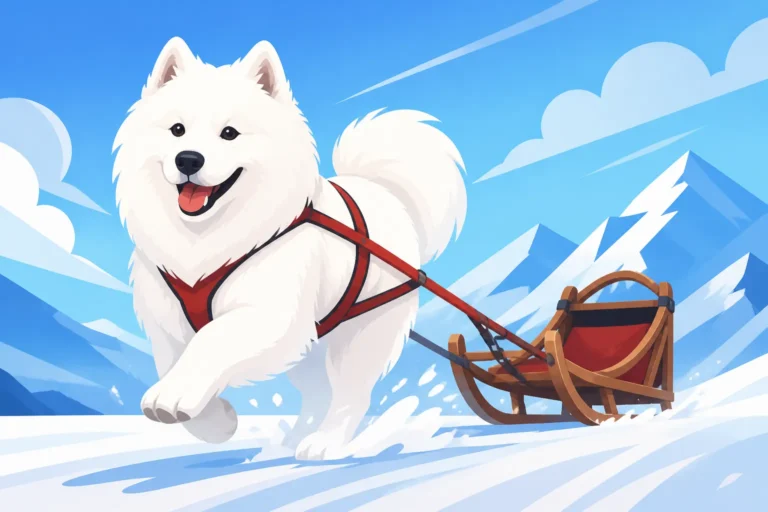
The connection between the ancient Nenets dogs and our modern Samoyeds is a powerful testament to the enduring bond between humans and canines. Our fluffy, smiling companions carry the legacy of those hardy working dogs in their DNA and temperament, even if their daily lives involve soft beds and regular trips to the pet store. Understanding this rich history deepens our appreciation for the breed and the remarkable people who first shaped them.
For anyone who owns a Samoyed, knowing their background helps explain so many of their wonderful, and sometimes challenging, traits. That powerful urge to pull a sled, the deep love for family, the thick coat that sheds like crazy but keeps them warm – it all traces back to those original partners on the tundra. The spirit of the Nenets' working dogs lives on, both in the Arctic and in homes around the world.
Disclaimer
This article is for general informational purposes only and does not constitute professional advice. Laws, prices and regulations vary by location and change over time. Consult a qualified professional for guidance on your specific situation.