Who Etah the Samoyed Was
The annals of polar exploration are filled with incredible tales of human endurance, but often, the silent heroes of these journeys are overlooked: the loyal sled dogs. One such remarkable dog, often overshadowed by the men she served, was Etah, a Samoyed whose unwavering spirit and strength played a pivotal role in one of history's most celebrated achievements. Her story is a testament to the incredible capabilities and enduring bond between humans and these magnificent creatures, and it’s a story every Samoyed enthusiast should know.
The Unsung Hero: Etah's Place in History
When we talk about the race to the South Pole, names like Amundsen and Scott immediately come to mind. But behind the human endeavor were teams of animals, specifically dogs, without whom such incredible feats would have been impossible. Etah was not just a dog on Roald Amundsen's Norwegian expedition; she was the lead dog of the team that, against all odds, reached the South Pole first. Her story is one of resilience, extraordinary dedication, and the profound impact a single animal can have on history.
Selection and Preparation for the Ultimate Journey
Amundsen’s selection of dogs was meticulous, a critical factor in his expedition’s success. He knew that the wrong dogs would doom the entire venture. He sought out the toughest, most resilient, and intelligent animals available, predominantly Samoyeds and Greenland dogs, renowned for their strength and cold-weather adaptation. Etah, a powerful and intelligent Samoyed, was chosen for her exceptional leadership qualities and unwavering temperament. Imagine the sheer cold, the vast, unforgiving landscape of the Antarctic, and the immense pressure on these animals to perform day after day. Their lives, and the lives of the men, literally depended on it. The training they underwent before even setting foot on the ice was rigorous, designed to harden them for the unimaginable challenges ahead. They were conditioned to pull heavy loads, work in unison, and respond to commands under the most stressful conditions. This wasn't just about physical fitness; it was about mental fortitude and the ability to endure.
A Samoyed's Innate Qualities for Polar Work
Samoyeds possess a unique combination of traits that made them ideal for polar exploration, a legacy directly traceable to The Nenets of the Yamal Peninsula Bred the Samoyed. Their thick double coat, designed to withstand extreme Arctic temperatures, offered crucial insulation against the biting Antarctic winds and bitter cold. Their robust build and powerful musculature meant they could pull heavy sleds laden with supplies over treacherous terrain for extended periods. Beyond their physical attributes, their temperament was equally vital. Samoyeds are known for their intelligence, eagerness to please, and strong pack drive, which translated into excellent teamwork and responsiveness to their handlers. Etah, as a lead dog, exemplified these traits, guiding her team with an instinct that often surpassed human navigation in whiteout conditions. Her ability to read the terrain, sense danger, and maintain morale within her team was invaluable, a testament to the breed's inherent working capabilities that go far beyond just looking beautiful.
The Amundsen Expedition: A Race Against Time and Elements
The race to the South Pole in 1911-1912 was a dramatic chapter in exploration history, pitting Roald Amundsen against Robert Falcon Scott. Amundsen's strategy was built on efficiency, speed, and the strategic use of sled dogs, a stark contrast to Scott's more traditional, man-hauling approach. Etah was at the forefront of this daring strategy, leading her team directly into the history books.
Amundsen's Calculated Strategy and the Dogs' Pivotal Role
Amundsen understood that dogs were not merely beasts of burden but essential team members. His plan involved establishing supply depots along the route, which the dogs helped ferry supplies to, and then strategically culling some dogs to provide food for the remaining animals and the men. While this aspect of polar exploration can be difficult to read about today, it was a harsh reality and a calculated decision that ultimately ensured the expedition's survival and success. The dogs were fed a high-fat diet, supplementing with seal meat when possible, to keep their energy levels up. It wasn't just about pulling; it was about fueling a relentless march across an icy wasteland. The foresight and logistical planning around the dogs' welfare and utility were crucial. Amundsen himself, a seasoned polar explorer, spent considerable time with his dogs, understanding their needs and capabilities, which fostered an incredible bond and mutual reliance.
The Invaluable Contribution of Sled Dogs to Victory
Without the sled dogs, Amundsen's expedition would undoubtedly have failed. They not only pulled the heavy sleds but also allowed the team to cover vast distances much faster than Scott's man-hauling parties. This speed was critical in navigating the treacherous crevasses and unpredictable weather conditions of the Antarctic plateau. The dogs’ strong scent of prey, even under thick snow, meant they could occasionally locate cached supplies, a lifesaver in blinding blizzards. Etah, as a lead dog, was instrumental in maintaining direction, especially when visibility was poor. Her intelligence meant she could interpret subtle cues from Amundsen, making quick decisions on the ice that could mean the difference between life and death. The sheer volume of supplies, from food and fuel to scientific equipment, that these dogs transported highlights their indispensable nature. They were truly the engine of the expedition, driving it forward mile after grueling mile. How a Samoyed Pulled a Sled to this extreme level is a testament to their innate drive and physical prowess.
Life on the Ice: The Hardships of Antarctic Sled Dogs
The popular image of a triumphant expedition often glosses over the brutal realities faced by the animals. For Etah and her companions, life on the Antarctic ice was an unrelenting test of survival, marked by extreme cold, meager rations, and constant physical exertion.
Battling the Unrelenting Cold and Harsh Conditions
The Antarctic is one of the most inhospitable places on Earth, and Etah and her fellow Samoyeds faced temperatures that plunged far below freezing, often accompanied by fierce winds that created unbearable wind chills. While their magnificent double coats offered incredible protection – Why a Samoyed's Coat Insulates Against Heat as Well as Cold applies to cold too, trapping warm air – frostbite was a constant threat, especially to paws and ears. The dogs often slept huddled together for warmth, burrowing into snowdrifts, a natural instinct for survival. Each morning, they had to be dug out, their breath frozen to their fur, ready for another day of arduous travel. The terrain itself was a challenge: vast expanses of monotonous white, hidden crevasses, and towering sastrugi (irregular ridges of snow formed by wind). Navigation was difficult, and falls were common, risking injury to both dogs and men.
Scarcity of Food and the Ultimate Sacrifice
Food was a precious commodity, strictly rationed to ensure the expedition could last. The dogs’ diet consisted primarily of pemmican, a concentrated mixture of fat and protein, supplemented by seal meat when available. However, as the journey progressed, supplies dwindled. The difficult decision to cull dogs at pre-determined points was not made lightly but was a grim necessity for survival. The stronger, faster dogs like Etah were kept to continue the push to the Pole, while those deemed less fit provided sustenance for the remaining team and the men. This brutal reality underscores the desperate stakes of polar exploration and the profound sacrifices made. The bond between men and dogs was intense, a partnership forged in extreme hardship, making these decisions agonizing despite their necessity. It’s a stark contrast to how we feed our beloved Samoyeds today, often debating the merits of various high-quality kibbles and supplements from retailers like Chewy.
The Grueling Return Journey
Reaching the South Pole was only half the battle; the return journey was often more perilous. Exhaustion, dwindling supplies, and the psychological toll of the journey weighed heavily on everyone, including the dogs. The teams had to retrace their steps, often against headwinds and through blizzards, with bodies pushed to their absolute limits. Those dogs that made it back were emaciated, scarred, but triumphant. Etah, as a leader, would have been crucial in maintaining the pace and morale of her team, even as their strength waned. The very idea of such a sustained effort is almost unimaginable to us, living lives of relative comfort where our biggest worry might be whether our dog food delivery from Chewy will be on time.
Etah's Legacy and Post-Expedition Life
After the triumph of reaching the South Pole, the surviving dogs of Amundsen's expedition, including Etah, were celebrated as heroes. Their journey, however, did not end with the expedition’s conclusion.
Public Reception and Recognition
Upon their return to civilization, the surviving sled dogs were viewed with immense curiosity and admiration. They were tangible links to an incredible achievement, symbols of endurance and courage. Etah, as the lead dog of Amundsen's polar party, received particular attention. Photographs of her with Amundsen and the other expedition members became iconic. Their story helped solidify the image of the loyal and brave sled dog in the public consciousness, elevating their status beyond mere working animals to genuine companions in exploration. This recognition helped boost the popularity of northern breeds like the Samoyed in Western countries. Who Etah the Samoyed Was became a celebrated part of the larger narrative.
The Journey After the Ice: New Homes and New Lives
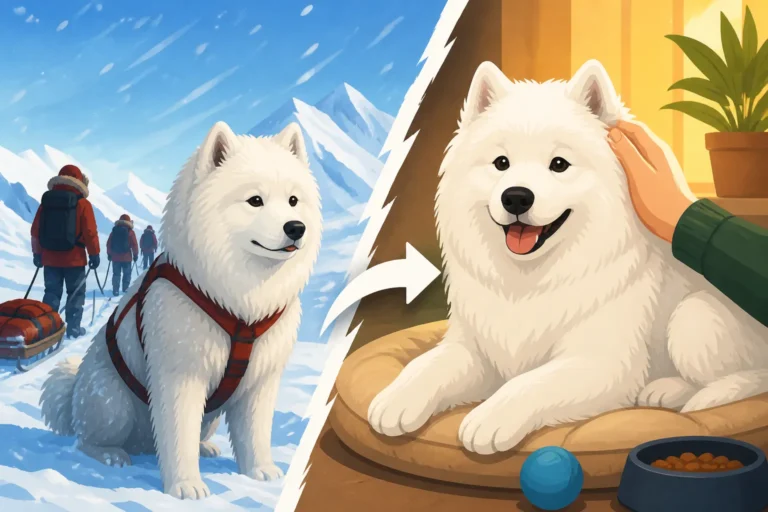
Unlike some of the expedition dogs who were tragically left behind or perished, Etah was among the fortunate few who returned to a new life. While specific details can be elusive, many of the dogs were reportedly offered to various individuals, including members of the expedition crew or those associated with the Royal Geographical Society, who wished to honor their service. It’s believed Etah found a home in Norway, possibly with one of Amundsen's associates. Imagine going from the stark, brutal landscape of Antarctica to a warm home, perhaps even enjoying a comfortable dog bed (something our modern Samoyeds get from Chewy!) and regular meals after years of lean existence. The adjustment for these dogs must have been immense, both physically and psychologically.
Etah's Final Years and Enduring Memory
Etah lived out her remaining years much like any beloved pet, far removed from the rigors of polar exploration. Her exact lifespan after the expedition is not definitively recorded, but it's important to remember that such strenuous campaigns often took a severe toll on the animals involved, potentially shortening their lives. However, her impact extended far beyond her physical presence. Etah became a symbol of the Samoyed breed's incredible capabilities and loyalty. Her name, though perhaps not as widely known as Amundsen's, resonates deeply within the Samoyed community and among enthusiasts of polar history. She embodied the spirit of the breed: resilient, intelligent, and utterly devoted. To this day, the story of Etah, the Samoyed That Reached the South Pole First reminds us of the extraordinary contributions these dogs made.
| Key Figures & Roles in Amundsen's Expedition | |
|---|---|
| Roald Amundsen | Leader of the Norwegian South Pole Expedition |
| Etah | Lead Samoyed dog of Amundsen's polar party |
| Oscar Wisting | Team member, dog handler, co-reached South Pole |
| Olav Bjaaland | Team member, ski expert, co-reached South Pole |
| Helmer Hanssen | Team member, dog handler, navigation expert, co-reached South Pole |
| Sverre Hassel | Team member, dog handler, co-reached South Pole |
| Sled Dogs (e.g., Samoyeds, Greenland Dogs) | Provided motive power, carried supplies, crucial for survival |
Why Etah's Story Matters Today
Etah’s story isn't just a historical footnote; it's a powerful narrative that continues to resonate, offering insights into the enduring spirit of the Samoyed and the critical role animals play in human endeavors.
Historical Significance of Her Achievement
Etah's role in the first successful human journey to the South Pole cannot be overstated. She was part of a team that achieved what many believed impossible, demonstrating the supreme efficacy of Amundsen's dog-based strategy. Her contributions, and those of her fellow sled dogs, fundamentally changed the landscape of polar exploration, proving that a well-trained dog team was the most reliable and efficient means of travel in such extreme environments. This success not only elevated Amundsen's legacy but also cemented the Samoyed's reputation as a peerless working dog. It's a testament to the powerful combination of human ingenuity and animal instinct, working in perfect, grueling harmony.
Impact on the Samoyed Breed and Modern Ownership
Etah’s fame, however modest, undeniably contributed to the Samoyed breed’s recognition and popularity beyond its native Siberia. It showcased their incredible resilience, intelligence, and adaptability, qualities that still define the breed today. For modern Samoyed owners, Etah’s story serves as a powerful reminder of their dog's heritage. It's a heritage of grit and determination, a far cry from simply being a fluffy, smiling companion. Understanding this past helps us appreciate the breed's inherent drive and needs. While most Samoyeds today won't be pulling sleds to the South Pole, their ancestral instincts for work, companionship, and enduring the elements are still very much alive. This is why things like proper exercise, mental stimulation, and quality nutrition (readily available from places like Chewy) are so important for these dogs, even if their "work" is just a long hike or a game of fetch. The Job a Samoyed Actually Needs is often a reflection of their history.
Lessons for Modern Dog Owners and Animal Welfare
Etah's story, and the broader narrative of expedition dogs, offers profound lessons for contemporary dog ownership and animal welfare. It highlights the incredible capabilities of dogs when properly cared for, trained, and partnered with. It also serves as a stark reminder of the sacrifices and ethical dilemmas inherent in extreme situations. While we no longer ask our dogs to endure such extreme conditions, the core principles of understanding a breed's needs, providing appropriate care, and fostering a strong bond remain paramount. It encourages us to look beyond the cute, fluffy exterior of a Samoyed and recognize the intelligent, capable animal beneath. Reflecting on the physical and mental endurance of dogs like Etah also underscores the importance of preventative care and understanding canine health, as we discuss in articles like The Twelve to Fourteen Years a Samoyed Lives and Caring for an Old Samoyed. It's a legacy of survival and partnership that continues to inspire.
Disclaimer
This article is for general informational purposes only and does not constitute professional advice. Laws, prices and regulations vary by location and change over time. Consult a qualified professional for guidance on your specific situation.