What Happened to the Samoyed Etah After the Expedition
It's easy to get swept up in the grandeur of polar exploration, imagining the triumphs and the sheer grit of the human adventurers. But what about the unsung heroes, the incredible dogs who made those journeys possible? Their stories, especially what happened to them after the ice, are often a bit of a mystery, leaving many of us wondering if they found a soft landing or simply faded into history. This guide delves into the remarkable, yet often obscure, post-expedition life of Etah, the legendary Samoyed who carved her place in history as part of Roald Amundsen's pivotal expedition to the South Pole, and sheds light on the broader fates of her courageous canine companions.
Etah's Crucial Role in Amundsen's South Pole Expedition
When we talk about Roald Amundsen's successful expedition to the South Pole in 1911, it's impossible to overstate the role played by his incredible sled dogs. These were not just animals; they were the very engine of survival, the backbone of the mission. Among them was Etah, a Samoyed whose name has resonated through history, not just as a participant, but as a lead dog, embodying the quintessential traits of her hardy breed.
A Vital Member of the Sled Teams
Amundsen, a man deeply experienced in polar travel, understood implicitly that his success hinged on the efficiency and resilience of his dog teams. He didn't view his dogs as mere beasts of burden, but as highly specialized, intelligent companions absolutely essential for traversing the unforgiving Antarctic landscape. Samoyeds, with their dense double coats, immense stamina, and remarkable ability to withstand extreme cold, were perfectly suited for such a task. Etah was one of these chosen few, selected for her strength, intelligence, and her proven capability to lead. She was more than just a dog pulling a sled; she was a navigator, a morale booster, and a critical component in the meticulous planning that characterized Amundsen's approach. The trust placed in dogs like Etah was profound; their ability to sense unseen crevasses, maintain pace over vast, featureless ice, and respond to commands under duress literally meant the difference between life and death for the entire expedition. Every calorie they consumed, every ounce of their energy, was meticulously managed to ensure optimal performance.
These dogs were trained extensively before the expedition even set foot on Antarctic ice, learning to work as a cohesive unit, understanding the subtle cues of their handlers. The environment demanded not just brute strength, but mental fortitude. They had to endure monotonous days of pulling, fierce blizzards that could disorient anyone, and the constant threat of injury in a desolate, frozen world. Etah, as a lead dog, had an even greater responsibility. She set the pace, maintained the direction, and instilled confidence in the dogs behind her. Her calm demeanor and unwavering focus would have been invaluable in keeping the team together and moving forward through seemingly endless white expanses. It’s a testament to these dogs' incredible nature that they could perform such demanding work under such extreme duress, often with nothing but their instincts and the bond with their human companions guiding them.
The Journey to the Farthest South
The trek to the South Pole was an unimaginable ordeal, a grueling test of endurance against nature's most formidable elements. For dogs like Etah, it meant months of relentless pulling across treacherous ice, navigating pressure ridges, and enduring temperatures that could plummet to unimaginable lows. The dogs were fed a diet designed for maximum energy output, often consisting of seal meat and pemmican, a concentrated blend of fat and protein. Their bodies, finely tuned for survival in such climes, metabolized this fuel efficiently, turning it into the power needed to haul heavy sledges laden with supplies, scientific equipment, and survival gear. The conditions were brutal: blinding blizzards, constant wind, and the relentless glare of the sun reflecting off the snow. Yet, the dogs pushed on, day after day, week after week.
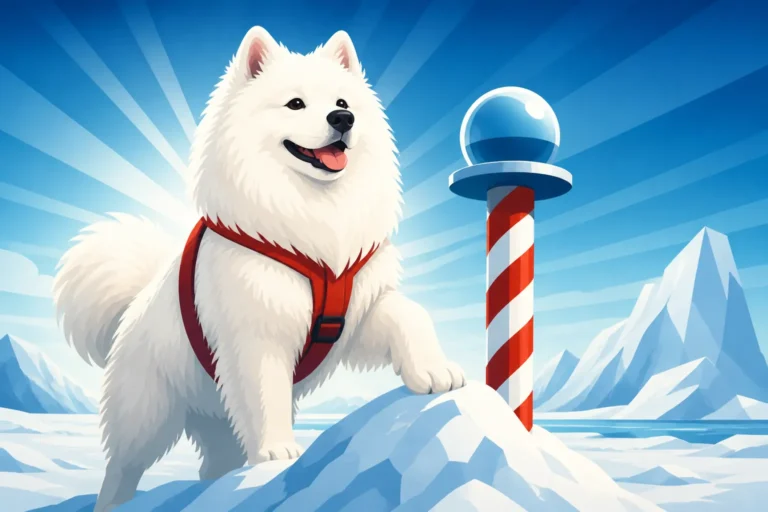
Amundsen’s strategy involved using the dogs as a resource, both for transport and, controversially, as a potential food source for the return journey, a stark reality of survival in that era of exploration. The decision to cull some dogs to feed the remaining team and the men was a brutal one, but it was a calculated measure that ultimately ensured the expedition's success where others had failed. Etah, however, was among the select few who made the entire journey to the pole and back, a testament to her exceptional strength and resilience. Her paws would have been worn raw from the ice, her fur thick with frost, but her spirit, like that of the other surviving dogs, remained unbroken. Their incredible feat of traversing thousands of miles across the most inhospitable terrain on Earth showcases the Samoyed's unparalleled endurance and adaptability. Etah, the Samoyed That Reached the South Pole First highlights her extraordinary achievement. It was a journey that pushed the limits of both human and canine endurance, a testament to what could be achieved when man and dog worked in absolute harmony against overwhelming odds.
The Journey Home and the Harsh Realities of Polar Exploration
After the triumph of reaching the South Pole, the journey wasn't over. In many ways, the return trip could be even more dangerous, as supplies dwindled, fatigue mounted, and the mental and physical toll of the expedition reached its peak. For the dogs, this meant another long, arduous trek back to the base camp, and then a challenging voyage home.
Selecting the Surviving Expedition Dogs
The return from the South Pole was a stark process of survival. Amundsen's expedition, while successful, was not without its grim necessities. A crucial, and often heartbreaking, aspect of polar exploration was the strategic culling of some dogs to ensure the survival of others, both canine and human. This was a cold, hard decision made in the face of dwindling food supplies and the need to preserve the strongest animals for the crucial return leg. The dogs selected to survive and return home were those deemed absolutely essential for the remaining journey, those with the most stamina, the best leadership qualities, and the highest chance of making it back to the ship. Etah was clearly among this elite group, her vitality and performance having proven her worth throughout the most challenging parts of the expedition.
It's important to understand the context of the time; these were not pets in the modern sense but highly valuable working animals whose lives were intrinsically linked to the success and survival of the entire team. While difficult to fathom from a contemporary perspective, these decisions were seen as necessary to prevent the entire expedition from perishing. The remaining dogs, those strong enough to continue pulling, were then tasked with carrying not only the reduced supplies but also the hope of the entire party. What Happened to Expedition Samoyeds on the Ice delves into the harrowing experiences of these dogs, both those that made it and those that didn't. The emotional toll on the explorers, having to make such choices about their loyal companions, must have been immense, even if not openly discussed in their official reports.
The Long Voyage from Antarctica
Once back at the base camp and then aboard the expedition ship, the Fram, the dogs faced another significant challenge: the long sea voyage from the frozen wastes of Antarctica back to civilization. This was a dramatic change from their life on the ice. Instead of boundless snow and ice, they were confined to kennels or designated areas on a rolling ship. The care they received would have been basic but essential, focusing on feeding, watering, and providing some shelter from the elements. However, the transition from the extreme cold of the pole to the milder temperatures of lower latitudes, especially during the journey through the roaring forties, would have been a physiological shock. Their thick double coats, perfect for sixty-below temperatures, suddenly became a burden, potentially causing them to overheat.
Imagine a powerful, energetic Samoyed, accustomed to running hundreds of miles, suddenly cooped up on a ship for weeks or even months. It would have been a significant adjustment for their physical and mental well-being. Keeping them adequately fed and hydrated, clean, and healthy enough to travel, would have been a constant effort for the ship's crew. Though specific details about Etah's individual journey back are scarce, it’s safe to assume she endured these same conditions, eventually reaching Norway with the rest of Amundsen's triumphant returnees. This journey marked the final chapter of their working lives in the Antarctic, preparing them for whatever awaited them in the vastly different world of human society.
Etah's Documented Life After the Ice
While the general narrative of Amundsen's expedition is well-documented, the individual stories of the dogs, including Etah's, tend to become a little hazy once they leave the ice. This isn't unusual for the time, where animals, even heroic ones, were rarely afforded the same detailed historical record as their human counterparts.
Post-Expedition Fame and Limited Records
Upon Amundsen's triumphant return, there was naturally immense public interest in the expedition and its heroes. While Amundsen himself became a global celebrity, the dogs, particularly lead dogs like Etah, also garnered a degree of fame. They were seen as symbols of the expedition's success, living embodiments of the courage and endurance required for such an endeavor. However, this fame was often fleeting and generalized. Records tend to speak of "the dogs" rather than detailing the personal lives of individual animals post-expedition. For a dog like Etah, we have glimpses, but not a full biography. She was reportedly given as a gift, a high honor for a dog of her stature, often to a family member or a prominent supporter of the expedition. This act of gifting symbolized her value and the gratitude of the explorer.
However, the day-to-day life, the quirks, the joys, and challenges Etah faced in her new home are largely lost to history. We don't have detailed journals or extensive accounts of her retirement years. This lack of granular detail is a frustration for modern enthusiasts who wish to connect more deeply with these historical figures. It serves as a poignant reminder that even though their deeds were monumental, the individuals behind the achievements often slipped through the cracks of documentation. Who Etah the Samoyed Was helps to piece together the fragments of her story, but the full picture remains elusive. It’s a bit like knowing the name of a famous painting but never seeing it in person or hearing the story behind its creation.
The Reality for Most Expedition Dogs
Etah's story, incomplete as it may be, stands in contrast to the fate of many other expedition dogs who participated in various polar endeavors. The reality for the vast majority of these animals was far less celebrated and often quite brief. Many dogs, after their service, were simply sold off, sometimes to local handlers, sometimes even to circuses or exhibitions where their unique polar heritage could draw a crowd. Others were dispersed, their names forgotten, blending into the general dog population. For some, the sheer hardship of the expeditions had taken such a toll that their lives after the ice were short, succumbing to ailments or injuries sustained during their arduous work.
It's a sobering thought that while their efforts were critical, their individual "happily ever after" was rarely guaranteed. They were tools, albeit living, breathing, and incredibly loyal ones, in the grand schemes of human exploration. The concept of pet welfare and detailed individual animal care was simply not as developed as it is today. So, while Etah was fortunate enough to be recognized and given a new home, countless others simply disappeared from the historical record, their heroic deeds relegated to an anonymous footnote. This difference underscores the unique position Etah held, even if her subsequent life was not extensively chronicled. Who Owned the Samoyed Etah After the Ice attempts to trace her lineage beyond the expedition, but it's a difficult path with limited historical breadcrumbs.
Challenges of Reintegration and Long-Term Care
Imagine being born and bred for one specific, incredibly demanding job, only to have it abruptly end. That's what faced many of the surviving polar dogs, including Etah. Their entire being was geared towards extreme physical exertion, pack dynamics, and survival in a brutal wilderness. Suddenly, they were expected to adapt to a world of leashes, domestic routines, and potentially unfamiliar sounds and smells.
Adapting to Civilian Life
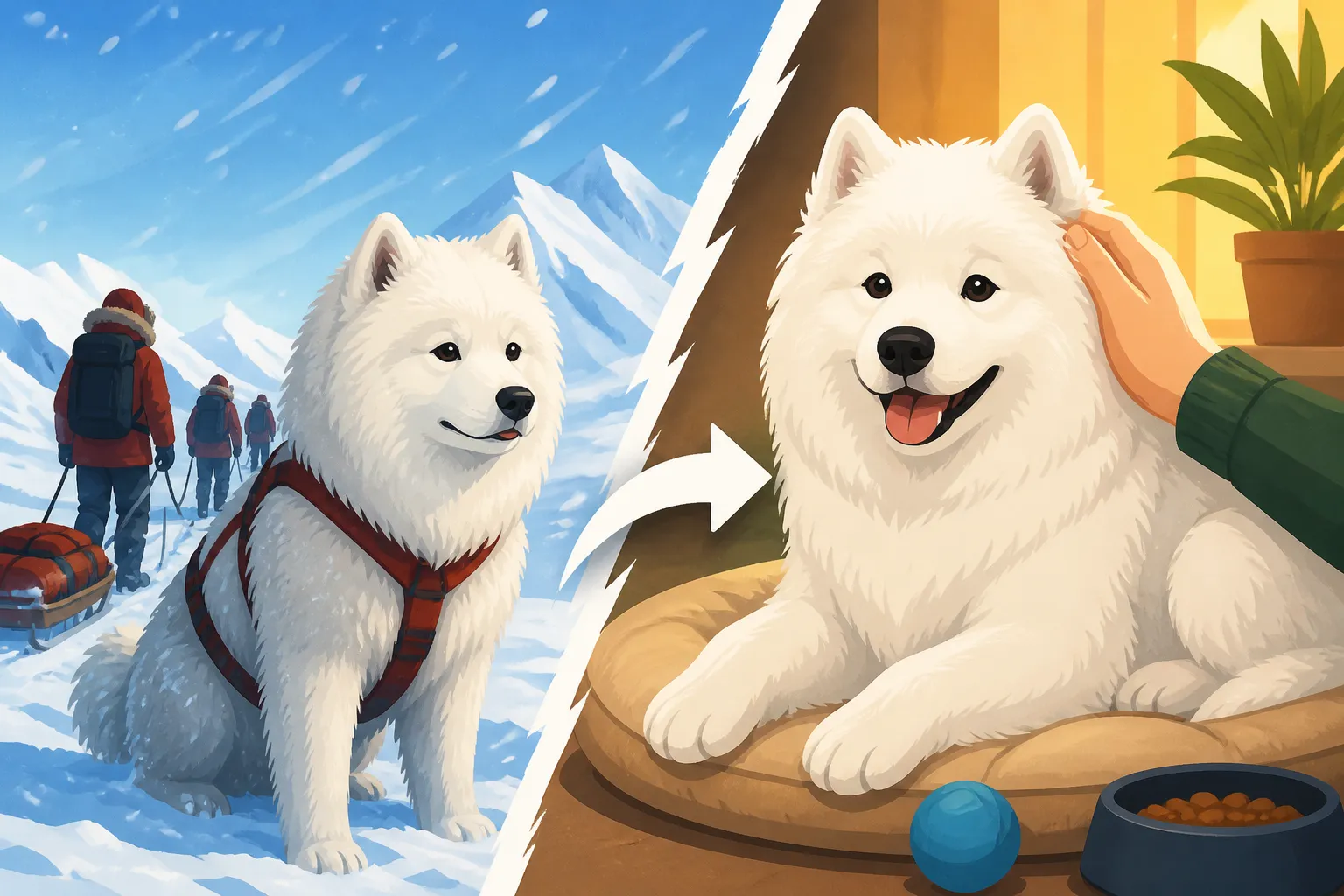
For dogs like Etah, who had spent months, if not years, in a primal, high-stakes environment, adapting to "civilian life" would have presented a unique set of challenges. These were not typical family pets. They were honed athletes, driven by powerful instincts, accustomed to constant work and a very clear hierarchy within a pack. Suddenly, the vast, open ice was replaced by enclosed yards, city streets, or the quiet confines of a home. Their primary drive to pull, to run, to contribute to the survival of the team, no longer had an outlet. This sudden shift could lead to significant behavioral adjustments. A dog bred to pull might constantly strain on a leash, finding a leisurely walk frustrating. A dog accustomed to the freedom of the pack might struggle with being the sole canine companion or with structured interactions.
Modern Samoyed owners understand that even today, Samoyeds need significant mental and physical exercise to thrive. Imagine that need amplified in a dog like Etah, whose entire existence had been defined by extreme physical demands. Without proper outlets for their energy and intelligence, such dogs could easily become restless, destructive, or develop behavioral issues out of sheer boredom. Finding appropriate enrichment, like sturdy chew toys or puzzle feeders – readily available from retailers like Chewy today – would have been crucial, though likely not a priority in the early 20th century. The goal would have been to transition these highly specialized animals into a somewhat functional pet role, a task that often proved difficult and sometimes unsuccessful. The Samoyed Slept in the Tent to Keep People Alive talks about their historical integration into human families, but their roles were vastly different then.
The Health Toll of Extreme Expeditions
Beyond the behavioral adjustments, the physical toll of a polar expedition on these dogs would have been immense and long-lasting. Consider the constant strain on their joints from pulling heavy sledges day in and day out, mile after mile. It's highly probable that many suffered from early onset arthritis or other orthopedic issues. Arthritis in an Older Samoyed covers what this looks like in today's pets, but for expedition dogs, it would have been an unavoidable consequence of their grueling work. Dental health would also have been a concern; their diets were often rough, and opportunities for dental care non-existent. Frostbite, though their thick coats offered protection, was always a risk, particularly to extremities like paws and ears.
The sheer stress on their internal systems, from constant cold, limited and often repetitive diets, and the immense energy expenditure, could lead to a variety of internal ailments that might not manifest until later in life. Their lifespans, even for a robust breed like the Samoyed, were likely shortened by these extreme experiences. While we know The Twelve to Fourteen Years a Samoyed Lives for a well-cared-for Samoyed in modern times, an expedition dog's longevity would have been severely compromised. Adequate veterinary care, as we know it today, was nascent at best in the early 1900s, meaning many issues would have gone untreated. Their ability to recover fully and lead a long, healthy life after such a monumental ordeal was a testament to their innate toughness, but also a matter of considerable luck.
Etah's Enduring Legacy in Samoyed History
Even with the limited direct accounts of her post-expedition life, Etah's name, and indeed the contributions of all the Samoyeds on the polar expeditions, left an indelible mark. Their bravery and fortitude cemented the breed's reputation and sparked an enduring fascination.
Inspiring a Generation of Samoyed Enthusiasts
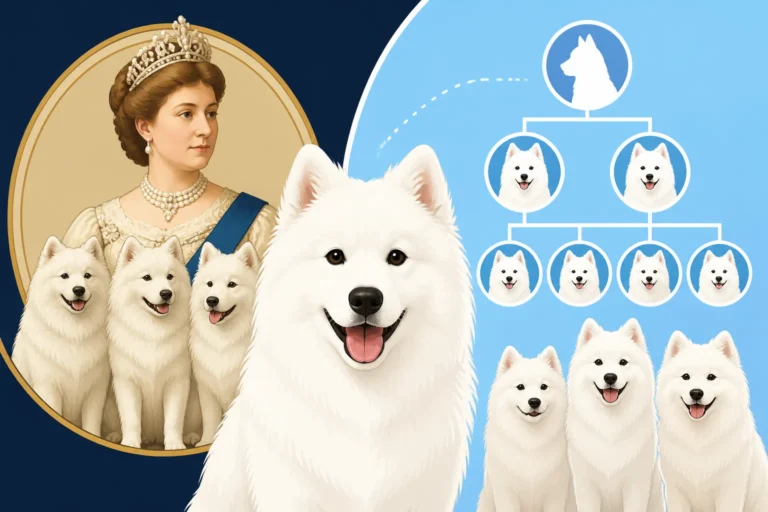
The stories of the polar expeditions, and the crucial role played by dogs like Etah, captivated the public imagination across the globe. These were tales of courage, endurance, and unwavering loyalty in the face of the unknown. For many people, seeing images or reading accounts of these magnificent white dogs hauling sledges through blizzards was their first introduction to the Samoyed breed. Their prominent role in Amundsen's success, particularly, showcased the Samoyed's unmatched qualities: their strength, their intelligence, their thick, insulating coats, and their seemingly boundless energy. This exposure generated significant interest in the breed, contributing to their growing popularity outside of their native Siberia. How Polar Explorers Took Samoyeds Out of Siberia is a direct testament to this phenomenon, illustrating how these working dogs transitioned into admired companions and show dogs in the Western world.
This inspiration wasn't just about their looks; it was about their spirit. People were drawn to the idea of owning a dog with such a noble history, a dog that symbolized resilience and companionship in the face of adversity. The romanticism of the polar regions, coupled with the endearing "Samoyed smile" and their fluffy, approachable appearance, created a powerful allure. This newfound interest translated into more people seeking out Samoyed puppies, leading to the establishment of kennels and breed clubs dedicated to preserving and promoting the breed's unique characteristics. Thus, Etah, though perhaps unknowingly, became an ambassador for her breed, her very existence a compelling advertisement for the Samoyed's remarkable qualities.
Etah's Place in Breed Lore
Within the Samoyed community, Etah holds a special, almost revered, place in the breed's lore. She represents the pinnacle of the working Samoyed, a tangible link to their ancestral purpose and their incredible history as sled dogs and companions to the Nenets people. Her name is still evoked as a symbol of the breed's powerful heritage, a reminder that behind the beautiful white coat and the smiling face lies a dog of immense capability and courage. For breeders and enthusiasts alike, Etah embodies the ideal Samoyed spirit – tenacious, intelligent, and utterly devoted. She is more than just a historical footnote; she is a foundational figure, a benchmark of the Samoyed's inherent qualities. The Nenets of the Yamal Peninsula Bred the Samoyed to survive and thrive in harsh conditions, and Etah exemplified these traits perfectly.
Even today, when many Samoyeds live as pampered family pets, the legacy of dogs like Etah serves as a powerful reminder of their roots. It encourages owners to understand their dog's innate drives and needs, ensuring they receive enough mental and physical stimulation. Owners today can readily find performance-oriented foods for active Samoyeds on platforms like Chewy, a stark contrast to the basic rations of expedition dogs. Whether a Samoyed is competing in dog sports, working as a therapy dog, or simply being a beloved family companion, the echoes of Etah’s legendary journey resonate. Her story reinforces the notion that the Samoyed is a breed of extraordinary character, deserving of our admiration and our commitment to their well-being. Even if Whether an Older Samoyed Is Easier to Adopt isn't directly related to Etah, the general understanding of a Samoyed's needs applies across all ages, harkening back to their robust origins. Providing What a Samoyed Needs Every Day means understanding this legacy.
| Aspect | Etah's Known Fate | General Fate of Other Expedition Dogs |
|---|---|---|
| Survival of Expedition | Yes, survived the South Pole trek and returned to civilization. | Many did not survive; some culled for food, others succumbed to conditions. |
| Post-Expedition Placement | Reportedly gifted to a relative or supporter of Amundsen. | Often sold, dispersed, or simply disappeared from records. |
| Public Recognition | Gained some fame as a lead dog in Amundsen's successful expedition. | Largely anonymous, their individual contributions rarely noted. |
| Long-Term Records | Limited, but some mentions exist in historical accounts. | Very few individual records; often grouped as "the dogs." |
| Reintegration Challenges | Likely faced adjustments to domestic life after intense work. | Similar challenges, with many possibly not adapting well. |
| Health Outlook | Unknown specific health issues, but likely impacted by ordeal. | Many would have suffered lasting health consequences. |
Disclaimer
This article is for general informational purposes only and does not constitute professional advice. Laws, prices and regulations vary by location and change over time. Consult a qualified professional for guidance on your specific situation.