Whether a Samoyed Gains Weight Easily
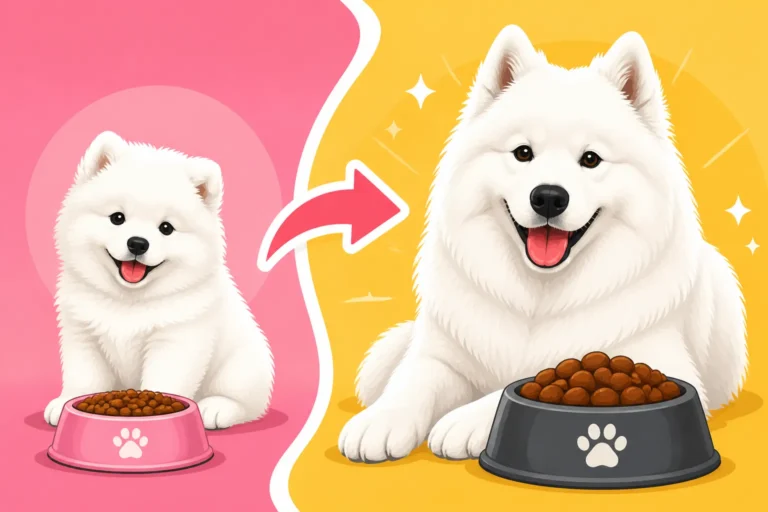
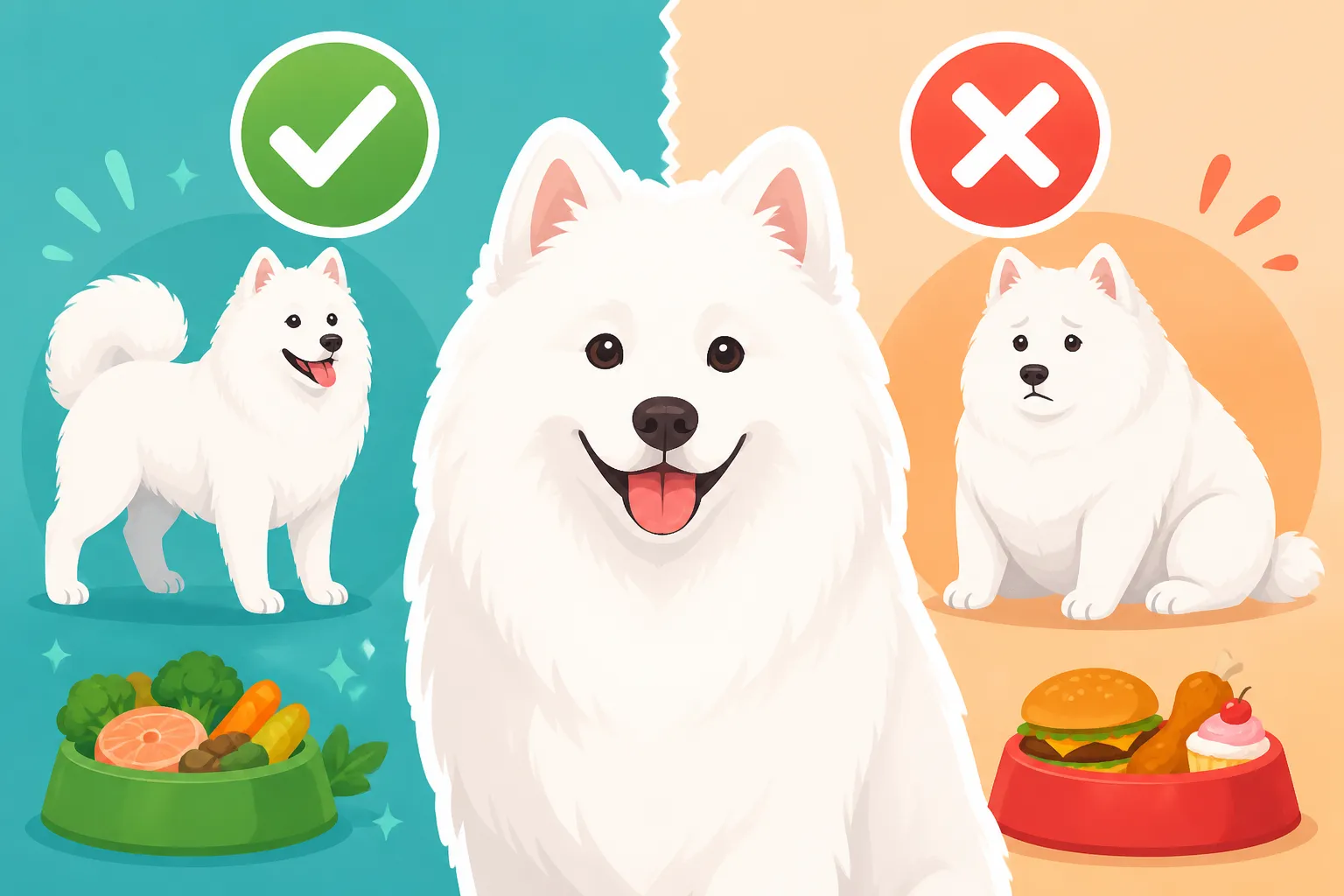
It’s a common misconception that because Samoyeds are big, fluffy dogs, they can get away with a little extra weight. Their glorious double coats are amazing insulators, but they also do a fantastic job of hiding what's really going on underneath. Many Samoyed owners are genuinely surprised to learn that, yes, these beautiful dogs can absolutely gain weight easily, and it's something we need to be incredibly vigilant about. This guide is going to walk you through why Samoyeds are prone to packing on pounds, the subtle ways their bodies hide it, and exactly what you can do to keep your smiling floof at a healthy, happy weight for a long, joyful life.
The Samoyed's Metabolism: Built for the Cold, Not the Couch
When you look at a Samoyed, you see a majestic animal built for the harsh Siberian tundra. Their ancestors worked tirelessly, herding reindeer and pulling sleds across vast, icy landscapes. Their bodies were honed by generations of survival in extreme conditions, meaning they are incredibly efficient at utilizing every calorie. This efficiency, which was a lifesaver in their original environment, can become a real challenge when they transition to a life of comfort as our beloved companions.
The Efficiency of a Northern Breed's Body
Imagine a dog living in a place where food isn't always plentiful and every ounce of energy is crucial for survival. That's the evolutionary blueprint of your Samoyed. Their metabolism is designed to conserve energy, extracting maximum nourishment from minimal food intake. This is why even a seemingly small increase in daily calories can quickly translate into weight gain for a Samoyed. They don't have the "burn it all off" metabolism of some other breeds. Instead, they're like a highly optimized engine that runs perfectly on less fuel than you might expect. It's not a flaw; it's a testament to their incredible history, but it does mean we have to be extra mindful in our modern homes.
This metabolic efficiency also means that they don't necessarily need the same quantity of food as a similarly sized dog from a different background. A casual owner might compare their Samoyed's food portion to that of a retriever or a shepherd and think, "Oh, my Sammy isn't eating that much!" But for a Samoyed, that "normal" amount could easily be too much, leading to a slow but steady accumulation of extra pounds. Understanding How Much a Samoyed Should Eat is really key here, as it often surprises people how little they truly need to maintain a healthy physique.
Why Their Coat Masks Early Weight Changes
Ah, the glorious Samoyed coat! It's their most iconic feature, a cloud of white fur that's soft to the touch and breathtaking to behold. But this magnificent double coat is a master of disguise. It provides incredible insulation, as we know from What a Samoyed's Double Coat Is Made Of, but it also makes it incredibly difficult to visually assess their body condition. You can't just glance at a Samoyed and tell if they're gaining weight the way you might with a short-haired dog whose ribs, waist, and tuck-up are clearly visible.
What often happens is that owners don't notice the weight creeping on until it's become a significant problem. The fur fills out around their frame, making them look uniformly fluffy rather than round. You might not see a noticeable "spare tire" or a broadening waistline until they've already put on several pounds. This masking effect can lead to delays in intervention, allowing the weight gain to progress unchecked. That's why it's so important to physically feel your Samoyed regularly, getting past that luxurious fluff to check their body condition firsthand. You really need to be Feeling for Ribs Under a Samoyed's Coat to truly understand their physique.
Common Culprits Behind Samoyed Weight Gain
It’s not usually one big thing that causes a Samoyed to gain weight; it's often a combination of subtle factors that, over time, add up. Life in a loving home, while wonderful, is very different from their ancestral existence, and these changes can easily tip the scales towards an unhealthy weight.
Overfeeding and Calorie Creep
This is perhaps the most common culprit, and it's often done with the best intentions. We love our Samoyeds, and what better way to show love than with food? A little extra kibble here, a few more treats there, sharing bits of human food from the table – these small indulgences, when they happen consistently, lead to what I call "calorie creep." Each individual addition might seem insignificant, but when accumulated day after day, they quickly exceed a Samoyed’s relatively low caloric needs.
Think about it: just a handful of extra kibble a day, or a few high-calorie training treats, can add hundreds of calories to their diet without you even realizing it. And those delicious human scraps? Even a small piece of cheese or a bite of fatty meat can be a huge caloric bomb for a dog. It’s a natural human tendency to want to spoil our pets, but for a Samoyed, this kind of generosity with food can have serious long-term consequences. Many commercial dog foods, especially the highly palatable ones, are also formulated to be quite calorie-dense, so even proper portions can be a lot if your Samoyed isn't highly active. This is where brands like Chewy, offering a wide array of dog food options, necessitate careful label reading and calorie consideration.
Insufficient Exercise for an Active Breed
Samoyeds are not dainty lap dogs. They are powerful, athletic animals bred for endurance. While they certainly enjoy lounging on the couch with their people, a sedentary lifestyle is fundamentally at odds with their genetic makeup. A Samoyed needs consistent, vigorous exercise to maintain both their physical and mental well-being. If they're not getting enough opportunities to run, play, and burn off energy, those excess calories have nowhere to go but to settle on their frame as fat.
Life gets busy, and sometimes those long walks or play sessions get cut short. A Samoyed who once had daily adventures might suddenly find themselves with shorter walks around the block due to a change in their owner's schedule or even just bad weather. This reduction in activity, combined with a diet that hasn't been adjusted, is a surefire recipe for weight gain. Even if you think your Samoyed is getting a "normal" amount of exercise, for a Samoyed, "normal" might not be enough. They thrive on activity, whether it's sledding, hiking, or just extended playtime in a securely fenced yard. Ignoring this need isn't just bad for their waistline; it can lead to behavioral issues born of boredom and pent-up energy.
The Impact of Spaying and Neutering on Metabolism
It's a well-documented fact that spaying and neutering can lead to a decrease in a dog's metabolic rate. While these procedures are incredibly important for population control and preventing certain health issues, they do come with a responsibility for owners to adjust their dog's care afterwards. Hormonal changes post-surgery can cause dogs to require fewer calories, making them more prone to weight gain if their diet and exercise routine remain unchanged.
Many owners find that their once lean and active Samoyed starts to put on weight a few months after being spayed or neutered. It's not that the dog suddenly became lazy, but their body just isn't burning calories at the same rate it used to. This means that the same food portion that kept them at a healthy weight before surgery might now be too much. It's crucial to be proactive about this change, working with your vet to determine if a reduction in food intake or an increase in activity is necessary. Ignoring this metabolic shift can lead to your Samoyed becoming Whether a Neutered Samoyed Gains Weight, which is a common problem we see.
The Hidden Dangers of an Overweight Samoyed
An overweight Samoyed isn't just a less aesthetically pleasing Samoyed; it's a Samoyed at a much higher risk for a whole host of serious health problems. The extra pounds put a strain on every system in their body, significantly impacting their quality of life and potentially shortening their time with you. It’s really not just about how they look; it’s about their health and happiness.
Joint Stress and Mobility Issues
Samoyeds, like many larger breeds, can be predisposed to certain orthopedic conditions like Hip Dysplasia in a Samoyed. When you add excess weight into the equation, you exacerbate these risks significantly. Every extra pound puts additional stress on their joints – hips, elbows, knees, and spine – leading to increased inflammation, pain, and the accelerated degeneration of cartilage. This can turn a manageable mild arthritis into a debilitating condition much earlier in life.
An overweight Samoyed might show reluctance to jump, run, or even climb stairs. Their playful antics might diminish, and they could seem lethargic, when in reality, they're just hurting. This vicious cycle often means they move less because they hurt, which then leads to more weight gain, more pain, and even less movement. It's heartbreaking to watch an active breed like a Samoyed struggle with mobility when it could have been prevented. We often discuss Whether a Samoyed Needs Joint Support Early, and for an overweight Samoyed, this support becomes even more critical, though prevention through weight management is always superior.
Increased Risk of Serious Health Conditions
Beyond joint problems, obesity in Samoyeds opens the door to a wide array of other serious health issues. Just like in humans, excess fat in dogs is not inert; it's metabolically active tissue that contributes to inflammation and hormonal imbalances throughout the body.
Here's a look at some of the increased risks:
- Diabetes: Whether an Overweight Samoyed Is More Likely to Get Diabetes is a resounding yes. Obesity significantly increases the risk of insulin resistance, making dogs more susceptible to developing diabetes mellitus. Managing a diabetic Samoyed is a lifelong commitment involving strict diets and insulin injections, as detailed in Diabetes in a Middle Aged Samoyed.
- Heart Disease: The heart has to work harder to pump blood through an enlarged body, leading to increased strain and a higher risk of various cardiovascular problems.
- Respiratory Problems: Excess fat around the chest and neck can restrict lung function, making breathing more difficult, especially in warm weather or during exercise. This is particularly problematic for a double-coated breed like the Samoyed.
- Certain Cancers: Some studies suggest a link between obesity and an increased risk of certain types of cancer in dogs.
- Liver Disease: Fatty liver disease can develop, impacting organ function.
- Urinary Tract Issues: Overweight dogs can be more prone to bladder stones and other urinary problems.
These conditions not only cause suffering for your beloved Samoyed but also lead to significant veterinary expenses and a diminished quality of life.
Reduced Quality of Life and Lifespan
Ultimately, an overweight Samoyed simply doesn't get to live their best life. Their natural zest for adventure, their desire to play, and their inherent joy in movement are all curtailed by the burden of extra weight. They might be less enthusiastic about walks, unable to keep up with other dogs at the park, or even struggle with basic grooming tasks. This sedentary existence can also lead to mental health issues, as a bored and under-stimulated Samoyed is a miserable Samoyed.
The sad reality is that obesity can shave years off your Samoyed's life. While the average The Twelve to Fourteen Years a Samoyed Lives is a wonderful span, an overweight dog often doesn't reach the higher end of that spectrum. They might develop chronic conditions earlier, suffer from more severe complications, and experience a decline in health that robs them of their golden years. Our goal as Samoyed owners should always be to provide them with the longest, healthiest, and happiest life possible, and managing their weight is a fundamental part of that commitment.
Keeping Your Samoyed Lean and Lovely: Practical Strategies
Now that we understand why Samoyeds gain weight easily and the serious consequences, let's talk about what we can do about it. The good news is that weight management, while requiring consistency and dedication, is largely within our control. It boils down to a balanced approach of diet and exercise, tailored to your individual Samoyed's needs.
Mastering Portion Control and Smart Snacking
This is arguably the most critical aspect of preventing and managing weight in a Samoyed. Forget what the bag says; those feeding guidelines are just a starting point and are often calibrated for more active dogs. Your Samoyed's individual metabolism, activity level, and age will dictate their actual caloric needs.
- Consult Your Vet: The absolute first step is to talk to your veterinarian. They can help you determine your Samoyed's ideal weight, assess their current body condition score, and recommend a specific daily caloric intake. They might also suggest a particular type of food or a weight management formula if your Samoyed needs to shed pounds.
- Accurate Measuring: Ditch the scoop you use for flour. Invest in a proper kitchen scale to weigh your Samoyed's kibble. Eyeballing portions is incredibly inaccurate and can easily lead to overfeeding. A small difference in volume can be a significant difference in calories.
- Scheduled Meals: Free-feeding (leaving food out all day) is a no-go for Samoyeds prone to weight gain. Instead, feed 2-3 measured meals a day on a consistent schedule. This helps regulate their metabolism and makes it easier to track their intake.
- Healthy, Low-Calorie Treats: If you use treats for training or just because you love them, switch to low-calorie options. Small pieces of plain cooked chicken, carrots, green beans, or even a single piece of their regular kibble can be excellent motivators. You can find many healthy treat options on platforms like Chewy or Amazon, but always check the ingredient list and calorie count.
- No Table Scraps: This is a tough one for many, but it's vital. Human food, especially fatty or sugary items, can be incredibly detrimental to a Samoyed's health and waistline. Stick to dog-specific food and treats.
Remember, the goal is to feed for the dog you want your Samoyed to be, not the dog they currently are if they're overweight. Be mindful of everyone in the household – make sure everyone is on the same page about feeding and treats to prevent accidental overfeeding. What a Samoyed Owner Must Watch Its Weight Closely becomes a daily routine, not an occasional check.
Tailoring an Exercise Routine to Their Needs
Samoyeds thrive on activity, and a well-exercised Samoyed is a happy Samoyed. Their need for physical exertion goes far beyond a casual stroll around the block.
- Daily Vigorous Exercise: Aim for at least 1-2 hours of vigorous exercise every day. This could include brisk walking, running, hiking, swimming (if your Samoyed enjoys it!), or off-leash play in a secure area. Remember, they were bred to pull, so activities like canicross, bikejoring, or urban mushing can be excellent ways to burn energy, provided they're of appropriate age and health.
- Mental Stimulation: Don't forget their minds! Samoyeds are intelligent and benefit from mental challenges. Incorporate training sessions, puzzle toys, and scent work into their routine. A mentally tired dog is often more content and less likely to engage in destructive behaviors or pace from boredom.
- Adjust for Weather: While Samoyeds are built for cold, they can overheat quickly in warm climates. In summer, adjust exercise times to early mornings or late evenings when temperatures are cooler. A kiddie pool can also be a great way for them to cool off and play.
- Variety is the Spice of Life: Keep their exercise routine engaging by mixing things up. Explore new trails, try different dog parks, or introduce new games. This prevents boredom for both you and your Samoyed.
A Samoyed who isn't adequately exercised isn't just prone to weight gain, but also behavioral issues. Burning off that energy is essential for a well-adjusted, healthy dog.
Regular Vet Checks and Weight Monitoring
Consistent monitoring is your secret weapon against creeping weight gain. Because their coats hide so much, you need to be proactive and systematic.
- Scheduled Vet Visits: Make sure your Samoyed has annual vet check-ups. These visits are invaluable for a professional assessment of their overall health, including their weight. Your vet can accurately weigh them, perform a body condition score, and identify any underlying health issues that might be contributing to weight changes.
- At-Home Weight Checks: If you have a large enough scale at home, or access to one at a local pet store (like those often found at Chewy or Petco), weigh your Samoyed regularly, perhaps once a month. Keep a log of their weight to track trends. Even small changes can be a red flag.
- Body Condition Scoring (BCS) at Home: Learn how to properly assess your Samoyed's body condition by feel, not just by sight. You should be able to feel their ribs under a thin layer of fat without pressing hard. Their waist should be evident when viewed from above (even if slightly obscured by fur), and they should have an abdominal tuck when viewed from the side.
| Body Condition Score | Description (Visual/Tactile) | Implications |
|---|---|---|
| 1: Emaciated | Ribs, spine, pelvis prominent from distance. No discernible body fat. | Severe malnutrition, serious illness. |
| 2: Very Thin | Ribs, spine, pelvis easily visible. Minimal fat. | Malnutrition, potential illness. |
| 3: Thin | Ribs easily palpable, possibly visible. Minimal fat. Obvious waist. | Borderline underweight, possibly ideal for very active Samoyeds. |
| 4: Ideal | Ribs easily palpable with slight fat cover. Waist evident. | Target for most Samoyeds. |
| 5: Overweight | Ribs palpable with difficulty, moderate fat cover. Waist barely visible. | Mild obesity, needs diet/exercise adjustment. |
| 6: Obese | Ribs difficult to palpate, heavy fat cover. No waist. Obdomen distended. | Significant obesity, serious health risks. |
| 7: Severely Obese | Massive fat deposits, pronounced abdominal distension. | Extreme obesity, high risk of life-threatening conditions. |
Note: This is a simplified 7-point scale. Some vets use a 9-point scale. Always defer to your vet's assessment.
By consistently applying these strategies, you can help ensure your Samoyed stays at a healthy weight, full of vitality and ready for all the adventures life throws their way. Getting Weight Off a Samoyed is a journey, but it's one of the most loving things you can do for your furry family member.
Disclaimer
This article is for general informational purposes only and does not constitute professional advice. Laws, prices and regulations vary by location and change over time. Consult a qualified professional for guidance on your specific situation.