Why a Samoyed Comes Alive in Snow
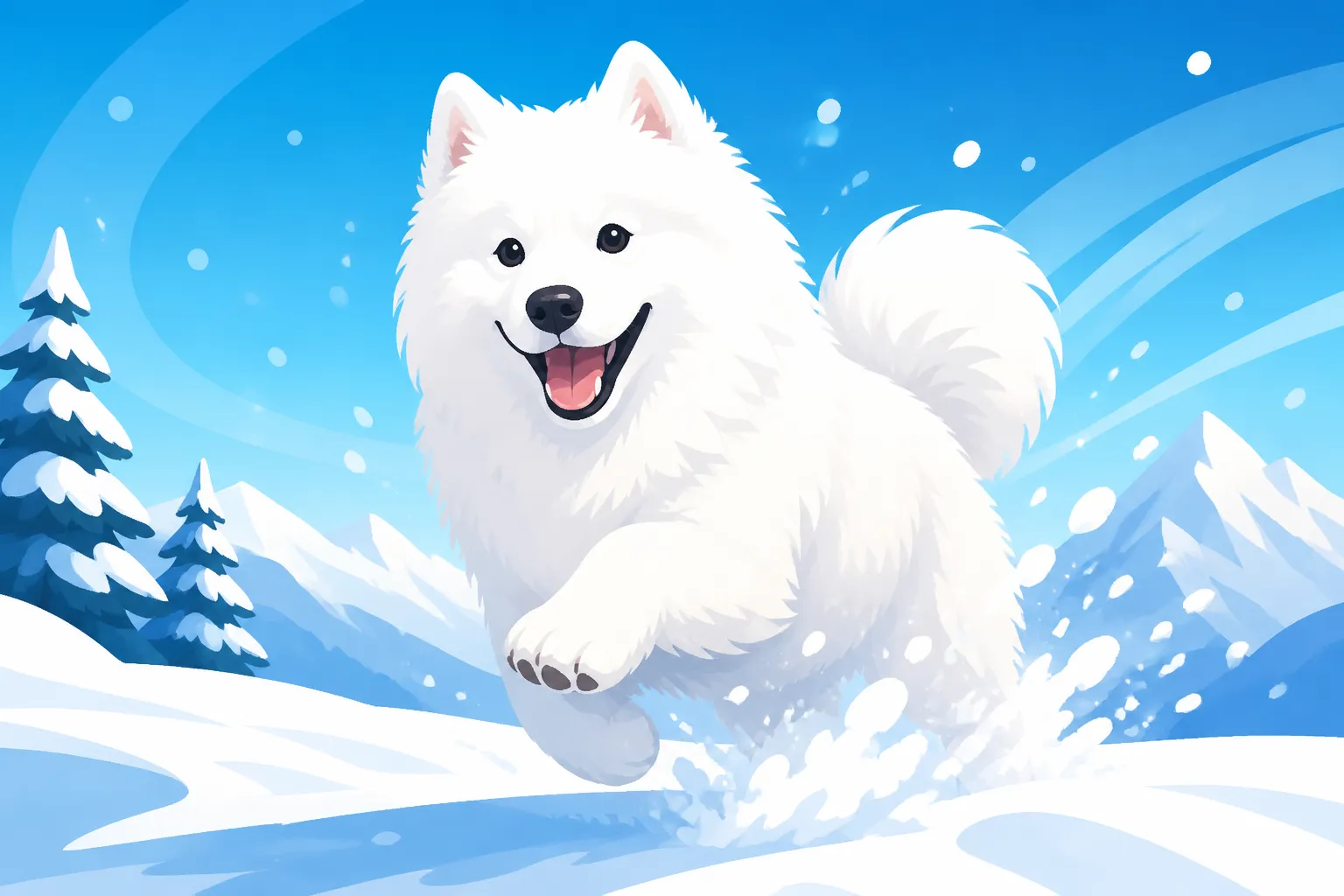
Oh, the sheer joy of watching a Samoyed discover a fresh blanket of snow! It’s not just a walk in the park for them; it’s like watching a child on Christmas morning, pure exhilaration vibrating through their fluffy bodies. While many dogs tolerate winter, a Samoyed doesn't just tolerate it – they truly come alive in the snow, transforming into their happiest, most magnificent selves. If you've ever wondered why your white, fluffy companion practically vibrates with excitement at the first snowflake, you're in the right place. This guide will dive deep into the fascinating reasons behind a Samoyed's profound love for snow, exploring their ancient history and incredible physical adaptations, and offering practical advice on how to safely enjoy the winter wonderland with your beloved companion.
Born for the Ice: The Samoyed's Arctic Roots
To truly understand why a Samoyed revels in snow, we have to journey back thousands of years to their ancestral homeland. These aren't just fluffy dogs; they are living, breathing pieces of Arctic history, designed by nature and human needs for the most unforgiving environments on Earth.
A Deep Dive into Their Siberian Origins
Imagine a place where winter isn't just a season, but a dominant, relentless force shaping every aspect of life. That's the Yamal Peninsula in Siberia, the ancient birthplace of the Samoyed. This isn't just a chilly landscape; it’s a vast, frozen expanse characterized by endless tundra, howling winds, and temperatures that plunge to unthinkable lows – we're talking sixty degrees below zero Fahrenheit, sometimes even colder. For centuries, the nomadic Nenets people of this region relied entirely on their dogs for survival. These dogs weren't simply pets; they were integral members of the tribe, essential for their very existence. They herded reindeer across the vast, snow-covered plains, pulled sleds laden with supplies and families through blizzards, and even provided warmth by sleeping with their human companions inside their tents.
This constant, demanding work in such brutal conditions meant that only the fittest, most adaptable dogs survived and thrived. Their entire physiology, from their double coat to their famous smile, evolved to master this frozen landscape. They weren't just accustomed to snow and ice; they were built for it. It's in their very DNA, an instinctual connection to the bitter cold and the soft crunch of fresh powder. Every time your Samoyed bounds through a snowdrift, they are, in a way, reconnecting with generations of their ancestors who navigated similar, albeit far more extreme, conditions. To them, snow isn't an obstacle; it's home. You can learn more about their incredible heritage in The Nenets of the Yamal Peninsula Bred the Samoyed.
Life with the Nenets and the Harsh Realities
The relationship between the Nenets people and their Samoyeds was one of profound mutual dependence. The dogs herded vast numbers of reindeer, a critical food source, protecting them from predators like wolves. They also served as powerful, resilient sled dogs, capable of pulling heavy loads over long distances, often through deep snow and icy winds, making travel and relocation possible in a challenging environment. These were not luxury animals; they were working partners whose strength, endurance, and keen senses were vital.
Perhaps one of the most heartwarming, and yet practical, aspects of their co-existence was the tradition of the dogs sleeping inside the nomadic tents (chums) with their families. This wasn't just for companionship, though the bond was undoubtedly deep. In temperatures that could easily be lethal, a few warm bodies, especially ones covered in thick fur, made a significant difference in keeping the humans alive through the night. The Samoyed Slept in the Tent to Keep People Alive is a great resource if you're curious about this specific aspect of their history. This constant close contact also fostered the Samoyed's famously gentle and sociable temperament, as aggressive dogs would not have been tolerated in such close quarters. Their lives were intrinsically linked to the snow and ice, honing their physical prowess and shaping their joyful, resilient spirit that we see today. They didn't just endure the cold; they excelled in it, turning the harsh environment into their playground and workplace.
Nature's Engineering Marvel: Samoyed Adaptations for Snow
When you look at a Samoyed, you're not just seeing a beautiful dog; you're seeing millennia of natural selection and specialized breeding culminating in a creature perfectly adapted to its snowy domain. Every feature, from its luxurious coat to its expressive smile, serves a purpose in the cold.
The Incredible Double Coat: More Than Just Fluff
The Samoyed's coat is, without a doubt, its most iconic and essential adaptation for snow. It's not merely a thick covering; it's a marvel of natural engineering, a true double coat that works as both insulation and weatherproofing.
First, there's the undercoat: this layer is incredibly dense, soft, and woolly, akin to the finest cashmere. It grows exceptionally thick, especially around the neck, forming a magnificent ruff that protects their vital areas. The purpose of this undercoat is to trap warm air close to the dog's body, creating an insulating barrier against the brutal cold. Think of it like wearing a high-quality thermal base layer and a puffy down jacket all at once. This isn't just about feeling warm; it's about maintaining a stable core body temperature even when the mercury plummets.
Then, there are the guard hairs: these are longer, harsher, and coarser hairs that form the outer layer of the coat. They lie flat and are designed to shed snow, ice, and moisture with remarkable efficiency. When snow lands on a Samoyed, it often simply brushes off or melts on the surface without penetrating to the insulating undercoat. This keeps the dog dry, which is absolutely critical in cold weather to prevent hypothermia. This ingenious design means that their coat is not just a shield against the cold, but also a barrier against wetness, preventing their natural insulation from becoming waterlogged and ineffective. It's truly a testament to A Samoyed's Coat Is Insulation, Not Decoration. This complex coat structure is why shaving a Samoyed is never recommended, as it destroys this natural system of protection against both heat and cold.
Paw Power: Traction and Insulation
Take a moment to look closely at a Samoyed's paws. They aren't dainty; they're robust, well-furred, and built for purpose. These paws are essentially their built-in snowshoes and grippers, enabling them to navigate icy and snowy terrains with surprising agility and comfort.
Their paws are thickly padded, providing cushioning and an extra layer of insulation from the frozen ground. More importantly, Samoyeds have tufts of thick fur growing between their toes. This interdigital fur serves several vital functions. Firstly, it adds another layer of insulation, preventing cold from seeping up through their sensitive pads. Secondly, it aids in traction, giving them better grip on slippery surfaces by providing a slight "brush" effect. Thirdly, and perhaps most ingeniously, it helps prevent snow and ice from compacting and forming painful ice balls between their pads as readily as it might in breeds with less furred feet. These design elements combine to make their paws incredibly efficient for moving through snow, much like how specialized winter tires perform on a car. This is why you'll often see them bounding through deep drifts that other breeds might struggle with; their paws are literally built for it.
The Sammy Smile: A Frostbite Defense
The "Samoyed smile" is one of the most endearing features of the breed, giving them that perpetually happy, mischievous look. But this isn't just a charming quirk; it's a functional adaptation, crucial for survival in their harsh ancestral climate.
The corners of a Samoyed's mouth naturally turn upwards, creating a slight upward curve that minimizes drooling. Why is this important? In sub-zero temperatures, drool would quickly freeze, forming ice around their muzzle and potentially leading to painful frostbite on their lips and surrounding skin. By preventing excessive drooling, their "smile" acts as a natural defense mechanism, keeping their face dry and protected. It's a simple, yet incredibly effective, piece of natural engineering that ensures their comfort and safety in freezing conditions. So, the next time your Samoyed flashes that famous grin, remember it’s not just happiness you're seeing, but a millennia-old survival trait at play. Dive deeper into this fascinating feature in Why the Samoyed Smiles.
Embracing the Winter Wonderland: Safe Snow Play
Knowing that your Samoyed is engineered for snow should encourage you to let them indulge in their natural instincts. Watching them revel in a snowy landscape is one of the purest joys of Samoyed ownership, but it's important to do so safely and smartly.
How to Maximize Their Joy in the Snow
Once the snow falls, your Samoyed's eyes will light up. This is their moment to shine, literally. Encourage them to engage with the snow in ways that fulfill their natural instincts and provide both physical and mental enrichment.
One of the most obvious activities is fetch. Throwing a ball or a tough chew toy into a deep drift will send them plunging into the powder, using their powerful legs to burrow and retrieve. You’ll see them resurface with snow on their nose and a delighted expression, a truly happy sight. Many Samoyeds also adore simply rolling in the snow, doing what's often called a "snow angel." They’ll flop onto their backs, kicking their legs, rubbing their bodies against the cold, soft flakes. It’s pure, unadulterated bliss for them.
Don't be surprised if your Samoyed starts digging enthusiastically in the snow. This isn't just playful; it's an instinctive behavior. While often associated with trying to find a cool spot in warmer weather (as discussed in The Digging a Samoyed Does Because It Is Hot), in snow, it can be about exploring scents, creating a den, or simply enjoying the texture. Let them dig! If you have the space and inclination, consider trying winter sports like Sledding, Herding and What a Working Samoyed Costs to Campaign or skijoring. These activities tap into their inherent desire to pull and work, and they absolutely thrive on having a job to do in their favorite environment. Even a simple walk becomes an adventure for them when there's fresh snow to crunch through, sniff, and perhaps even eat. Remember, this isn't just exercise; it's a profound connection to their heritage and a huge boost to their overall well-being.
Keeping Them Safe: Cold Weather Precautions
While Samoyeds are incredibly resilient in cold weather, it's a mistake to think they are immune to all winter hazards. Responsible ownership still means taking precautions, especially in extreme conditions or for specific circumstances.
First and foremost, always be mindful of prolonged exposure without adequate shelter, particularly for very young puppies, senior Samoyeds, or those with underlying health conditions. While an adult Samoyed can handle incredibly cold temperatures for extended periods, they still need access to a warm, dry place if they choose it. Keep an eye on the actual temperature and wind chill; a strong, icy wind can penetrate even the densest coat given enough time.
Hydration is also crucial, even in winter. While your Samoyed might happily munch on snow, it doesn't always provide sufficient hydration, and consuming too much snow can actually lower their body temperature. Always ensure they have access to fresh, unfrozen water, just as you would in warmer months. Water, Shade and the Summer Plan for a Samoyed might focus on summer, but the principle of ensuring consistent hydration applies year-round. After vigorous play, especially if they are panting heavily, offering water is essential. Regularly check their paw pads for any signs of cracking, redness, or ice buildup, and consider a protective balm before and after walks if you live in an area with particularly harsh conditions or chemically treated pavements.
Dealing with Snowballing and Road Salt
Two common frustrations for Samoyed owners in snowy conditions are snow "balling up" in their coat and the dangers of road salt. But fear not, there are simple ways to manage these.
Snowballing: This happens when soft, fresh snow, particularly if it's slightly wet, clumps and freezes onto your Samoyed's fur, especially on their legs, belly, and around their tail. These snowballs can become quite large, heavy, and uncomfortable, pulling on their fur and even causing skin irritation. A fantastic preventative is to apply a thin layer of a dog-safe balm, like Musher's Secret (readily available on Chewy or Amazon), to their legs and belly before heading out. This creates a barrier that makes it harder for snow to adhere. Alternatively, a lightweight, waterproof dog coat can help prevent snow from sticking to their body, though their legs will still be exposed. After their snowy adventures, gently brush out any snowballs. A force dryer (if you have one) can also quickly melt and blast away snow without excessive pulling.
Road Salt and De-icers: These chemicals are a major concern, especially in urban or suburban areas. Road salt can be corrosive to paw pads, causing painful cracks, dryness, and irritation. Worse, many de-icing agents contain chemicals that are toxic if ingested. When your Samoyed walks on a treated sidewalk, they inevitably get these substances on their paws, and then they'll naturally lick their paws clean when they come inside. To prevent this, always rinse your Samoyed's paws thoroughly with lukewarm water as soon as you get home from a walk on salted surfaces. You can use a dedicated paw washer or even just a bowl of water and a cloth. For extra protection, especially if you live in a heavily salted area, consider dog boots. While some Samoyeds protest wearing them, others adapt surprisingly well, and they offer complete protection from irritants. You can find a range of paw protection products and boots from reputable retailers like Chewy or Amazon. Being proactive about paw care in winter ensures your Samoyed's comfort and health, allowing them to fully embrace their inner snow dog.
| Adaptation | How it Helps in Snow | Benefit for the Samoyed |
|---|---|---|
| Double Coat | Insulates against cold, sheds snow and moisture | Stays warm and dry, prevents hypothermia |
| Thickly Padded Paws | Provides traction, insulation, and spreads weight | Prevents slipping, insulates from cold ground, acts as snowshoes |
| Hair Between Toes | Adds insulation, prevents ice buildup between pads | Extra warmth, less discomfort, better grip |
| "Samoyed Smile" | Prevents drooling and icicle formation | Protects against frostbite on the muzzle |
| High Energy | Allows for sustained activity in cold environments | Stays active and warm, fulfills instinct to work/play |
| Dense Muscle Mass | Helps generate and retain body heat | Enhanced endurance and resistance to cold fatigue |
Ultimately, a Samoyed comes alive in the snow because it is intrinsically linked to who they are. Their history, their genetics, and their very being are woven into the fabric of icy winds and pristine white landscapes. They are a testament to nature's incredible design, a joy to behold when they are frolicking in their element. By understanding and respecting their unique needs and providing a safe environment, you can share in their deep-seated love for winter, making memories that are as pure and beautiful as a fresh snowfall. So, let them roll, let them dig, and let them smile—they are, after all, fulfilling their destiny. If you are curious about How Cold It Gets Where the Samoyed Came From or How a Samoyed Survives Sixty Below, you'll find those articles shed more light on their incredible resilience. And if you're ever wondering Whether a Samoyed Can Sleep Outside in Winter, their adaptations provide much of the answer, though vigilance is always key.
Disclaimer
This article is for general informational purposes only and does not constitute professional advice. Laws, prices and regulations vary by location and change over time. Consult a qualified professional for guidance on your specific situation.