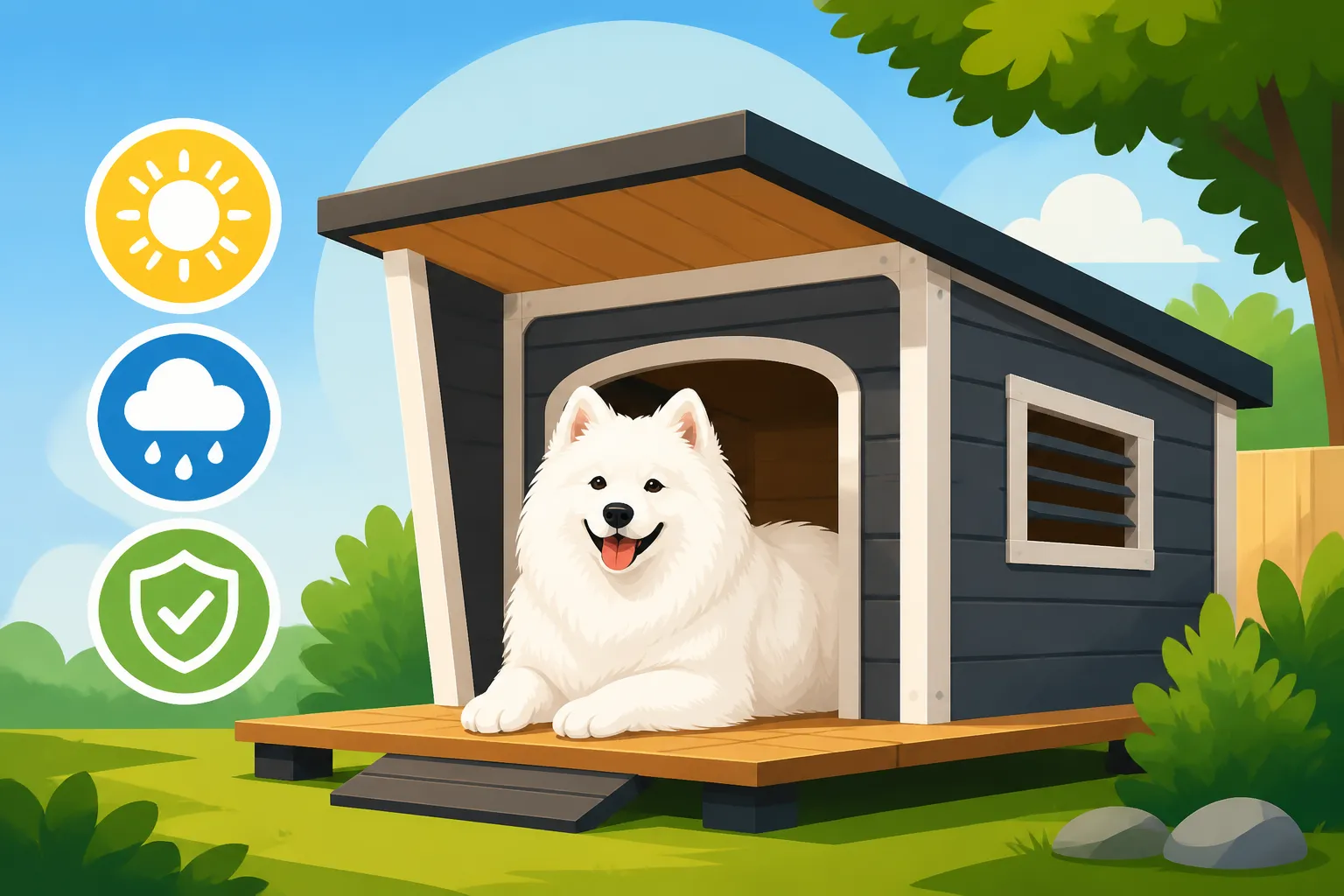
The Outdoor Shelter a Samoyed Needs
It's easy to assume that because our Samoyeds are essentially living snow clouds, they're perfectly equipped to handle anything Mother Nature throws their way, especially when it comes to spending time outdoors. Many people think, "They've got that magnificent double coat, they'll be just fine!" But the reality is far more nuanced. Leaving your fluffy companion without proper outdoor shelter, regardless of how robust their fur, can lead to serious discomfort and even health issues. This guide is here to walk you through exactly what kind of outdoor shelter your Samoyed truly needs to stay safe and happy, whether it's scorching summer or biting winter.
Understanding Your Samoyed's Natural Outdoor Needs and Limits
Let's get one thing straight: Samoyeds are undeniably hardy dogs, built for the punishing cold of the Arctic tundra. Their ancestors lived and worked in some of the most extreme environments on earth. But "built for the Arctic" doesn't mean "invincible in all outdoor conditions," especially in climates far removed from their frosty homeland. Understanding their unique physiology is the first step to providing appropriate shelter.
The Double Coat: A Marvel, But Not Invincible
Your Samoyed's glorious, thick double coat is a marvel of natural engineering. It's not just for show; it's a highly efficient insulation system. The soft, dense undercoat provides incredible warmth by trapping air close to their body, while the longer, coarser guard hairs protect against snow, rain, and wind. What many people don't realize is that this same coat, when properly maintained, also offers protection against heat. Think of it like the insulation in your house – it keeps the cold out in winter and the heat out in summer. This is why Why a Samoyed's Coat Insulates Against Heat as Well as Cold is such a critical concept to grasp for Samoyed owners.
However, even the best insulation has its limits. In regions with high humidity, stagnant air, or extreme temperatures that differ greatly from the dry, cold Arctic, their coat can actually become a detriment if they don't have adequate shade and airflow. Furthermore, if their coat gets soaking wet and the temperatures plummet, it loses much of its insulating properties, leaving them vulnerable. This is precisely why shaving a Samoyed, despite common misconceptions that it will cool them down, can actually make them more susceptible to heatstroke and sunburn, as their natural protection is gone. It's a cruel irony, but Why Shaving a Samoyed Makes the Heat Worse is a truth every Samoyed owner needs to understand.
Behavioral Clues: What Your Samoyed Tells You
Your Samoyed, even with their famously stoic and smiling demeanor, will give you clear signals when they're uncomfortable. Learning to read these signs is paramount, as they can't simply tell you "I'm too hot" or "I'm too cold."
In warmer weather, you'll often see them panting more heavily than usual, even when not exercising. They might seek out the shadiest, coolest spot in the yard, often pressing their belly to the bare earth or tile. Many Samoyeds, driven by instinct, will try to dig a cool hollow in the dirt, even if it's just a small scrape, to reach cooler soil. Whether a Samoyed Digs a Cool Hollow in Summer is a common behavior. If you notice persistent, heavy panting, lethargy, or a reluctance to move, these are serious Signs a Samoyed Is Overheating and mean your Samoyed needs immediate intervention, not just better shelter. On the flip side, in genuinely cold, wet, or windy conditions that push beyond their natural comfort zone, you might see them shivering, hunching their shoulders, tucking their tail tightly, or lifting paws off the ground. They might appear withdrawn or try to curl into as small a ball as possible to conserve body heat. These are all subtle hints that their outdoor setup isn't quite cutting it.
Essential Components of a Safe Outdoor Shelter
An outdoor shelter for a Samoyed isn't just about a roof and four walls. It's about creating a microclimate that offers genuine protection and comfort, complementing their natural defenses without undermining them.
Protection from the Elements: Sun, Rain, and Wind
The primary function of any outdoor shelter is to shield your Samoyed from direct, harsh elements. This means robust protection from direct sunlight, relentless rain, and biting winds. Shade is non-negotiable in warmer climates; a simple, open-sided structure or a strategically placed canopy can make a huge difference. Natural shade from trees is excellent, but it changes with the sun's position, so a fixed structure is often better for consistent coverage throughout the day.
For rain and snow, the shelter needs a waterproof roof and walls that prevent moisture from seeping in. A sloped roof is ideal to allow water and snow to run off, preventing accumulation that could lead to leaks or collapse. Windbreaks are also crucial, especially in open, exposed yards. A three-sided structure, or a fully enclosed dog house with the opening facing away from prevailing winds, can make a world of difference in keeping the interior warmer and drier. The materials should be durable and non-toxic. Treated wood, heavy-duty plastic, or even metal with proper insulation can work, but always ensure there are no sharp edges or pinch points.
Maintaining Comfortable Temperatures Inside
The best outdoor shelters are designed to help regulate temperature, rather than just blocking the elements. In hot weather, good ventilation is key. This means ensuring air can circulate freely to prevent heat from getting trapped inside. Vents near the top of the structure, away from direct rain, are excellent for allowing hot air to escape. Positioning the shelter in a breezy spot, where air can flow, also helps. For cooler climates, insulation is paramount. Walls, floor, and roof should all be insulated to trap the warmth generated by your dog's body heat. Materials like rigid foam insulation can be sandwiched between layers of plywood or within plastic panels.
Beyond structural elements, consider what's inside. Elevated beds or platforms prevent them from lying directly on cold, damp ground, which can wick away body heat. In summer, a cooling mat from a brand like Amazon or Chewy can be a godsend, providing a cool spot for them to lie on without needing electricity. Whether a Cooling Mat Helps a Samoyed is a question many owners ask, and the answer is often a resounding yes for those warmer days.
Size and Placement Considerations
Believe it or not, the size of the outdoor shelter matters a lot, especially for temperature regulation. A dog house that is too large for your Samoyed will be difficult for them to warm with their body heat in winter, making it less effective. Conversely, one that's too small might feel cramped and offer poor air circulation in summer. A good rule of thumb is that your Samoyed should be able to stand up, turn around, and lie down comfortably, but not have excessive empty space.
The placement of the shelter in your yard is equally critical. For summer, position it where it receives maximum natural shade during the hottest parts of the day. For winter, a spot sheltered from the harshest winds is best. Ensure it's on level ground to prevent moisture from pooling underneath and that it's visible enough for you to keep an eye on your Samoyed throughout the day. Avoid placing it in low-lying areas where water might collect after rain or snowmelt. And remember, any outdoor setup requires secure fencing to contain your clever Samoyed. What a Six Foot Fence Costs a Samoyed Owner is a question worth exploring if you plan on extended outdoor time.
Specific Shelter Needs for Different Climates and Seasons
While the basics of shelter remain constant, the emphasis shifts dramatically depending on where you live and what time of year it is. A blanket approach simply won't work for a Samoyed.
Summer Strategies: Battling the Heat
For Samoyed owners, summer is often the most challenging season. That magnificent coat, while offering some protection, can become a heat trap when ambient temperatures soar, especially with humidity. It's a huge misconception that their coat makes them impervious to heatstroke. They absolutely need a robust Water, Shade and the Summer Plan for a Samoyed. Beyond just a shaded spot, consider additional cooling measures. A sturdy, non-tipping water bowl (perhaps even multiple bowls) that is constantly refilled with fresh, cool water is essential. You might even consider a large, shallow kiddie pool for them to splash in. What a Kiddie Pool for a Samoyed Costs can be a minimal investment for maximum relief.
It's vital to remember that even with excellent outdoor shelter, there are times when your Samoyed simply needs to be indoors in air conditioning. On days when the temperature hits 90 degrees Fahrenheit or higher, especially with humidity, a Samoyed should not be left outside for extended periods. How Long a Samoyed Can Be Outside at Ninety Degrees is very limited, and often the answer is "not at all" during peak hours. Regions like Florida or Texas pose significant challenges, and owners in these areas must be especially vigilant about providing constant access to a cool indoor environment. Whether a Samoyed Should Live in Florida or Texas is a serious consideration for prospective owners. While a cooling vest can offer some relief, be cautious that it doesn't trap heat against their skin if not used correctly or in specific conditions. Always prioritize ample shade, fresh water, and cool indoor access above all else. How a Samoyed Should Be Cooled Down often involves a multi-pronged approach.
Winter Safeguards: Embracing the Cold (with caveats)
In true Samoyed fashion, winter is often their favorite season, especially in climates with dry, crisp cold and plenty of snow. They truly come alive. However, even these snow dogs have their limits, particularly with sustained extreme cold, icy conditions, or wet snow. While Whether a Samoyed Can Sleep Outside in Winter might seem like a natural fit for the breed, it's not a decision to be taken lightly without proper, insulated shelter.
An insulated dog house is critical for winter comfort. It needs to be draft-free, raised slightly off the ground to prevent cold transfer, and ideally have a small, baffle-style opening to keep warmth in and wind out. The floor, walls, and roof should be insulated. Soft, dry bedding, like straw or cedar shavings, can provide additional warmth, but make sure it stays dry – damp bedding is counterproductive. Heated water bowls are an excellent investment to ensure they always have access to unfrozen water, as dehydration can be a risk in cold weather too. Even with these provisions, continually monitor the temperature. If it's consistently below freezing, or if your Samoyed is showing signs of discomfort (shivering, lethargy), indoor access is always the safest option. Knowing The Temperature at Which a Samoyed Should Stay Indoors is crucial for their well-being.
Practical Tips and Product Recommendations
Equipping your Samoyed with the right outdoor shelter doesn't have to break the bank, but it does require thoughtful planning and the right tools.
DIY vs. Store-Bought Shelters
When it comes to providing an outdoor shelter, you generally have two routes: building one yourself or purchasing a pre-made option. Both have their merits.
DIY Shelters:
- Pros: Can be customized to your exact specifications, yard, and Samoyed's size. Potentially more cost-effective if you have materials and tools on hand. You can ensure optimal insulation and ventilation for your specific climate.
- Cons: Requires time, skill, and sometimes specialized tools. Mistakes can lead to an ineffective or unsafe shelter.
Store-Bought Shelters:
- Pros: Convenient and quick to set up. Many options are designed with weather resistance and durability in mind. Reputable brands like Keter or Suncast offer sturdy plastic dog houses that are easy to clean and often insulated. You can easily browse and order these from online retailers like Chewy or Amazon.
- Cons: May not perfectly fit your Samoyed's size or your yard's aesthetic. Quality can vary, so research is essential. Often more expensive upfront than sourcing raw materials.
Regardless of whether you build or buy, prioritize insulation, weatherproofing, and proper sizing. Look for features like raised floors, slanted roofs, and good ventilation.
Bedding, Bowls, and Accessories
Once you have the main shelter, filling it with the right accessories enhances comfort and safety.
- Bedding: For warmth in winter, straw or cedar shavings are excellent insulators and repel moisture better than fabric blankets, which can get damp and hold cold. If using fabric, ensure it's durable, chew-resistant, and easily washable. For warmer months, a sturdy cot-style bed can lift your Samoyed off the hot ground, allowing air to circulate underneath. Brands available on Chewy often carry a wide range of outdoor dog beds suitable for various climates.
- Water Bowls: Heavy ceramic or stainless steel bowls are best as they are harder to tip over and easier to clean. For year-round outdoor access, especially in winter, consider a heated water bowl to prevent freezing. Again, online marketplaces like Amazon offer many reliable options. Ensure the water is always fresh and clean.
- Other Accessories: Reflective strips on the shelter can help with visibility in low light. Consider a thermometer inside the shelter to monitor the actual temperature your Samoyed is experiencing. If you're serious about your Samoyed's nutrition, particularly if they spend significant time outdoors exerting themselves, ensuring they have high-quality food is important. While not a shelter accessory, a brand like Ollie focuses on fresh, healthy meals, which can contribute to overall resilience and health, supporting their ability to handle varied conditions.
Monitoring Your Samoyed in Outdoor Shelter
Providing the best shelter is only half the battle; consistent monitoring is the other half. Even with a well-designed shelter, you need to regularly check on your Samoyed, especially during extreme weather events.
Make it a habit to check their water frequently to ensure it's full, clean, and unfrozen (in winter) or cool (in summer). Observe their behavior: are they calm and resting, or are they pacing, panting excessively, or shivering? How they behave within their shelter tells you if it's truly meeting their needs. During a coat blow, for instance, they might be more sensitive to temperature fluctuations and need extra care. Remember, a Samoyed needs more than just physical shelter; they are highly social animals who crave companionship. Why a Samoyed Wants to Be in the Room With You is a fundamental aspect of their personality. Extended solitary time outdoors, even in the best shelter, might not be suitable for every Samoyed's emotional well-being. The outdoor shelter should be seen as a safe haven when they choose to be outside, or for specific, limited circumstances, not a substitute for being a cherished part of the family home. What a Samoyed Needs Every Day includes not just food and water, but also attention and interaction.
| Feature | Summer Climate (Hot/Humid) | Winter Climate (Cold/Snowy) | General Recommendation |
|---|---|---|---|
| Primary Need | Shade, airflow, cooling | Insulation, wind protection, warmth | Protection from direct sun, rain, wind, extreme temperatures |
| Shelter Type | Open-sided canopy, well-ventilated dog house, shaded run | Fully enclosed, insulated dog house with small entry | Sturdy, weatherproof structure (wood or heavy-duty plastic) |
| Ventilation | Excellent (multiple vents, open sides if possible) | Minimal (small, baffle-style opening to retain heat) | Sufficient for air circulation without drafts |
| Insulation | Less critical for the structure itself, but reflective roof helps | Essential (floor, walls, roof) | Depends on local climate extremes; always beneficial for comfort |
| Water Access | Constant, multiple, large, cool bowls; kiddie pool | Constant, non-freezing (heated bowl) | Always available, clean, fresh; heavy, non-tip bowls |
| Bedding | Elevated cot, cooling mat | Dry straw, cedar shavings, or durable, washable thick bed | Appropriate for temperature, easy to clean, comfortable |
| Placement | Maximum shade, good airflow, away from direct sun exposure | Sheltered from prevailing winds, slightly raised | Level ground, visible, secure, away from standing water |
| Human Supervision | Frequent checks for overheating, immediate indoor access | Frequent checks for shivering/discomfort, indoor access if needed | Regular monitoring for comfort, safety, and emotional well-being |
Disclaimer
This article is for general informational purposes only and does not constitute professional advice. Laws, prices and regulations vary by location and change over time. Consult a qualified professional for guidance on your specific situation.