How a Samoyed Copes at a Boarding Kennel
Leaving your beloved Samoyed at a boarding kennel can feel like an impossible decision, filled with worry about whether their sensitive, social nature will truly cope with a new environment. This comprehensive guide is here to walk you through understanding your Samoyed's unique needs in a boarding setting, preparing them for a smooth stay, choosing the best facility, and helping them readjust when they come back home.
The Unique Samoyed Temperament and Kennel Life
Samoyeds, with their iconic smiles and thick, beautiful coats, are more than just pretty faces; they are deeply social creatures with a strong pack drive. This innate need for companionship and routine often makes the idea of a kennel stay particularly stressful for their human parents. You know your Sammy thrives on being part of the family, often following you from room to room. The thought of them in an unfamiliar place, separated from their chosen people, can be agonizing. It's a completely valid concern, as their well-being is intrinsically linked to their emotional comfort and sense of belonging.
Their Need for Social Connection
One of the most defining traits of a Samoyed is their profound desire for companionship. These dogs were bred for centuries to live and work alongside humans in close quarters, even sleeping inside tents to keep their Nenet families warm. This history has instilled in them a deep-seated need for interaction and connection. They are not dogs that are content to be left alone for long stretches, and their happiness is often tied to being an active participant in family life.
When a Samoyed is suddenly placed in a boarding kennel, this fundamental need for social connection can be significantly challenged. They might experience what we often call "kennel stress," which manifests as anxiety, withdrawal, or even excessive vocalization. Imagine your Samoyed, who normally thrives on cuddling on the couch and being involved in every household activity, suddenly finding themselves in a run with limited human interaction. It's a stark contrast to their normal existence. They often form very strong bonds with their primary caregivers, leading to a predisposition for Separation Anxiety in a Samoyed if not properly prepared or if the kennel environment isn't suited to their needs. They truly are creatures that bond deeply, often to one or two particular people, and being without that familiar presence can be distressing.
The Impact of New Environments
Samoyeds are intelligent and observant dogs, which means they are highly attuned to changes in their environment. A new place, with unfamiliar sights, smells, and sounds, can be overwhelming. While some dogs take new experiences in stride, many Samoyeds prefer the comfort and predictability of their home territory. The kennel might be clean and well-maintained, but it's still not home.
The sudden shift in surroundings can trigger a variety of responses. Some Samoyeds might become very subdued, losing their appetite or showing little interest in play. Others might become restless, pacing their runs or exhibiting compulsive behaviors. Think about how your Samoyed reacts when you bring a new piece of furniture into the house, or even just rearrange a room – they notice everything. Now multiply that by the sheer newness of an entire facility. They’re trying to process an entirely new sensory landscape without their trusted human guide. It's not just the absence of you, but the presence of so much new.
Vocalizations and Kennel Noise
Ah, the Samoyed voice! We all know and love (or at least tolerate) their varied vocalizations. Samoyeds are not typically prolific barkers in the traditional sense, but they are incredibly communicative. They "talk," they "woo-woo," they grumble, and yes, they scream. The Samoyed Scream and Why It Is Not Barking is a real thing, and it's a sound that can carry, especially in an enclosed space.
A kennel environment is, by its very nature, a noisy place. There are other dogs barking, staff moving around, cleaning happening, and general commotion. For a sensitive Samoyed, this cacophony can be a huge source of stress. They might respond by increasing their own vocalizations, perhaps adding their distinctive "Samoyed scream" to the chorus, which can be upsetting for them and potentially disruptive for the kennel. Alternatively, some Samoyeds might withdraw, becoming quiet and shutting down in an attempt to cope with the overwhelming sound. This is where understanding The Noise a Samoyed Makes When Left Alone can give you insight into how they might react when surrounded by other dogs and human activity at a kennel. It's not just that they miss you; it's that their entire world has shifted into overdrive without their usual coping mechanisms.
Preparing Your Samoyed for a Successful Kennel Stay
The good news is that you can take significant steps to help your Samoyed adjust to and even enjoy their time at a boarding kennel. It’s all about preparation, communication, and choosing wisely. Just as you wouldn't send a child off to summer camp without some prior discussion and packing, your Samoyed benefits immensely from a thoughtful approach to boarding. The goal is to make it as seamless and stress-free as possible for your sweet, fluffy companion.
Pre-Boarding Socialization and Training
Long before you need to board your Samoyed, consider exposing them to various social situations and getting them comfortable with being handled by different people. A well-socialized Samoyed, one who is accustomed to meeting new people and is comfortable around other dogs, will generally fare better in a kennel environment. Puppy classes, dog parks (with caution and supervision), and even just having friends and family interact with your Samoyed regularly can build their confidence.
Beyond general socialization, specific training can be invaluable. Practicing short stays in a crate, if that's how your chosen kennel houses dogs, can make a huge difference. Teach them a "place" command or to settle on a mat. These skills create a sense of predictability and security in new situations. If your Samoyed is used to being in a crate for short periods at home, the kennel's crate might not feel quite as foreign. If your Samoyed tends to get vocal when left alone, working on a "quiet" cue or desensitizing them to sounds can be helpful. Even short stints where they are left alone in a secure room for an hour or two can help mitigate How Many Hours a Samoyed Can Be Left without distress, building their confidence for longer periods.
Consider a few "daycare" visits to the kennel before an extended stay. This allows your Samoyed to get acquainted with the facility, the staff, and the routine in a low-pressure way, knowing you'll be back to pick them up shortly. It builds positive associations and helps them understand that the kennel isn't a permanent separation.
The Comforts of Home: What to Pack
Bringing familiar items from home can provide immense comfort to your Samoyed and help them feel more secure in a new environment. Think of it as bringing a little piece of your routine with them. Most reputable kennels will allow you to pack certain things, though it's always best to check their specific policies beforehand.
Here are some essentials:
- Their Regular Food: A sudden change in diet can lead to an upset stomach, which is the last thing your Samoyed needs when already adjusting. Pack enough of their usual kibble or fresh food. Brands like Ollie (if that's what they eat) or even just their standard kibble bought from Chewy should be sent in clearly labeled containers with feeding instructions. This consistency is crucial.
- Favorite Bed or Blanket: The scent of home is incredibly reassuring. A dog bed or blanket that smells like you and your house can make their kennel space feel less sterile and more like their own den.
- Familiar Toys: One or two favorite, durable toys can provide comfort and entertainment. Make sure they aren't easily destroyed, as you don't want them ingesting pieces.
- Chew Items: Long-lasting chews can help reduce anxiety and keep them occupied. Again, check with the kennel about what's allowed.
- Treats: If your Samoyed has specific treats they love, bring some along. These can be used by kennel staff to reinforce positive behavior and make them feel special.
Packing a detailed list of instructions for feeding times, medication schedules, and any quirks your Samoyed has (e.g., "loves belly rubs," "shy with new people at first") is also incredibly helpful for the staff. The more information they have, the better they can care for your unique companion.
Health Considerations and Communication with the Kennel
Before booking any kennel, ensure your Samoyed is up-to-date on all vaccinations required by the facility, typically including distemper, parvovirus, adenovirus, rabies, and Bordetella (kennel cough). Some kennels may also require canine influenza vaccines. Your vet can advise you on the necessary immunizations.
Beyond vaccinations, a pre-boarding vet check-up isn't a bad idea, especially for older Samoyeds or those with existing health conditions. Make sure to discuss any medications your Samoyed is on, including dosages and administration times, with the kennel staff. If your Samoyed has allergies or specific health needs, relay this information clearly and in writing. For example, if they have sensitive skin or need special joint supplements, the kennel needs to know.
Transparency is key. Be honest about any behavioral issues, such as anxiety, destructive chewing, or excessive vocalization. Knowing this upfront allows the kennel to better prepare and manage your Samoyed's stay, rather than being surprised. A good kennel will appreciate the honesty and work with you to ensure a positive experience. For example, if your Samoyed suffers from Separation Anxiety in a Samoyed, this information is critical for the kennel to consider how best to house and interact with them.
Choosing the Right Boarding Kennel for Your Samoyed
Selecting the perfect boarding kennel is perhaps the most critical step in ensuring your Samoyed has a positive experience. Not all kennels are created equal, and what works well for one dog might not be suitable for a Samoyed, given their specific needs for social interaction, proper grooming, and temperature regulation. Taking the time to research, visit, and ask thorough questions is absolutely worth it for your peace of mind and your Samoyed's comfort.
Evaluating Staff and Facility Environment
When you visit a kennel, pay close attention to the staff. Are they friendly and knowledgeable? Do they seem genuinely passionate about dogs? A good indicator is if they ask you questions about your Samoyed's personality, habits, and needs. Observe how they interact with the dogs currently in their care. Do the dogs seem happy, relaxed, and engaged?
The facility itself should be clean, well-ventilated, and appropriately temperate. For Samoyeds, who are built for colder climates, air conditioning in warmer months is non-negotiable. Their thick double coats, designed to keep them warm in arctic conditions, can make them prone to overheating. A kennel that doesn't prioritize a cool environment during summer could put your Samoyed at risk. Ask about cleaning protocols and how often runs are cleaned. You want a facility that prioritizes hygiene to prevent the spread of illness.
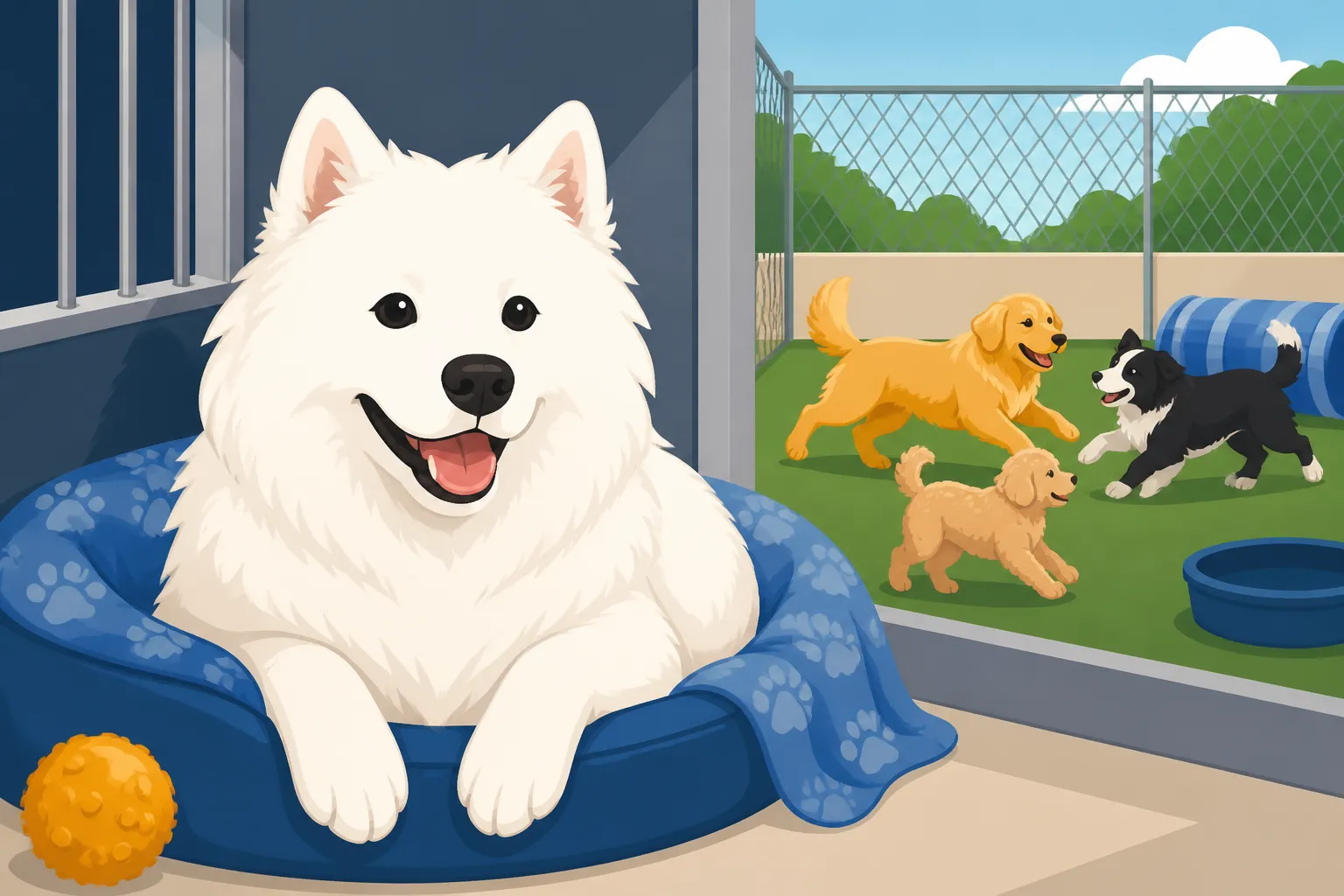
Look for a balance of indoor and outdoor access, secure fencing, and enough space for your Samoyed to move around comfortably. While some kennels use crates for sleeping, others offer larger runs or suites. Consider what your Samoyed is most comfortable with at home. If they are used to a large What a Crate Sized for a Samoyed Costs and use it as their den, then a similar setup might be fine. If they roam freely, a larger suite might be preferable.
Understanding Play Groups and Exercise Regimens
Exercise is paramount for a Samoyed's physical and mental well-being. A bored Samoyed can quickly become a stressed or destructive Samoyed. Inquire about the kennel's exercise routine. How often do dogs get out of their runs? What kind of exercise do they receive? Is it individual playtime, leash walks, or supervised group play?
For group play, ask about their assessment process. How do they determine which dogs are compatible? Are groups separated by size, temperament, and play style? Since Samoyeds are generally social, they often enjoy group play, but it needs to be carefully managed to prevent conflicts. A good kennel will have experienced staff overseeing all interactions to ensure a safe and positive experience for all dogs. If your Samoyed isn't keen on group play, ensure there are options for individual walks and attention. A Samoyed needs consistent activity, reflecting What a Samoyed Needs Every Day even when you're not there to provide it.
Emergency Protocols and Communication
Emergencies can happen, and a responsible kennel will have clear, well-established protocols in place. Ask about their plan for medical emergencies:
- Do they have a veterinarian on call?
- How do they transport sick or injured dogs?
- When and how will they contact you if there's an issue?
- What if they can't reach you? Who is your emergency contact, and do they have permission to make decisions?
Beyond emergencies, clear communication during the stay is vital. Do they offer updates, photos, or videos? Some kennels use online portals or apps, while others might send text messages or emails. Being able to see how your Samoyed is doing, even if it's just a quick photo of them enjoying playtime, can significantly reduce your anxiety. Many pet parents find great comfort in this. This regular check-in can also help you feel more connected to your Samoyed, especially if you have bonded so closely that How a Samoyed Bonds to One Person means you're their primary source of reassurance.
Before you leave your Samoyed, ensure all your contact information, your vet's contact, and an emergency contact are clearly provided and confirmed by the kennel staff. Double-check any specific instructions, especially for medication or dietary needs. You can even find specific, specialized dog food or supplements on Amazon or Chewy to help with any dietary issues or anxieties your Samoyed might have.
What to Expect During and After Boarding
Even with the best preparation and the most carefully chosen kennel, it's normal to feel a mix of excitement and apprehension when you pick up your Samoyed. Their behavior during and immediately after boarding can sometimes be a little different from their usual selves, and understanding why can help you navigate their readjustment back home.
Monitoring Your Samoyed's Well-being
A good kennel will be able to provide feedback on your Samoyed's stay. Ask specific questions when you pick them up:
- How was their appetite?
- Did they participate in playgroups or prefer solo time?
- How were their energy levels?
- Did they show any signs of stress or anxiety?
- Were there any incidents with other dogs or staff?
This information is crucial for assessing how well your Samoyed coped and for informing future boarding decisions. If they tell you your Samoyed vocalized a lot, it might align with what you know about The Noise a Samoyed Makes When Left Alone at home. Sometimes, a Samoyed might be a little quieter or more subdued at the kennel as they process the new environment. Others might be overly excited, even a bit frantic, at pickup. These reactions are all within the realm of normal and usually subside once they are back in their familiar environment with you.
It's important to remember that kennel staff are observing many dogs, and while they do their best, they might not catch every subtle nuance of your Samoyed's behavior that you would notice. Your primary goal is to ensure they are safe, fed, and as comfortable as possible.
Post-Boarding Adjustment at Home
When you finally bring your Samoyed home, expect a period of readjustment. They might be overly excited, clingy, exhausted, or even a little "off." This is completely normal!
- Exhaustion: Many dogs are much more active at a kennel than they are at home, or they might not sleep as soundly due to the unfamiliar environment and noise. Your Samoyed might sleep for hours, even days, after returning home. Let them rest.
- Thirst and Appetite: They might drink excessive amounts of water or eat ravenously, or conversely, have a reduced appetite for a short while. Ensure they have access to fresh water and offer their usual food.
- "Honeymoon Period" Clinginess: It’s not uncommon for Samoyeds to be extra clingy or follow you everywhere after being separated. This is their way of re-establishing their bond and reassurance that you're not leaving again. They need that connection, especially if Why a Samoyed Wants to Be in the Room With You is a strong personality trait.
- Behavioral Changes: Some dogs might have minor behavioral regressions, such as a few accidents indoors or increased vocalization. Be patient and gently reinforce their normal routines and training. This usually passes quickly. For example, if your Samoyed normally doesn't have Separation Anxiety in a Samoyed, they might display mild symptoms for a day or two after boarding as they re-acclimate.
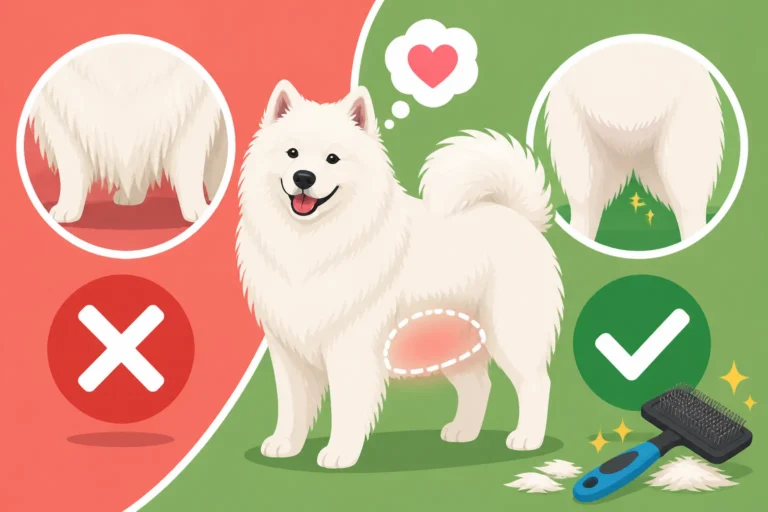
- Grooming: Even with the best kennel care, your Samoyed's glorious coat might need some attention. A good brush-out, especially if they’ve been playing vigorously with other dogs, can help remove any loose fur or tangles. Pay particular attention to mats behind the ears, under the armpits, and in the "pants" area.
Give your Samoyed plenty of quiet, loving attention during their first few days back. Re-establish their routine, provide gentle exercise, and lots of reassurance. Within a few days, your Samoyed should be back to their happy, smiling, fluffy self, glad to be home in their favorite spot.
Disclaimer
This article is for general informational purposes only and does not constitute professional advice. Laws, prices and regulations vary by location and change over time. Consult a qualified professional for guidance on your specific situation.