Why a Samoyed Pants Constantly in Summer
Oh, the summer! If you're a Samoyed owner, you've probably spent more than a few sunny days watching your beautiful, fluffy companion panting away and wondered, "Is this normal? Are they okay?" It's a valid concern, truly. We love our Sams, and seeing them struggle with the heat, even when they’re just lying there, can be genuinely unsettling. This guide is here to shed some light on why your Samoyed seems to pant constantly in the summer and, more importantly, what you can do to help them stay comfortable and safe.
The Samoyed's Natural Cooling System: A Double-Edged Sword in Summer
Samoyeds are majestic creatures, bred for incredibly harsh, freezing climates. Their entire physiology is designed for cold. While this makes them wonderfully resilient in winter, it presents some unique challenges when the mercury rises. Understanding how their bodies try to cope with heat is the first step to helping them.
How Their Legendary Double Coat Works (and Doesn't)
Let's talk about that magnificent coat. It’s truly a marvel of natural engineering, comprised of two distinct layers. There's the soft, dense undercoat, almost like a cloud, which provides incredible insulation by trapping warm air close to the body in winter. Then, you have the longer, coarser guard hairs that form the outer layer, protecting against snow, ice, and wind. In their ancestral home, this system was perfect. It kept them warm when temperatures plummeted far below zero.
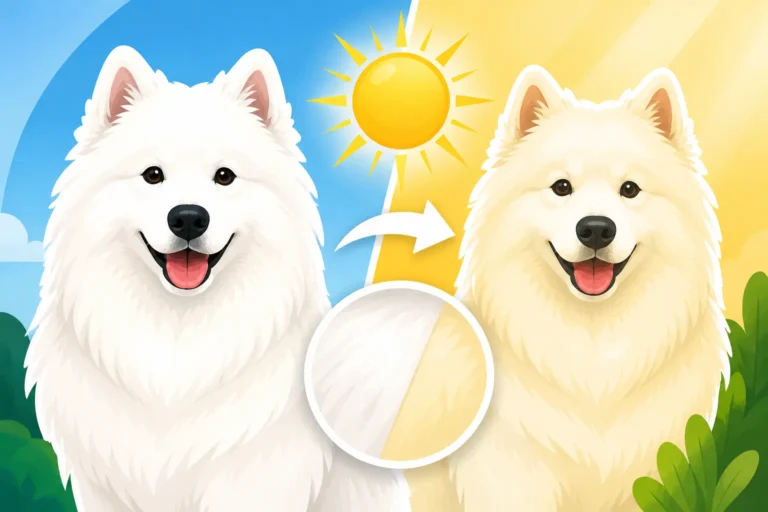
The theory goes that this double coat can also act as insulation against heat, preventing the sun's rays from penetrating directly to the skin and trapping cooler air close to the body. And to a certain extent, it does. However, this theory often gets stretched a bit too thin when we bring these arctic beauties into sweltering summer climates. The reality is, if the ambient temperature is significantly higher than their ideal body temperature, and especially if there's high humidity, that thick coat can become a hindrance rather than a help. It traps body heat that they're trying to dissipate, and the air it's meant to trap for cooling simply isn't cool enough. This is why you should never, ever shave your Samoyed in summer, thinking it will cool them down. In fact, Why shaving a Samoyed makes the heat worse is a topic we've covered before, and it's so important to understand the damage it can do to their natural temperature regulation and skin health. Their coat is a complex system; messing with it almost always makes things worse.
The Samoyed Smile and Evaporative Cooling
Dogs don't sweat all over their bodies like humans do. Their primary method of cooling down is through panting. When a Samoyed pants, they rapidly exchange warm air from their lungs with cooler external air. This process also causes evaporation from the moist surfaces of their tongue, mouth, and upper respiratory tract, which helps to cool their blood.
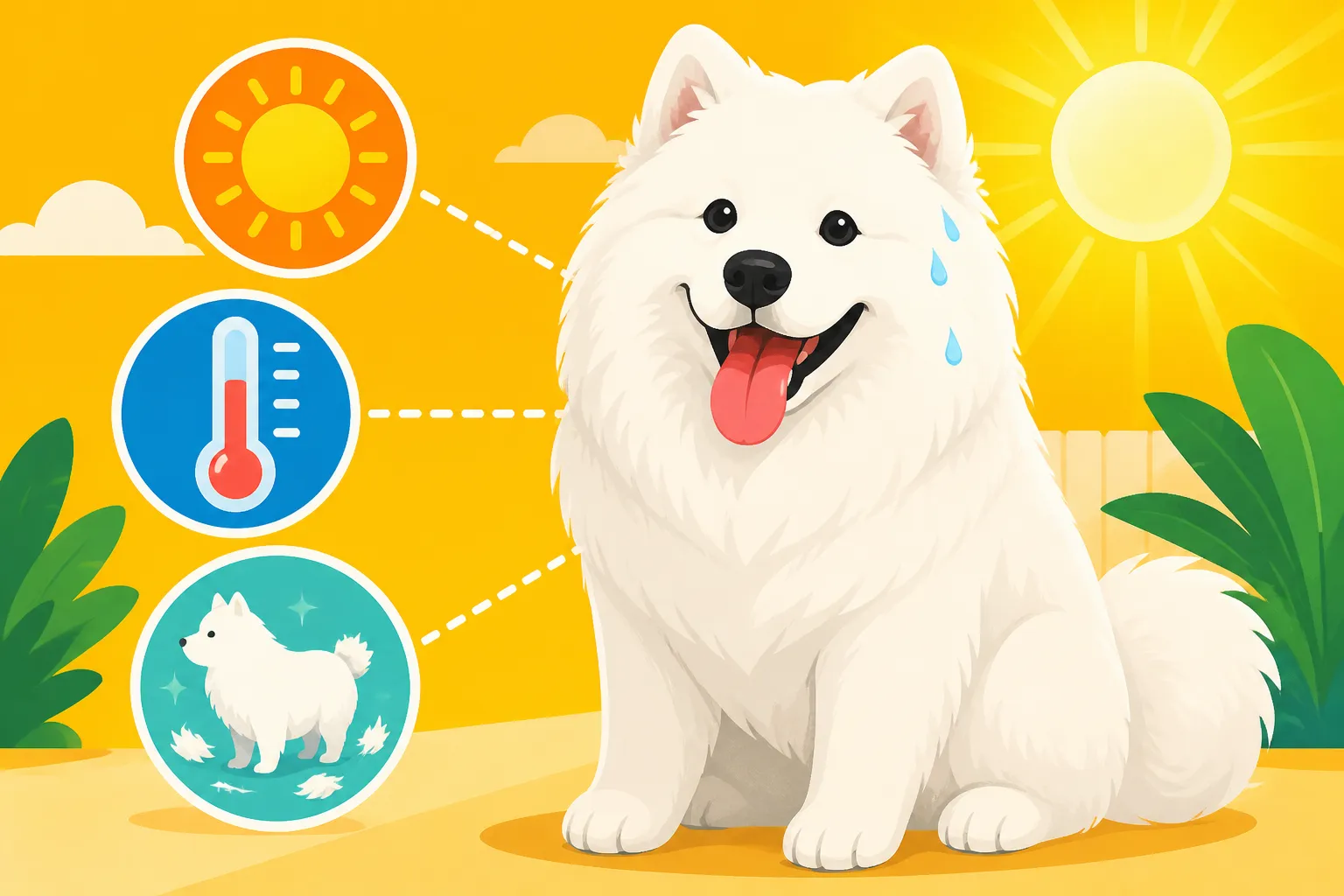
And that famous "Samoyed smile"? It's not just for charming us. While it certainly makes them look perpetually happy, that upturned corner of their mouth, which prevents drool from freezing on their face in arctic conditions, also allows for efficient airflow for panting. Why the Samoyed Smiles explains this in more detail. In summer, this unique facial structure facilitates the heavy breathing required for effective evaporative cooling. So, when you see your Samoyed with their mouth open, tongue slightly out, panting steadily, they are actively working to regulate their body temperature. It's their internal air conditioning system kicking into high gear. The challenge is, in very hot or humid conditions, this system can become overwhelmed, leading to constant, labored panting that signals distress.
Environmental Factors Turning a Normal Pant into Constant Concern
While panting is a normal physiological response for a Samoyed trying to cool down, the intensity and constancy of it often come down to their environment. Our homes and yards, especially in warmer climates, are very different from the frozen tundras their ancestors roamed.
The Unbearable Heat and Humidity Equation
For a Samoyed, the real struggle begins when the environmental conditions pile on. It’s not just the temperature shown on the thermometer; it’s the felt temperature, which combines heat with humidity. When the air is dry, evaporation from their mouth and lungs can occur fairly efficiently, drawing heat away from their body. But add high humidity into the mix, and that evaporative cooling mechanism becomes severely hampered. Imagine trying to air-dry your clothes in a sauna – it just doesn't work well because the air is already saturated with moisture. The same principle applies to your Samoyed’s panting.
A Samoyed in a dry, 80-degree climate might manage better than one in a humid, 75-degree climate. That heavy, insulating coat, which is a blessing in the dry cold, becomes a trap for hot, moist air against their skin when the humidity is high. This forces them to pant harder and more constantly to achieve any measurable cooling. This is a far cry from A Samoyed Built for Sixty Below in an American Summer, where humidity is rarely a factor. Understanding this distinction is crucial for owners in different geographical regions.
Lack of Adequate Shade, Water, or Cool Spaces
It might sound obvious, but ensuring your Samoyed has continuous access to cool, shaded areas and fresh water is paramount. Many owners underestimate how quickly a Samoyed can overheat, even when "just hanging out" in the yard. A concrete patio can radiate heat for hours after the sun moves, and even grass can get surprisingly warm. If your dog is left outside without a truly cool, shaded spot – and not just a spot where the sun will be in an hour – they will be panting relentlessly.
Constant access to fresh, cool water is equally vital. A stagnant, warm water bowl won't do much to help them cool down internally. Consider adding ice cubes to their water bowl, or even having multiple water stations around the house and yard. Indoors, air conditioning isn't a luxury; for many Samoyeds in warm climates, it's a necessity. If you don't have central AC, consider creating a dedicated "cool zone" for them with a window unit or fans. We've talked before about What Air Conditioning Adds to a Samoyed Household, and it's a non-negotiable expense for many of us. You can also explore cooling mats, readily available on retailers like Amazon or Chewy, which can provide a spot of instant relief and help them settle down without constant panting. These simple environmental adjustments can make a world of difference in reducing their panting.
Activity Levels and Exertion in the Heat
Samoyeds are active, intelligent dogs, full of boundless energy and a zest for life. This inherent drive can, unfortunately, work against them when the temperatures soar, as they might push themselves too hard without realizing the danger.
Over-Exercising a Samoyed in Warm Weather
That magnificent build, designed for pulling sleds across vast, icy landscapes, means they have a natural inclination for activity. It’s hard to tell a Samoyed, "No, not today, it's too hot for a long walk or a vigorous game of fetch." But it's absolutely critical that we do. Over-exercising a Samoyed in warm weather is one of the fastest routes to heat distress and potentially heatstroke. Their internal temperature rises rapidly with exertion, and their cooling mechanisms simply can't keep up when the external conditions are also hot.
Even a seemingly moderate walk during the late morning or afternoon on a warm day can be too much. The pavement itself can be scorching hot, burning their paw pads and radiating heat back up into their bodies. This forces them to pant harder, and more constantly, just to try and dump the excess heat. This is why we so often recommend adjusting your schedule drastically in summer, opting for very early morning or late evening outings when the air is coolest. Whether a Samoyed Should Only Be Exercised at Night in Summer is a crucial piece of advice for any Samoyed owner in a warmer climate.
The Hidden Work of a Playful Samoyed
It’s not just structured exercise you need to worry about. Even seemingly light play can become too much for a Samoyed when it's hot. Chasing a squirrel around the yard, a vigorous wrestling match with another dog, or even just repeated trips to fetch a ball can elevate their body temperature to dangerous levels. Samoyeds, like many dogs, often don't self-regulate their activity when they're excited or having fun. They'll keep going until they literally drop, and by that point, they could be in serious trouble.
Think about the effort involved for them. Every leap, every sprint, every tug generates internal heat, and that dense double coat traps it. Their bodies are working overtime. You might notice your Samoyed panting intensely after just a few minutes of play, and that should be your cue to stop. Bring them inside, offer water, and make sure they have a cool place to rest. Sometimes, your Samoyed will simply refuse to walk or play vigorously when it's too hot, which is a smart self-preservation instinct on their part. Why a Samoyed Refuses to Walk in Heat is a good sign they know their limits. As owners, we need to be vigilant and cut off activity long before they reach that point of exhaustion and constant panting.
When Constant Panting Signals Something More Serious
While panting is a normal cooling mechanism, there's a fine line between a Samoyed simply working hard to stay cool and one that is in distress. Recognizing the difference is vital for their health and safety.
Recognizing Signs of Heat Stress and Heatstroke
It's absolutely critical to differentiate between normal, healthy panting and panting that indicates a medical emergency. Normal panting is typically controlled, even, and might become more rapid after exertion or a short time in the sun. The dog is still alert, responsive, and often seeking out cooler spots.
However, when panting becomes constant, exaggerated, and labored, it's a red flag. Look for these accompanying signs of heat stress or heatstroke:
- Excessive, heavy panting: Much more rapid and shallow than usual, almost a gasping sound.
- Profuse drooling: Saliva may become thick and ropy.
- Bright red gums: The mucous membranes in their mouth will appear unusually dark pink or red.
- Glassy eyes.
- Staggering, disorientation, or weakness.
- Vomiting or diarrhea.
- Elevated body temperature: Their skin might feel very hot to the touch.
- In severe cases, collapse, seizures, or loss of consciousness.
If you observe any of these symptoms, especially the more severe ones, your Samoyed is experiencing a medical emergency that requires immediate action. Every minute counts. Start cooling them down gently and get them to a veterinarian immediately. We've dedicated an entire article to Signs a Samoyed Is in Heat Distress because it's so important to be prepared.
Underlying Health Issues Exacerbated by Heat
Sometimes, constant panting isn't solely due to the external heat or over-exertion; it can be a warning sign that an underlying health condition is making your Samoyed less tolerant of even moderate temperatures. Just like in people, certain health issues can compromise a dog's ability to regulate their body temperature or handle physiological stress.
For example, dogs with cardiac problems, such as Aortic Stenosis in a Samoyed, have hearts that are already working harder than normal. The added strain of trying to cool down in warm weather can put them at a much higher risk of overheating. Similarly, respiratory issues, even mild ones, can make efficient panting difficult, reducing their ability to cool themselves effectively.
Obesity is another significant factor. An overweight Samoyed has extra layers of fat acting as insulation, making it much harder for them to dissipate heat. It also puts more strain on their cardiovascular and respiratory systems. Keeping your Samoyed at a healthy weight through appropriate diet and exercise is crucial, especially in warmer months. Brands like Ollie and Chewy offer a variety of healthy food options that can help manage weight. Signs a Samoyed Is Overweight is a must-read for anyone concerned about their Samoyed's physique. If your Samoyed is panting excessively even when conditions aren't extreme and they haven't been active, it’s always wise to consult your veterinarian to rule out any underlying medical conditions.
Practical Strategies to Keep Your Samoyed Cool
Okay, so we know why they pant. Now, let’s talk about how we can proactively prevent that constant panting and ensure our Samoyeds are comfortable and safe through the summer months. It's all about thoughtful management and being their advocate.
Environmental Management: Inside and Out
Creating a cool environment is your first line of defense. Indoors, if you have air conditioning, keep it set at a comfortable temperature for your Samoyed, even if it means bundling up a bit yourself. Remember, their ideal temperature range is vastly different from ours. If central AC isn't an option, dedicated window units in rooms where they spend most of their time can be a lifesaver. Fans can also help with air circulation, but remember they cool dogs primarily by moving air over their wet surfaces (tongue, mouth), not by making the air itself cooler like AC does.
Outside, shade is non-negotiable. Natural shade from trees is ideal, but if you don't have it, invest in shade sails, tarps, or dog houses that offer solid protection from direct sunlight. Ensure these shaded spots are also well-ventilated, not just dark. Some Samoyeds absolutely adore a kiddie pool, which can provide immense relief on a hot day. Just make sure the water is fresh and relatively cool, and supervise them, especially if they're not strong swimmers. We've discussed What a Kiddie Pool for a Samoyed Costs, and it's a small investment for a big impact on their comfort. You can even mist their belly and paw pads with cool (not ice cold) water.
Hydration and Dietary Considerations
Access to fresh, cool water at all times is paramount. Consider having multiple water bowls both inside and outside, and routinely check them to ensure the water isn't warm or stagnant. Adding ice cubes to their water bowl throughout the day can encourage drinking and help keep the water refreshing. You might even find some fun water bowls or dispensers on Amazon or Chewy designed to keep water cooler for longer.
Diet also plays a role in internal temperature regulation. The process of digestion itself generates some body heat. While you shouldn't drastically change their diet without vet consultation, generally speaking, avoiding overfeeding is important, especially with high-fat foods that can be harder to digest and contribute more to internal heat generation. Highly processed, fatty table scraps are a definite no-go, not only because they can cause digestive upset but also because they contribute to overall body heat. Whether a Samoyed Should Avoid Table Scraps Entirely is solid advice year-round, but even more so in summer. Some owners find that adding a little extra water to their Samoyed's kibble can also help increase their overall fluid intake, which is beneficial for hydration.
Adjusting Exercise and Activity Routines
This is perhaps the biggest behavioral adjustment you can make. During summer, the default should be no strenuous outdoor activity during the hottest parts of the day. Period. This means rethinking your daily walk schedule. Aim for very early mornings, just as the sun is rising, or late evenings after the sun has set and the pavement has had a chance to cool down significantly. Test the pavement with the back of your hand; if it's too hot for you to hold your hand there for five seconds, it's too hot for their paws.
Instead of long walks, consider shorter, mental stimulation games indoors, or a quick potty break in the shade. If your Samoyed loves to pull, save that for the colder months. Whether a Samoyed Should Pull in Warm Weather is a resounding no, for their safety. If you have access to a safe, temperature-controlled indoor facility for dog sports or training, that can be a great alternative. Closely monitor your Samoyed for any signs of discomfort or increased panting during any activity. Their comfort and safety should always be your top priority.
By understanding the unique challenges our Samoyeds face in summer and implementing these practical strategies, we can help them navigate the warmer months without constant, worrisome panting. It's about being proactive and tuning into their needs, just as they tune into ours.
Comparing Normal Panting vs. Heat Distress Panting
It's crucial for every Samoyed owner to know the difference between normal cooling and a dangerous situation. Here's a quick reference:
| Feature | Normal Panting (Cooling) | Heat Distress Panting (Emergency) |
|---|---|---|
| Speed/Effort | Rapid, rhythmic, controlled; may increase with activity | Exaggerated, labored, gasping, uncontrolled, persistent |
| Sound | Mostly silent, perhaps a soft "huff" | Loud, raspy, wheezing; may sound distressed |
| Tongue | Extended, wider, moist, healthy pink color | Fully extended, swollen, often dark red or purple; may be dry |
| Saliva | Normal or slightly increased, clear | Excessive, thick, ropy, foamy |
| Gums | Healthy pink | Bright red, then potentially pale or bluish in severe cases |
| Demeanor | Alert, responsive; seeks shade/water; may lie down to rest | Disoriented, clumsy, restless, anxious, stumbling, unresponsive |
| Body Temp | Feels warm, but not burning hot | Skin feels extremely hot to the touch |
| Other Signs | None | Vomiting, diarrhea, weakness, muscle tremors, collapse, seizures |
Disclaimer
This article is for general informational purposes only and does not constitute professional advice. Laws, prices and regulations vary by location and change over time. Consult a qualified professional for guidance on your specific situation.