Whether a Samoyed’s Weight Should Be Logged Monthly
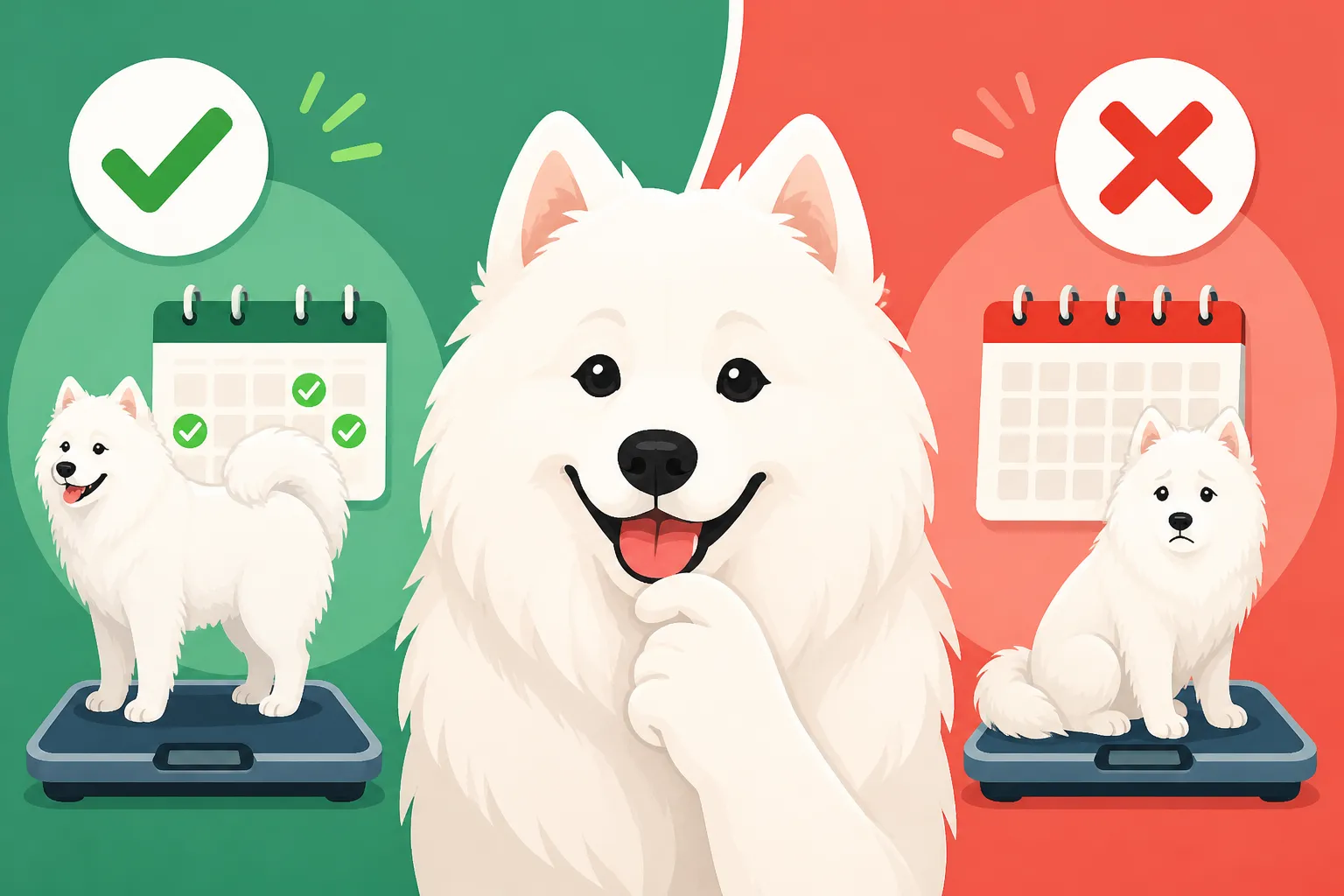
One of the biggest challenges of loving a Samoyed is that their glorious, cloud-like coat can hide a multitude of sins – especially when it comes to their physique. It's incredibly easy for gradual weight changes to go unnoticed beneath all that fluff, which can unfortunately mask the onset of health issues or mean you're missing important dietary cues. This guide is all about why a simple, monthly weight check can be one of the most powerful tools in your Samoyed care arsenal, helping you keep your fluffy companion healthy and happy for years to come.
Why Monthly Weight Checks Are Crucial for Your Samoyed
Let's be honest, staring at that beautiful, dense coat, it's hard to tell if your Samoyed has put on a few extra pounds or is perhaps looking a little too lean. Their double coat, designed to protect them from the harsh Siberian cold, also acts as a fantastic camouflage for their body condition. This natural insulation, while wonderful for warmth, can make visual assessment incredibly tricky. That's why relying solely on how they look can be misleading and why a consistent monthly weight check is so vital.
The Deceptive Fluff Factor
Samoyeds are masters of disguise when it comes to their physique. You might look at your happy, smiling Sammy and think everything is perfectly fine, only for a routine vet visit to reveal they've gained or lost a significant amount of weight. This isn't just about aesthetics; it's about health. Over time, even a small, consistent weight gain can accumulate into obesity, bringing with it a host of potential health problems. Conversely, unexplained weight loss can be an early indicator of an underlying medical condition that needs attention. It’s particularly important to consider Whether a Samoyed's Ruff Hides Weight Gain because that thick fur around their neck and chest can make them appear robust even when their waistline is expanding.
Early Detection of Health Issues
Many health conditions in dogs don't present with obvious symptoms until they're quite advanced. However, changes in weight are often one of the first, subtle clues. For instance, a sudden, unexplained weight loss might signal issues like kidney disease, dental problems, or even certain cancers. On the other hand, unexpected weight gain could point to hypothyroidism or the early stages of diabetes. By logging your Samoyed's weight monthly, you establish a baseline and can spot these deviations much earlier than if you were just relying on casual observation. Early detection means earlier intervention, which can significantly improve outcomes and quality of life for your beloved companion. It ties directly into understanding How a Samoyed Hides Illness Behind a Smile, as weight changes might be one of the few physical indicators before behavioral changes appear.
Monitoring Diet and Exercise Effectiveness
If you've recently adjusted your Samoyed's diet – maybe switching to a different kibble, trying a fresh food option like Ollie, or reducing their portion sizes – how do you know if it's working? The scale provides concrete data. Similarly, if you've increased their exercise routine, monthly weigh-ins will help you track whether those extra walks or play sessions are translating into a healthier weight. Without this objective data, you're essentially guessing, and that's not a position any responsible pet parent wants to be in. It also helps you understand Whether a Samoyed Needs Fewer Calories Than Expected, as their metabolic rates can sometimes surprise owners.
How to Accurately Weigh Your Samoyed at Home
Getting an accurate weight measurement for a wiggly, fluffy Samoyed can feel like a wrestling match, but with a few tips and the right tools, it becomes a routine you can both get used to. Consistency is key here – try to weigh them at the same time of day, ideally before their first meal, each month.
Using Your Own Bathroom Scale
For many medium to large dogs, including Samoyeds, a standard human bathroom scale can work perfectly. The trick is to use the "weigh yourself, then weigh yourself holding your dog" method.
- Weigh yourself alone: Step onto your digital bathroom scale and note your weight.
- Pick up your Samoyed: Carefully and safely pick up your Samoyed. This might be easier with a second person, especially for larger males. If your Samoyed is too heavy to safely lift, you'll need a different method (which we'll cover next).
- Step on the scale together: Stand on the scale holding your Samoyed and note the combined weight.
- Subtract: Subtract your weight from the combined weight. The difference is your Samoyed's weight.
Make sure your Samoyed is calm and still when you pick them up. Offer praise and a small, low-calorie treat afterward to make it a positive experience. This method works well for average-sized Samoyeds, but remember to always prioritize your safety and your dog's comfort.
Investing in a Pet Scale
If your Samoyed is too big or too squirmy to safely lift, or if you simply want the most accurate and hassle-free method, investing in a dedicated pet scale is a fantastic idea. These scales are designed with larger platforms and often have higher weight capacities, specifically for animals. You can find excellent options on sites like Chewy or Amazon, ranging from basic models to more advanced digital ones that can record previous weights.
When choosing a pet scale:
- Size matters: Ensure the platform is large enough for your Samoyed to stand comfortably.
- Weight capacity: Double-check that it can handle your Samoyed's maximum anticipated weight.
- Stability: Look for a sturdy scale that won't tip or wobble, which can scare your dog.
- Ease of cleaning: Accidents happen, so a scale that's easy to wipe down is a bonus.
Once you have your scale, introduce it slowly. Let your Samoyed sniff it, offer treats for stepping on it, and make it a positive experience. With a little patience, they'll learn that the scale means good things!
Ensuring Consistency and Accuracy
No matter which method you choose, consistency is paramount.
- Same day, same time: Aim for the first of the month, or any consistent date, and at the same time, before meals or vigorous activity.
- Empty bladder/bowel: Encourage them to go to the bathroom before weighing.
- No gear: Remove collars, harnesses, or clothing that could add extra weight.
- Calm environment: Choose a quiet spot where your Samoyed feels relaxed, free from distractions.
By following these steps, you'll get the most reliable data to track your Samoyed's health trajectory.
Interpreting Weight Fluctuations in Your Samoyed
Once you start logging your Samoyed's weight monthly, you'll begin to see patterns. Knowing what these fluctuations might mean is just as important as the act of weighing itself. Remember, any significant or sudden change warrants a call to your veterinarian.
Sudden Weight Gain: More Than Just a Little Extra Fluff
A sudden jump in your Samoyed's weight that isn't attributable to normal puppy growth should raise a flag. While it could simply mean you've been a little too generous with treats or that their activity level has dipped, it can also signal deeper issues. Whether a Samoyed Gains Weight Easily is a question many owners face, and often, the answer is yes, especially if they are neutered or spayed, as their metabolism can slow down.
Common reasons for sudden weight gain:
- Overfeeding: This is the most common culprit. It's easy to misjudge portion sizes, especially with kibble. Even a small handful of extra treats daily adds up quickly.
- Reduced activity: Has the weather been bad? Have your walks become shorter? Less exercise means fewer calories burned.
- Metabolic changes: Conditions like hypothyroidism can cause weight gain even without a significant change in diet.
- Fluid retention: While less common for general weight gain, rapid weight gain can sometimes indicate fluid retention due to heart or kidney issues. If this is suspected, it’s a veterinary emergency.
It's helpful to look for Signs a Samoyed Is Overweight, such as difficulty feeling their ribs, a loss of a visible waistline, or a slower pace during walks.
Gradual Weight Loss: A Subtle Warning Sign
While everyone worries about obesity, unexplained weight loss, especially in an adult Samoyed, can be a more serious indicator. Given how well their fur can hide their true shape, you might not notice a decline until it's quite advanced.
Potential causes of gradual weight loss:
- Inadequate caloric intake: Are they eating enough? Sometimes, a change in food might not provide the same caloric density, or perhaps another pet is stealing their food.
- Dental problems: Painful teeth or gums can make eating difficult and lead to a slow decline in weight.
- Gastrointestinal issues: Chronic diarrhea, vomiting, or malabsorption issues prevent nutrients from being properly absorbed, resulting in weight loss.
- Internal parasites: Worms can steal nutrients from your dog, leading to a thinner appearance despite a good appetite.
- Underlying diseases: Kidney disease, liver disease, diabetes, or even cancer can manifest as gradual weight loss. Diabetes in a Middle Aged Samoyed often includes weight loss as a key symptom.
- Stress or anxiety: Some dogs react to stress by eating less, leading to weight loss.
If you notice a steady downward trend in your Samoyed's weight, especially if combined with other symptoms like lethargy, changes in appetite, or altered bathroom habits, consult your vet right away.
Normal Puppy Growth Versus Adult Changes
It's important to differentiate between weight changes that are part of normal development and those that signal a problem.
- Puppies: Samoyed puppies will gain weight steadily as they grow, reaching their full height and most of their adult weight by around 12-18 months, though they may continue to fill out until two or even three years old. Tracking their weight helps ensure they're growing at a healthy rate. You can refer to The Age a Samoyed Stops Growing for more details on their growth timeline.
- Adults: Once your Samoyed reaches maturity, their weight should stabilize. Any significant shifts (more than 5-10% of their body weight) outside of illness or intentional diet/exercise changes warrant attention.
- Seniors: As Samoyeds enter their senior years, around The Age a Samoyed Counts as a Senior, their metabolism can slow down, making them prone to weight gain, or they might lose weight due to muscle atrophy or age-related health issues. Adjusting their diet and activity becomes even more critical during this phase.
Integrating Weight Management with Diet and Exercise
Weight logging isn't just about identifying problems; it's about actively managing your Samoyed's health through diet and exercise. Knowing their exact weight allows you to make informed adjustments.
Adjusting Food Portions and Choices
If your monthly weigh-ins reveal your Samoyed is gaining too much weight, the first place to look is their food bowl. It’s not uncommon for owners to overestimate their dog's caloric needs.
- Read the labels: Food bags provide general guidelines, but these are often higher than what an average pet dog needs, especially a Samoyed whose natural insulating coat can mean they expend less energy keeping warm.
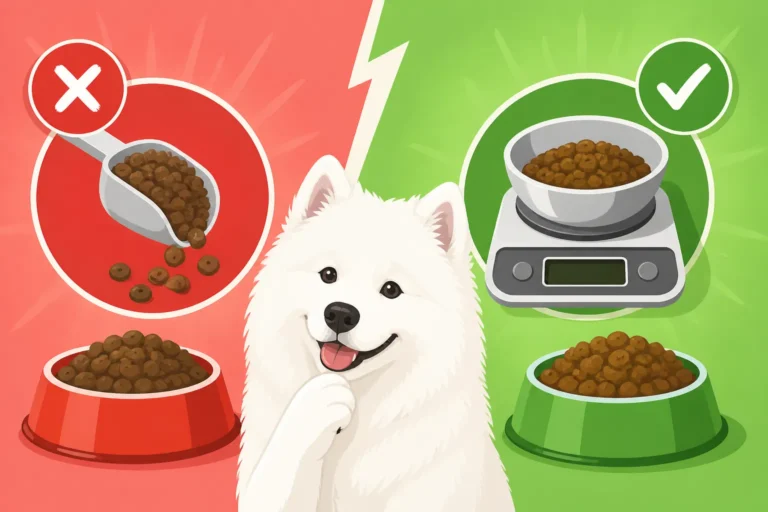
- Measure precisely: Don't eyeball it. Use a dedicated measuring cup or, even better, a kitchen scale to weigh out their food portions. This ensures accuracy.
- Consider a fresh food plan: Brands like Ollie offer personalized meal plans based on your dog's specific weight, age, activity level, and breed. This can take the guesswork out of portion control and provide a balanced diet. If you're tackling Getting Weight Off a Samoyed, a carefully portioned diet is paramount.
- Low-calorie treats: If treats are a major part of your routine, switch to low-calorie options like plain green beans, carrot sticks, or small pieces of lean cooked chicken.
- Consult your vet: For significant weight loss or gain, your veterinarian can help you determine the ideal weight range for your Samoyed and recommend a specific diet plan. They might even suggest a prescription diet if there are underlying health concerns.
Tailoring Exercise Routines
Diet and exercise go hand-in-hand. Your Samoyed's activity level should align with their caloric intake and weight goals.
- Daily activity is non-negotiable: Samoyeds are active dogs. They need daily walks, playtime, and mental stimulation. Aim for at least 60-90 minutes of moderate exercise daily.
- Vary your routine: Keep walks interesting, incorporate fetch, or explore activities like hiking or even dog sports. What a Samoyed Needs Every Day definitely includes plenty of physical activity.
- Be mindful of the weather: Samoyeds are built for cold, so exercise during hot weather needs to be adjusted. Early morning or late evening walks are best in summer to prevent overheating.
- Interactive play: Tug-of-war, hide-and-seek with toys, or training sessions can provide mental and physical exercise indoors.
Combining accurate weight tracking with a thoughtful approach to diet and exercise is the best way to ensure your Samoyed maintains their ideal body condition. This proactive approach will empower you to make timely adjustments, keeping them vibrant and full of that famous Sammy smile.
| Weight Status Category | Description | Physical Indicators (under all that fluff!) | Potential Actions |
|---|---|---|---|
| Underweight | Ribs, spine, and hip bones easily visible/palpable with no fat covering. | Ribs, spine, hips sharp to the touch. Minimal muscle mass. | Increase calories, rule out medical issues with vet, higher fat diet. |
| Ideal Weight | Ribs easily felt but not seen. Waist visible from above, abdomen tucked up. | Ribs easily felt with slight fat covering. Good muscle tone. | Maintain current diet and exercise. |
| Overweight | Ribs difficult to feel. Waist barely visible or absent. Abdomen slightly saggy. | Ribs hard to feel due to fat. Waist disappearing. | Moderate calorie reduction, increase exercise, switch to lower-fat food. |
| Obese | Ribs not palpable. No waist. Obvious fat deposits on chest, back, and tail base. | Ribs impossible to feel. No waist, bulging abdomen. Significant fat. | Significant calorie reduction, structured exercise plan, vet consultation for diet plan. |
This table provides a simple guide to what you should be looking for when you are also performing a hands-on body condition assessment in conjunction with monthly weighing. Remember, the goal is for them to be in the "Ideal Weight" category, not just look "fluffy." It helps to know how to perform Feeling for Ribs Under a Samoyed's Coat.
Disclaimer
This article is for general informational purposes only and does not constitute professional advice. Laws, prices and regulations vary by location and change over time. Consult a qualified professional for guidance on your specific situation.