Whether Siberia Still Uses Samoyeds on Reindeer
The majestic Samoyed, with its perpetual smile and cloud-like coat, evokes images of vast snowy tundras and ancient traditions. Many of us picture them alongside indigenous peoples, diligently herding reindeer across endless Siberian landscapes. But in our modern world, the question often arises: are these magnificent dogs still fulfilling that vital role in their homeland, or has time moved on for the working Samoyed? This comprehensive guide will explore the history, evolution, and current reality of Samoyeds and their ancestral duties in Siberia.
The Enduring Legacy: Samoyeds and Reindeer Herding in History
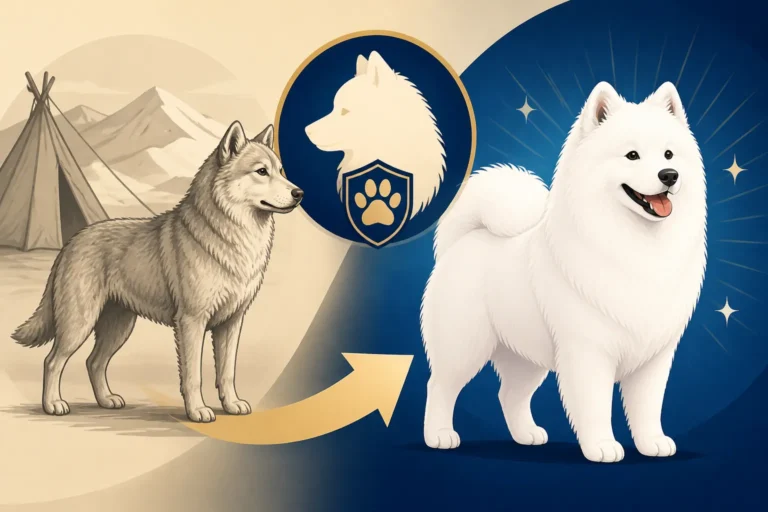
For centuries, the relationship between the Samoyed people (now often referred to as Nenets, Enets, Nganasan, and Selkup, among others) and their dogs was symbiotic, a partnership forged in the harsh, unforgiving environment of the Arctic. These dogs, the ancestors of our modern Samoyed, were not just companions; they were integral to survival.
The Indigenous People and Their Dogs
Imagine life on the Yamal Peninsula, or the vast stretches of Siberia, hundreds of years ago. There were no fences, no GPS, no snowmobiles. The indigenous nomadic peoples, like the Nenets, relied entirely on their reindeer herds for food, clothing, shelter, and transport. Without their dogs, managing these sprawling herds would have been an impossible task. The dogs were an extension of the family, sharing tents for warmth, pulling sleds loaded with belongings, and, most importantly, keeping the lifeblood of the community – the reindeer – together and safe.
These were dogs bred for resilience, intelligence, and an innate understanding of herd dynamics. They needed to withstand extreme cold, travel vast distances, and work tirelessly. The dogs were carefully chosen, not just for their physical prowess, but for their temperament. They had to be gentle enough to live in close quarters with families, including children, yet possess the drive and instinct to manage thousands of semi-wild animals. It’s this deep connection and specialized breeding that gave us the foundations of the Samoyed we cherish today. This historical role is crucial to understanding The Nenets of the Yamal Peninsula Bred the Samoyed.
Traditional Herding Methods
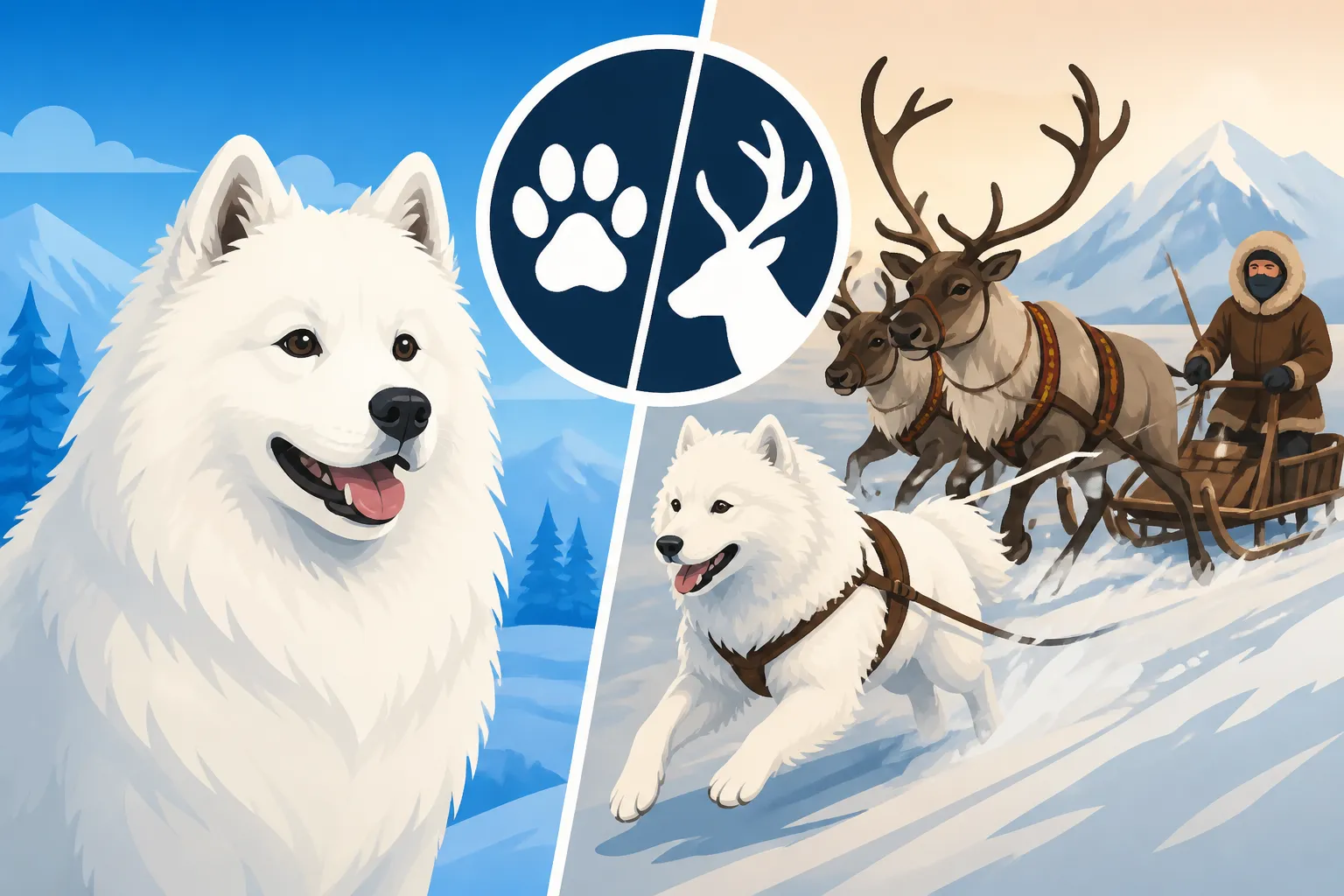
Traditional reindeer herding was a masterclass in cooperation between human and dog. The dogs were used in a variety of ways: to gather stragglers, to move the main herd from one pasture to another, and to guard against predators like wolves. Their bark, more of a vocalization than a typical dog bark, could signal danger or communicate directions to the herders. The famous "Samoyed smile" isn't just charming; it's thought to have developed to prevent icicles from forming around their mouths, a practical adaptation for their freezing environment.
The dogs would range out, often working independently or with minimal direct commands, pushing the herd in the desired direction. They weren't just chasing; they were guiding, using their presence and barks to influence the flow of thousands of animals. Their double coats, designed for extreme cold, allowed them to spend days and nights out in the open, even in blizzards. These were truly working dogs, vital components of a mobile, self-sufficient lifestyle. Understanding What the Nenets Bred the Samoyed to Do highlights just how multifaceted their responsibilities were beyond simple herding.
A Shifting Landscape: Modern Reindeer Herding in Siberia
The world changes, even in the most remote corners, and Siberia is no exception. While the image of a Samoyed herding reindeer is deeply ingrained, the reality of modern practices has evolved significantly for many communities.
Modernization and Mechanization
The 20th century, and increasingly the 21st, brought technological advancements to even the most traditional lifestyles. For many reindeer herders in Siberia, the roar of a snowmobile or the hum of a helicopter has replaced the silent footsteps of a dog team. Snowmobiles, like the ubiquitous "Buran," allow herders to cover vast distances much faster and with less physical exertion, chasing down scattered reindeer or patrolling the perimeter of a large herd. Helicopters are sometimes used for large-scale migrations or to spot animals over immense territories.
This mechanization has fundamentally altered the role of the working dog. While a dog can move a herd at a certain pace, a snowmobile can round up strays far more quickly and effectively across challenging terrain. This isn't to say dogs are entirely absent, but their necessity and prevalence in many large-scale, commercial herding operations have diminished. The sheer efficiency of machinery, despite its cost, often makes it the preferred tool for modern herders who must manage larger herds and meet market demands.
Evolving Dog Breeds and Roles
Even where dogs are still used in herding, the purebred Samoyed, as we know it from show rings and pet homes, is often not the dog on the job. The modern Samoyed breed has undergone significant changes since its ancestors were brought to the West by explorers. Western breeding has focused on specific aesthetic qualities – the pure white coat, the perfect smile, a certain body conformation – and often, a temperament suited for a family pet rather than a tenacious working animal in extreme conditions.
In Siberia, the dogs still assisting herders are typically local landrace dogs, often referred to as Nenets Herding Laikas. These dogs are genetically linked to the ancestral Samoyed type but may not fit the strict Western breed standard. They often have more varied coats (including darker markings), a leaner build, and a higher drive for independent work. They are bred for utility, not appearance. Some herders might even use crosses, valuing specific working traits over breed purity. While still crucial for some, their numbers might be fewer, and their specific tasks might be more specialized, like guarding against predators rather than primary herding, a role also covered by How a Samoyed Herded Reindeer.
The Enduring Spirit: Where Samoyed-Type Dogs Still Thrive
Despite the widespread changes, the spirit of the working Samoyed is far from extinguished. In certain pockets of Siberia, the traditional ways persist, and with them, the dogs that are truly living links to the past.
Remote Communities and Traditional Practices
It's in the most isolated, remote communities, far from major settlements and roads, where you'll still find indigenous peoples adhering closely to their ancestral practices. These communities often lack the infrastructure or economic means to fully embrace mechanization. For them, the reindeer and the dogs remain intertwined with their very existence. Here, the dogs, while perhaps not registrable "Samoyeds" by Western standards, are undeniably the direct descendants of those ancient herding dogs. They are still herding, guarding, and pulling, much as their ancestors did.
These dogs are tough, self-sufficient, and deeply attuned to their environment and their human partners. They might be smaller, stockier, or less fluffy than the show-bred Samoyed, but they possess the incredible resilience and instinct that made the breed famous. Their life is one of constant movement, following the reindeer migrations, enduring the blizzards, and finding warmth inside the chum (traditional tent) with their human families. This lifestyle reflects the historical reality of The Samoyed Slept in the Tent to Keep People Alive.
Preservation Efforts and Cultural Significance
There's a growing appreciation, both within Russia and internationally, for these traditional working dogs and the cultures they represent. Efforts are underway to document, preserve, and even promote the Nenets Herding Laika, recognizing its historical and genetic importance. These dogs are living heritage, a testament to the ingenuity and adaptability of both humans and canines in extreme conditions.
For these communities, the dogs are more than just tools; they are family members, guardians of their way of life, and symbols of cultural identity. The bond runs deep, formed over generations of shared survival. While the exact numbers might be small compared to historical figures, the fact that these working dogs persist is a powerful statement. They represent a living connection to the breed's origins, a testament to what a Samoyed-type dog was truly bred to do, and a reminder of Where the Working Samoyed Still Exists. If you're looking for high-quality, durable gear for a working dog, or even just for a robust companion, you might consider brands that supply working dog equipment; many can be found on sites like Chewy, offering everything from heavy-duty collars to specialized food that supports active lifestyles.
The Journey West: How the Samoyed Became a Global Breed
The journey of the Samoyed from the Siberian tundra to the global stage is a fascinating one, showcasing how a utilitarian working dog transformed into a beloved companion animal and show dog.
From Working Dog to Western Companion
The late 19th and early 20th centuries saw polar explorers venturing into the Arctic and Antarctic, often relying on sled dogs for transportation and survival. Many of these explorers encountered the indigenous Samoyed people and their magnificent dogs. Impressed by their strength, endurance, and friendly disposition, they brought some of these dogs back to Europe and North America. It's important to remember that these were typically the pulling dogs, the ones suited for long treks, rather than solely the herding lines. This marked the beginning of the Samoyed's transition from a regional working dog to a recognized breed. How Polar Explorers Took Samoyeds Out of Siberia details this pivotal moment in the breed's history.
Once in the West, the dogs were selectively bred, often with an emphasis on creating a uniform appearance and a docile temperament suitable for a family environment. The famous "Samoyed smile," the thick white coat, and the friendly, intelligent eyes became hallmarks of the breed. This breeding for aesthetics and companionship meant that, while the fundamental instincts might remain, the intensity and specific traits of a working herding dog were often softened or less emphasized in favor of broader appeal. For instance, you can find a wide variety of toys and treats for companion Samoyeds on Chewy, reflecting their pet status.
The Modern Samoyed: A Pet with a Past
Today's Samoyed is primarily a companion animal. They excel in various dog sports like agility, obedience, and even carting or recreational sledding, where their pulling instinct can still be harnessed. They are known for their gentle nature, intelligence, and a tendency to be vocal (leading to the infamous "Samoyed scream"!). However, the majority of Samoyeds living in homes across the world are far removed from the daily rigors of herding reindeer in Siberia.
Their intelligence and high energy levels mean they still require significant mental and physical exercise to be happy and well-adjusted. The digging instinct, for example, often seen in backyards, harks back to their ancestors digging snow dens for shelter or cooler spots in the ground. While their primary "job" is now to be a cherished family member, understanding their history helps us appreciate their innate characteristics. Providing a stimulating environment, with plenty of walks, playtime, and perhaps even some pulling activities, allows a modern Samoyed to connect with its ancient heritage, even if its daily adventure is just to the local park. Proper nutrition for an active Samoyed, whether a pet or a working dog, can be easily sourced from reputable pet supply retailers like Chewy.
Here's a quick comparison of the historical and modern roles of Samoyed-type dogs:
| Aspect | Historical (Siberian Ancestors) | Modern (Western Purebred Samoyed) |
|---|---|---|
| Primary Role | Herding reindeer, pulling sleds, guarding, tent warmth | Companion animal, show dog, various dog sports |
| Appearance Focus | Utility, resilience, adaptation to climate | Breed standard, pure white coat, "smile," specific conformation |
| Environment | Nomadic life on tundra, extreme cold | Family homes, varied climates (often requiring cooling in summer) |
| Herding Instinct | Highly developed, essential for survival | Present but often less pronounced, channeled into play/sports |
| Dependence on Technology | None | Veterinary care, specialized diets, grooming tools, enrichment toys |
| Breeding Goals | Working ability, health, temperament for harsh life | Conformation, temperament for companionship, genetic health testing |
While the Samoyed we welcome into our homes today is often a pampered pet, it's vital to remember the incredible history and purpose-driven nature of its ancestors. The working Samoyed of Siberia, or rather, the Samoyed-type dog, is still out there, albeit in diminishing numbers, a living testament to a partnership as old as the snow. Understanding this history gives us a richer appreciation for our fluffy companions and reinforces the importance of responsible breeding and care. For those interested in deeper insights into their daily needs, reading about The Job a Samoyed Actually Needs can provide valuable perspective.
Disclaimer
This article is for general informational purposes only and does not constitute professional advice. Laws, prices and regulations vary by location and change over time. Consult a qualified professional for guidance on your specific situation.