Bloat in a Samoyed
The sudden onset of bloat, medically known as Gastric Dilatation-Volvulus (GDV), is every Samoyed owner's nightmare. It’s a terrifying, lightning-fast condition that can take your happy, healthy furry companion to the brink of collapse in a matter of hours, leaving you panicked and searching for answers. This comprehensive guide will walk you through what GDV is, why Samoyeds are particularly vulnerable, how to recognize the critical signs, and what crucial steps you can take for both emergency response and proactive prevention.
Understanding Gastric Dilatation-Volvulus (GDV) in Samoyeds
When we talk about "bloat" in Samoyeds, we're not just referring to a little gas or an upset stomach. We're talking about a dire medical emergency known as Gastric Dilatation-Volvulus, or GDV. This condition is incredibly serious and demands immediate veterinary attention, often within minutes or an hour of onset, to give your dog the best chance of survival. It's truly a race against time, and knowing the specifics can make all the difference.
What Happens During Bloat?
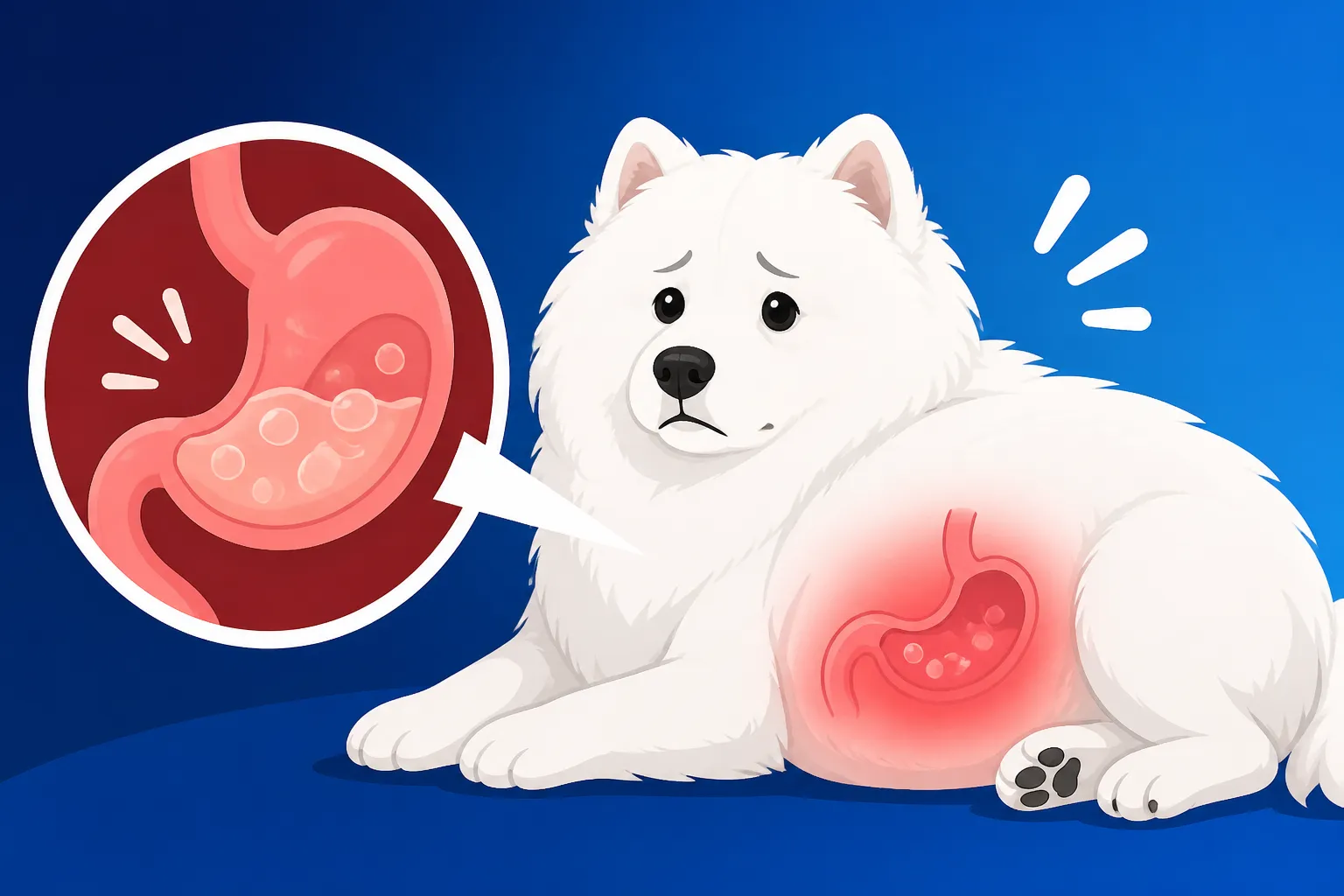
Imagine your Samoyed's stomach. In GDV, it first fills with gas, food, or fluid, causing it to distend massively—this is the "dilatation" part. This distension is incredibly painful and puts immense pressure on surrounding organs and major blood vessels. But it gets worse. In most cases of bloat, the distended stomach then twists on its axis, a process called "volvulus." This twisting seals off both the entrance (esophagus) and exit (duodenum) of the stomach, trapping everything inside. It also cuts off blood supply to the stomach wall, which can lead to tissue death very quickly. The spleen, which is often attached to the stomach, can also twist, further complicating the issue and increasing internal damage.
The pressure inside the abdomen impacts the diaphragm, making it hard for your Samoyed to breathe. It also compresses the large veins returning blood to the heart, leading to a dangerous drop in blood pressure and eventually shock. Without blood flow, the stomach tissue begins to die, releasing toxins into the bloodstream, which can lead to multiple organ failure. This cascade of events explains why GDV progresses so rapidly from discomfort to a life-threatening crisis. It's not just a belly ache; it's a systemic shutdown threatening your Samoyed's very existence.
Why GDV is So Dangerous
The sheer speed at which GDV can become fatal is what makes it so terrifying. From the first subtle signs, you might have as little as 30 minutes to an hour to get your Samoyed to an emergency veterinary clinic for it to have a fighting chance. The twisted stomach means nothing can pass through, neither gas nor food, intensifying the distension and pain. The lack of blood supply causes portions of the stomach wall to become necrotic, meaning the tissue literally starts to die. This dead tissue releases harmful toxins that can overwhelm the dog's system.
Moreover, the severe reduction in blood flow can lead to cardiac arrhythmias, which are abnormal heart rhythms that can be fatal on their own. The immense pressure on the diaphragm makes breathing incredibly difficult, further stressing an already compromised system. Even if surgery is successful, dogs can still suffer from post-operative complications like peritonitis (infection of the abdominal cavity), kidney failure, or further heart issues. This is why immediate, decisive action is paramount. It's one of those conditions where minutes truly matter, and any delay can drastically reduce the chances of a positive outcome.
Identifying the Samoyed's Risk Factors for Bloat
While any dog can theoretically bloat, Samoyeds, like many deep-chested breeds, have a higher predisposition. Understanding these risk factors is the first step in prevention and early detection, which could very well save your cherished companion's life. It’s not just about what they eat, but also their physical build and even their personality.
Breed Predisposition and Body Shape
Samoyeds possess the classic deep-chested, narrow-bodied conformation that is widely recognized as a primary risk factor for GDV. Breeds with a high chest-to-width ratio, such as Great Danes, Weimaraners, German Shepherds, and yes, our beloved Samoyeds, tend to have more space in their abdominal cavity, allowing the stomach to move and twist more easily when distended. Think of a tall, narrow vase; it's easier to knock over and spin than a short, wide bowl. This anatomical feature is simply part of being a Samoyed, and it's something we, as their guardians, need to be acutely aware of.
Beyond the physical structure, genetics also play a role. If a Samoyed's direct relatives (parents, siblings) have experienced bloat, their risk factor significantly increases. This suggests an inherited predisposition that goes beyond just chest conformation. Furthermore, age can be a factor; while bloat can occur at any age, it's more common in middle-aged to older dogs, generally between 7 and 12 years old. This is a time when many Samoyeds are still very active and seem quite healthy, making the sudden onset of bloat even more jarring. Keeping an eye on any Signs a Samoyed Is Getting Old can help you monitor overall health, but bloat can strike even vigorous seniors.
Lifestyle and Environmental Triggers
Several lifestyle and environmental factors can increase a Samoyed's risk of bloat. One of the most commonly cited triggers is rapid eating. When dogs eat too quickly, they swallow excessive air along with their food, which can contribute to stomach distension. Large meals, especially just one meal a day, are also considered riskier than smaller, more frequent feedings. The type of food might also play a role, with some studies suggesting that diets primarily consisting of dry kibble, especially those with small particle sizes or that contain certain fats, could be a factor, though this is still debated among experts. You might already be thinking about Feeding a Samoyed That May Become Diabetic, and bloat prevention adds another layer to dietary considerations.
Exercise immediately before or after eating is another significant risk factor. A full stomach, combined with vigorous activity like running, jumping, or rolling, can increase the likelihood of the stomach twisting. Stress and anxiety can also contribute to bloat. A highly stressed dog might swallow more air or have altered digestive motility, both of which could predispose them to GDV. Changes in routine, new environments, or even loud noises can be stressors. It's vital to ensure your Samoyed has a calm environment, especially around meal times, and to allow ample time for digestion before strenuous activity. Considering Why a Samoyed Owner Must Watch Its Weight Closely also ties into careful feeding practices that can mitigate some of these risks.
Recognizing the Urgent Signs of Bloat in Your Samoyed
This is perhaps the most critical section for any Samoyed owner. Bloat doesn't offer a leisurely progression of symptoms; it's a sudden, severe emergency. While Samoyeds are known for their stoic nature and ability to How a Samoyed Hides Illness Behind a Smile, bloat often presents with undeniable and terrifying signs that demand immediate attention. Knowing what to look for can be the difference between life and death.
Visible Physical Changes
The most classic and alarming physical sign of bloat is a distended or swollen abdomen. Your Samoyed's belly might look noticeably larger, tight, and feel hard to the touch, particularly on the left side, though it can appear generally swollen. This swelling can develop incredibly quickly, sometimes within minutes of onset. Don't mistake this for a simply full tummy after a big meal; a bloat distension is usually accompanied by extreme discomfort.
Another common and distressing sign is unproductive retching or gagging. Your Samoyed will try to vomit, often violently, but nothing, or very little, will come up. This is because the twisted stomach has sealed off its exit. You might see frothy saliva, but no actual food or liquid. This is a huge red flag. Other visible changes include excessive drooling (hypersalivation), pale gums (indicating poor circulation), and a rapid, shallow breathing pattern as the distended stomach puts pressure on the lungs. In later stages, your Samoyed might collapse or show signs of severe weakness. It's also helpful to differentiate these from other emergencies like Signs a Samoyed Is Overheating, which can also cause distress but has different primary symptoms.
Behavioral Clues That Demand Attention
Beyond the physical, your Samoyed will exhibit clear behavioral changes indicating severe pain and distress. Restlessness and an inability to get comfortable are hallmark signs. Your dog might pace anxiously, try repeatedly to lie down and then immediately stand up again, or stretch their body in unusual ways. They might look at their flank, as if trying to understand what's happening to their abdomen, or whine and whimper.
You'll also notice signs of acute pain and discomfort. Your usually friendly Samoyed might resist being touched, especially around their belly, or even snap in agony. They may stand with their back arched, or adopt a "praying position" with their front paws down and hindquarters up, which dogs often do when experiencing abdominal pain. As the condition worsens, they will become weaker, lethargic, and unresponsive. They might shake or tremble uncontrollably. Any combination of these symptoms, especially the distended abdomen and unproductive retching, should send you straight to the emergency vet without a second thought. Do not wait to see if it improves; every moment counts.
Here's a quick reference table for identifying potential bloat symptoms:
| Symptom Category | Mild Concern (Monitor) | High Concern (Emergency Vet Immediately) |
|---|---|---|
| Abdomen | Slightly full after eating | Markedly distended, hard, painful |
| Vomiting | Actual vomit (food, bile) | Unproductive retching/gagging, foam |
| Behavior | Mild discomfort, slight lethargy | Restlessness, pacing, inability to settle |
| Pain | Mild groaning, discomfort when pressed | Whining, trembling, reluctance to be touched |
| Gums | Normal pink | Pale, grey, or very dark brick red |
| Breathing | Normal | Rapid, shallow, labored |
| Drooling | Normal | Excessive, foamy |
| Overall | Seems "off" | Collapsed, weak, unresponsive |
Immediate Action: What to Do If You Suspect Bloat
Discovering that your Samoyed might be experiencing bloat is truly one of the most frightening moments a pet parent can face. There's no time for hesitation, no room for "wait and see." This is an absolute emergency, and your quick, decisive actions are paramount to your dog's survival.
The Critical Race Against Time
If you suspect bloat, the single most important thing you can do is get your Samoyed to an emergency veterinary hospital immediately. This is not a situation where you call your regular vet to schedule an appointment for later in the day, or try home remedies, or even wait to see if the symptoms improve. Bloat can kill a dog in a matter of hours, sometimes even less. Every minute that passes without intervention increases the damage to the stomach and other organs, decreases the chances of successful surgery, and raises the risk of life-threatening complications.
Call ahead to the emergency clinic if you can, to let them know you are coming and why. This allows them to prepare for your arrival, ensuring a team is ready to spring into action the moment you walk through the door. Provide as much detail as possible about the symptoms you're observing. Once you're on the way, try to keep your Samoyed as calm and comfortable as possible, but do not attempt to relieve the pressure or give them anything by mouth. Your focus must be on rapid transport to professional medical care.
Emergency Veterinary Care and Diagnosis
Upon arrival at the emergency clinic, the veterinary team will immediately prioritize your Samoyed. Their first steps will involve stabilizing your dog, which includes administering IV fluids to combat shock and pain medication to alleviate suffering. They will also attempt to decompress the stomach, often by passing a tube down the esophagus into the stomach to release trapped gas and fluids. In some cases, if a tube cannot be passed due to the severity of the twist, a needle or catheter may be inserted through the abdominal wall directly into the stomach to relieve pressure—this is called trocharization.
Once your Samoyed is somewhat stable, diagnostic imaging, typically X-rays, will be performed to confirm the diagnosis of GDV. The X-ray will show the characteristic "double bubble" appearance of the twisted stomach. Blood tests will also be run to assess the dog's overall health, look for signs of organ damage, and check for cardiac issues. This rapid and thorough diagnostic process is crucial to determine the extent of the problem and plan for the necessary surgical intervention. The cost of such an emergency can be substantial, so if you have pet insurance like Healthy Paws, it’s worth contacting them as soon as possible to understand your coverage; understanding What a Samoyed's Vet Bills Look Like is crucial, and emergency bloat treatment is definitely at the high end.
Surgical Intervention and Recovery
If your Samoyed is diagnosed with GDV, surgery is almost always required and is the only definitive treatment for a twisted stomach. This is a major, invasive procedure, but it offers the best chance for survival. The journey doesn't end with surgery; the recovery period is equally critical.
The Gastric Torsion Surgery
The surgical procedure for GDV is called a gastrectomy and gastropexy. During the surgery, the veterinary surgeon will carefully de-rotate the stomach back to its normal anatomical position. They will then assess the stomach wall and, if any parts are necrotic (dead tissue), they will remove those sections. This is a critical step because dead tissue can rupture, leading to peritonitis, a severe and often fatal infection of the abdominal cavity. The spleen, too, will be examined, and if it has suffered irreversible damage from the twisting, it may need to be removed.
Once the stomach is back in place and any damaged tissue addressed, the surgeon will perform a gastropexy. This involves surgically attaching the stomach wall to the abdominal wall to prevent future twisting. A gastropexy is incredibly effective at preventing future episodes of volvulus, though it doesn't prevent the stomach from dilating (filling with gas). While it's a major abdominal surgery, and there are inherent risks with anesthesia, especially for a compromised patient—you might want to discuss Whether a Samoyed Is Sensitive to Anesthesia with your vet—the benefits far outweigh the risks given the life-threatening nature of bloat. Prior to surgery, your vet will ensure your Samoyed is as stable as possible, which might include Whether a Samoyed Needs Pre Anesthetic Bloodwork to assess organ function.
Post-Operative Care and Potential Complications
The recovery period following GDV surgery is intensive and requires vigilant monitoring. Your Samoyed will likely remain hospitalized for several days, receiving intravenous fluids, pain management, antibiotics, and medication to support heart function and prevent further arrhythmias. The veterinary staff will closely watch for signs of complications such as further arrhythmias, kidney failure, infection, or issues with the surgical site. They will also monitor for symptoms like vomiting, lethargy, or a refusal to eat, which could indicate a setback.
Once your Samoyed is discharged, your role in their recovery becomes paramount. You'll need to follow your veterinarian's instructions meticulously, which will include restricting activity, administering medications, and carefully managing their diet. Typically, small, frequent meals of a soft, easily digestible food are recommended for a period. The recovery can be lengthy, and while many dogs recover fully and go on to live out The Twelve to Fourteen Years a Samoyed Lives, ongoing monitoring is important. Recurrence of the dilatation part of bloat (without the twist) is still possible, so careful management of feeding and exercise will be a lifelong commitment. Pet insurance plans, such as those offered by Healthy Paws, can be invaluable during such a medical crisis, helping to cover the often significant costs associated with emergency surgery and extended post-operative care. It’s a good idea to understand What a Samoyed's Annual Deductible Should Be and how it works.
Proactive Measures to Prevent Bloat in Samoyeds
While bloat is a terrifying emergency, the good news is there are several proactive steps you can take to significantly reduce your Samoyed's risk. Prevention truly is the best medicine here, and a few thoughtful adjustments to their daily routine can make a huge difference.
Adjusting Feeding Habits
One of the most effective ways to reduce bloat risk is by modifying your Samoyed's eating habits. Instead of one large meal a day, break their daily food allowance into two or three smaller meals. This reduces the amount of food and air in the stomach at any one time, lessening the risk of distension. For example, if your Samoyed normally eats four cups of food a day, offer two cups in the morning and two cups in the evening, or even 1.5 cups three times a day. You can learn more about general feeding guidelines in How Much a Samoyed Should Eat.
Consider using a slow-feeder bowl or puzzle feeder, especially if your Samoyed is known for gobbling down their food at lightning speed. These bowls have obstacles that force your dog to eat more slowly, thus reducing the amount of air they swallow. Some veterinarians also recommend moistening dry kibble with water, as this can reduce the expansion of food in the stomach once ingested. Avoid feeding from raised bowls unless specifically recommended by your vet for another medical condition, as some studies suggest this might actually increase bloat risk in large breeds.
Considering a Preventative Gastropexy
For Samoyed owners extremely concerned about bloat, or for those whose dogs have a very high risk (e.g., family history, multiple risk factors), a preventative gastropexy is an option worth serious discussion with your veterinarian. As mentioned before, a gastropexy is a surgical procedure where the stomach is permanently tacked to the abdominal wall, preventing it from twisting. It's important to note that a gastropexy does not prevent the stomach from dilating (filling with gas), but it dramatically reduces the risk of the life-threatening volvulus (twisting) component.
This procedure can be performed electively, often at the same time as a spay or neuter, when the dog is already under anesthesia. This can be a significantly less invasive procedure than emergency bloat surgery, and recovery is generally quicker and easier. Discussing Whether a Samoyed Should Have a Gastropexy with your vet can help you weigh the pros and cons for your individual Samoyed, considering their age, health, and your peace of mind. While Healthy Paws insurance may cover the cost of a medically necessary gastropexy if your pet has a pre-existing condition, routine prophylactic surgeries like an elective gastropexy might not be covered, so it’s always best to check your specific policy details.
Managing Stress and Exercise Around Meal Times
Another critical preventative measure is to carefully manage your Samoyed's activity levels around meal times. Avoid vigorous exercise, such as running, jumping, or intense play, for at least an hour before and two hours after eating. A full stomach bouncing around during high-impact activity is a recipe for disaster. This means planning your walks, training sessions, or playtime carefully into your daily routine.
Stress can also be a contributing factor to bloat. Try to keep meal times calm and consistent. Feed your Samoyed in a quiet, undisturbed area where they can eat without feeling rushed or anxious. If you have multiple dogs, consider feeding them separately to prevent competition and stress. Ensuring your Samoyed has a generally low-stress environment and a predictable routine can contribute to their overall digestive health and potentially reduce the risk of bloat. This thoughtful approach to their daily life can significantly impact their well-being and is a small price to pay for such a grave risk.
Disclaimer
This article is intended for informational purposes only and does not constitute professional veterinary advice. If you suspect your Samoyed is experiencing bloat or any other medical emergency, seek immediate veterinary attention. Always consult with a qualified veterinarian for diagnosis and treatment options specific to your pet's condition.