Whether a Limping Samoyed Puppy Needs X Rays
There’s almost nothing more heart-stopping than watching your fluffy, joyful Samoyed puppy suddenly falter, lifting a paw, or hobbling instead of bounding. That immediate surge of panic — what happened? Is it serious? Will they be okay? — is completely normal and valid. This guide is here to walk you through those anxious moments, helping you understand when a limping Samoyed puppy definitely needs professional attention, what X-rays can reveal, and how to navigate the diagnostic journey to get your beloved furry friend back to their happy, active self.
The Alarming Discovery of a Limping Samoyed Puppy
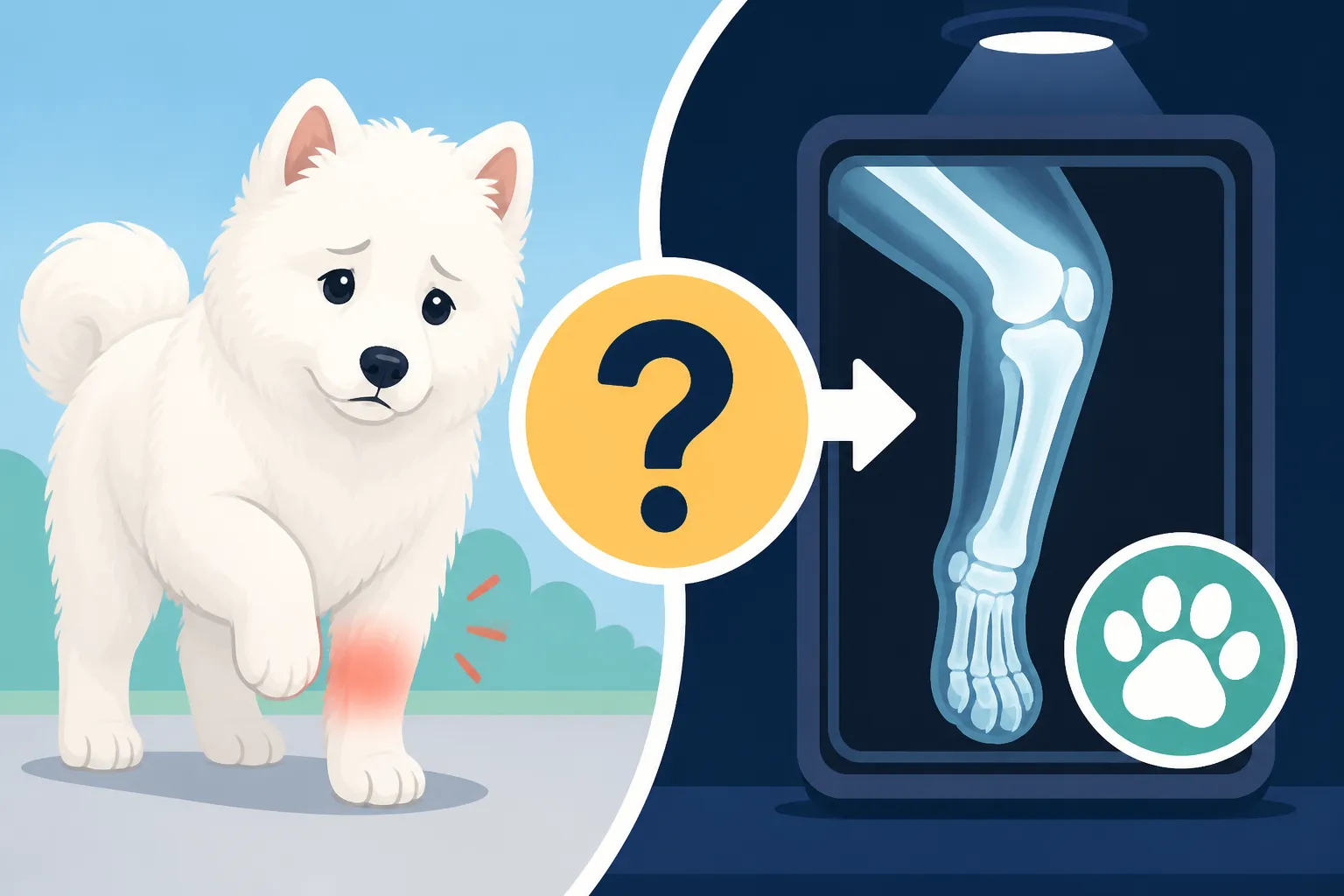
Finding your Samoyed puppy limping can send any owner into an immediate state of worry. One moment they're tearing around the yard, a fluffy white blur, and the next, they're hesitantly putting weight on a paw or favoring a leg. It’s natural to jump to conclusions, from a simple stubbed toe to something far more sinister. Samoyeds, with their playful and energetic nature, are prone to little tumbles and over-exertion, but a persistent or severe limp is always a cause for concern.
Common, Minor Causes of Puppy Limping
Sometimes, a limp is just that: a minor, transient issue. Puppies, especially spirited Samoyeds, are constantly exploring and testing their physical limits. They might twist an ankle during a clumsy run, overstretch a muscle while playing too hard with a toy, or simply land awkwardly after a jump. These minor incidents often resolve on their own with a bit of rest. Think of it like a child scraping a knee – it looks bad, but a little TLC is all that's needed. A temporary limp might come from:
- A minor sprain or strain: Just like us, dogs can pull a muscle or twist a joint. If your Samoyed puppy was romping particularly hard, or had a sudden stop and turn, this is a distinct possibility. Often, this results in a mild limp that might be worse right after activity and improves with rest.
- Bruising or a minor bump: Puppies are not always graceful. They can run into furniture, misjudge a jump, or get stepped on (gently!) during family activities. These can cause localized soreness or bruising that leads to a temporary limp.
- Paw pad injuries: Small cuts, thorns, foxtails, or even a pebble stuck between their paw pads can cause discomfort and lead to limping. It’s always a good idea to thoroughly inspect your puppy's paws if they suddenly start limping.
The key here is observing how quickly the limp resolves and how severe it appears. A slight, intermittent limp that disappears after a few hours of rest is often less concerning than a persistent, severe lameness.
When to Suspect Something More Serious
While minor bumps and bruises are common, Samoyed puppies, like many larger breeds, are also susceptible to certain orthopedic and growth-related conditions that can cause limping. These aren't always immediately obvious and can often masquerade as minor issues in their early stages. The unique growth rate of large breed puppies means their bones, joints, and soft tissues are developing rapidly, making them vulnerable to specific problems. Ignoring these can lead to long-term pain and mobility issues. Conditions that might cause a more serious limp include:
- Panosteitis: Often called "growing pains," this condition causes shifting lameness, where the limp seems to move from one leg to another, or even disappear and reappear. It's an inflammation of the long bones in growing puppies and can be quite painful.
- Osteochondritis Dissecans (OCD): This is a condition where the cartilage in a joint doesn't develop properly, leading to a flap of cartilage or bone breaking off, causing pain and lameness, often in the shoulder, elbow, or knee.
- Hip or Elbow Dysplasia: These are genetic conditions where the hip or elbow joints don't form correctly, leading to looseness, pain, and eventually arthritis. While definitive diagnosis for certification usually occurs later, signs can appear in puppyhood, sometimes as subtle lameness or an awkward gait. You might be interested in learning more about Whether a Samoyed's Hip Score Predicts Later Arthritis.
- Fractures or growth plate injuries: Puppies have open growth plates in their long bones, which are weaker than the surrounding bone. A fall or impact that might just bruise an adult bone could cause a fracture in a puppy's growth plate, potentially affecting future bone growth.
- Luxating Patella (Slipping Kneecap): While less common in Samoyeds compared to some smaller breeds, it can still occur, causing a characteristic skip or hop in their gait as the kneecap temporarily dislocates.
Recognizing these possibilities isn't about panicking, but about understanding when a visit to the vet is absolutely necessary. Samoyeds, with their naturally stoic nature and ever-present "smile," can be incredibly good at hiding discomfort. This is a crucial point to remember, as it often means that by the time you notice a clear limp, the underlying issue might be quite significant. For more on this, consider reading How a Samoyed Hides Illness Behind a Smile.
Deciding When to See the Vet for a Limping Samoyed Puppy
The moment your Samoyed puppy starts limping, your mind races. Do you wait it out? Or rush to the emergency vet? The decision hinges on a careful assessment of several factors, because while some limps are fleeting, others demand immediate professional attention.
Red Flags That Warrant an Immediate Vet Visit
It's tempting to hope a limp will just "go away," especially if your Samoyed is still trying to be playful. However, certain signs are clear indicators that you should not delay seeking veterinary care. These "red flags" suggest something more serious is at play and often require prompt diagnosis to ensure the best outcome for your puppy.
- Non-weight bearing: If your Samoyed puppy cannot put any weight on the affected limb at all, or hops on three legs, it’s an emergency. This could indicate a fracture, severe sprain, or dislocation.
- Obvious pain on touch or manipulation: If your puppy cries out, snarls, or attempts to bite when you gently try to touch or examine the limb, they are in significant pain. Even if they are usually good-natured, pain can make any dog react defensively.
- Swelling, heat, or deformity: Any visible swelling, warmth to the touch, or an unnatural angle or bend in the limb could point to a fracture, severe inflammation, or infection.
- Worsening limp: If the limp starts mild but becomes progressively worse over a few hours or a day, it's time to see the vet.
- Lethargy, fever, or loss of appetite: If the limping is accompanied by systemic signs like unusual tiredness, a refusal to eat or drink, or a fever, it could indicate an infection, an autoimmune condition, or a severe inflammatory process, requiring urgent medical assessment.
- Limping after a known trauma: If you witnessed your puppy fall from a height, get hit by a car (even at low speed), or have another significant impact, always assume the worst and seek immediate vet attention, even if the limp seems mild initially.
- Limping in a very young puppy: Limping in puppies under 12 weeks old can be particularly concerning and might point to congenital issues or more severe developmental problems.
When you're facing these red flags, don't hesitate. Call your vet or an emergency veterinary hospital. Early intervention can make a huge difference in prognosis and recovery, especially with conditions like growth plate fractures that need prompt stabilization.
Initial Steps: Rest and Observation
For those less severe limps, where your puppy isn't showing any of the immediate red flags, a period of rest and careful observation is often the first, prudent step. This allows minor sprains or muscle soreness a chance to heal naturally.
- Strict Rest: Confine your Samoyed puppy to a small, safe area – like their crate or a small room – where they cannot run, jump, or play rough. Short, leashed potty breaks are okay, but avoid any strenuous activity. This means no stairs for a while, too. If you want to learn more about protecting your pup's joints, check out Keeping a Samoyed Puppy Off Stairs.
- Gentle Examination: Carefully and gently examine your puppy's affected leg, paw, and joints. Look for any cuts, punctures, thorns, swelling, or heat. Try to palpate each bone and joint, observing for any painful reactions. If you find anything obvious like a thorn, try to remove it carefully if you can do so safely, then clean the area.
- Monitor Severity: Keep a close eye on the limp. Does it improve with rest? Does it worsen? Is your puppy still eating, drinking, and otherwise behaving normally, just with a limp? Take mental notes or even jot them down to share with your vet if a visit becomes necessary.
- Duration of Observation: Generally, if a mild limp doesn't show significant improvement after 24-48 hours of strict rest, it’s time to call the vet. If it worsens at any point, contact your vet sooner.
It’s important to remember that even if you observe for a day or two, if the limp persists or concerns you, a vet visit is always the right call. It’s better to be safe than sorry, and getting professional advice early can prevent a minor issue from becoming a major one. Plus, having a good pet insurance plan, like one from Healthy Paws, can ease the financial stress of unexpected vet visits and diagnostics, allowing you to focus on your puppy's well-being without delay.
The Indispensable Role of X-Rays
When your Samoyed puppy is limping and the cause isn't immediately obvious, X-rays often become the veterinary detective's best friend. They provide an invaluable look beneath that thick, fluffy coat and charming smile, allowing us to see the skeletal structures that can't be assessed through a physical exam alone.
Why X-Rays Are Crucial for Diagnosis
A veterinarian can perform a thorough physical exam, feeling for swelling, warmth, and assessing range of motion. However, many significant orthopedic issues, especially in growing puppies, are invisible to the naked eye and impossible to feel. This is where radiography, or X-rays, shine. They allow your vet to:
- Visualize Bones and Joints: X-rays provide a clear image of your puppy's bones, showing fractures, dislocations, bone deformities, and changes in joint alignment. For a limping Samoyed, this is critical for ruling out or confirming traumatic injuries.
- Identify Growth Plate Abnormalities: Puppy bones have open growth plates (epiphyseal plates) that are made of cartilage and are sites of rapid bone growth. These plates are weaker than mature bone and are highly susceptible to injury. X-rays can detect damage to these crucial areas, which might not only cause immediate pain but also lead to long-term growth deformities if not addressed properly.
- Detect Developmental Disorders: Conditions like hip and elbow dysplasia, panosteitis, and osteochondritis dissecans (OCD) have characteristic appearances on X-rays. While some signs of dysplasia, such as joint laxity, may be assessed manually, the full extent and specific type of issue are best seen on radiographic images.
- Assess Soft Tissue Swelling: While X-rays are primarily for bone, they can also provide clues about soft tissue swelling and fluid accumulation within joints, which can point to inflammation or infection.
- Rule Out Other Causes: Sometimes, a limp isn't bone-related at all, but X-rays help rule out the skeletal possibilities, guiding the vet towards investigating other causes like nerve damage or soft tissue injuries that might require different diagnostic tools.
Without X-rays, a veterinarian would often be making an educated guess, which isn't fair to your puppy or your peace of mind. They provide the objective evidence needed to form an accurate diagnosis and, subsequently, the most effective treatment plan.
What to Expect During the X-Ray Process
The idea of your puppy needing X-rays can sound daunting, especially if sedation is involved. However, understanding the process can help alleviate some of that anxiety. Veterinary clinics are well-equipped to handle these procedures with your puppy's safety and comfort in mind.
- Initial Physical Exam: Even if you've done a preliminary check at home, your vet will start with a comprehensive physical and orthopedic exam. They'll observe your puppy's gait, feel their joints, and test their range of motion to pinpoint the affected limb and potential areas of concern. This helps them determine which views (angles) of X-rays will be most beneficial.
- Discussion and Consent: Your vet will discuss their suspicions, the necessity of X-rays, and the potential risks (minimal) of sedation. You'll sign a consent form, and this is a great time to ask any questions you have about the procedure or
Healthy Pawscoverage for diagnostic imaging. - Sedation: For high-quality, diagnostic X-ray images, especially of joints like hips and elbows, puppies generally need to be sedated. Why? Because the images need to be perfectly still, and the positioning required can be uncomfortable or even impossible for an awake, squirmy puppy. Sedation ensures your puppy is relaxed, still, and pain-free during the process, allowing for accurate positioning and clear images without stress. Your puppy will typically receive a mild sedative that allows them to remain conscious but drowsy, or a deeper sedative for more extensive imaging. They'll be monitored closely throughout.
- Taking the Images: Once sedated, your veterinary technician will carefully position your Samoyed puppy on the X-ray table. Multiple views of the affected limb and potentially the contralateral (opposite) limb will be taken for comparison. The vet will review the images to ensure they are diagnostic before your puppy is woken up.
- Recovery: After the X-rays are complete, your puppy will be brought into a recovery area where they'll be monitored as the sedative wears off. They might be a little wobbly or sleepy for the rest of the day. You’ll receive discharge instructions on how to care for them at home as they fully recover from the sedation.
The entire process, from admission to discharge, can take a few hours, depending on the number of X-rays needed and how quickly your puppy recovers from sedation. Your veterinary team will keep you updated every step of the way.
Conditions X-Rays Can Reveal in Samoyed Puppies
X-rays are incredibly powerful for identifying a range of conditions specific to growing Samoyeds, which can be the root cause of a limp.
- Fractures and Growth Plate Injuries: These are often very clear on X-ray, showing breaks in the bone or damage to the delicate growth plates.
- Panosteitis: While sometimes subtle, panosteitis often presents as increased density or cloudiness within the bone marrow cavity of the long bones, along with periosteal new bone formation.
- Hip Dysplasia: In puppies, X-rays might show early signs like shallow hip sockets, looseness (laxity) in the joint, or subtle changes in the femoral head. While OFA (Orthopedic Foundation for Animals) certification is done at two years of age, preliminary X-rays in puppies can offer an early indicator. For more information, check out The Age a Samoyed Is Certified by OFA.
- Elbow Dysplasia: This complex condition can involve several issues, including fragments of bone or cartilage within the elbow joint, ununited anconeal processes, or an incongruity (improper fit) between the bones of the joint. X-rays are essential for diagnosing these specific findings.
- Osteochondritis Dissecans (OCD): X-rays can show the classic "flap" of cartilage or bone, or the associated bone erosion at the joint surface, most commonly in the shoulder, elbow, stifle (knee), or hock (ankle).
Knowing what X-rays might reveal helps you prepare for the potential diagnoses and discussions with your veterinarian, equipping you to make informed decisions for your Samoyed puppy's health. Having reliable pet insurance like Healthy Paws can certainly provide peace of mind during this diagnostic journey, covering eligible X-rays and other tests.
Interpreting the X-Ray Results and Charting a Course
Once the X-rays are taken, the next crucial step is interpreting them accurately. Your veterinarian will carefully analyze the images, looking for specific changes and abnormalities that correspond to various orthopedic conditions. This interpretation will then form the basis of your puppy's diagnosis and subsequent treatment plan.
Understanding What the Vet Looks For
Reading X-rays isn't just about spotting a clear break; it’s a nuanced skill. Veterinarians are trained to look for subtle indicators, bone densities, joint spaces, and structural abnormalities. Here’s a breakdown of what they’re evaluating when examining your Samoyed puppy's radiographs:
- Bone Density and Integrity: They check for areas of increased or decreased bone density, which can indicate conditions like panosteitis or osteosarcoma (though rare in puppies). They also look for any disruptions in the bone continuity, which would signify a fracture.
- Joint Spaces: The space between bones in a joint should be uniform. Abnormal widening or narrowing can suggest ligamentous injury, joint laxity (as seen in early dysplasia), or cartilage wear.
- Articular Surfaces: These are the ends of the bones that meet within a joint, normally covered by smooth cartilage. X-rays can reveal irregularities, flattening, or erosions of these surfaces, indicative of conditions like OCD or early arthritis.
- Growth Plates: For a limping puppy, the growth plates are critically important. The vet examines them for widening, narrowing, premature closure, or displacement, which can all point to growth plate injuries that require specific, often urgent, intervention to prevent lasting deformity.
- Bone Alignment: They assess whether the bones are correctly aligned within the joint and along their length. Misalignment can indicate subluxation (partial dislocation) or a healed fracture that wasn't properly set.
- Periosteal Reactions: The periosteum is the membrane covering the bone. New bone formation here (a periosteal reaction) can be a sign of inflammation, infection, or a healing fracture.
- Overall Bone Shape and Development: Especially in breeds prone to developmental issues, the overall shape of the bones and joints is scrutinized for any abnormalities that deviate from normal growth.
Often, your vet might consult with a veterinary radiologist – a specialist in interpreting diagnostic images – to ensure the most accurate diagnosis, especially for complex cases. This collaborative approach ensures no detail is overlooked.
Common Diagnoses and Their Implications for Samoyeds
Once the X-rays are interpreted, a diagnosis will be made. The implications of this diagnosis can vary widely, from requiring simple rest to complex surgical interventions.
- Panosteitis ("Growing Pains"): This is often diagnosed by characteristic changes in the long bones. The good news is that panosteitis is generally self-limiting. Treatment primarily involves pain management (anti-inflammatory medications) and restricted activity until the puppy outgrows the condition, usually by 18-24 months. It can recur, but most puppies recover fully.
- Osteochondritis Dissecans (OCD): The presence of a cartilage flap or bone fragment is often visible. Treatment for OCD can range from conservative management (strict rest, pain medication) for minor cases to surgical removal of the loose flap and debridement of the affected area. Early intervention can prevent severe, permanent arthritis.
- Hip Dysplasia: While often diagnosed later, early signs on X-rays can lead to a preliminary diagnosis. Treatment options for puppy hip dysplasia can be proactive, such as Juvenile Pubic Symphysiodesis (JPS) in very young puppies (under 5 months) or Triple Pelvic Osteotomy (TPO) in slightly older puppies, which aim to improve joint congruence before significant damage occurs. Otherwise, management focuses on pain relief, weight control, and physical therapy. You might want to understand The Health Tests Both Samoyed Parents Should Have to prevent these issues.
- Elbow Dysplasia: Similar to hip dysplasia, early X-ray findings can prompt intervention. Depending on the specific type of elbow dysplasia, surgical correction is often recommended to remove bone fragments, address incongruity, or prevent further deterioration. Prognosis varies, but early diagnosis and treatment offer the best chance for long-term comfort.
- Fractures or Growth Plate Injuries: These require immediate attention. Depending on the location and severity, treatment can range from casting or splinting to complex surgical repair using pins, plates, or screws. The goal is to stabilize the bone, allow it to heal properly, and protect the growth plate to ensure normal limb development.
It's a lot to take in, and your vet will explain everything in detail, including prognosis, potential costs, and ongoing care. This is where having a comprehensive pet insurance plan, like Healthy Paws, truly becomes invaluable. It can help significantly with the costs associated with diagnostics, surgeries, and long-term treatments for these unexpected conditions.
| Condition | Common Age of Onset | Typical X-Ray Findings | Treatment Approach | Prognosis |
|---|---|---|---|---|
| Panosteitis (Growing Pains) | 5-18 months | Increased bone density in long bones (e.g., humerus) | Pain management, rest, self-limiting | Excellent, typically resolves with age |
| Osteochondritis Dissecans (OCD) | 4-12 months | Cartilage flap or loose bone fragment in joint | Rest, anti-inflammatory meds; often surgery (arthroscopy) | Good with surgery, fair without, risk of arthritis |
| Hip Dysplasia | 4 months – 2 years+ | Shallow sockets, joint laxity, abnormal femoral head | Lifestyle management, pain relief; early surgeries (JPS, TPO) | Varies; early intervention better, lifetime management |
| Elbow Dysplasia | 4-12 months | Ununited anconeal process, fragmented coronoid process | Pain relief, physical therapy; often surgery | Varies; early diagnosis improves outcome, common arthritis |
| Growth Plate Fracture | Puppyhood (any age) | Fracture line across growth plate | Stabilization (cast, splint, surgery) | Varies; good if treated promptly, risk of limb deformity |
Beyond the Diagnosis: Treatment and Long-Term Care
Receiving a diagnosis can be overwhelming, but it's the first step toward getting your Samoyed puppy on the road to recovery. Your veterinarian will work with you to create a tailored treatment plan, which may involve a combination of approaches.
- Conservative Management: For less severe issues like mild sprains or panosteitis, conservative treatment might be recommended. This usually involves strict rest, anti-inflammatory medications (such as NSAIDs), and possibly joint supplements. Following your vet’s instructions for rest is paramount; pushing your puppy too soon can exacerbate the injury.
- Surgical Intervention: For conditions like severe fractures, OCD, or significant dysplasia, surgery is often the best, or even only, option. Advances in veterinary orthopedic surgery offer excellent outcomes for many complex issues. Your vet will explain the procedure, recovery timeline, and what post-operative care will entail, which often includes pain management, wound care, and restricted activity.
- Rehabilitation and Physical Therapy: Regardless of whether the treatment is conservative or surgical, physical therapy and rehabilitation can play a huge role in your puppy’s recovery. This might include hydrotherapy, therapeutic exercises, laser therapy, and massage to regain strength, flexibility, and proper gait. These services can be an important investment in your Samoyed’s future mobility. To aid in long-term joint health, discussing Joint Supplements for a Samoyed with your vet is a good idea.
- Long-Term Management: Some conditions, like hip and elbow dysplasia, even with successful treatment, may require long-term management throughout your Samoyed’s life. This could involve continued joint supplements, weight management, regular low-impact exercise, and periodic vet check-ups to monitor for arthritis progression. Staying proactive with your Samoyed's health is key to ensuring they live a happy, comfortable life.
Remember, you are your Samoyed’s advocate. Don't hesitate to ask questions, seek second opinions, and explore all available options. Pet insurance providers like Healthy Paws can be a true lifeline, covering a substantial portion of these often-expensive diagnostic and treatment costs, allowing you to prioritize your puppy's health without undue financial burden. Early diagnosis through X-rays and appropriate treatment offers the best chance for your limping Samoyed puppy to return to their cheerful, active self.
Disclaimer
This article is intended for informational purposes only and does not constitute veterinary advice. Always consult with a qualified veterinarian for any health concerns or before making any decisions about your Samoyed puppy's medical care.