Whether a Samoyed With a Heart Murmur Is in Trouble
Discovering your beloved Samoyed has a heart murmur can be an incredibly alarming moment. You immediately worry about their future, their comfort, and what this diagnosis truly means for their happy, fluffy life. It’s natural to feel overwhelmed, confused, and anxious about what might be a serious health issue. This guide aims to demystify heart murmurs in Samoyeds, explaining their causes, how they're diagnosed, and what steps you can take to ensure your furry family member receives the best possible care.
Understanding What a Heart Murmur Actually Is
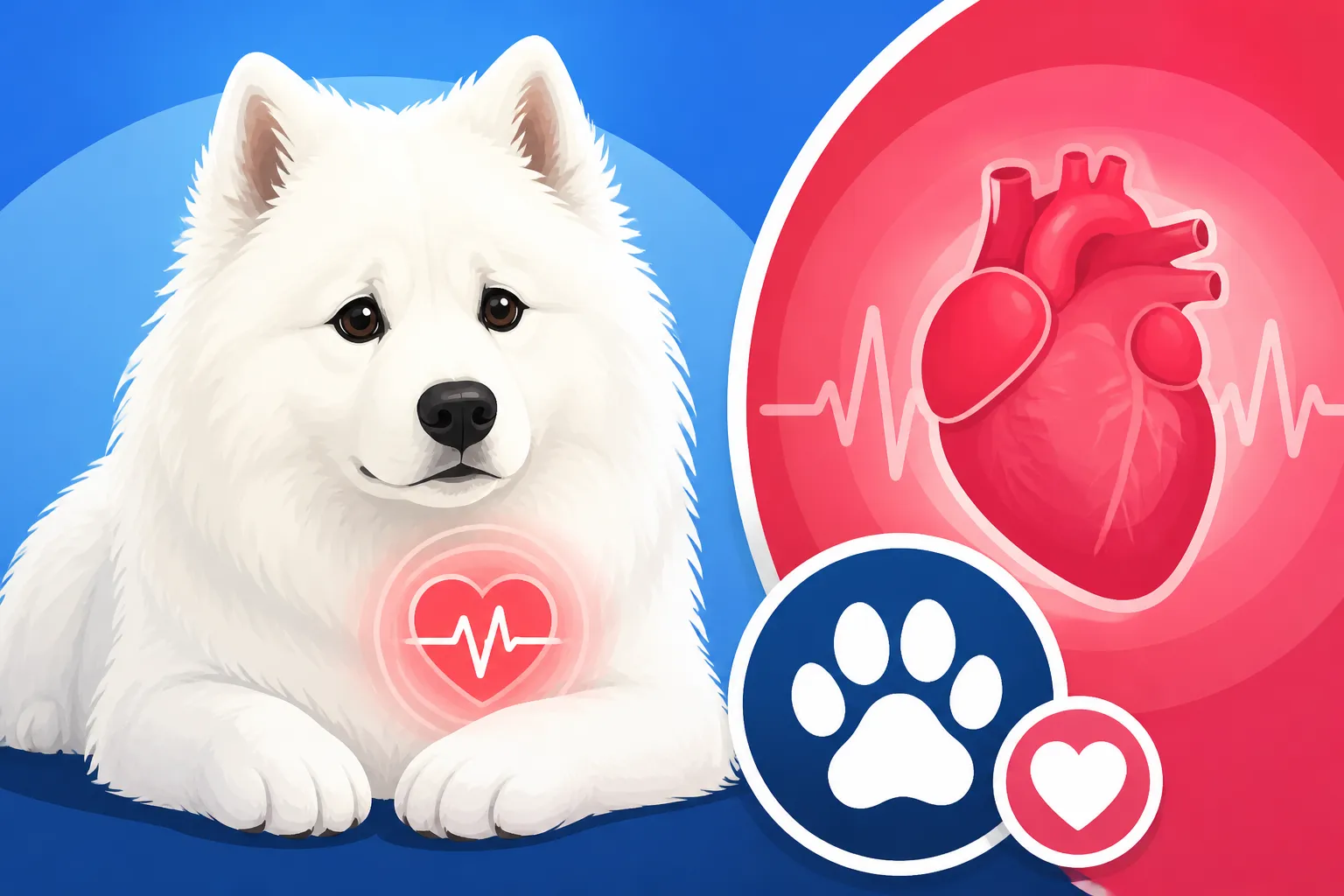
When your veterinarian listens to your Samoyed's chest, they’re listening for the rhythmic "lub-dub" sound of the heart valves opening and closing. A heart murmur is essentially an abnormal sound detected between these beats, often described as a "whooshing" or "swishing" sound. It's caused by turbulent blood flow within the heart or major blood vessels, which isn't always a sign of disease. Think of it like water flowing through a hose – if there's a kink or a narrow spot, the water's flow becomes less smooth and makes a different sound.
How Your Vet Detects a Murmur
Every routine veterinary check-up involves your vet placing a stethoscope on your Samoyed's chest. This simple, non-invasive examination is the first line of defense for detecting heart murmurs. They’re listening for any deviations from the normal heart sounds, paying attention to the timing, location, and intensity of the murmur. Sometimes, they might even detect it during an emergency visit if your Samoyed is showing other symptoms. It's a quick and easy test, but the implications of what they hear can be significant.
Vets also grade murmurs on a scale from I to VI based on their loudness. A Grade I murmur is very faint and hard to hear, almost like a whisper, while a Grade VI murmur is so loud you can feel it through the chest wall. It's crucial to understand that the grade of a murmur indicates its intensity, not necessarily the severity of the underlying problem. A very faint murmur could still point to a significant issue, just as a louder murmur might be relatively benign. This is why further investigation is almost always recommended to truly understand what's going on inside your Samoyed's heart.
Benign vs. Pathologic Murmurs
This is perhaps the most important distinction to grasp when confronted with a heart murmur diagnosis. Not all murmurs are cause for alarm. "Innocent" or "physiologic" murmurs are common, especially in young puppies or highly athletic dogs like Samoyeds. These murmurs often occur due to rapid blood flow through a healthy heart, stress, excitement, or even temporary anemia. They typically disappear as the puppy matures or if the underlying temporary condition resolves. Many Samoyed puppies might present with a Grade I or II murmur that resolves completely by 4-6 months of age, leaving owners to wonder if they imagined it.
On the other hand, a "pathologic" murmur signals an actual structural abnormality or disease process within the heart. This could involve issues with heart valves not closing properly (insufficiency) or being too narrow (stenosis), holes in the heart walls (septal defects), or other congenital malformations. For instance, a persistent murmur in an adult Samoyed or a very loud murmur in a puppy, especially if accompanied by other symptoms like lethargy or coughing, immediately raises a red flag for a pathologic condition. It’s this type of murmur that requires prompt and thorough investigation to determine the exact cause and potential need for intervention.
Specific Concerns for Samoyeds and Heart Murmurs
While any dog can develop a heart murmur, certain breeds have predispositions to specific cardiac conditions. Understanding these breed-specific risks can help Samoyed owners be more vigilant and proactive about their dog's heart health.
Breed Predispositions to Heart Conditions
Samoyeds, like many purebred dogs, can be predisposed to certain heart conditions. One of the more commonly discussed conditions in the breed is Subaortic Stenosis in a Samoyed, often referred to as SAS or AS. This is a congenital (present at birth) narrowing of the outflow tract from the left ventricle, just below the aortic valve. This narrowing forces the heart to work harder to pump blood to the body, which can lead to thickening of the heart muscle and, in severe cases, heart failure or sudden death. The turbulent blood flow through this narrowed area is what often causes the characteristic murmur heard by your vet.
Another condition sometimes seen, though less specifically noted as a widespread breed predisposition compared to SAS, is Patent Ductus Arteriosus (PDA). This is also a congenital defect where a blood vessel connecting the aorta and pulmonary artery, which is normal in fetuses, fails to close shortly after birth. This results in abnormal blood flow and a continuous, machinery-like murmur. Responsible breeders are diligent about health testing and sharing information about their dogs' lineage to help prospective owners understand potential genetic risks. This is why knowing The Health Tests Both Samoyed Parents Should Have is so important when choosing a puppy.
When a Murmur in a Samoyed Puppy is More Worrisome
It’s one thing to hear about an "innocent" puppy murmur, but it’s another to deal with the worry if your young Samoyed's murmur seems more serious. A murmur in a Samoyed puppy is immediately more concerning if it is loud (Grade III or higher), persists beyond six months of age, or if the puppy shows any signs of ill health. These signs could include poor growth compared to littermates, lethargy, coughing, difficulty breathing, or exercise intolerance. While Samoyed puppies are known for their boundless energy, any noticeable decrease in activity or inability to keep up with siblings could be a subtle clue that something is amiss.
Congenital heart defects are typically detected in puppies, and these are the most common cause of pathologic murmurs in young dogs. Conditions like SAS or PDA can significantly impact a puppy's development and long-term health. If your vet hears a suspicious murmur in your Samoyed puppy, they will likely recommend a recheck in a few weeks or months to see if it resolves. However, if the murmur is severe or persists, an immediate referral to a veterinary cardiologist for an echocardiogram is crucial. Early diagnosis and intervention, especially for conditions like PDA which can often be surgically corrected, can make a monumental difference in a Samoyed's quality of life and longevity. This initial step helps determine Why a Samoyed Puppy's Heart Should Be Listened To so carefully.
Diagnosing and Managing a Samoyed's Heart Murmur
The road from detecting a murmur to understanding its full implications can feel like a journey. However, each diagnostic step brings you closer to a clear picture and a tailored management plan for your Samoyed.
The Diagnostic Steps a Vet Will Take
Once a heart murmur is detected, your primary care veterinarian will often recommend a series of tests to get more information. These typically start with blood tests, including a complete blood count (CBC) and a biochemistry panel, to check overall health and rule out other systemic issues that might cause a murmur, such as anemia or thyroid problems. Some vets might also recommend a proBNP test, a blood test that measures a specific hormone released when the heart muscle is stretched or stressed, which can indicate heart disease.
Chest X-rays are another common step. While X-rays can't directly show the heart's internal structure, they can reveal if the heart is enlarged (cardiomegaly), if there are changes to the pulmonary vessels, or if fluid is accumulating in the lungs, all of which are signs of heart failure.
However, the gold standard for diagnosing the cause and severity of a heart murmur is an echocardiogram, performed by a board-certified veterinary cardiologist. An echocardiogram is essentially an ultrasound of the heart. It provides real-time images of the heart's chambers, valves, and major blood vessels, allowing the cardiologist to measure chamber sizes, assess valve function, detect shunts or septal defects, and determine the exact cause and severity of the turbulent blood flow causing the murmur. This is the only way to differentiate between a benign murmur and a serious structural problem like Aortic Stenosis in a Samoyed. These specialists have the expertise and equipment to provide the most accurate diagnosis, which is essential for creating an effective treatment plan.
Treatment and Prognosis Based on Diagnosis
The treatment and prognosis for a Samoyed with a heart murmur depend entirely on the underlying diagnosis. If it's a benign or innocent murmur, no specific treatment is needed, and your Samoyed can live a full, normal life. You'll just need to continue with regular check-ups.
For pathologic murmurs, the approach varies widely:
- Congenital Defects (e.g., PDA): For conditions like Patent Ductus Arteriosus, surgical correction is often curative, especially if performed early. The prognosis is excellent post-surgery, allowing the dog to live a normal lifespan.
- Valvular Disease (e.g., Mitral Valve Disease): While less common in Samoyeds than other breeds, degenerative valve disease can occur, particularly in older dogs. Management typically involves medication to control symptoms, reduce fluid retention, improve heart function, and slow disease progression. Drugs like ACE inhibitors, diuretics, and pimobendan are common.
- Subaortic Stenosis (SAS): For Samoyeds with SAS, management often focuses on reducing the heart's workload and preventing complications. Beta-blockers might be prescribed to slow the heart rate and reduce myocardial oxygen demand. Unfortunately, in severe cases, the prognosis for SAS can be guarded, with some dogs at risk for sudden death. Regular monitoring is key.
The prognosis for any heart condition is significantly improved with early diagnosis and consistent management. Your vet and cardiologist will work together to create a plan that might include medication, dietary changes, and activity restrictions. This is also where a reliable pet insurance plan, such as those offered by Healthy Paws, can be invaluable. Ongoing cardiac medications, specialist consultations, and repeat diagnostic tests can really add up, and knowing your Healthy Paws policy can help cover a significant portion of these expenses brings immense peace of mind.
Living with a Samoyed That Has a Heart Murmur
Receiving a diagnosis of a heart murmur, especially a pathologic one, means making adjustments. But it doesn’t mean the end of a joyful life for your Samoyed. Many dogs with heart conditions live happily for years with proper management and dedicated owner care.
Lifestyle Adjustments and Home Care
Living with a Samoyed that has a heart condition often means a partnership between you, your vet, and a cardiologist. Lifestyle adjustments are a huge part of home care. This might mean modifying their exercise routine – instead of intense sledding runs or long, strenuous hikes, your vet might recommend shorter, more frequent, and less intense walks. Preventing excessive excitement and stress is also important, as sudden bursts of activity can put extra strain on the heart.
Dietary considerations are also critical. For some heart conditions, a low-sodium diet might be recommended to help manage fluid retention. Your vet can guide you on appropriate commercial prescription diets or advise on how to modify a home-cooked diet safely. Consistent medication administration is non-negotiable; skipping doses can have serious consequences. You’ll also need to become adept at monitoring your Samoyed for subtle signs of worsening heart disease. These can include increased coughing, especially at night or after exercise, unusual fatigue or reluctance to play, decreased appetite, weight loss, or difficulty breathing (increased panting, open-mouth breathing at rest). Remember, How a Samoyed Hides Illness Behind a Smile means you need to be extra observant. Regular weigh-ins at home can help track fluid retention.
The Emotional Toll and Practical Support
It's completely normal to feel stressed, anxious, or even heartbroken when caring for a Samoyed with a chronic heart condition. This isn’t just about the practicalities of giving medication or monitoring symptoms; it's about the emotional burden of knowing your beloved companion faces a health challenge. It's okay to acknowledge these feelings. Many online forums and local support groups exist for owners of dogs with heart disease, offering a community where you can share experiences, ask questions, and find comfort.
From a practical standpoint, the financial aspect of managing a chronic condition can be daunting. Between specialist visits, echocardiograms, blood tests, and lifelong medications, What a Samoyed's Vet Bills Look Like can quickly become overwhelming. This is where pet insurance, like Healthy Paws, really shines. Many owners find enormous relief in knowing that their Healthy Paws policy can significantly offset the costs of long-term care, allowing them to focus on their Samoyed's health rather than financial constraints. It truly empowers owners to say "yes" to necessary treatments without hesitation. Early enrollment in pet insurance is always a smart move to ensure pre-existing conditions aren't excluded. While we all hope for The Twelve to Fourteen Years a Samoyed Lives, being prepared for health challenges is part of responsible ownership.
Here's a quick comparison of benign vs. pathologic murmurs:
| Feature | Benign (Innocent/Physiologic) Murmur | Pathologic Murmur |
|---|---|---|
| Cause | Rapid blood flow, fever, excitement, anemia, young age | Structural heart defect, valve disease, heart muscle disease |
| Timing/Location | Often quiet, typically systolic, varying locations | Can be loud, systolic/diastolic, specific locations |
| Associated Symptoms | None; dog is otherwise healthy and energetic | Coughing, lethargy, exercise intolerance, fainting, difficulty breathing |
| Likelihood of Resolving | High, especially in puppies as they mature | Unlikely to resolve; often progressive |
| Treatment Required | None | Often requires medication, surgery, or lifestyle management |
| Prognosis | Excellent, normal lifespan | Varies greatly depending on underlying condition; can range from good to guarded |
Remember, your Samoyed is a cherished member of your family. A heart murmur diagnosis isn't always a catastrophe, but it's always a call to action. With diligent veterinary care, proper management, and your unwavering love, many Samoyeds with heart murmurs can continue to enjoy happy and fulfilling lives, bringing joy and fluffy smiles for years to come.
Disclaimer
The information provided in this guide is for general educational purposes only and should not be considered a substitute for professional veterinary advice. Always consult with a qualified veterinarian or a veterinary cardiologist for any health concerns or before making any decisions related to your Samoyed's health or treatment plan.